Month: September 2025

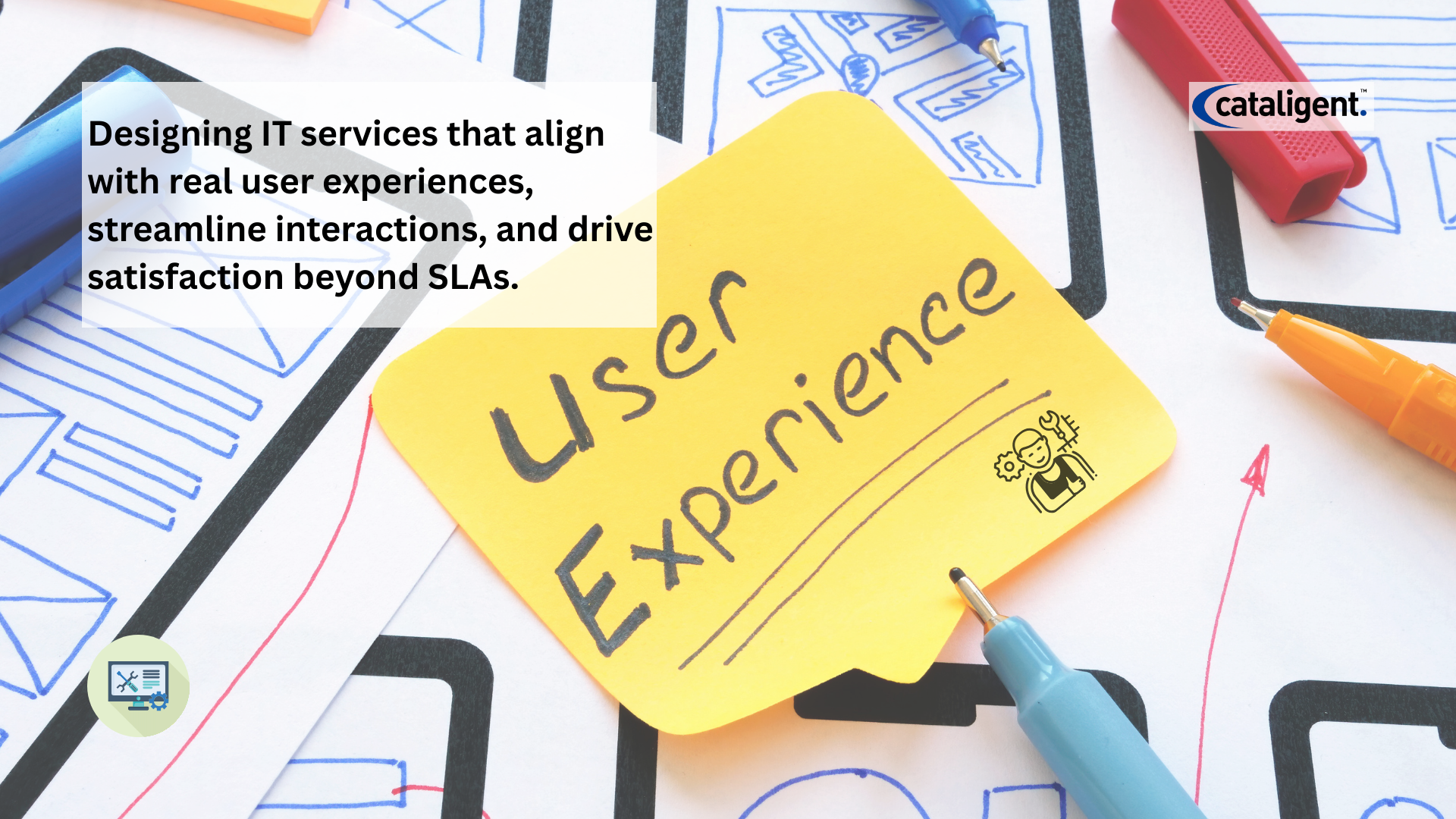
  • Experience-Centered ITSM: Designing Services Around User Journeys

    Experience-Centered ITSM: Designing Services Around User Journeys

    Technology has always been central to business operations, but how employees and customers experience IT services is now just as important as the technology itself. Traditional ITSM frameworks have long focused on operational metrics such as ticket resolution times, SLA compliance, or system uptime. While these are critical, they often fail to capture what really matters: the quality of experience for the people using the services. This is where Experience-Centered ITSM steps in, shifting the lens from process efficiency to user journeys, satisfaction, and measurable business value.


    What is Experience-Centered ITSM?

    Experience-Centered ITSM redefines how IT services are designed, delivered, and measured. Instead of focusing solely on speed and process adherence, it prioritizes the end-to-end user journey—whether it’s an employee seeking support for a remote work setup or a customer interacting with a digital service. The goal is to ensure that IT not only resolves issues but also enables productivity, satisfaction, and trust.

    This approach introduces new frameworks like Experience Level Agreements (XLAs), which measure emotional and practical outcomes—such as ease of use, satisfaction, or friction levels—alongside traditional SLAs.


    Why Experience-Centered ITSM Matters

    1. Employee Productivity and Engagement
      When employees struggle with clunky systems, repetitive IT issues, or long wait times, their productivity suffers. By focusing on seamless user journeys, ITSM ensures that technology becomes a productivity enabler, not a bottleneck. This directly translates into higher engagement and business performance.
    2. Customer Loyalty and Retention
      For customer-facing services, poor IT support often results in frustration and churn. Experience-Centered ITSM ensures smoother interactions, reducing digital friction and improving customer satisfaction. Happier customers stay longer and spend more.
    3. Business Transformation Enablement
      True business transformation requires agile, reliable, and human-centered IT services. An ITSM model that prioritizes experience helps organizations adopt new technologies faster, drive digital adoption, and ensure that transformation initiatives deliver value at every touchpoint.
    4. Beyond SLAs: Measuring What Truly Matters
      Meeting an SLA might mean an issue was resolved in four hours, but if users were unproductive and frustrated during that time, the business still loses. XLAs and experience-driven metrics measure the real business impact, aligning IT performance with business outcomes.

    How Experience-Centered ITSM Works

    1. User Journey Mapping
      Organizations identify and document the critical touchpoints where users interact with IT services. This could be onboarding, requesting new hardware, or escalating an incident. Mapping journeys highlights pain points that traditional metrics often overlook.
    2. Experience Metrics (XLAs)
      Experience Level Agreements define success in terms of satisfaction and usability. For example, instead of measuring how fast a password reset ticket is closed, XLAs track whether users could seamlessly regain access and continue work without disruption.
    3. Proactive Support and Sentiment Analysis
      Experience-Centered ITSM leverages AI and analytics to monitor user sentiment in real time. This includes employee feedback surveys, usage patterns, and even predictive monitoring that identifies problems before users report them.
    4. Continuous Feedback Loops
      Feedback isn’t just collected—it’s integrated into ITSM workflows to improve services continuously. By treating user sentiment as a core input, IT evolves alongside business needs.

    Role of Business Transformation in Experience-Centered ITSM

    Business transformation is more than technology upgrades—it’s about changing how an organization works and delivers value. Experience-Centered ITSM plays a pivotal role in ensuring transformation efforts don’t just modernize processes but actually improve day-to-day experiences.

    • Change Adoption: New tools or workflows are only successful if employees embrace them. By prioritizing experience, ITSM accelerates adoption and reduces resistance to change.
    • Culture of Service: IT is no longer just a support function; it becomes a partner in creating positive user outcomes that drive transformation goals.
    • Resilient Operations: During transformation, disruptions are inevitable. Experience-driven ITSM ensures business continuity by minimizing friction and keeping users engaged.

    How Cataligent Can Help

    Cataligent empowers organizations to implement Experience-Centered ITSM by combining consulting expertise with advanced platforms like CAT4 to deliver meaningful, measurable improvements.

    1. Experience Audits and Journey Mapping
      Cataligent assesses existing IT service interactions, identifies user pain points, and maps journeys to design experience-first service models.
    2. AI-Powered Sentiment and Proactive Monitoring
      With CAT4, Cataligent enables real-time monitoring of user sentiment and predictive analytics to resolve issues before they escalate.
    3. Continuous Improvement Programs
      Cataligent integrates feedback loops into ITSM operations, ensuring services evolve with changing user expectations and transformation initiatives.
    4. Business Transformation Alignment
      Cataligent ensures that ITSM initiatives are not isolated but directly connected to broader transformation goals—enabling faster adoption, measurable ROI, and long-term competitive advantage.

    Final Thoughts

    Experience-Centered ITSM isn’t just an evolution of service management—it’s a transformation in mindset. By focusing on journeys, outcomes, and satisfaction, IT shifts from being a cost center to a driver of productivity, loyalty, and growth. Organizations that embrace this approach not only save costs hidden in downtime and frustration but also unlock new value through empowered employees and satisfied customers.

    With Cataligent’s expertise and the CAT4 platform, businesses can move confidently into this new era of ITSM—where every service is designed with experience at the core, and every transformation initiative delivers meaningful impact.


  • Digital and Cloud Optimization: Cost-Saving Methods for Modern Enterprises

    Digital and Cloud Optimization: Cost-Saving Methods for Modern Enterprises

    Introduction: Technology is one of the largest investments for modern enterprises, yet inefficiencies in digital infrastructure and cloud usage silently inflate costs. Digital and cloud optimization ensures that IT resources—ranging from cloud storage to software subscriptions—are utilized efficiently, reducing waste while supporting scalable growth. By optimizing digital operations, organizations can unlock significant cost savings, improve performance, and align IT spending with strategic business objectives.

    What is Digital and Cloud Optimization? Digital and cloud optimization is the strategic process of maximizing the efficiency of IT and cloud resources. It involves assessing infrastructure utilization, software licensing, cloud consumption, and workflow integration to identify areas of waste, redundancy, or underutilization. Optimization ensures that IT investments deliver maximum value, minimize unnecessary costs, and support business transformation objectives. This process covers both cloud-native applications and on-premises digital systems, providing a comprehensive approach to IT cost management.

    Why Digital and Cloud Optimization Matters:

    1. Controlling IT Expenditure: Unmonitored cloud instances, unused licenses, and redundant systems can inflate IT costs. Optimization identifies these inefficiencies and reduces unnecessary spending.
    2. Enhancing Performance and Scalability: Optimizing cloud and digital resources ensures that infrastructure can scale efficiently to meet business demands without overspending.
    3. Reducing Operational Complexity: Consolidating and streamlining digital tools reduces management overhead, making IT operations more manageable and cost-effective.
    4. Supporting Business Transformation: Efficient IT and cloud infrastructure enables seamless digital transformation initiatives, providing a reliable foundation for automation, analytics, and customer-focused innovations.

    Focus Areas in Digital and Cloud Optimization:

    • Cloud Cost Management: Monitoring and controlling cloud resource usage, rightsizing instances, and eliminating idle resources.
    • Software License Optimization: Identifying underused software licenses and reallocating or consolidating them to reduce costs.
    • IT Infrastructure Assessment: Reviewing servers, storage, and network resources to eliminate redundancy and improve efficiency.
    • SaaS Consolidation: Streamlining multiple software subscriptions to optimize functionality and cost.
    • Performance Monitoring and Analytics: Using data-driven insights to optimize resource allocation and predict future IT requirements.

    Impact and Benefits:

    • Significant Cost Savings: Eliminates unnecessary IT spend and reduces recurring subscription costs.
    • Improved IT Efficiency: Streamlined digital operations reduce management complexity and enhance system performance.
    • Scalability and Flexibility: Optimized cloud resources allow businesses to scale infrastructure according to real-time demand without overspending.
    • Enhanced Decision-Making: Data-driven insights into IT usage help in strategic planning and allocation of resources.
    • Support for Business Transformation: Efficient IT and cloud resources provide a solid foundation for digital transformation initiatives, improving agility and innovation.

    How Cataligent Can Help: Cataligent leverages its consulting expertise and CAT4 platform to help organizations optimize digital and cloud resources effectively:

    1. Cost Optimization Strategy: Designs a strategic roadmap for rightsizing cloud instances, consolidating licenses, and optimizing IT workflows.
    2. Implementation and Integration: Deploys optimization initiatives seamlessly across on-premises and cloud systems, ensuring minimal disruption.
    3. Performance Monitoring: CAT4 platform enables real-time monitoring of IT and cloud resources, providing insights for continuous optimization.
    4. Strategic IT Alignment: Cataligent ensures that IT and cloud optimization aligns with broader business transformation objectives, maximizing ROI.

    Conclusion: Digital and cloud optimization is a critical cost-saving method for modern enterprises seeking efficiency, scalability, and business transformation. By streamlining IT infrastructure, optimizing cloud usage, and consolidating digital tools, organizations can achieve substantial financial benefits while improving operational performance. Cataligent’s consulting services and CAT4 platform provide the expertise, tools, and strategic guidance necessary to implement effective digital and cloud optimization initiatives.

    Call to Action: Reduce IT costs, improve digital efficiency, and drive business transformation with Cataligent’s Digital and Cloud Optimization services. Request a demo today and unlock cost-saving opportunities across your IT ecosystem.

  • Integrated Energy, Sustainability, and Cost Optimization: Driving Efficiency and Transformation

    Integrated Energy, Sustainability, and Cost Optimization: Driving Efficiency and Transformation

    Introduction:
    Energy consumption and resource inefficiencies silently erode profitability in organizations across industries. Beyond obvious utility bills, wasteful practices, poor sustainability planning, and inefficient resource usage increase operational costs and reduce competitiveness. Integrated energy and sustainability optimization combines technology, analytics, and strategic planning to reduce waste, lower costs, and support long-term business transformation. Organizations that adopt this approach not only save money but also enhance resilience, meet regulatory requirements, and strengthen brand reputation.


    What is Integrated Energy, Sustainability, and Cost Optimization?

    This strategy involves optimizing energy consumption, material usage, and environmental practices in a coordinated, data-driven way. It integrates smart technologies, monitoring systems, and sustainability initiatives to reduce costs while enhancing operational efficiency. The focus is not only on energy savings but also on creating processes and practices that align financial, environmental, and operational objectives.

    • Energy Optimization: Reducing electricity, heating, cooling, and fuel usage through advanced monitoring, automation, and predictive maintenance.
    • Sustainability Integration: Incorporating renewable energy, green procurement, and carbon footprint reduction into operational strategies.
    • Resource Efficiency: Minimizing material waste, maximizing reuse and recycling, and ensuring resource-intensive processes are cost-effective.

    Why Integrated Energy and Sustainability Optimization Matters:

    1. Reduces Operational Costs:
      Energy and material wastage directly inflate operational expenses. By optimizing consumption and minimizing waste, organizations can achieve significant cost savings, often in the range of 15–30% annually.
    2. Supports Environmental and Regulatory Compliance:
      Sustainability practices ensure adherence to local, national, and international regulations, reducing the risk of fines or penalties. Regulatory alignment also improves investor and stakeholder confidence.
    3. Enhances Operational Efficiency:
      Energy-efficient systems and resource optimization reduce downtime, improve equipment lifespan, and streamline processes, leading to higher overall productivity.
    4. Strengthens Risk Management:
      Predictive maintenance and resource tracking mitigate the risk of supply chain disruptions, energy shortages, or unexpected operational costs.
    5. Drives Business Transformation:
      Integrating sustainability and energy efficiency into operational strategy supports broader transformation initiatives, including digitalization, automation, and process optimization.

    Focus Areas of Integrated Energy, Sustainability, and Cost Optimization:

    1. Smart Energy Management:
      Implementing IoT-enabled monitoring and predictive analytics for energy-intensive systems ensures optimized electricity, heating, and cooling usage. Automation helps adjust consumption dynamically based on operational needs.
    2. Resource Efficiency Programs:
      Assessing material usage, reducing waste, and improving utilization efficiency minimizes cost while supporting sustainable practices.
    3. Green IT and Digital Optimization:
      Optimizing data centers, cloud usage, and IT hardware reduces energy consumption and associated costs while supporting environmental goals.
    4. Sustainable Procurement and Supply Chain:
      Sourcing energy-efficient equipment, renewable materials, and eco-friendly suppliers lowers operational costs and enhances sustainability.
    5. Waste Reduction and Circular Economy Initiatives:
      Implementing recycling, reuse, and waste-to-value programs decreases disposal costs and generates potential revenue streams while aligning with ESG objectives.

    Impact and Benefits:

    • Significant Cost Savings: Reduces energy bills, material wastage, and operational inefficiencies.
    • Sustainability and ESG Compliance: Meets environmental regulations, supports corporate sustainability goals, and improves stakeholder confidence.
    • Operational Resilience: Predictive management and efficient processes reduce the risk of disruptions and unexpected expenses.
    • Improved Corporate Reputation: Demonstrates commitment to sustainability, attracting environmentally conscious customers and investors.
    • Supports Transformation Initiatives: Integrating sustainability with digital, operational, and process transformation ensures long-term efficiency and growth.

    How Cataligent Can Help:

    Cataligent leverages its expertise and CAT4 platform to help organizations implement integrated energy, sustainability, and cost optimization strategies:

    1. Comprehensive Energy and Resource Assessment: Cataligent evaluates energy usage, material consumption, and operational inefficiencies to identify high-impact cost-saving opportunities.
    2. Predictive Analytics and Smart Monitoring: Using IoT and AI-driven analytics, Cataligent provides real-time insights, predicts demand, and enables proactive energy and resource management.
    3. Sustainable Process Integration: Cataligent implements green practices across operations, ensuring cost savings while supporting environmental goals.
    4. Digital Tools and Reporting: The CAT4 platform tracks energy and resource consumption, monitors compliance, and generates actionable insights for continuous improvement.
    5. Strategic Roadmap for Transformation: Cataligent aligns energy and sustainability initiatives with business transformation goals, ensuring operational efficiency, cost reduction, and strategic growth.

    Conclusion:

    Integrated energy, sustainability, and cost optimization is a critical cost-saving strategy for organizations aiming to improve efficiency, reduce operational expenses, and drive long-term transformation. By combining smart technologies, sustainable practices, and data-driven insights, companies can achieve measurable cost reductions while supporting ESG goals and operational resilience. Cataligent’s expertise and CAT4 platform provide the tools, insights, and strategies necessary to implement these initiatives effectively, ensuring sustainable savings and transformation success.


    Reduce operational costs, improve sustainability, and drive business transformation with Cataligent’s Integrated Energy and Sustainability Optimization services. Request a demo today and transform your energy and resources into strategic assets.

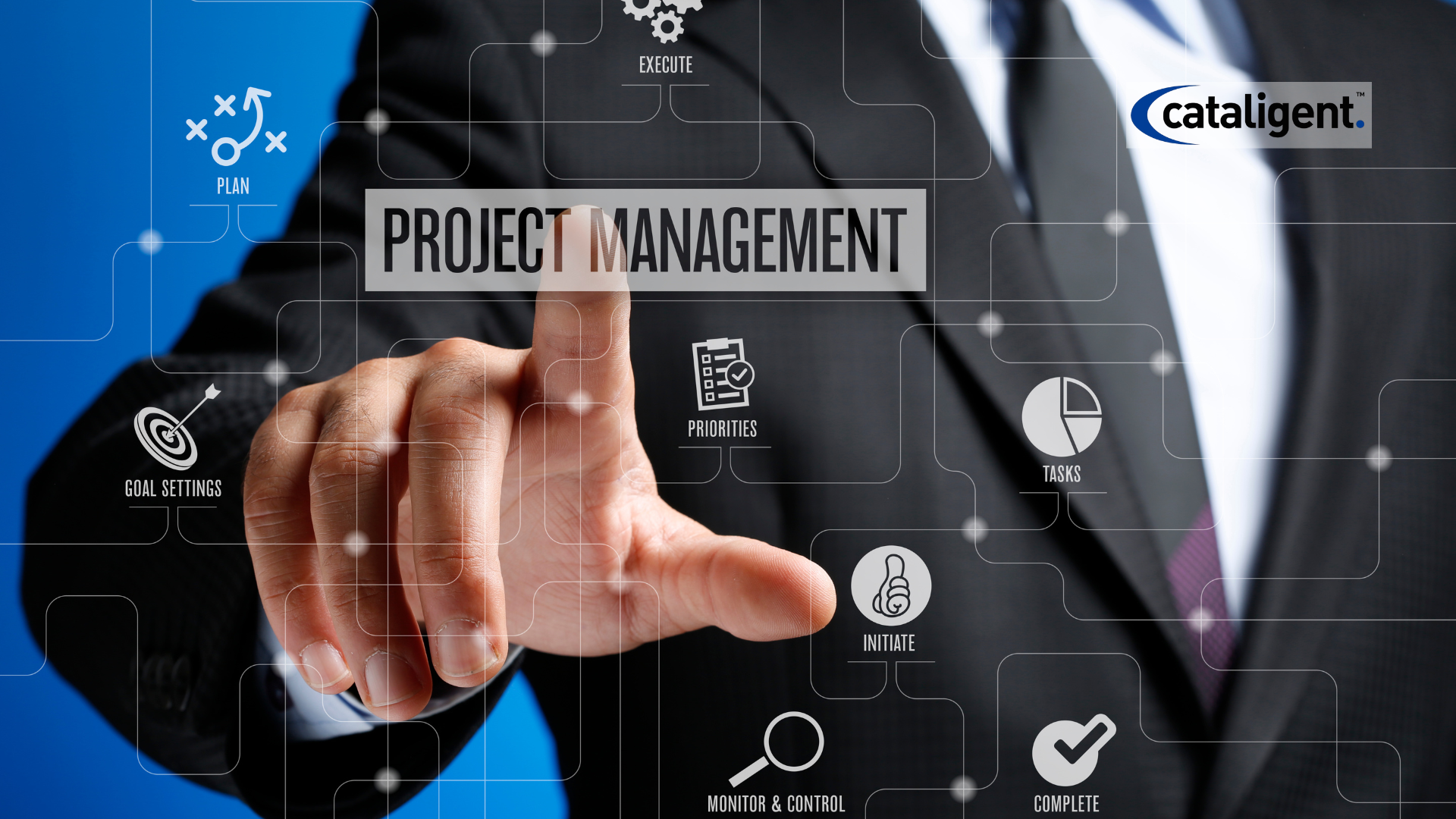
  • Digital Project Management and Collaboration Tools: Driving Transformation and Cost Efficiency

    Digital Project Management and Collaboration Tools: Driving Transformation and Cost Efficiency

    Introduction:
    Managing projects in today’s business environment goes far beyond task lists and status updates. Distributed teams, complex workflows, and fast-changing priorities demand tools that enable seamless collaboration, real-time visibility, and efficient execution. Digital Project Management and Collaboration Tools are no longer optional—they are a strategic necessity for reducing costs, improving productivity, and supporting enterprise-wide business transformation. By integrating digital platforms, organizations can break down silos, streamline workflows, and ensure that every project is aligned with strategic objectives.


    What are Digital Project Management and Collaboration Tools?

    Digital project management and collaboration tools are cloud-based platforms and technologies that centralize project planning, execution, and communication. They integrate project tracking, resource management, collaboration, and reporting into a unified system, enabling teams to work more effectively regardless of location.

    Key features include:

    • Real-Time Dashboards: Provide visibility into project status, milestones, and bottlenecks.
    • Collaboration Workspaces: Enable seamless communication, document sharing, and cross-functional teamwork.
    • Automated Reporting: Reduces manual effort by generating progress and performance reports instantly.
    • Integration Capabilities: Connects with ERP, CRM, and other business systems to streamline workflows.

    Why Digital Project Management and Collaboration Tools Matter:

    1. Reduces Operational Costs:
      Automated workflows and reporting cut down on manual tasks, saving time and reducing administrative overhead.
    2. Improves Productivity:
      Teams work faster and smarter with centralized communication, resource visibility, and integrated task management.
    3. Supports Remote and Hybrid Work:
      Collaboration tools ensure that distributed teams remain connected, productive, and aligned, regardless of geography.
    4. Enhances Transparency:
      Executives gain real-time visibility into project progress, enabling quicker decisions and better risk management.
    5. Drives Business Transformation:
      By digitizing project management processes, organizations enhance agility, scalability, and alignment with broader transformation initiatives.

    Focus Areas of Digital Project Management and Collaboration Tools:

    1. Cloud-Based Project Tracking:
      Provides accessibility from anywhere, ensuring real-time updates and visibility into task completion, milestones, and deadlines.
    2. Integrated Collaboration Platforms:
      Combines chat, file sharing, video conferencing, and task assignments into a single hub, reducing silos and improving teamwork.
    3. Automated Workflows and Reporting:
      Eliminates repetitive manual tasks, streamlines approvals, and provides instant analytics on project performance.
    4. Resource and Budget Tracking:
      Monitors resource usage and expenses in real-time, ensuring projects remain within scope and cost limits.
    5. Analytics and Predictive Insights:
      Advanced analytics identify bottlenecks, forecast project risks, and provide actionable insights for improving efficiency and delivery.

    Impact and Benefits:

    • Cost Efficiency: Reduced manual effort, optimized workflows, and fewer delays lower overall project costs.
    • Increased Productivity: Centralized tools streamline communication and resource allocation, boosting team performance.
    • Stronger Collaboration: Teams work more cohesively, improving project outcomes and stakeholder satisfaction.
    • Strategic Visibility: Leaders gain clarity on how projects contribute to organizational goals, supporting better decisions.
    • Supports Transformation: Digital project management aligns seamlessly with business transformation, enabling agility and scalability.

    How Cataligent Can Help:

    Cataligent combines its consulting expertise with the CAT4 platform to empower organizations with Digital Project Management and Collaboration solutions:

    1. Platform Assessment and Integration: Cataligent evaluates current project processes and integrates the right digital tools tailored to organizational needs.
    2. Collaboration Enablement: Cataligent sets up centralized platforms for seamless team communication, knowledge sharing, and real-time collaboration.
    3. Automation and Workflow Optimization: Through CAT4, Cataligent automates repetitive tasks, approval cycles, and reporting, reducing operational overhead.
    4. Resource and Budget Monitoring: Provides organizations with real-time dashboards to track resources, budgets, and project performance.
    5. Alignment with Transformation Goals: Cataligent ensures that digital project management initiatives directly support broader business transformation and cost-saving strategies.

    Conclusion:

    Digital Project Management and Collaboration Tools are more than just software—they are strategic enablers of transformation. By streamlining workflows, reducing costs, and fostering collaboration, these tools empower organizations to execute projects efficiently while aligning them with broader business objectives. Cataligent’s expertise and CAT4 platform provide the right framework, tools, and insights to integrate digital project management into transformation strategies, ensuring long-term efficiency and success.

    Call to Action:
    Transform the way you manage projects, reduce costs, and improve collaboration with Cataligent’s Digital Project Management and Collaboration services. Request a demo today and take the next step toward smarter, more efficient project delivery.

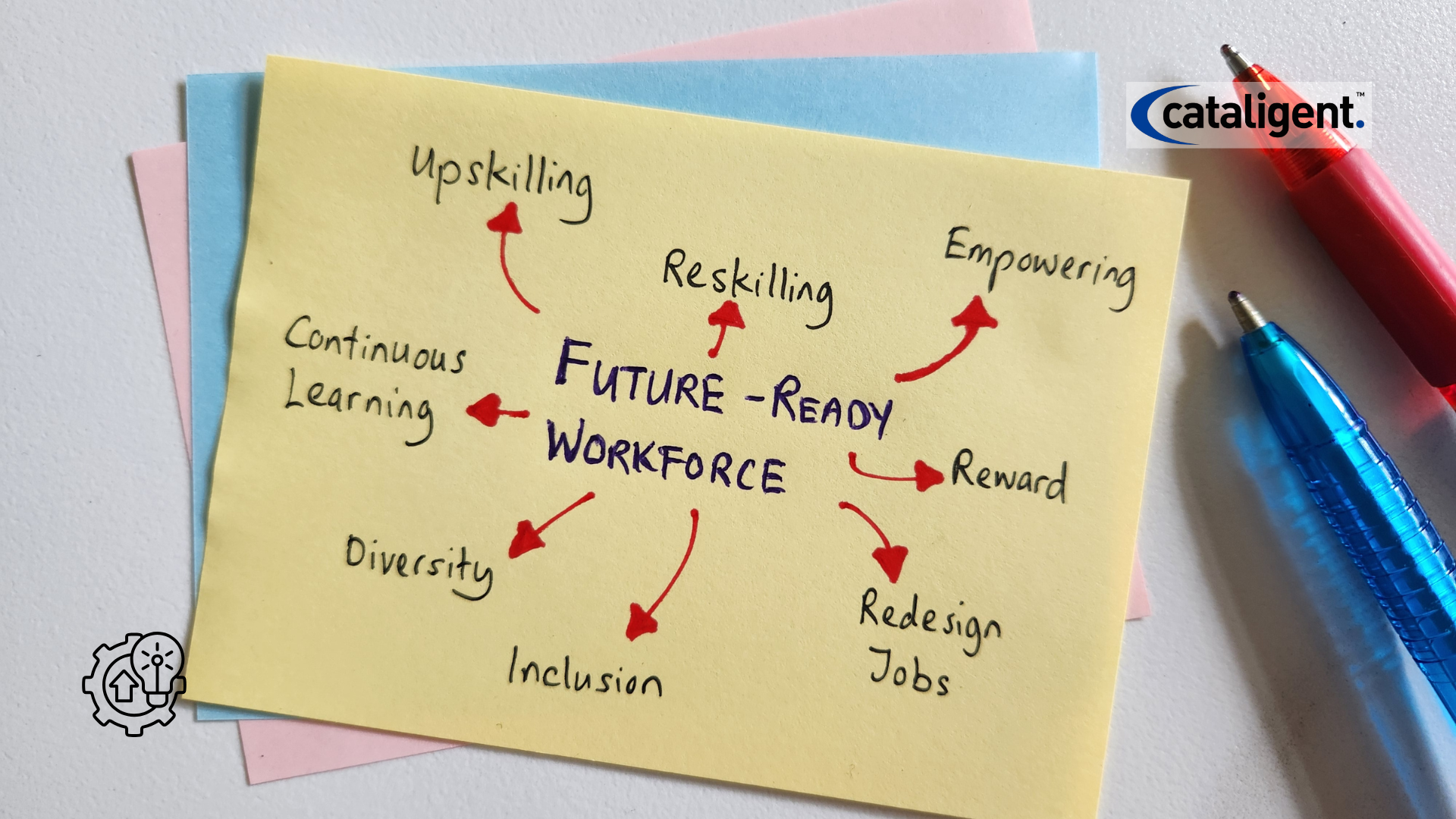
  • Workforce Transformation and Future Skills Advisory: Preparing Organizations for Tomorrow

    Workforce Transformation and Future Skills Advisory: Preparing Organizations for Tomorrow

    Introduction: Organizations today operate in a business landscape shaped by technological advancements, changing workforce expectations, and market volatility. Workforce transformation and future skills advisory provides a structured approach to prepare employees for these shifts, ensuring that organizations maintain competitiveness, agility, and the ability to innovate. This type of consulting focuses on equipping employees with the skills, tools, and mindset necessary to support digital transformation, optimize performance, and contribute to sustainable business growth.

    What is Workforce Transformation and Future Skills Advisory? Workforce transformation involves reimagining how organizations deploy, develop, and manage talent to meet both current and future business demands. Future skills advisory identifies critical emerging skills required across industries and provides strategies for reskilling, upskilling, and workforce redeployment. This process ensures that employees are not only capable of leveraging new technologies and digital tools but are also aligned with the organization’s strategic transformation initiatives. It is a proactive, comprehensive approach that integrates workforce planning with business strategy.

    Why Workforce Transformation is Essential:

    1. Adapting to Technological Change: Automation, artificial intelligence, and digital workflows are reshaping roles and responsibilities. Organizations must identify which roles are evolving and which new skills are required. Advisory services guide businesses in reskilling employees and creating flexible career pathways, ensuring workforce readiness for emerging technologies.
    2. Closing Skill Gaps: Rapid changes in business processes and technology often leave skill gaps. Workforce advisory identifies these gaps, evaluates their impact on operational efficiency, and implements targeted programs to ensure employees possess the skills required for current and future roles, reducing risk and improving productivity.
    3. Enhancing Employee Engagement and Retention: Investing in employees’ development increases engagement, motivation, and retention. Clear growth pathways and skill enhancement opportunities contribute to higher satisfaction levels, stronger loyalty, and reduced turnover, which are critical for business continuity.
    4. Supporting Remote and Hybrid Work Models: Modern work environments demand flexibility. Advisory services provide frameworks and strategies to maintain productivity, collaboration, and communication in remote and hybrid setups. This includes digital tool adoption, virtual collaboration practices, and performance management systems.
    5. Driving Organizational Agility: A workforce equipped with future-ready skills can adapt to sudden market changes, embrace new tools and technologies, and execute business transformation initiatives more effectively. Agility enables organizations to respond proactively rather than reactively, positioning them for long-term success.
    6. Aligning Workforce with Business Transformation: Workforce transformation is integral to overall business transformation. Advisory services ensure that human capital strategies align with technology adoption, process optimization, and strategic growth initiatives, creating a cohesive transformation approach that maximizes organizational impact.

    Focus Areas in Workforce Transformation and Future Skills Advisory:

    • Skill Gap Analysis: Assessing current capabilities against future organizational needs.
    • Training and Upskilling Programs: Delivering tailored learning initiatives to equip employees with essential technical and soft skills.
    • Digital Adoption Strategies: Facilitating smooth integration of digital tools and technologies into daily workflows.
    • Remote Work Enablement: Creating guidelines, tools, and processes that ensure productivity, engagement, and performance in flexible work arrangements.
    • Workforce Agility and Role Redesign: Reimagining job roles, responsibilities, and team structures to meet evolving business priorities and transformation goals.

    Key Benefits of Workforce Transformation and Future Skills Advisory:

    • Future-Ready Workforce: Employees gain the skills and capabilities required for evolving business and technology landscapes.
    • Increased Agility: Organizations can quickly adapt to market changes, technological advancements, and new business priorities.
    • Enhanced Employee Engagement: Development programs and clear career pathways increase motivation, loyalty, and retention.
    • Operational Efficiency: Skill optimization and digital adoption streamline workflows and improve productivity.
    • Alignment with Business Transformation: A skilled and agile workforce ensures that strategic initiatives are executed effectively, supporting enterprise-wide transformation and growth.

    How Cataligent Supports Workforce Transformation: Cataligent’s consulting services and CAT4 platform empower organizations to implement workforce transformation initiatives efficiently:

    1. Comprehensive Skill Assessment: Cataligent evaluates employee capabilities, identifies gaps, and aligns skill development with strategic business transformation goals.
    2. Tailored Training Programs: Cataligent delivers reskilling and upskilling programs designed to address organization-specific skill requirements and future needs, ensuring practical and measurable outcomes.
    3. Digital Adoption Support: Cataligent facilitates smooth adoption of digital tools and technologies, enabling employees to work efficiently and adapt to new processes.
    4. Remote Work Enablement: Cataligent provides strategies, frameworks, and digital solutions to maintain productivity, collaboration, and engagement in remote and hybrid environments.
    5. Strategic Workforce Planning: Cataligent helps organizations redesign roles, manage talent pipelines, and create agile workforce structures that support broader business transformation and long-term competitiveness.

    Conclusion: Workforce transformation and future skills advisory is essential for organizations navigating rapid technological and market shifts. Preparing employees with the right skills, tools, and frameworks ensures resilience, agility, and alignment with strategic business transformation objectives. Cataligent’s consulting services and CAT4 platform provide the guidance, tools, and insights needed to implement comprehensive workforce transformation programs that empower employees and drive sustainable organizational growth.

    Build a future-ready, agile workforce with Cataligent’s Workforce Transformation and Future Skills Advisory. Request a demo today and enable your organization to thrive in the evolving business landscape.

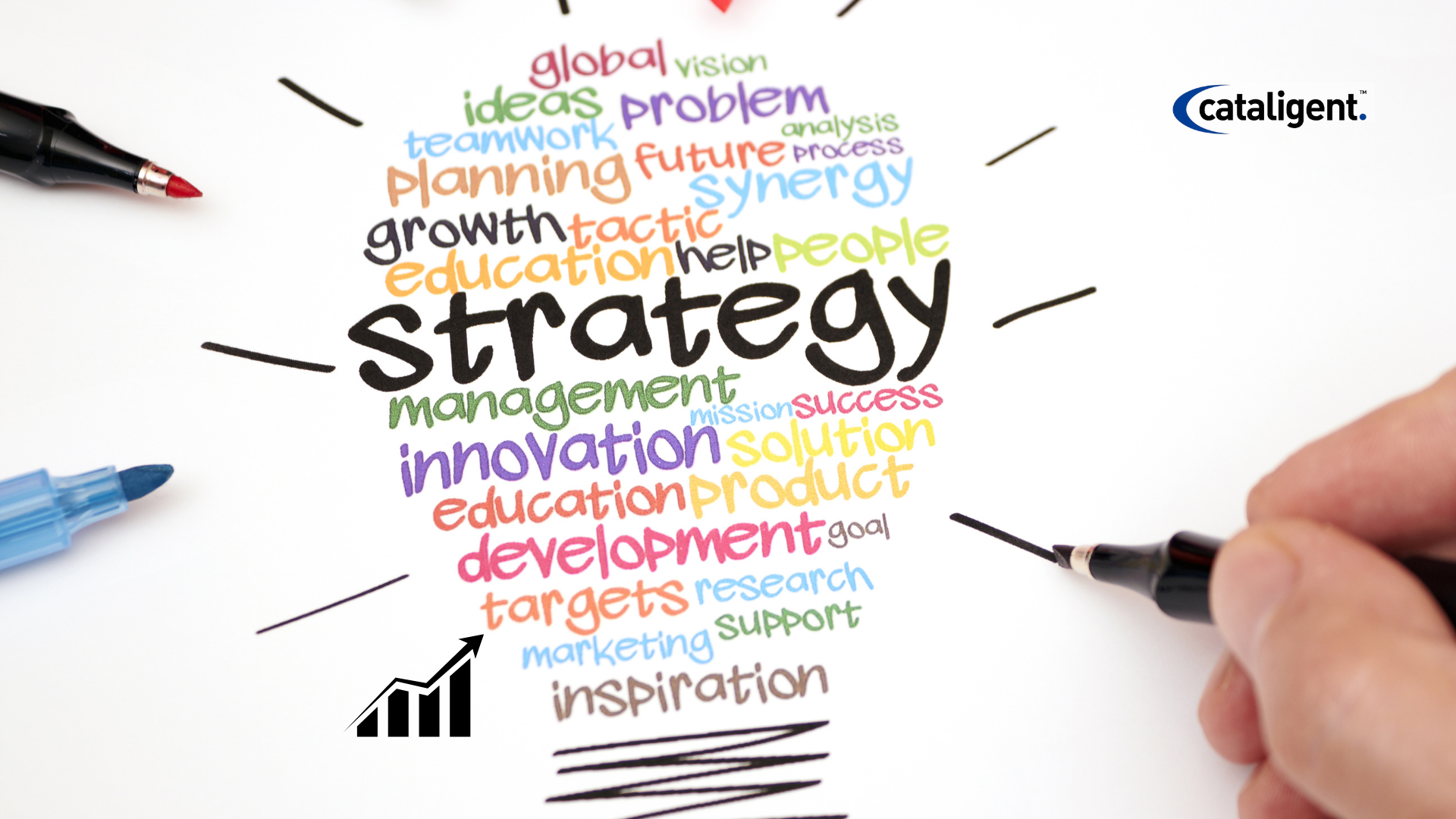
  • Innovation and Product Strategy Consulting: Driving Growth in Competitive Markets

    Innovation and Product Strategy Consulting: Driving Growth in Competitive Markets

    Introduction: Competitive markets reward organizations that can transform ideas into actionable business outcomes. Innovation and product strategy consulting enables companies to bridge the gap between creative ideas and market success, ensuring that every initiative aligns with broader business objectives and transformation goals. By integrating structured strategies, market insights, and operational excellence, businesses can achieve sustainable growth and maintain a competitive edge.

    What is Innovation and Product Strategy Consulting? Innovation and product strategy consulting guides organizations through the full lifecycle of product and service development—from ideation to commercialization. Consultants work with businesses to align innovation initiatives with strategic objectives, optimize portfolios, and establish repeatable processes that foster creativity and efficiency. This approach ensures that every new product or service contributes meaningfully to business transformation and long-term value creation.

    Why Innovation and Product Strategy is Essential:

    1. Staying Ahead in Fast-Changing Markets: Markets are continually evolving due to technological advancements, shifting customer preferences, and competitive pressures. Innovation consulting provides organizations with tools and methodologies to anticipate trends, develop relevant products, and respond quickly to market shifts. This proactive approach ensures businesses remain agile and resilient while driving transformation through new revenue streams.
    2. Structured Ideation and Validation: Generating ideas is easy; validating their feasibility and market potential is challenging. Innovation consulting offers structured frameworks for idea evaluation, market research, and feasibility studies. This systematic approach helps organizations prioritize initiatives that align with strategic objectives, reduce the risk of failed launches, and accelerate the development of high-impact products.
    3. Strategic Roadmap Development: Ideas require a clear execution plan to succeed. Consulting services develop comprehensive product roadmaps that outline development phases, resource allocation, timelines, and key performance indicators. This ensures that initiatives are executed efficiently, resources are optimized, and projects align with overarching business transformation goals.
    4. Optimizing Product Portfolios: Managing multiple initiatives can be complex and resource-intensive. Consultants help organizations evaluate the performance of their product portfolios, balance high-potential projects with existing offerings, and retire underperforming products. Portfolio optimization enables businesses to focus on initiatives that maximize growth, reduce risk, and support strategic transformation.
    5. Fostering an Innovation Culture: Sustainable innovation requires an organizational culture that encourages creativity, experimentation, and collaboration. Consultants guide leadership in embedding processes, incentives, and governance structures that promote idea generation and cross-functional teamwork. This cultural foundation supports continuous improvement and long-term transformation objectives.

    Focus Areas in Innovation and Product Strategy Consulting:

    • Market Research: Understanding customer needs, identifying gaps, and analyzing competitor strategies to inform product development and positioning.
    • Product Lifecycle Management: Efficiently managing products from ideation to retirement to maximize value and support operational efficiency.
    • Go-to-Market Strategy: Planning product launches, positioning, pricing, and distribution to ensure maximum market impact and revenue generation.
    • Innovation Culture: Building systems and incentives that foster creativity, collaboration, and risk-taking within the organization.
    • Portfolio Optimization: Evaluating and balancing multiple initiatives to ensure strategic alignment, resource efficiency, and sustainable growth.

    Key Benefits of Innovation and Product Strategy Consulting:

    • Accelerated Product Development: Structured methodologies reduce time-to-market and enhance execution efficiency.
    • Reduced Market Risks: Validation frameworks and strategic planning minimize the likelihood of failed initiatives and resource waste.
    • Revenue Growth: Optimized portfolios and high-potential products drive profitability and market share expansion.
    • Enhanced Customer Satisfaction: Products aligned with market needs increase loyalty, engagement, and overall customer experience.
    • Sustainable Innovation: A culture of continuous creativity and experimentation ensures long-term competitive advantage and supports enterprise-wide transformation.
    • Business Transformation Enablement: Innovation initiatives directly contribute to broader business transformation objectives, aligning technology, processes, and market strategy for holistic growth.

    How Cataligent Supports Innovation and Product Strategy: Cataligent’s consulting services and CAT4 platform empower organizations to implement innovation strategies that drive business transformation:

    1. Idea Evaluation and Prioritization: Cataligent assesses market feasibility, strategic alignment, and potential ROI for proposed initiatives. This ensures that high-value ideas are prioritized and resources are allocated effectively.
    2. Market Insights and Research: Cataligent conducts comprehensive market analysis, competitor benchmarking, and customer research. These insights guide product development, positioning, and strategy, ensuring products meet market demands and support transformation objectives.
    3. Strategic Roadmap Creation: Using CAT4, Cataligent helps organizations develop detailed roadmaps that align development timelines, resources, and objectives. This structured planning ensures efficient execution and measurable impact.
    4. Portfolio Management: Cataligent evaluates existing and proposed products to optimize portfolios, allocate resources strategically, and balance risk and reward across initiatives, driving overall business growth.
    5. Embedding Innovation Culture: Cataligent guides organizations in implementing governance, processes, and incentive structures that promote continuous ideation, collaboration, and innovation, fostering a culture aligned with business transformation.

    Conclusion: Innovation and product strategy consulting is a strategic imperative for organizations aiming to thrive in competitive markets. By integrating structured processes, market insights, and cultural enablement, businesses can transform ideas into impactful products and services that support enterprise-wide business transformation. Cataligent’s consulting services and CAT4 platform provide the tools, guidance, and frameworks necessary to accelerate innovation, optimize portfolios, and achieve sustainable growth.

    Drive your organization’s transformation through innovation with Cataligent’s Innovation and Product Strategy Consulting. Request a demo today and turn ideas into market-winning products and sustainable growth.