Month: September 2025

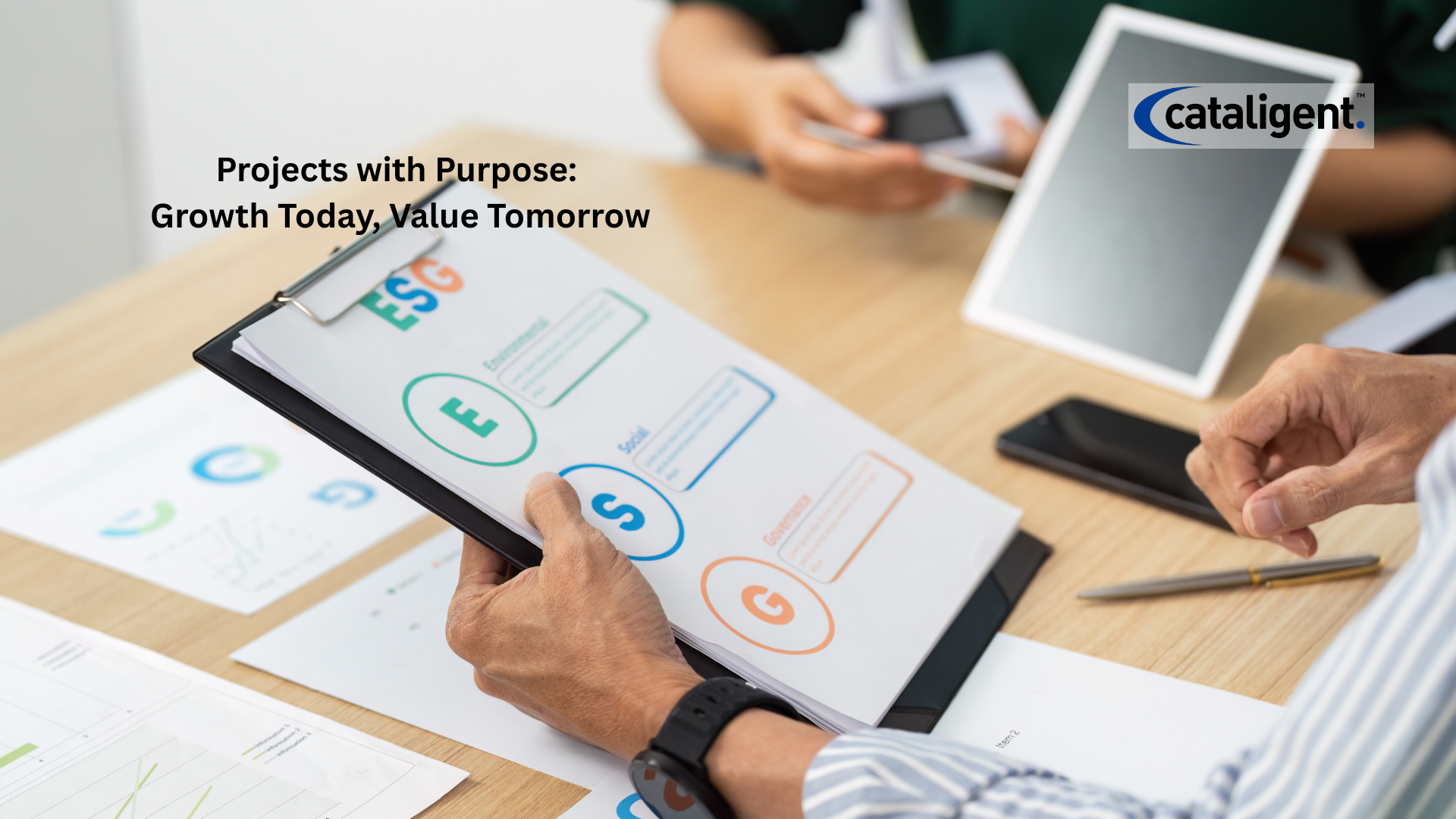
  • Sustainable Project Management: Embedding ESG and Long-Term Value into Projects

    Sustainable Project Management: Embedding ESG and Long-Term Value into Projects

    Businesses today are expected to deliver more than just timelines and budgets—they must create projects that generate positive long-term impacts for the environment, society, and corporate governance. Sustainable project management integrates Environmental, Social, and Governance (ESG) principles into every phase of a project, ensuring that organizations operate responsibly while maximizing value. This approach not only enhances business reputation but also drives operational efficiency and long-term growth.


    Why Sustainable Project Management Matters

    Sustainable project management addresses the increasing demand from stakeholders for accountability and responsible practices. Projects that ignore ESG factors risk regulatory penalties, public backlash, and loss of investor confidence. By embedding sustainability, organizations can:

    • Enhance brand reputation: Projects that minimize negative impacts and promote responsible practices strengthen the company’s credibility with customers, investors, and partners.
    • Ensure regulatory compliance: ESG-aligned projects reduce the risk of violations and streamline adherence to national and international standards.
    • Support long-term financial performance: Sustainable practices, such as energy-efficient solutions or waste reduction, often lower operational costs and enhance ROI.
    • Foster stakeholder trust: Transparent and ethical project execution builds confidence among employees, communities, and business partners.

    By addressing these aspects, organizations can ensure their projects contribute both to business success and social responsibility.


    Key Principles of Sustainable Project Management

    1. ESG Integration in Project Planning

    Projects must embed ESG considerations from inception. This involves:

    • Conducting a comprehensive assessment of environmental impacts, such as energy use, emissions, and resource consumption.
    • Evaluating social implications, including labor practices, community impact, and diversity and inclusion policies.
    • Reviewing governance factors to ensure ethical practices, transparency, and compliance with corporate policies.

    Integrating these factors in planning ensures sustainability becomes a guiding principle rather than a reactive addition.


    2. Lifecycle Impact Assessment

    Sustainability is most effective when considered throughout a project’s lifecycle. Practices include:

    • Performing environmental and social impact assessments for every stage, from design to decommissioning.
    • Identifying opportunities to reduce energy consumption, material waste, and negative social outcomes.
    • Continuously monitoring ESG metrics to adjust strategies as necessary.

    A lifecycle perspective ensures that sustainable practices are maintained consistently and measurable improvements are achieved.


    3. Stakeholder Engagement and Collaboration

    Effective sustainable project management relies on early and continuous stakeholder involvement:

    • Engaging stakeholders during planning to align objectives with ESG priorities.
    • Providing transparent updates on sustainability goals and progress.
    • Collaborating on problem-solving to address challenges and innovate for sustainable solutions.

    This collaborative approach ensures projects deliver value that resonates with both internal and external stakeholders.


    4. Resource Efficiency and Green Practices

    Optimizing resources is a core element of sustainability. Teams implement strategies such as:

    • Using renewable energy, eco-friendly materials, and low-impact technologies.
    • Applying lean project management techniques to minimize waste.
    • Encouraging remote collaboration to reduce travel-related emissions.

    Resource efficiency not only decreases costs but also enhances environmental responsibility.


    5. Continuous Monitoring and Reporting

    Tracking sustainability metrics ensures accountability and informs improvements:

    • ESG dashboards provide real-time insights into environmental footprint, social impact, and governance compliance.
    • Automated reporting facilitates regulatory adherence and stakeholder transparency.
    • Continuous analysis identifies areas for improvement, enabling teams to enhance sustainability performance over time.

    Regular monitoring transforms ESG goals from abstract objectives into actionable, measurable outcomes.


    Business Benefits of Sustainable Project Management

    Organizations that adopt sustainable project management gain multiple advantages:

    • Reduced regulatory and compliance risk: Proactive ESG integration lowers the likelihood of legal issues.
    • Enhanced stakeholder confidence and brand value: Demonstrated responsibility strengthens relationships and trust.
    • Operational efficiencies: Efficient resource use and waste reduction improve overall project performance.
    • Long-term financial gains: Sustainable projects often result in cost savings and better alignment with strategic goals.
    • Innovation opportunities: Sustainability challenges drive creative solutions and technology adoption.

    These benefits make sustainable project management a strategic differentiator in competitive markets.


    Implementing Sustainable Project Management

    1. Embed ESG into Governance Structures

    Integrate sustainability goals into project charters, KPIs, and oversight committees to ensure accountability at all levels.

    2. Leverage Technology for Sustainability Tracking

    Use analytics platforms and dashboards to monitor ESG performance alongside traditional project metrics, providing actionable insights.

    3. Train Teams on ESG Best Practices

    Equip project managers and team members with knowledge of sustainable methodologies, reporting standards, and ethical decision-making to enhance performance.

    4. Foster a Culture of Responsibility

    Encourage employees to adopt practices that reduce negative impacts and support long-term value creation, embedding sustainability into organizational DNA.

    5. Partner with Experts

    Collaborate with specialized partners like Cataligent, whose experience and tools accelerate adoption and ensure effective implementation of sustainable practices.


    How Cataligent Supports Sustainable Project Management

    Cataligent empowers organizations to embed sustainability into project management using the CAT4 platform and consulting services. Their support includes:

    • ESG-aligned project frameworks: Tailored structures to incorporate environmental, social, and governance considerations.
    • Monitoring and analytics dashboards: Track sustainability metrics alongside project performance in real time.
    • Resource optimization tools: Reduce waste, energy consumption, and operational costs.
    • Training and change management: Equip teams with skills and knowledge to implement sustainable practices effectively.
    • Strategic consulting: Align projects with long-term business objectives and regulatory requirements.

    With Cataligent, businesses can deliver projects that meet operational goals while maximizing positive environmental and social impact.


    Final Thoughts

    Sustainable project management ensures that organizations do more than complete tasks—they create projects that are responsible, efficient, and future-focused. By integrating ESG principles, monitoring impact, and leveraging expert support, businesses can achieve measurable benefits for stakeholders and society.

    Cataligent provides the tools, frameworks, and guidance necessary to implement sustainable project management effectively. Through their expertise, organizations can ensure projects not only succeed operationally but also contribute to long-term value and responsible growth.


  • Data-Driven Project Management: Leveraging Analytics for Smarter Decisions

    Data-Driven Project Management: Leveraging Analytics for Smarter Decisions

    Successful projects are no longer measured by completing tasks on time alone. Businesses today face complex environments where evolving market dynamics, distributed teams, and increased stakeholder scrutiny demand more than traditional project management. To stay competitive, organizations must transform how they approach project planning, monitoring, and execution. This is where data-driven project management comes into play.

    Data-driven project management harnesses analytics, AI, and intelligent dashboards to ensure every decision is guided by evidence, not guesswork. It shifts project management from reactive oversight to proactive, insight-driven leadership that minimizes risks, optimizes resources, and ensures measurable business value.


    Why Data-Driven Project Management is Essential

    Traditional project management often relies on intuition, historical assumptions, or incomplete information. In today’s fast-paced environment, that leads to overruns, missed milestones, and wasted resources. Data-driven project management changes the game by:

    • Increasing transparency: Stakeholders gain real-time visibility into project health, resource allocation, and risks.
    • Improving accuracy: Predictive analytics identifies bottlenecks and delays before they materialize.
    • Driving accountability: Data-backed reporting ensures decisions are traceable and measurable.
    • Aligning strategy and execution: Projects consistently reflect evolving business objectives and customer needs.

    Instead of firefighting, leaders can focus on guiding projects strategically and confidently.


    Key Pillars of Data-Driven Project Management

    1. Real-Time Project Visibility

    Data-driven project management empowers teams with dashboards that provide live updates on budgets, timelines, and deliverables. This visibility ensures:

    • Early detection of deviations from plans.
    • Transparent communication with stakeholders.
    • Informed decision-making at every stage.

    2. Predictive Analytics for Risk Mitigation

    Static risk registers fail to capture today’s dynamic environment. With predictive analytics, organizations can:

    • Model potential scenarios based on historical and current data.
    • Anticipate disruptions before they escalate.
    • Implement proactive mitigation strategies.

    By shifting from reactive to predictive, project leaders safeguard investments and reduce costly surprises.


    3. Resource Optimization

    Project success depends on smart allocation of people, tools, and capital. Analytics-driven management enables:

    • Identification of underutilized or overextended resources.
    • Balancing workloads across teams.
    • Reducing overhead costs while maximizing productivity.

    Optimized resource allocation ensures efficiency without burnout or bottlenecks.


    4. Enhanced Collaboration

    With distributed and hybrid teams, collaboration often becomes fragmented. Data-driven project management platforms provide a single source of truth, ensuring:

    • Cross-functional alignment.
    • Seamless knowledge sharing.
    • Faster resolution of issues.

    When all teams work from the same accurate data, execution becomes smoother and more cohesive.


    5. Continuous Improvement Through Data Feedback

    Every project generates valuable data, from task completion times to budget performance. When analyzed:

    • Lessons are applied to future initiatives.
    • Processes evolve based on evidence, not assumptions.
    • Organizations build resilience through ongoing learning.

    Continuous feedback turns project management into a growth engine, not just an administrative function.


    Business Benefits of Data-Driven Project Management

    Organizations that adopt data-driven practices experience:

    • Reduced costs: Resources are allocated with precision, cutting waste.
    • Faster delivery: Predictive planning ensures timelines remain realistic and adaptable.
    • Better stakeholder trust: Transparent, data-backed updates strengthen confidence.
    • Higher ROI: Projects consistently deliver outcomes aligned with strategic goals.
    • Stronger resilience: Businesses are prepared for uncertainty and rapid change.

    Implementing Data-Driven Project Management

    1. Build a Data-Centric Culture

    Data-driven transformation starts with mindset. Teams must embrace transparency, evidence-based decision-making, and accountability.

    2. Invest in the Right Tools

    Analytics platforms, AI forecasting solutions, and automated dashboards are critical enablers. Without them, data remains underutilized.

    3. Train and Upskill Teams

    Data literacy is no longer optional. Teams must understand how to interpret metrics, identify patterns, and act on insights.

    4. Integrate Analytics into Every Stage

    From project initiation to post-implementation reviews, data must inform each step of the lifecycle.

    5. Partner with Experts

    Adopting a new approach requires experience. This is where Cataligent’s expertise ensures success.


    How Cataligent Powers Data-Driven Project Management

    Cataligentenables organizations to move beyond traditional management and embrace analytics-first project delivery. Their specialized CAT4 platform offers:

    • Unified Dashboards: Real-time visibility into project performance, budgets, and risks.
    • AI-Powered Forecasting: Anticipates delays and resource challenges before they occur.
    • Automated Reporting: Reduces administrative workload while increasing transparency.
    • Custom Frameworks: Tailors data-driven approaches for each organization’s unique needs.
    • Process Automation: Frees teams from repetitive tasks so they can focus on strategic outcomes.

    With Cataligent’s consulting and technology services, businesses not only improve project performance but also transform management practices into a true driver of growth and resilience.


    Final Thoughts

    Data-driven project management is no longer optional—it is the foundation of modern business execution. Organizations that leverage analytics for smarter decisions achieve greater efficiency, stronger resilience, and higher returns on investment. They move from reactive oversight to proactive leadership, ensuring every project contributes meaningfully to long-term goals.

    Cataligent stands at the forefront of this transformation, equipping businesses with the tools, expertise, and adaptive strategies they need to succeed. By integrating data and analytics into the core of project management, Cataligent helps organizations turn complexity into clarity, and challenges into opportunities for sustainable growth.

  • Adaptive Project Management in the Era of Continuous Change

    Adaptive Project Management in the Era of Continuous Change

    Change has become the defining constant of modern business. Markets shift overnight, customer demands evolve unpredictably, and disruptive technologies reshape industries at record speed. In this environment, traditional project management—with rigid timelines, fixed methodologies, and limited flexibility—often falls short. What organizations need is adaptive project management: a dynamic approach that blends agility, predictive planning, and continuous learning to deliver consistent value no matter how unpredictable the environment becomes.

    This article explores how adaptive project management works, why it’s crucial for business success, and how Cataligent helps organizations build resilient project management practices that thrive in a world of continuous change.


    Why Adaptive Project Management Matters

    Studies show that nearly 70% of projects fail to meet their objectives due to insufficient adaptability. Relying solely on traditional models leads to stalled initiatives, ballooning costs, and unmet stakeholder expectations. Adaptive project management addresses these challenges by:

    • Embracing flexibility: Allowing teams to pivot strategies in response to new realities.
    • Balancing structure with agility: Integrating agile principles with predictive frameworks to reduce uncertainty.
    • Delivering resilience: Building processes that can absorb disruptions without losing focus on business outcomes.
    • Maximizing continuous value: Prioritizing business impact over rigid deliverables.

    The goal is not just project completion—it’s ensuring sustainable success even in volatile conditions.


    Core Principles of Adaptive Project Management

    1. Flexibility in Methodologies

    Adaptive project management avoids the trap of a one-size-fits-all model. Instead, it blends methodologies:

    • Software initiatives may leverage agile sprints for rapid delivery.
    • Infrastructure or construction projects may use predictive scheduling while integrating agile practices for stakeholder communication.

    This tailored approach ensures every project receives the framework it needs to succeed.


    2. Real-Time Decision-Making

    When conditions change, delays in decision-making can derail progress. Adaptive project management relies on real-time dashboards, AI-driven analytics, and automated reporting to:

    • Identify risks early.
    • Redirect resources instantly.
    • Adjust budgets dynamically.

    By shortening decision cycles, organizations remain aligned with business objectives even as challenges arise.


    3. Continuous Learning and Feedback Loops

    Adaptive project management treats every project as a source of learning. Teams embed retrospectives, capture lessons, and incorporate stakeholder feedback into ongoing work. This ensures:

    • Improved quality in subsequent phases.
    • Faster resolution of recurring issues.
    • Evolution of best practices across the organization.

    Instead of viewing projects as isolated efforts, businesses build a culture of continuous improvement.


    4. Resilient Risk Management

    Static risk registers no longer suffice. Adaptive project management embeds risk monitoring throughout the lifecycle. Using predictive analytics and scenario modeling, businesses can:

    • Anticipate disruptions before they escalate.
    • Update mitigation strategies in real time.
    • Ensure business continuity even in crisis conditions.

    This resilience allows teams to move confidently through uncertainty.


    5. Stakeholder-Centric Approach

    Stakeholders demand visibility and value, not just final deliverables. Adaptive project management emphasizes:

    • Regular updates through digital collaboration platforms.
    • Transparent reporting on risks and pivots.
    • Involving stakeholders in co-creation of solutions.

    The result is stronger trust, reduced conflict, and greater alignment between business objectives and project outcomes.


    6. Technology-Enabled Adaptability

    Digital tools are the backbone of adaptive project management. With modern platforms, organizations can:

    • Use AI-powered forecasting tools to predict delays and recommend corrective measures.
    • Deploy cloud-based collaboration systems to keep global teams connected.
    • Automate workflows to free teams from repetitive administrative tasks.

    Technology not only increases efficiency but also makes adaptability scalable across large, complex organizations.


    Benefits of Adaptive Project Management for Businesses

    Implementing adaptive project management brings tangible benefits:

    • Higher agility: Projects pivot quickly without losing direction.
    • Reduced risks: Continuous monitoring minimizes costly failures.
    • Resource efficiency: Dynamic allocation ensures time and money are spent effectively.
    • Stakeholder trust: Transparent engagement drives stronger relationships.
    • Sustained value delivery: Projects align with evolving corporate strategy.

    For organizations under pressure to deliver more with less, these benefits make adaptive project management a critical enabler of success.


    How Businesses Can Implement Adaptive Project Management

    1. Drive Cultural Change

    Adaptive practices require teams to value experimentation, embrace learning, and share accountability. Culture must shift from risk-avoidance to resilience.

    2. Build Hybrid Frameworks

    Organizations should combine agile and predictive methods to tailor approaches for each project rather than enforcing rigid structures.

    3. Leverage Modern Tools

    Digital platforms for analytics, automation, and collaboration should be at the heart of adaptive project management.

    4. Upskill Project Teams

    Teams need training in multiple methodologies, risk analysis, and data interpretation to thrive under adaptive models.

    5. Engage Expert Partners

    External expertise accelerates adoption. This is where Cataligent’s specialized services provide critical value.


    How Cataligent Empowers Adaptive Project Management

    Cataligent offers project management services designed to help businesses transform uncertainty into opportunity. Their solutions combine consulting, technology, and automation to build adaptive frameworks that fit each organization’s unique needs. Through their CAT4 platform, Cataligent enables:

    • Real-time project visibility: Unified dashboards for monitoring performance, risks, and costs.
    • Analytics-driven decision-making: AI-powered insights to optimize resource allocation and forecasting.
    • Hybrid framework design: Tailored project structures that combine agile speed with predictive reliability.
    • Process automation: Streamlined workflows that reduce administrative burden and improve delivery efficiency.
    • Change management support: Guidance to foster cultural adaptability and stakeholder alignment.

    By integrating these capabilities, Cataligent helps organizations not just deliver projects—but deliver them with resilience, transparency, and measurable business impact.


    Final Thoughts

    In a world where disruption is constant, adaptive project management is the difference between stalled initiatives and sustained growth. Businesses that embrace flexibility, empower decision-making with data, and engage stakeholders openly will consistently outperform competitors bound by rigid models.

    With Cataligent as a partner, organizations gain access to the tools, expertise, and frameworks needed to transform project management into a driver of resilience and value. Adaptive project management isn’t just a methodology—it’s a survival strategy, and with Cataligent, it becomes a competitive advantage.

  • Consulting for Digital-First Enterprises: Redefining Success in a Technology-Driven Era

    Consulting for Digital-First Enterprises: Redefining Success in a Technology-Driven Era

    Digital transformation is no longer a future aspiration—it is today’s competitive necessity. Enterprises that once relied on traditional models now face an urgent mandate: adopt a digital-first approach or risk losing relevance in a world defined by technology, data, and customer-centric innovation. Digital-first enterprises are not simply using technology as a tool; they are building entire strategies, cultures, and business models around it.

    This shift requires more than adopting software or migrating to the cloud. It demands end-to-end transformation, where technology becomes the backbone of growth, agility, and resilience. Here, consulting for digital-first enterprises plays a pivotal role. It equips businesses with the vision, frameworks, and execution strategies needed to thrive in a technology-driven era.


    Why the Digital-First Shift Matters

    The digital-first shift is not about keeping pace with technology—it’s about leveraging technology as a competitive advantage. The pressure comes from multiple fronts:

    • Customer Expectations: Consumers demand seamless digital experiences, hyper-personalization, and real-time engagement. Businesses that fail to meet these expectations lose loyalty and risk rapid churn.
    • Market Disruption: Entire industries are being reshaped by digital-native players. Think of how fintech disrupted banking or how e-commerce transformed retail.
    • Operational Pressures: Outdated, manual processes and siloed systems drag down efficiency, making it impossible to compete with digital-first competitors that operate at speed and scale.
    • Innovation Imperative: Emerging technologies such as AI, blockchain, and IoT are unlocking entirely new revenue models. Without a digital-first mindset, traditional businesses risk missing these opportunities.

    Without a digital-first strategy, organizations risk inefficiency, customer dissatisfaction, and irrelevance.


    The Core Pillars of Digital-First Consulting

    1. Strategy Redefinition

    Consultants help enterprises rethink their business models and competitive positioning through a digital-first perspective. It’s not about layering technology over old structures but reimagining the business end-to-end.

    For instance, retail businesses are moving beyond transactional selling to create integrated omnichannel ecosystems, where in-store experiences, e-commerce, and mobile apps are all synchronized to deliver seamless customer journeys. Consultants design strategies that align these new digital opportunities with long-term vision.

    2. Technology Enablement

    Digital-first success rests on a robust and scalable technology backbone. Consultants guide businesses in choosing and integrating the right technologies—cloud for scalability, AI for predictive insights, automation for efficiency, and cybersecurity for trust.

    For example, manufacturers adopting IoT-driven smart factories are reducing downtime while increasing output. Consultants ensure such investments are not isolated experiments but part of a larger, future-ready ecosystem.

    3. Data as an Asset

    In digital-first enterprises, data is the new currency. Consulting focuses on modernizing data architectures, enabling real-time analytics, and embedding governance for accuracy and compliance.

    Imagine a telecom company analyzing customer usage patterns in real-time to deliver personalized offers and reduce churn. With consulting, businesses learn how to turn fragmented data into actionable intelligence that drives revenue growth and operational improvements.

    4. Customer-Centric Innovation

    Customers sit at the center of digital-first transformation. Consultants help businesses map customer journeys, identify pain points, and design frictionless experiences.

    This could mean implementing AI-driven personalization engines, launching digital self-service platforms, or even developing immersive AR/VR experiences. The outcome: deeper loyalty, stronger engagement, and higher lifetime value.

    5. Agile Operations

    A digital-first business must operate at speed. Consultants bring in lean, agile, and DevOps methodologies to accelerate delivery and ensure continuous improvement.

    Take the example of a financial services firm rolling out a mobile banking feature in weeks instead of months. Agile consulting ensures that innovation cycles are shorter, risks are reduced, and businesses can adapt instantly to market changes.

    6. Workforce Transformation

    Technology without people is ineffective. Consultants help organizations upskill employees, reshape organizational culture, and align teams to embrace digital-first practices.

    This includes digital literacy programs, leadership coaching, and cultural change initiatives that encourage experimentation. A digitally confident workforce ensures the transformation is sustainable, not superficial.

    7. Governance and Security

    Digital-first transformation cannot come at the cost of trust. Consultants design cybersecurity frameworks, compliance structures, and governance policies that protect businesses and customers alike.

    From GDPR to AI ethics, consultants ensure innovation complies with global standards while building a reputation for responsibility and reliability.


    Why Businesses Need Digital-First Consulting Now

    • Digital Economy Domination: By 2030, industries will be dominated by digital-first leaders, leaving laggards behind.
    • Employee Expectations: The modern workforce demands digital tools, flexible work models, and collaboration platforms.
    • Hyper-Competition: Tech-driven startups move faster and operate leaner, threatening established players.
    • Regulatory Complexity: Digital adoption brings new rules around privacy, security, and ethics.

    Digital-first consulting ensures businesses are not only adapting but excelling in this high-pressure environment.


    How Cataligent Enables Digital-First Success

    Cataligent’s consulting services empower enterprises to embed digital-first DNA across strategy, technology, and culture.

    • Digital Strategy Design: Aligning digital transformation with long-term business goals.
    • Technology Integration: Implementing scalable cloud, AI, and automation frameworks with measurable ROI.
    • Data Modernization: Turning raw data into actionable insights while ensuring security and compliance.
    • Customer Experience Innovation: Crafting seamless and personalized digital-first customer journeys.
    • Agile and Lean Operations: Embedding methodologies that accelerate delivery and adaptability.
    • Workforce Transformation: Driving cultural change, upskilling employees, and fostering digital adoption.
    • Secure Governance: Strengthening cybersecurity, compliance, and ethical innovation.

    Conclusion

    Digital-first enterprises are not just using technology—they are built on technology. But achieving this transformation requires more than tools; it demands strategy, culture, and execution power. With Cataligent as a consulting partner, businesses can confidently redefine success in a technology-driven world.

    The organizations that act now to embed digital-first principles will not only survive disruption but lead the future. Consulting is the catalyst that ensures this transformation is sustainable, profitable, and future-ready.

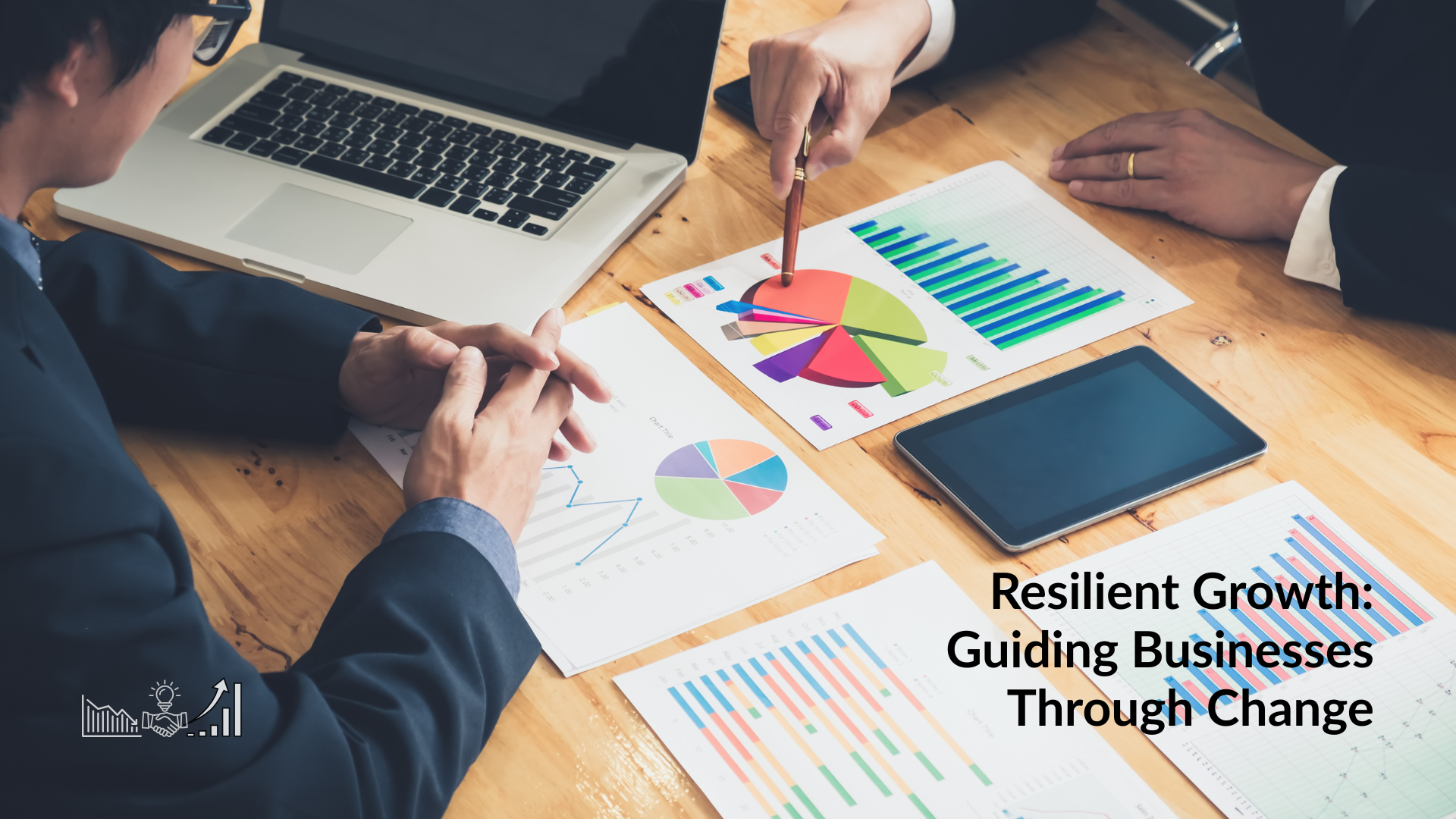
  • Resilient Growth Consulting: Guiding Businesses Through Uncertainty and Transformation

    Resilient Growth Consulting: Guiding Businesses Through Uncertainty and Transformation

    In today’s unpredictable business landscape, resilience has become the cornerstone of long-term growth. Economic slowdowns, global supply chain disruptions, shifting customer expectations, and rapid technological advances have made it clear: businesses can no longer rely solely on traditional growth strategies. Instead, they must build resilience into their DNA—developing the capacity not only to survive uncertainty but to thrive through it.

    This is where Resilient Growth Consulting comes in. It’s not about chasing short-term gains or reacting to crises; it’s about creating adaptive systems, flexible strategies, and transformation frameworks that enable sustained growth even when conditions are volatile. For businesses navigating disruption, consulting firms like Cataligent play a critical role in guiding leaders through this journey.


    Why Resilience Is Critical to Modern Growth

    Growth without resilience is fragile. Organizations that scale rapidly without preparing for shocks often find themselves vulnerable when markets shift. The events of the past few years—pandemics, geopolitical conflicts, economic inflation, and climate-related challenges—have proven that resilience is no longer optional.

    Key reasons why resilience matters:

    • Economic Volatility: Fluctuating demand, recessions, and inflationary pressures can disrupt revenue streams almost overnight. Businesses that don’t build flexibility into their operations risk severe downturns when the economy contracts.
    • Supply Chain Risks: Overdependence on global suppliers has left many organizations exposed. A single disruption—whether caused by natural disasters, political instability, or transportation delays—can halt production and damage brand credibility.
    • Technological Change: Disruption through AI, automation, and digital-first competitors forces companies to evolve continuously. Without adaptable strategies, businesses risk being left behind in fast-moving industries.
    • Customer Expectations: Consumers demand more personalization, transparency, and sustainability than ever. Businesses that fail to evolve with these expectations not only lose loyalty but also face reputational risk.

    Resilient Growth Consulting helps organizations anticipate these challenges, build robust strategies, and transform vulnerabilities into opportunities.


    The Core Dimensions of Resilient Growth Consulting

    1. Strategic Agility

    Resilient growth starts with agile strategy. Traditional five-year plans often fail in volatile conditions because they assume stability. Consultants help businesses design rolling strategies, scenario-based planning models, and adaptive frameworks that can shift focus as markets change.

    For example, an organization might prepare multiple scenarios—such as rapid growth, economic downturn, or disruptive new competitors—and develop action plans for each. This way, leaders don’t panic when circumstances shift; they pivot with confidence.

    2. Financial Flexibility

    Financial resilience ensures that growth is sustainable during both upturns and downturns. Consultants guide organizations toward cash flow optimization, debt management, and diversified revenue models.

    One approach is zero-based budgeting, where every expense must be justified from scratch, preventing bloated costs. At the same time, businesses are encouraged to diversify income streams—for instance, adding subscription-based services or complementary products—to create stability when one revenue line falters.

    3. Operational Resilience

    A business’s ability to maintain continuity despite disruptions is critical. Resilient Growth Consulting involves building redundant supply chains, risk-mitigation protocols, and automation-driven processes that minimize downtime.

    For example, companies that implemented dual sourcing for raw materials were able to maintain operations during global shipping delays. Similarly, AI-driven demand forecasting allows organizations to anticipate fluctuations and respond proactively.

    4. Technology-Enabled Adaptability

    Technology is not just an efficiency tool; it is the backbone of resilience. Consultants ensure that technology investments deliver adaptability. This includes leveraging cloud infrastructure for scalability, AI for predictive insights, and automation for efficiency.

    For instance, a manufacturer adopting IoT-enabled sensors can detect issues before they become breakdowns, reducing downtime while enhancing operational resilience. Cloud systems also allow for remote work and decentralized operations, making businesses less vulnerable to localized disruptions.

    5. Workforce Empowerment

    Employees are not just resources—they are the drivers of resilience. Consultants help organizations design training programs, change management strategies, and cultural frameworks that empower people to embrace transformation.

    For example, companies that invest in upskilling workers on digital tools and cross-functional collaboration not only improve adaptability but also foster innovation. A culture where employees feel secure and engaged is more resilient against high turnover and burnout, especially during crises.

    6. Customer-Centric Transformation

    Businesses can’t achieve resilience if they lose touch with customers. Consultants help map customer journeys, analyze evolving needs, and design personalized, omni-channel, and sustainable experiences.

    For example, during the pandemic, retailers who adopted omnichannel strategies (integrating physical and digital shopping) didn’t just retain customers—they gained market share from less adaptable competitors. A resilient business doesn’t just meet expectations; it anticipates and exceeds them.

    7. Continuous Monitoring and Improvement

    Resilience is not a milestone—it’s a living process. Consultants help businesses install real-time dashboards, resilience KPIs, and feedback loops to continuously measure performance.

    For instance, an organization may track resilience metrics like supply chain lead times, customer satisfaction scores, and cash buffer levels. This allows leadership to spot weak points early and respond before risks escalate.


    Why Businesses Need Resilient Growth Consulting Now

    • Global Uncertainty: From trade wars to climate risks, volatility is constant. Businesses need consulting expertise to navigate complexity.
    • Competitive Pressures: Digital-first disruptors are moving faster than incumbents. Without resilience, established players risk losing relevance.
    • Sustainability Demands: Regulators, investors, and customers demand eco-conscious practices, requiring a resilience-driven transformation.
    • Digital Acceleration: Technology cycles have shortened dramatically. Companies need to modernize continuously, not in phases.

    Resilient Growth Consulting ensures organizations don’t just respond to challenges but convert them into engines of innovation and growth.


    How Cataligent Helps Build Resilient Growth

    Cataligent’s consulting approach moves beyond traditional advice to deliver measurable resilience with tangible results. Here’s how Cataligent supports organizations:

    • Agile Strategy Design: Crafting flexible strategies that adapt to changing scenarios.
    • Financial Optimization: Implementing cost-saving approaches while reinvesting in growth initiatives.
    • Operational Continuity: Building supply chain resilience, digital-first workflows, and crisis-ready plans.
    • Technology Integration: Leveraging AI, automation, and cloud to maximize adaptability.
    • Workforce Development: Empowering employees with training, engagement, and a culture of resilience.
    • Customer-Centric Solutions: Creating innovative, personalized, and sustainable customer journeys.
    • Resilience Measurement: Deploying dashboards and performance frameworks to track progress and accountability.

    Conclusion

    Resilient growth is not about weathering the storm—it’s about learning how to navigate it better than competitors. Businesses that embed resilience into strategy, finance, operations, technology, workforce, and customer engagement not only survive uncertainty but thrive in it.

    With Cataligent as a trusted consulting partner, organizations gain a clear roadmap to resilience—enabling them to turn volatility into opportunity, disruption into innovation, and transformation into sustainable growth.

  • Consulting Beyond Advice: How Modern Consultants Drive Measurable Business Outcomes

    Consulting Beyond Advice: How Modern Consultants Drive Measurable Business Outcomes

    Consulting has traditionally been viewed as a profession of delivering insights, frameworks, and recommendations. For decades, businesses relied on consultants to diagnose problems and prescribe solutions, leaving implementation largely in the hands of internal teams. But today’s fast-paced and disruptive business environment has rendered that old model insufficient. Companies no longer want binders of strategies or static presentations; they demand tangible results, measurable outcomes, and transformation that sticks.

    Modern consulting is evolving into a partnership-driven model where consultants don’t just advise—they co-create, implement, and ensure real impact. This shift is redefining what businesses should expect from consulting engagements and how consulting firms like Cataligent deliver value.


    Why Traditional Consulting Falls Short

    The traditional model of consulting often faced three major challenges:

    1. Lack of Execution Support: Many consultants provided recommendations without walking alongside organizations during implementation. As a result, leaders were left with theoretical strategies but lacked a roadmap for translating them into action. This often caused delays, misaligned priorities, and ultimately a lack of measurable change.
    2. Generic Frameworks: Standardized approaches often ignored the unique realities of a business. For example, applying a global “best practice” to a small or mid-sized company could create unnecessary complexity. Without contextualization, these frameworks failed to deliver adoption or sustainable results.
    3. Limited Measurement: Traditional consulting engagements were often considered successful once a report was delivered or a project ended. There was little follow-through to measure actual ROI in terms of cost savings, efficiency gains, or revenue growth, leaving leaders questioning the true value of consulting.

    In today’s climate—where businesses face digital disruption, market volatility, and pressure to optimize costs—this approach no longer works. What companies need is consulting that goes beyond advice to create real-world results.


    The Rise of Outcome-Focused Consulting

    Modern consulting is shifting from being an advisory service to becoming an outcome-driven partnership. This means consulting firms are embedding themselves deeper into client organizations, aligning success metrics with business goals, and ensuring that transformation efforts generate measurable value.

    Key differences include:

    • From Recommendations to Execution: Consultants now stay engaged throughout the transformation journey. They not only design solutions but also work hands-on to implement them—ensuring adoption, overcoming resistance, and resolving real-time challenges.
    • From One-Size-Fits-All to Customization: Instead of relying on pre-built playbooks, modern consultants analyze the client’s culture, industry, and strategic goals. This ensures recommendations are practical, achievable, and uniquely suited to the client’s situation.
    • From Theory to Measurable ROI: Engagements are designed around KPIs such as revenue uplift, operational efficiency, employee productivity, or customer experience scores. This allows consulting work to be measured by outcomes, not just deliverables.

    This approach makes consulting more hands-on, accountable, and sustainable.


    Core Pillars of Modern Consulting for Measurable Impact

    1. Strategy Aligned with Execution

    In the past, consultants often delivered strategy documents and moved on. Today, modern consultants ensure that strategy and execution are deeply intertwined. A transformation strategy isn’t just about what should be done—it’s about how to make it work in reality.

    For instance, when advising a retailer to expand into digital commerce, modern consulting covers everything: designing the e-commerce platform, integrating digital payments, creating logistics workflows, training staff, and measuring customer adoption. This approach ensures the business achieves not just a digital presence but sustainable revenue growth from it.

    2. Data-Driven Decision Making

    Businesses today have access to more data than ever, but without the right expertise, it remains underutilized. Modern consultants leverage big data, AI, and predictive analytics to guide transformation.

    For example, instead of recommending generic cost-cutting, consultants analyze operational data to identify exact inefficiencies—such as redundant workflows or high-cost suppliers. This allows leaders to make evidence-based decisions that directly impact profitability and efficiency.

    3. Embedding Agility

    Rigid transformation plans often collapse under changing market conditions. Modern consultants champion agility by creating frameworks that adapt as circumstances evolve. Agile approaches allow organizations to deliver results in smaller, iterative steps instead of waiting years for outcomes.

    For instance, a financial services company might test a new AI-powered chatbot with one customer segment before scaling it across all services. This method reduces risks and allows for continuous learning, making the overall transformation more resilient.

    4. Culture and Change Enablement

    No transformation succeeds without people. Modern consulting emphasizes cultural alignment and employee empowerment. Consultants design change management programs that communicate the “why,” address resistance, and equip employees with the tools they need to succeed.

    For example, when introducing automation in HR processes, consultants ensure HR teams are trained, involved in system design, and reassured about how their roles will evolve. This makes employees allies in transformation rather than obstacles.

    5. Technology as an Enabler, Not the Goal

    In the digital era, many organizations rush to adopt new technologies without a clear business case. Modern consultants position technology as a means to an end, not an end in itself. The focus is always on what business problems it solves and what outcomes it delivers.

    For instance, instead of simply deploying robotic process automation (RPA), consultants identify which processes to automate, calculate potential savings, and design reinvestment strategies for freed-up resources. The end result is measurable efficiency, not just a new tool.

    6. Continuous Measurement and Improvement

    A hallmark of outcome-driven consulting is ongoing measurement. Modern consultants build real-time dashboards and performance trackers that give leaders visibility into progress. Instead of waiting for quarterly reports, organizations can monitor how consulting interventions are driving ROI on a daily or weekly basis.

    This continuous measurement ensures transparency and accountability, while also allowing organizations to pivot strategies quickly if results are not aligned with expectations.


    Why Businesses Need This Approach Today

    • Cost Pressures: With inflation, supply chain issues, and global uncertainty, organizations must focus on cost efficiency. Outcome-focused consulting ensures every initiative delivers measurable savings.
    • Digital Disruption: Technologies like AI, blockchain, and cloud computing are reshaping industries. Modern consultants guide businesses in adopting them strategically, ensuring competitive advantage.
    • Talent Gaps: Skill shortages in areas like AI, cybersecurity, and data analytics mean businesses need external expertise. Consulting bridges these gaps while also building internal capabilities.
    • Customer Demands: Customers expect faster, smarter, and more personalized experiences. Consulting helps design customer-centric processes that meet these expectations consistently.

    How Cataligent Delivers Business Outcomes Through Consulting

    Cataligent redefines consulting by going beyond advice and embedding accountability into every engagement. Here’s how:

    • Customized Transformation Roadmaps: Cataligent creates tailored strategies that align with each client’s business goals, ensuring relevance and practicality.
    • Execution Support: Cataligent stays involved through implementation, troubleshooting challenges, and ensuring adoption at every level of the organization.
    • Data-Driven Consulting: Using advanced analytics and AI, Cataligent helps businesses turn raw data into actionable strategies that drive measurable results.
    • Change Enablement: Cataligent builds cultural alignment, guiding employees through change and ensuring transformations stick.
    • Technology Integration: From automation to cloud migration, Cataligent ensures technology serves business outcomes, not vanity goals.
    • Outcome Tracking: With real-time dashboards, Cataligent makes results transparent, measuring consulting engagements by their tangible business impact.

    Conclusion

    The era of consulting as “just advice” is over. Today’s organizations need consulting partners who deliver measurable, lasting business outcomes. By combining strategy with execution, leveraging data, embedding agility, and focusing on people, modern consulting ensures organizations don’t just prepare for the future—they shape it.

    With Cataligent as a partner, businesses gain more than recommendations—they gain a transformation ally who delivers results that matter: lower costs, higher productivity, improved customer experiences, and sustainable growth.