
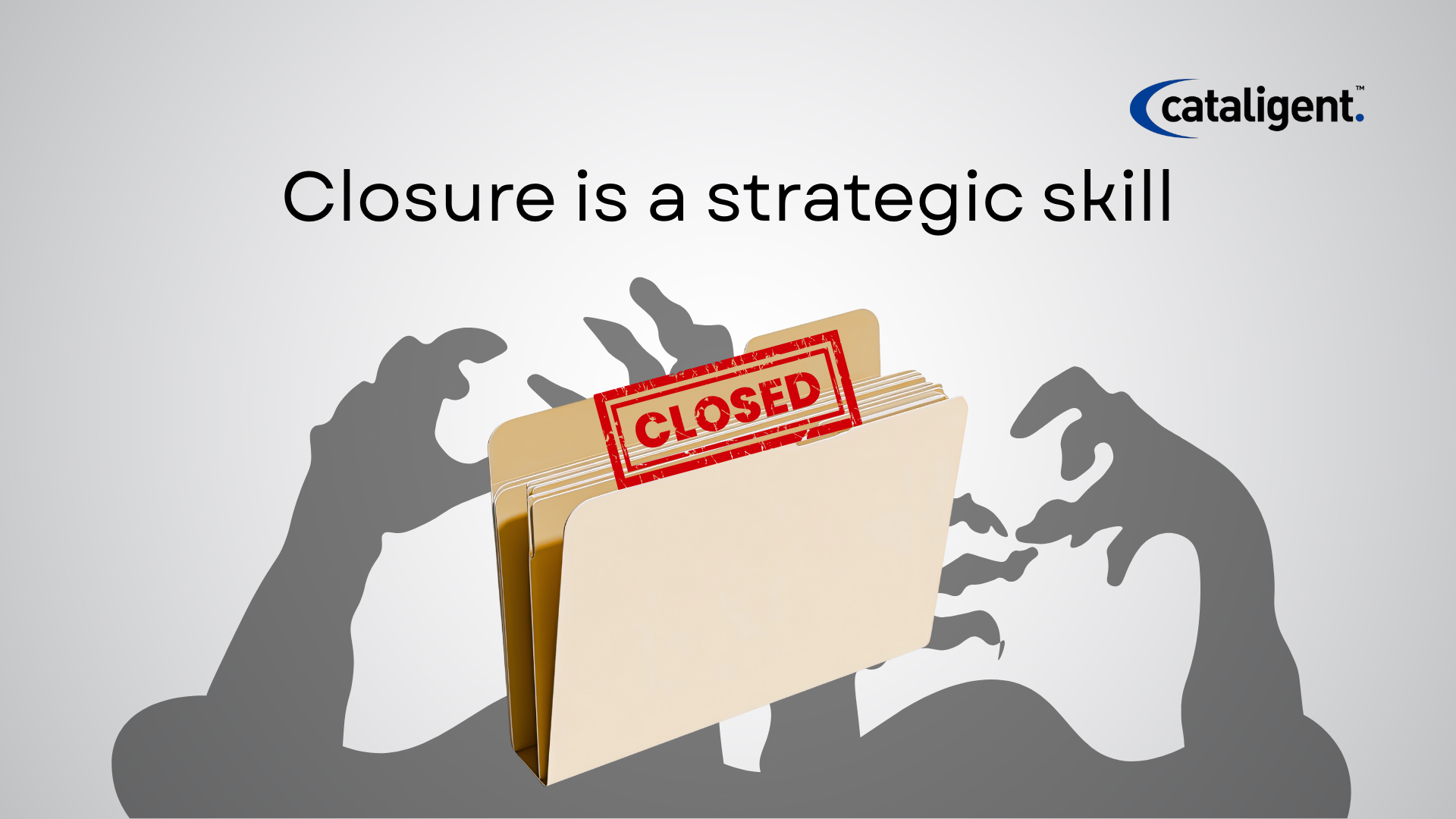

In the world of project management, a Zombie Project is a project that is technically “undead” – not alive enough to succeed, not dead enough to stop consuming resources.
It has no clear end date, the original goals have shifted or vanished, the budget is bleeding. It stays on the weekly status report, draining the team’s energy and resources without delivering a single ounce of value.
A clean close isn’t failure. It’s a strategic skill.
What Is a Zombie Project?
A zombie project typically shows several of these signs:
- Goals are vague, outdated, or constantly shifting
- No clear business owner is accountable for outcomes
- Timelines stretch indefinitely with “just one more push”
- Teams are staffed part-time with low morale
- The project survives mainly because “we’ve already invested so much”
These initiatives linger because stopping them feels uncomfortable—politically, emotionally, or reputationally. But keeping them alive is often far more costly.
Why These Projects Are Dangerous
Zombie projects don’t just waste money. They create organizational drag.
- Opportunity cost: Talent and attention are tied up instead of fueling high-impact work
- Decision paralysis: Leaders avoid hard calls, reinforcing a culture of delay
- Burnout: Teams feel stuck maintaining something no one believes in
- False progress: Activity is mistaken for momentum
The Myth: “Closing a Project Means Admitting Failure”, This belief keeps zombies walking.
A Simple Test: Should This Project Live?
Ask three questions:
- If we weren’t already doing this, would we start it today?
- Does this clearly advance our top strategic priorities?
- Is there credible evidence it will deliver meaningful value?
If the answer to any of these is no, it’s time to consider a clean close.
The Anatomy of a Clean Close
Killing a zombie project doesn’t mean pulling the plug overnight or assigning blame. A clean close is deliberate, transparent, and respectful.
1. Revisit the Original Intent
Start with first principles:
- What problem was this project meant to solve?
- What success metrics were defined at the start?
- Does this problem still matter?
If the original rationale no longer holds, that’s not a flaw—it’s information.
2. Evaluate with Evidence, Not Emotion
A clean close relies on facts:
- Progress against milestones
- Actual vs. expected ROI
- Customer or user impact
- Strategic alignment today (not two years ago)
Avoid sunk-cost thinking. Past investment is irrelevant to future value.
3. Make the Decision Explicit
Zombie projects thrive in ambiguity.
Name the decision clearly:
- “We are stopping this project.”
- “We are closing this initiative as of [date].”
Avoid soft language like pause, reassess, or deprioritize indefinitely. Those are just life support systems.
4. Capture and Share the Learnings
This is where many teams miss the opportunity.
Document:
- What assumptions proved wrong
- What worked better than expected
- What signals should have been noticed earlier
Share these insights beyond the immediate team. A clean close turns a stalled effort into institutional knowledge.
5. Redeploy People with Intention
People are not project waste.
Be proactive about:
- Reassigning talent quickly
- Recognizing effort and professionalism
- Explaining why the project ended
When handled well, team members feel relieved—not punished.
How Cataligent Helps You Kill Zombie Projects Cleanly
Most zombie projects survive because decision-making is fragmented. Goals live in decks. Ownership lives in people’s heads. Progress lives in status calls. No one has a single operational view of what is happening, what value is still realistic, and what the next decision should be.
Cataligent is a transformation and project execution partner, and CAT4 is our enterprise execution platform for strategy implementation, portfolio and multi-project management, and performance tracking. It’s designed to help organizations and consulting teams run initiatives with clarity, control, and follow-through.
Cataligent’s CAT4 supports structured execution across initiatives and portfolios, which makes “clean close” decisions easier to make and easier to communicate.
Here’s how it helps in practice:
- Make alignment visible (strategy implementation, OKRs, KPI tracking):
Tie initiatives to strategic priorities, outcomes, and targets, then track whether that alignment still holds as conditions change. - Track planned vs actual reality (financial tracking, progress tracking, dashboards):
Compare planned vs actual progress and financials so decisions are based on evidence, not hope. Use reporting views and dashboards to spot drift early. - Clarify ownership (governance, roles and access control, accountability):
Make accountability explicit across programs, workstreams, and stakeholders so initiatives do not drift leaderless. - Standardize reporting and governance (status reporting, decision needs, next steps):
Replace vague “we’re still working on it” updates with consistent status, clear decision points, and documented next steps that leadership can act on. - Turn closure into learning (risk management, documentation, knowledge capture):
Capture assumptions, outcomes, lessons, and early signals in a repeatable way so you get institutional knowledge, not amnesia.
Conclusion: Ending Well Is a Competitive Advantage
Organizations that master the art of the clean close move faster, learn quicker, and build trust with their teams. They don’t cling to the past, they invest in the future.
Zombie projects aren’t a sign of bad ideas. They’re a sign of avoided decisions.
Kill them cleanly.
Learn loudly.
And move on stronger with Cataligent