Month: September 2025

  • Cross-Functional Process Synergy for Cost Reduction: Driving Efficiency and Business Transformation

    Cross-Functional Process Synergy for Cost Reduction: Driving Efficiency and Business Transformation

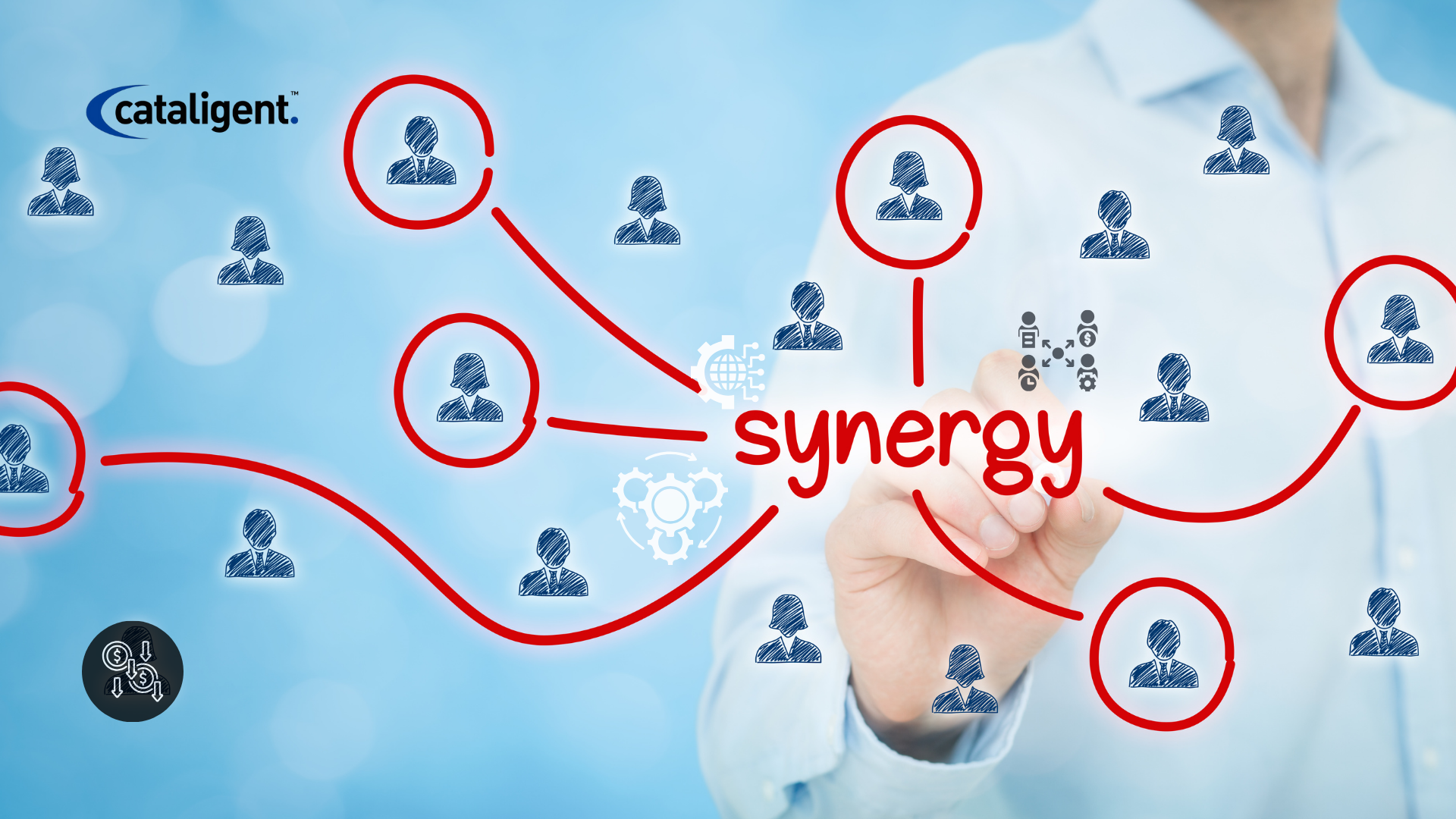
    In many organizations, departments operate in silos, leading to duplicated work, inconsistent processes, and inefficient resource allocation. These cross-functional inefficiencies often result in hidden costs and slow decision-making. Cross-functional process synergy focuses on aligning workflows, resources, and data across departments to eliminate redundancies, optimize operations, and reduce costs. Beyond cost savings, this synergy is a catalyst for business transformation, improving collaboration, agility, and strategic decision-making.


    What It Is

    Cross-functional process synergy involves analyzing and integrating workflows across departments to achieve operational efficiency and cost savings. Key elements include:

    • Workflow Mapping Across Functions: Documenting and understanding how tasks flow between departments.
    • Redundancy Identification: Highlighting overlapping activities and duplicated processes that waste resources.
    • Collaboration Optimization: Creating unified processes, shared systems, and coordinated workflows.
    • Data and Resource Alignment: Centralizing data access and resource allocation to maximize utilization and decision-making.
    • Continuous Monitoring: Implementing metrics, dashboards, and feedback loops to sustain efficiency gains.

    Optimizing cross-functional processes ensures resources are efficiently utilized, minimizes operational waste, and creates a foundation for enterprise-wide business transformation.


    Why It Matters

    1. Reducing Hidden Costs

    Siloed operations often lead to duplicated efforts, unnecessary approvals, and redundant systems. Aligning processes across functions eliminates these hidden costs.

    Example: Multiple teams maintaining separate reporting systems for the same metrics increases software costs and labor hours.

    2. Enhancing Productivity and Decision-Making

    Cross-functional synergy reduces delays and confusion, enabling faster execution and more informed decision-making.

    Example: A unified workflow for order processing across sales, operations, and finance reduces lead time and improves customer satisfaction.

    3. Supporting Business Transformation

    Aligned, efficient cross-functional processes facilitate digital transformation initiatives, including automation, analytics, and enterprise-wide platforms.

    Example: Centralizing data and standardizing processes allows for smoother adoption of AI-driven decision support systems.

    4. Optimizing Resource Allocation

    Eliminating duplicated tasks and redundant tools frees up personnel and technological resources, which can be reallocated to strategic projects.

    Example: Employees freed from redundant reporting tasks can focus on value-added activities such as process improvement or innovation.

    5. Improving Collaboration and Communication

    Integrated processes foster transparency, accountability, and collaboration across departments, essential for cohesive business operations.

    Example: Implementing a shared project management platform ensures all stakeholders have visibility into tasks, timelines, and responsibilities.


    How to Address It

    1. Map Cross-Functional Workflows

    Document how tasks, data, and approvals move between departments. Identify points where delays, duplication, or inefficiencies occur.

    Example: Map the end-to-end procurement-to-payment process to detect duplicated approval layers across finance and operations.


    2. Identify Redundancies and Bottlenecks

    Analyze workflows for overlapping activities and inefficient steps. Engage stakeholders to uncover hidden inefficiencies.

    Example: Detect that multiple teams maintain separate customer databases, leading to redundant data entry and inconsistency.


    3. Standardize and Integrate Processes

    Develop unified workflows, consolidate tools, and align resources to ensure smooth inter-departmental operations.

    Example: Merge multiple reporting platforms into a single analytics dashboard accessible to all relevant teams.


    4. Align Data and Resources

    Centralize data and ensure resource allocation matches organizational priorities. This reduces duplication and maximizes utilization.

    Example: Shared access to inventory data across sales, logistics, and procurement avoids overstocking and resource wastage.


    5. Monitor and Continuously Improve

    Implement KPIs, dashboards, and review mechanisms to track efficiency, detect emerging inefficiencies, and sustain synergy.

    Example: Monitor cross-functional project timelines and resource utilization to continuously refine workflows and processes.


    How Cataligent Helps

    Cataligent leverages the CAT4 platform to implement cross-functional process synergy effectively:

    • Workflow Mapping and Discovery: Provides end-to-end visibility into cross-departmental processes.
    • Redundancy and Bottleneck Analysis: Identifies duplicated tasks, inefficient steps, and misaligned resources.
    • Process Optimization Recommendations: Suggests integrated workflows and system consolidations to maximize efficiency.
    • Data and Resource Alignment: Facilitates centralization of data and optimization of shared resources.
    • Continuous Monitoring: Tracks KPIs, resource usage, and process performance to sustain improvements.
    • Strategic Alignment: Ensures that optimized processes support broader business transformation initiatives, driving efficiency and innovation.

    By leveraging Cataligent’s CAT4 platform, organizations can reduce hidden costs, improve collaboration, and align operations with strategic goals, enabling cost-effective and transformative growth.


    Closing Thought

    Cross-functional inefficiencies are often overlooked sources of cost and operational friction. By creating synergy across departments, organizations achieve substantial cost savings, enhanced productivity, and strategic agility. Cataligent’s CAT4 platform equips businesses with the insights and tools needed to integrate processes, optimize resources, and drive transformative business initiatives efficiently and sustainably.
  • Strategic IT Asset Lifecycle Management: Maximizing Value and Cost Savings for Business Transformation

    Strategic IT Asset Lifecycle Management: Maximizing Value and Cost Savings for Business Transformation

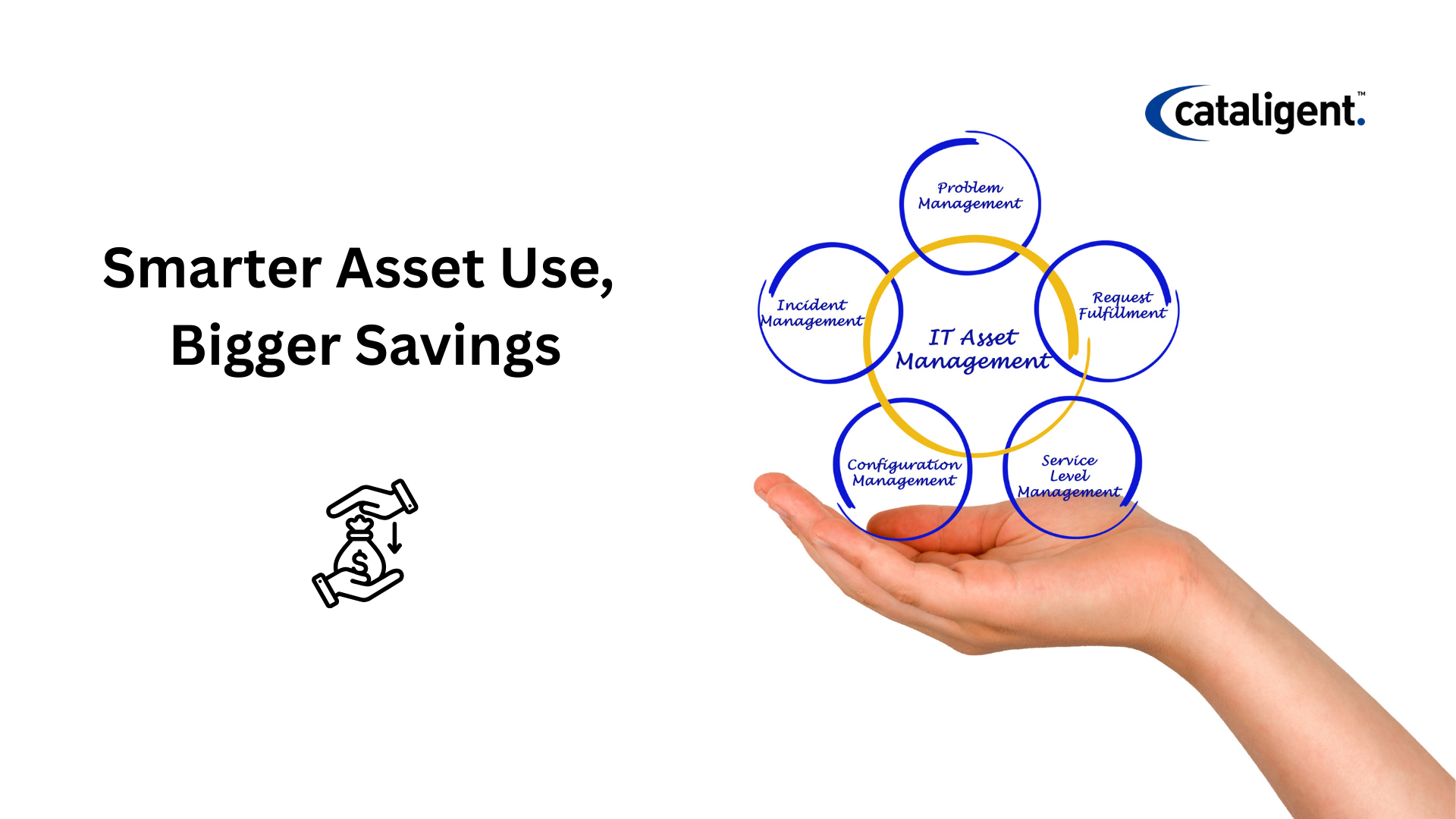
    IT assets—including hardware, software, and cloud resources—represent significant investments for modern organizations. However, many businesses manage IT assets reactively, leading to over-provisioning, underutilization, and unnecessary replacements that inflate costs. Strategic IT asset lifecycle management (ITALM) addresses these inefficiencies, providing a structured approach to manage assets from procurement to decommissioning. Beyond cost savings, ITALM enables business transformation by aligning technology with strategic objectives, improving agility, and optimizing resource allocation.


    What It Is

    Strategic IT asset lifecycle management involves comprehensive oversight and optimization of IT assets throughout their lifecycle. Key components include:

    • Asset Inventory and Discovery: Cataloging all IT assets, including hardware, software, cloud instances, and licenses.
    • Usage and Performance Analytics: Monitoring utilization patterns, performance metrics, and capacity requirements.
    • Procurement and Allocation Strategy: Acquiring assets based on actual business needs, avoiding over-provisioning.
    • Maintenance and Optimization: Regular maintenance, updates, and configuration adjustments to extend asset lifespan and performance.
    • Decommissioning and Reallocation: Retiring or repurposing assets efficiently to prevent wasted expenditure.
    • Governance and Compliance: Ensuring adherence to internal policies, regulatory requirements, and industry standards.

    This structured approach ensures IT assets are cost-efficient, compliant, and aligned with strategic initiatives, enabling better support for business transformation projects.


    Why It Matters

    1. Reducing Capital and Operational Costs

    Proactive lifecycle management prevents unnecessary spending on redundant or underutilized IT assets. Optimized procurement and allocation reduce capital expenditure while maintenance planning lowers operational costs.

    Example: Identifying underutilized servers and reallocating them to other projects eliminates the need for additional hardware purchases.

    2. Enhancing Asset Performance and Utilization

    Monitoring asset performance and usage patterns ensures that each IT resource is used effectively, improving ROI and operational efficiency.

    Example: Reconfiguring lightly used virtual machines or consolidating licenses for software applications increases asset utilization without additional costs.

    3. Supporting Business Transformation

    Strategic ITALM ensures that technology investments directly support transformation initiatives, including cloud migration, digital workflows, automation, and AI integration.

    Example: Optimizing cloud resources through ITALM enables seamless deployment of new digital services without unnecessary overhead.

    4. Improving Planning and Forecasting

    Lifecycle insights provide data for informed decision-making on procurement, upgrades, and capacity planning, preventing over-provisioning or unexpected expenses.

    Example: Predictive analytics indicate when hardware will reach end-of-life, enabling timely replacement and avoiding last-minute emergency purchases.

    5. Ensuring Compliance and Governance

    Proper lifecycle management reduces risk by ensuring assets meet regulatory and policy requirements, from licensing compliance to cybersecurity standards.

    Example: Software license tracking prevents penalties for unlicensed usage and ensures adherence to vendor agreements.


    How to Address It

    1. Conduct a Comprehensive Asset Inventory

    Document all IT assets across locations, departments, and platforms to establish a clear baseline.

    Example: Include desktops, laptops, servers, cloud instances, SaaS applications, and IoT devices in the inventory.


    2. Analyze Usage and Performance Metrics

    Monitor each asset’s utilization, performance, and contribution to business processes to identify underused or over-provisioned resources.

    Example: A virtual desktop infrastructure showing consistent low usage indicates potential for consolidation or downsizing.


    3. Optimize Procurement and Allocation

    Align asset acquisition with actual business needs, avoiding redundant purchases and ensuring optimal allocation of resources.

    Example: Purchase cloud compute credits based on projected workload rather than fixed allocations, reducing waste.


    4. Implement Maintenance and Automation

    Schedule regular maintenance, updates, and automated monitoring to prolong asset life, prevent downtime, and reduce operational costs.

    Example: Automating patch management and resource scaling reduces manual effort and ensures performance consistency.


    5. Plan Decommissioning and Reallocation Strategically

    Retire or repurpose assets systematically to prevent unnecessary storage, licensing, or operational costs.

    Example: Decommission outdated servers and reallocate functional components to other departments or projects.


    6. Establish Governance and Continuous Improvement

    Set policies, compliance checks, and KPIs to maintain efficiency, reduce risk, and align IT resources with strategic goals.

    Example: Regular audits of software usage, hardware performance, and license compliance support long-term cost efficiency.


    How Cataligent Helps

    Cataligent’s CAT4 platform empowers organizations to implement strategic IT asset lifecycle management effectively:

    • Comprehensive Asset Inventory: Tracks all IT assets across locations, platforms, and departments.
    • Performance and Usage Analytics: Provides insights into utilization, capacity, and lifecycle stage of each asset.
    • Optimization Recommendations: Identifies over-provisioned, underutilized, or redundant assets and suggests reallocation or consolidation.
    • Automation Support: Streamlines maintenance, patch management, and resource scaling.
    • Governance and Compliance: Ensures adherence to internal policies, regulatory requirements, and vendor agreements.
    • Strategic Alignment: Aligns IT resources with business transformation initiatives, enabling cost savings and supporting innovation.

    By leveraging Cataligent’s CAT4, organizations reduce capital and operational costs, optimize IT asset utilization, and free up resources for transformative projects, driving efficiency and strategic growth.


    Closing Thought

    Inefficient IT asset management is an often-overlooked source of hidden costs. Strategic IT asset lifecycle management ensures optimal utilization, cost efficiency, and alignment with business objectives. Through Cataligent’s CAT4 platform, businesses can reduce waste, improve compliance, and reinvest savings into initiatives that transform operations, enable innovation, and drive sustainable growth.

  • Dynamic Vendor and Contract Optimization: Strategic Cost Savings for Business Transformation

    Dynamic Vendor and Contract Optimization: Strategic Cost Savings for Business Transformation

    Vendor contracts and procurement agreements often represent a significant portion of organizational expenses. However, many businesses stick to static contracts and outdated agreements, missing opportunities to optimize costs and improve value delivery. Dynamic vendor and contract optimization is an overlooked yet essential strategy that enables businesses to reduce expenses, improve supplier performance, and drive business transformation by aligning vendor engagements with evolving organizational needs.


    What It Is

    Dynamic vendor and contract optimization involves regularly reviewing, renegotiating, and strategically managing vendor relationships to maximize value and minimize costs. Key components include:

    • Contract Audit and Analysis: Reviewing existing contracts for pricing, terms, and performance metrics.
    • Spend Analytics: Assessing historical and current spending to identify inefficiencies, redundant suppliers, or overpaid services.
    • Vendor Consolidation: Reducing the number of vendors to achieve better pricing and operational efficiency.
    • Dynamic Negotiation: Periodically renegotiating terms based on changing business needs and market conditions.
    • Performance Monitoring: Tracking vendor performance, delivery times, quality, and compliance with contractual obligations.

    This approach ensures that vendor relationships are not static but continuously optimized to align with the organization’s strategic and financial objectives.


    Why It Matters

    1. Reducing Costs and Avoiding Overspending

    Contracts often include outdated terms or hidden costs that go unnoticed. Dynamic optimization ensures organizations pay only for what they need and leverage market conditions for cost savings.

    Example: Renegotiating a multi-year software subscription to a flexible, usage-based pricing model reduces unnecessary fixed costs.

    2. Enhancing Supplier Performance and Value

    Regular performance reviews and analytics enable organizations to identify underperforming vendors and improve service quality, reducing indirect costs such as delays and rework.

    Example: Consolidating multiple low-performing suppliers into a single high-performing vendor improves delivery speed and product quality.

    3. Aligning Procurement with Business Goals

    Dynamic contract management ensures that vendor engagements directly support strategic initiatives such as digital transformation, operational efficiency, and innovation.

    Example: Adjusting IT service contracts to include AI-enabled monitoring tools enhances operational efficiency while supporting digital transformation goals.

    4. Mitigating Risk and Ensuring Compliance

    Regular contract audits and vendor assessments reduce exposure to compliance risks, legal liabilities, and supply chain disruptions.

    Example: Identifying a supplier that does not meet data security standards and renegotiating terms or replacing the vendor to maintain regulatory compliance.

    5. Driving Continuous Improvement

    Dynamic vendor and contract management fosters a culture of continuous improvement, where cost, performance, and value are regularly assessed and enhanced.

    Example: Tracking vendor KPIs and periodically adjusting contract terms ensures ongoing cost efficiency and high-quality service.


    How to Address It

    1. Conduct Comprehensive Contract Audits

    Review all existing vendor agreements to understand terms, pricing, and performance commitments. Identify areas of potential cost savings.

    Example: Detect overlapping services from multiple vendors or clauses that allow for better pricing based on volume or market trends.


    2. Implement Spend Analytics

    Analyze historical and current expenditure across vendors to identify inefficiencies and opportunities for consolidation or renegotiation.

    Example: Identify vendors with consistently low utilization and consider consolidating services with higher-performing suppliers.


    3. Consolidate Vendors Strategically

    Reduce the number of suppliers to gain better bargaining power, streamline operations, and simplify contract management.

    Example: Merging similar IT service providers to one or two key vendors for improved pricing and management efficiency.


    4. Negotiate Dynamically

    Use analytics and market data to renegotiate contract terms periodically, ensuring agreements reflect current business needs and market conditions.

    Example: Transitioning from fixed-cost contracts to pay-per-use or outcome-based agreements for cloud services.


    5. Monitor Vendor Performance Continuously

    Track KPIs, compliance metrics, and service delivery to ensure vendors meet contractual obligations and provide optimal value.

    Example: Dashboard tracking of delivery timelines, SLA adherence, and quality metrics enables proactive management of vendor relationships.


    How Cataligent Helps

    Cataligent provides CAT4 solutions to enable dynamic vendor and contract optimization:

    • Contract and Spend Analytics: Comprehensive insights into contract terms, expenditure, and utilization to identify cost-saving opportunities.
    • Vendor Performance Tracking: Monitor vendor KPIs, compliance, and delivery quality to optimize supplier relationships.
    • Dynamic Optimization Recommendations: Actionable insights for renegotiation, consolidation, and strategic vendor management.
    • Automation Support: Streamline contract management, alerts for renewal opportunities, and performance reviews.
    • Strategic Alignment: Ensures vendor management decisions directly support business transformation initiatives, improving cost efficiency and operational agility.

    By leveraging Cataligent’s CAT4 platform, organizations can optimize vendor costs, improve supplier performance, and reallocate savings toward transformative initiatives, achieving both financial efficiency and strategic growth.


    Closing Thought

    Static vendor contracts and unmanaged procurement are a hidden source of inefficiency and lost opportunity. Dynamic vendor and contract optimization not only reduces costs but also drives better supplier performance, risk mitigation, and alignment with strategic objectives. Cataligent’s CAT4 platform empowers organizations to make data-driven decisions, optimize vendor relationships, and leverage savings for business transformation and innovation.

  • Portfolio-Integrated Transformation: Converging Project, Program, and Change Management for Maximum Impact

    Portfolio-Integrated Transformation: Converging Project, Program, and Change Management for Maximum Impact

    Organizations often treat projects, programs, and change management as separate entities, creating silos that limit transformation impact. Portfolio-integrated transformation breaks down these barriers by creating a unified approach that aligns project execution, program oversight, and change management with strategic objectives. This integration ensures that all initiatives collectively drive measurable business transformation.


    What It Is

    Portfolio-integrated transformation involves:

    • Holistic Alignment: Projects and programs are not just managed individually but evaluated for their collective impact on the portfolio. This ensures that initiatives reinforce each other, prevent redundancies, and optimize organizational resources. Alignment extends to strategic objectives, ensuring that every project contributes to broader transformation goals and business priorities.
    • Change Management Integration: By embedding change management from the start, organizations ensure that employees, stakeholders, and customers are prepared for new processes, technologies, and organizational shifts. This reduces resistance, accelerates adoption, and ensures that projects deliver their intended value beyond just technical completion.
    • Prioritization for Impact: Dynamic prioritization frameworks consider strategic importance, risk, ROI, and resource availability. This prevents low-value projects from consuming critical resources while ensuring high-impact initiatives are adequately supported. Prioritization also helps balance short-term quick wins with long-term transformational projects.
    • Real-Time Portfolio Visibility: Stakeholders have access to dashboards and analytics that provide a live view of project health, risks, interdependencies, and resource utilization. Real-time insights allow for proactive decision-making and timely interventions, reducing surprises and keeping transformation on track.

    Why It Matters

    1. Eliminating Fragmentation

    Fragmented project execution leads to duplicated efforts, wasted resources, and inconsistent outcomes. Portfolio integration breaks down these silos by connecting initiatives, ensuring that efforts across business units are complementary and aligned. This reduces redundancy, fosters collaboration, and maximizes overall portfolio value.

    2. Aligning Execution with Strategy

    Projects executed in isolation may meet their objectives but fail to support overarching business goals. Portfolio integration ensures that each initiative is evaluated for strategic relevance. Leaders can continuously adjust the portfolio to ensure that resources are focused on high-priority transformation efforts.

    3. Optimizing Resource Utilization

    A unified portfolio view enables dynamic allocation of people, budgets, and technology resources. Organizations can identify bottlenecks, over-allocations, or underutilized capabilities. This ensures that critical initiatives have sufficient resources and that capacity is balanced across the portfolio for maximum efficiency.

    4. Enhancing Change Adoption

    Integrating change management into portfolio planning guarantees that stakeholders, employees, and customers are ready for new ways of working. Communication plans, training, and engagement strategies are synchronized with project timelines to minimize disruption and maximize adoption, ensuring that the benefits of transformation are realized quickly and effectively.

    5. Driving Measurable Transformation

    Portfolio integration allows organizations to measure transformation impact across initiatives. By consolidating metrics such as ROI, operational efficiency gains, customer satisfaction, and risk reduction, leaders can track overall progress and make data-driven adjustments. This ensures transformation is tangible, measurable, and aligned with long-term business goals.


    How to Address It

    1. Unified Portfolio Governance

    Create a governance model that oversees projects, programs, and change initiatives collectively. This includes regular portfolio reviews, cross-functional steering committees, and integrated reporting structures. Governance ensures interdependencies are managed, priorities are maintained, and strategic objectives are reinforced across all initiatives.

    Example: Monthly portfolio review meetings assess both project progress and change adoption metrics, enabling rapid adjustments and keeping all initiatives aligned with transformation objectives.


    2. Outcome-Based Prioritization

    Prioritize initiatives based on strategic value, business impact, risk, and contribution to transformation. This helps organizations focus on initiatives that deliver the highest impact and optimize the allocation of resources.

    Example: An enterprise-wide CRM modernization project that enhances customer experience across multiple departments is prioritized over smaller, low-impact projects with limited strategic relevance.


    3. Integrated Change Management

    Embed change management practices in every initiative, including stakeholder analysis, communication, training, and adoption tracking. This ensures that employees and stakeholders embrace the change, maximizing the benefits of transformation initiatives.

    Example: For a new ERP system, the change management plan involves department-specific training, regular feedback loops, and communication campaigns to ensure smooth adoption across the organization.


    4. Real-Time Portfolio Analytics

    Use analytics and dashboards to provide continuous insights into project performance, risk exposure, interdependencies, and value realization. Real-time analytics allows leadership to make timely interventions and optimize the portfolio dynamically.

    Example: A dashboard tracks milestones, budget consumption, and adoption rates across all transformation initiatives, highlighting areas needing immediate attention to avoid delays or failures.


    5. Continuous Learning and Adaptation

    Establish processes for lessons learned, knowledge sharing, and iterative improvement. Feedback from completed projects is used to refine portfolio strategies, governance, and change management approaches. This ensures the portfolio evolves with changing business needs and market conditions.

    Example: After implementing a new supply chain system, lessons learned on stakeholder engagement and risk management are documented and applied to future projects to improve outcomes and efficiency.


    How Cataligent Helps

    Cataligent drives portfolio-integrated transformation by:

    • Unified Portfolio Governance Frameworks: Combining oversight of projects, programs, and change initiatives into a cohesive, strategically aligned system.
    • Strategic Prioritization Tools: Evaluating initiatives based on value, risk, and alignment with transformation goals to ensure optimal resource allocation.
    • Integrated Change Management Services: Embedding adoption strategies, training, and stakeholder engagement into project planning and execution.
    • Real-Time Analytics Dashboards: Providing actionable insights into portfolio performance, interdependencies, and risk for timely decision-making.
    • Continuous Improvement Programs: Capturing lessons learned and refining portfolio strategies to ensure sustained alignment with organizational objectives.

    Closing Thought

    Portfolio-integrated transformation ensures that projects, programs, and change initiatives are executed as interconnected elements of a cohesive strategy. By converging execution, governance, and change management, organizations maximize impact, reduce inefficiencies, and achieve measurable business outcomes.

    Cataligent helps organizations implement this integrated approach, ensuring that every initiative contributes to strategic objectives, resources are optimized, and transformation benefits are realized quickly and sustainably.

  • Outcome-Oriented Project Management: Redefining Success Beyond Scope, Time, and Cost

    Outcome-Oriented Project Management: Redefining Success Beyond Scope, Time, and Cost

    Traditional project management frameworks have long measured success by whether a project is delivered on time, within scope, and on budget. While these metrics remain important, organizations increasingly recognize that true project value extends beyond mere outputs. The real measure of success is outcomes—the tangible business impact, strategic alignment, and transformation achieved through project delivery.

    Outcome-oriented project management (OOPM) is designed to shift focus from outputs to measurable business value, embedding transformation at the heart of project execution.


    What It Is

    Outcome-oriented project management emphasizes:

    • Business Value Over Deliverables: Success is measured by the actual results a project delivers to the business, customers, and stakeholders.
    • Strategic Alignment: Projects are evaluated for their contribution to overarching business objectives, ensuring that every initiative drives transformation.
    • Continuous Measurement: Real-time tracking of key performance indicators (KPIs) and objectives ensures projects remain focused on outcome delivery.
    • Stakeholder Engagement: Active involvement of business leaders, sponsors, and end-users ensures that outcomes meet actual needs, not just theoretical plans.

    Why It Matters

    1. Closing the Gap Between Projects and Business Impact

    Projects often deliver outputs without achieving the intended business outcomes. OOPM ensures that each initiative directly contributes to measurable transformation goals, such as increased revenue, reduced operational costs, improved customer satisfaction, or accelerated innovation.

    2. Optimizing Resource Allocation

    Focusing on outcomes helps prioritize projects that deliver the highest business value. This prevents resource dilution on low-impact projects, ensuring that time, budget, and talent are aligned with strategic priorities.

    3. Enhancing Agility and Adaptability

    Outcome-oriented projects incorporate feedback loops and continuous measurement, allowing teams to adjust deliverables, timelines, and approaches based on real-world performance and evolving business needs.

    4. Driving Accountability and Engagement

    When success is tied to tangible outcomes, project teams are more motivated and accountable. Stakeholders can clearly see the impact of their decisions, fostering a culture of ownership and high performance.

    5. Maximizing Return on Investment (ROI)

    By tracking and achieving measurable business outcomes, organizations ensure that project investments translate into real value, improving overall ROI and supporting transformation goals.


    How to Address It

    1. Define Outcome-Based Objectives

    Shift project planning from deliverable-based goals to outcome-based objectives. Each task, milestone, and deliverable should link directly to measurable business results.

    Example: Instead of delivering a new CRM system, the project measures success by increased customer retention rates and faster lead-to-sale cycles.


    2. Implement Continuous Performance Tracking

    Utilize dashboards and analytics tools to monitor KPIs and outcomes in real-time. Adjust project activities dynamically to ensure alignment with desired business results.

    Example: An IT modernization project tracks application adoption rates and operational efficiency metrics to ensure technology investments are delivering expected business outcomes.


    3. Align Teams and Stakeholders Around Outcomes

    Ensure that project teams, business leaders, and sponsors understand the intended outcomes and their role in achieving them. Regular communication and workshops reinforce this alignment.


    4. Embed Feedback Loops

    Collect ongoing feedback from stakeholders, end-users, and customers. Use this input to refine project scope, priorities, and execution approaches to maximize impact.

    Example: A digital marketing project adapts campaign strategies in real-time based on engagement metrics and customer feedback.


    5. Measure Transformation, Not Just Delivery

    Evaluate projects based on how they contribute to broader transformation initiatives, such as operational excellence, digital transformation, customer experience improvement, or market competitiveness.


    How Cataligent Helps

    Cataligent enables outcome-oriented project management by:

    • Defining Outcome Metrics: Identifying KPIs tied to business value and transformation objectives.
    • Strategic Alignment Workshops: Ensuring projects align with enterprise goals and transformation initiatives.
    • Real-Time Dashboards: Monitoring outcomes dynamically to guide decision-making and course correction.
    • Stakeholder Engagement Frameworks: Facilitating collaboration between teams, sponsors, and end-users to drive adoption and impact.
    • ROI-Focused Delivery Models: Structuring project execution to prioritize initiatives that deliver maximum business value and measurable outcomes.

    Closing Thought

    Shifting from output-based to outcome-oriented project management transforms the way organizations execute projects. It moves the focus from simply completing tasks to achieving measurable business impact, supporting transformation, and maximizing ROI.

    Cataligent helps organizations embed this mindset, ensuring projects not only deliver on promises but also drive tangible transformation, align with strategic priorities, and create lasting business value.

  • Dynamic Project Governance: Designing Fluid Control Systems for Transformation at Scale

    Dynamic Project Governance: Designing Fluid Control Systems for Transformation at Scale

    Project management has always been about balancing order and progress. Traditional governance frameworks were built for stability, emphasizing control, compliance, and predictability. Yet in the era of digital disruption and rapid transformation, rigidity has become a liability. Transformation programs today demand dynamic project governance—a model that provides oversight and accountability without suffocating agility and innovation.

    Dynamic project governance is not about abandoning structure. Instead, it is about designing fluid control systems that flex with change, adapt to uncertainty, and empower organizations to pursue large-scale transformation with confidence.


    What It Is

    Dynamic project governance is a modern approach to governance that:

    • Balances Control and Flexibility: It creates accountability mechanisms that don’t slow down innovation or agility. Instead of long approval chains, governance allows project teams to make rapid decisions within defined guardrails, while leadership retains visibility into outcomes.
    • Embraces Iterative Oversight: Governance shifts from rigid, one-time approvals to a living system of monitoring and recalibration. Projects are assessed in smaller, frequent cycles where new data can influence decisions, ensuring governance remains current rather than outdated.
    • Focuses on Outcomes, Not Just Outputs: Governance isn’t satisfied with checking boxes for deliverables. Instead, it emphasizes measurable transformation outcomes like increased market share, digital adoption rates, or operational efficiency gains.
    • Connects Governance to Transformation: Governance is positioned as a transformation enabler. Each checkpoint validates not only project health but also whether the initiative directly contributes to organizational transformation goals.

    Why It Matters

    1. Transformation Cannot Be Managed with Static Rules

    Transformation projects operate in environments where priorities, technology, and market expectations shift rapidly. Static governance frameworks break down because they were built for stable environments. Dynamic governance provides organizations with mechanisms to evolve oversight without losing control, ensuring transformation programs don’t collapse under rigid rules.

    2. Preventing Oversight Fatigue

    When governance becomes an endless cycle of reporting and compliance checks, projects lose momentum. Oversight fatigue drains energy from teams and diverts resources away from value creation. Dynamic governance focuses on lean reporting—tracking what really matters—so teams remain motivated and engaged while stakeholders still get the clarity they need.

    3. Guardrails Without Gridlock

    Organizations often fear that without strict governance, projects will spiral out of control. But the opposite problem is equally dangerous—gridlock. When every decision needs board approval, projects stall. Dynamic governance creates flexible guardrails, like risk thresholds or delegated authority, which allow projects to move quickly while maintaining accountability.

    4. Aligning Strategy and Execution

    Governance frameworks often get trapped in operational details, ignoring whether projects still serve strategic priorities. This disconnect means organizations may deliver projects successfully but fail to drive transformation. Dynamic governance bridges this gap by ensuring every governance cycle evaluates both operational health and strategic alignment.

    5. Building Confidence with Stakeholders

    Executives, boards, and investors need assurance that transformation initiatives are progressing. Dynamic governance uses transparent dashboards, real-time updates, and value-driven metrics to create confidence at the top level while avoiding micromanagement at the execution level.


    How to Address It

    1. Adaptive Control Systems

    Adaptive control systems replace static, one-size-fits-all rules with intelligent, evolving oversight. By using predictive analytics, rolling forecasts, and AI-driven monitoring, governance can adjust dynamically to market or project conditions. This ensures governance doesn’t lag behind reality but evolves with it.

    Example: Instead of waiting until the end of a quarter to analyze budget deviations, real-time dashboards flag variances immediately. Leadership can adjust funding, scope, or timelines proactively, avoiding major setbacks.


    2. Value-Centric Metrics

    Dynamic governance moves beyond traditional project management success measures—scope, time, and cost. It evaluates whether initiatives deliver measurable business value, such as transformation ROI, customer adoption, process efficiency, or innovation outcomes.

    Example: A customer experience transformation project isn’t judged by whether a new platform was deployed on time but by whether customer satisfaction and engagement increased after deployment.


    3. Iterative Checkpoints

    Instead of quarterly governance reviews that risk being outdated by the time they occur, dynamic governance introduces iterative checkpoints. These shorter, more frequent reviews create opportunities for course correction, risk mitigation, and reprioritization.

    Example: A data modernization project is reviewed every six weeks. If adoption metrics fall short, the team can adjust training programs or workflows immediately, rather than waiting for a long review cycle.


    4. Risk-Aware Flexibility

    Dynamic governance accepts that risk cannot be eliminated—it must be managed dynamically. Using scenario planning, predictive modeling, and real-time risk dashboards, organizations can balance flexibility with vigilance. Projects can adapt to shifting conditions without losing sight of critical risk thresholds.

    Example: In a cybersecurity upgrade project, new threats are constantly monitored. Governance adapts priorities mid-project to address new vulnerabilities, without discarding the larger program.


    5. Empowered Decision-Making

    Traditional governance centralizes authority, slowing execution. Dynamic governance distributes decision-making within guardrails. Teams have authority to act quickly while governance ensures accountability through clear escalation paths.

    Example: A transformation PMO gives project leaders authority to approve changes under a $200,000 threshold. This reduces bottlenecks and keeps momentum while larger risks or costs are escalated.


    How Cataligent Helps

    Cataligent redefines governance for transformation at scale with its Dynamic Project Governance frameworks, ensuring oversight strengthens agility rather than hinders it:

    • Adaptive Governance Frameworks: Tailored models that flex with market and organizational changes while maintaining structure.
    • Value-Based Metrics Design: Reframing success around transformation ROI, customer impact, and business value.
    • Real-Time Monitoring Tools: Dashboards and AI-driven analytics that provide leaders with immediate insights.
    • Scenario-Driven Risk Management: Proactive modeling and contingency pathways to address risks before they escalate.
    • Empowered Governance Culture: Coaching and advisory services to embed distributed decision-making and accelerate organizational responsiveness.

    Closing Thought

    Transformation cannot be governed by rigid structures built for slower times. To thrive in a volatile, fast-moving environment, organizations need governance that evolves with them. Dynamic project governance creates a balance—providing the structure, transparency, and oversight stakeholders demand, while giving teams the agility they need to innovate, adapt, and deliver measurable transformation outcomes.

    Cataligent helps organizations design and embed these fluid control systems. By aligning governance with transformation goals, building value-driven metrics, and leveraging adaptive oversight tools, Cataligent ensures governance doesn’t hold transformation back—it propels it forward.