Month: March 2025

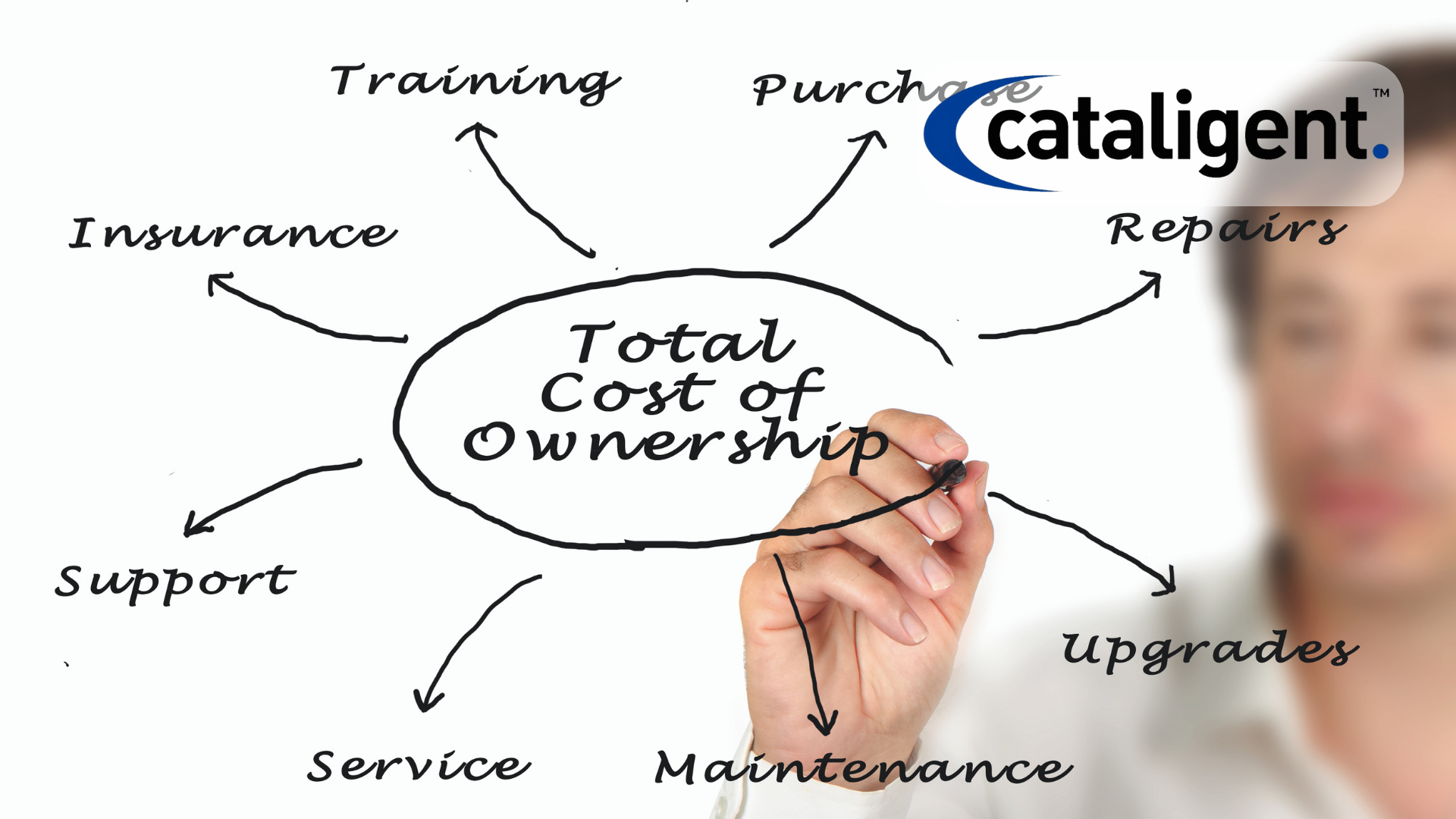
  • Focus on Total Cost of Ownership (TCO)

    Focus on Total Cost of Ownership (TCO)

    Introduction

    In business outsourcing, cost evaluation extends beyond initial expenses. The Total Cost of Ownership (TCO) approach provides a comprehensive assessment of all costs associated with outsourcing, including transition, training, and long-term management expenses. By considering these factors, organizations can make informed decisions, prevent hidden costs, and optimize their outsourcing investments. This document explores the key components, benefits, and implementation strategies for TCO analysis in business process outsourcing (BPO).

    What It Involves?

    TCO analysis encompasses all direct and indirect costs associated with outsourcing agreements. These costs include:

    • Upfront Costs: Vendor selection, contract negotiation, and transition expenses.
    • Operational Costs: Ongoing service fees, software licensing, and support charges.
    • Hidden Costs: Compliance requirements, data security measures, and unforeseen operational disruptions.
    • Long-Term Costs: Renewal fees, process optimization, and scaling expenses.

    By accounting for these elements, businesses can make well-rounded outsourcing decisions that align with their financial and operational goals.

    Benefits of a TCO Approach

    1. Ensures a Comprehensive Understanding of Costs

    A TCO analysis provides a holistic view of outsourcing expenses, helping organizations plan budgets effectively and avoid cost overruns.

    2. Reduces Unexpected or Hidden Costs

    By identifying potential hidden costs early, businesses can negotiate better contracts and implement cost-control measures.

    3. Improves Vendor Selection

    TCO assessment enables organizations to compare vendors beyond just pricing, evaluating long-term value and reliability.

    4. Enhances Contract Negotiation

    Businesses can leverage TCO insights to negotiate favorable terms, ensuring cost-effective outsourcing partnerships.

    5. Supports Sustainable Cost Management

    A structured TCO approach ensures outsourcing remains financially viable, balancing cost savings with quality and performance.

    Implementation Steps for TCO Analysis

    Step 1: Identify Cost Categories

    • Initial Costs: Vendor research, contract setup, transition expenses.
    • Operational Costs: Service fees, IT infrastructure, training.
    • Risk and Compliance Costs: Security measures, legal obligations, contingency planning.
    • Long-Term Costs: Vendor renewal, process improvements, exit strategies.

    Step 2: Conduct a Cost-Benefit Analysis

    • Compare vendor pricing models (fixed pricing, per-transaction, performance-based).
    • Assess potential cost savings versus long-term financial commitments.
    • Identify break-even points and expected ROI from outsourcing decisions.

    Step 3: Evaluate Vendor Transparency

    • Ensure vendors provide clear cost breakdowns and pricing structures.
    • Verify service-level agreements (SLAs) to eliminate redundant or hidden charges.
    • opt for flexible contracts that allow adjustments based on business needs.

    Step 4: Implement Cost Monitoring Mechanisms

    • Use TCO analysis tools to track ongoing outsourcing costs.
    • Regularly review vendor performance and cost efficiency.
    • Adjust budgets and contracts based on changing business requirements.

    Conclusion

    Adopting a Total Cost of Ownership (TCO) approach ensures businesses make well-informed outsourcing decisions that extend beyond initial price considerations. By evaluating all cost components, organizations can optimize financial resources, prevent hidden expenses, and establish sustainable outsourcing partnerships. Effective implementation of TCO analysis leads to improved cost efficiency, better vendor management, and long-term business success.

  • Multi-Vendor Approach

    Multi-Vendor Approach

    Introduction

    In an increasingly complex business environment, companies are turning to outsourcing as a strategic solution to improve efficiency and reduce costs. A multi-vendor approach, which involves diversifying outsourcing by working with multiple service providers for different business processes, is an effective way to mitigate risks, ensure service continuity, and drive innovation. This document explores the key aspects of a multi-vendor strategy, its benefits, and best practices for successful implementation.

    What It Involves

    The multi-vendor approach entails distributing outsourced tasks across multiple vendors rather than relying on a single provider. This diversification enables organizations to leverage specialized expertise, maintain flexibility, and reduce the impact of vendor-related disruptions. Companies strategically allocate different business functions to vendors best suited for each task, optimizing overall efficiency and performance.

    Benefits of a Multi-Vendor Approach

    1. Reduces Dependency on a Single Vendor

    Relying on a single outsourcing partner can expose businesses to risks such as service disruptions, vendor failures, and contractual limitations. A multi-vendor model ensures that critical operations continue smoothly even if one vendor experiences issues.

    2. Mitigates Risks and Enhances Business Continuity

    By working with multiple service providers, businesses can distribute risk across different vendors, reducing the likelihood of major operational disruptions due to vendor-related problems.

    3. Encourages Competition and Innovation

    A diversified outsourcing strategy fosters a competitive environment among vendors, motivating them to continuously enhance their service offerings, adopt new technologies, and offer cost-effective solutions.

    4. Access to Specialized Expertise

    Different vendors have different areas of expertise. By engaging multiple service providers, businesses can ensure that each function is handled by specialists with the right skills and industry knowledge.

    5. Enhances Scalability and Flexibility

    A multi-vendor strategy allows businesses to scale operations more effectively. Companies can adjust contracts, shift workloads between vendors, and explore new outsourcing options as their needs evolve.

    6. Improves Negotiation Power

    With multiple vendors competing for contracts, businesses have stronger leverage in price negotiations and service agreements, leading to more favorable terms and cost efficiencies.

    Implementation Steps for a Multi-Vendor Approach

    Step 1: Assess Business Processes for Outsourcing

    • Identify key functions suitable for outsourcing, such as IT services, customer support, HR management, and supply chain logistics.
    • Determine the level of specialization required for each function.

    Step 2: Select Specialized Vendors for Each Function

    • Research and evaluate potential vendors based on their expertise, reputation, scalability, and cost structure.
    • Choose vendors with a proven track record in their respective fields to ensure quality service delivery.

    Step 3: Develop a Vendor Management Strategy

    • Clearly define roles, responsibilities, and expectations for each vendor.
    • Establish communication protocols and reporting structures to ensure seamless coordination.
    • Use a centralized vendor management system to track performance, service levels, and compliance.

    Step 4: Diversify and Allocate Tasks Strategically

    • Assign specific processes to specialized vendors to maximize efficiency.
    • Avoid over-reliance on any single provider by distributing tasks among multiple vendors.
    • Maintain a backup vendor strategy to address potential service failures or contract terminations.

    Step 5: Monitor and Evaluate Vendor Performance

    • Regularly review vendor performance using key performance indicators (KPIs) such as service quality, response time, and cost-effectiveness.
    • Conduct periodic audits to assess compliance with contractual agreements and industry standards.
    • Reallocate processes or switch vendors if performance expectations are not met.

    Step 6: Foster Strong Vendor Relationships

    • Maintain open and transparent communication with all vendors.
    • Encourage collaboration and knowledge sharing among vendors to improve overall efficiency.
    • Establish long-term partnerships with high-performing vendors while keeping options open for potential replacements if necessary.

    Conclusion

    A multi-vendor approach is a powerful strategy for businesses looking to enhance flexibility, mitigate risks, and improve service quality. By carefully selecting and managing multiple vendors, organizations can optimize performance, drive innovation, and maintain operational resilience. Implementing this strategy effectively requires thorough planning, continuous monitoring, and strategic decision-making to ensure seamless collaboration and sustainable business growth.

  • Invest in Technology Integration

    Invest in Technology Integration

    Introduction

    Technology plays a crucial role in optimizing outsourcing relationships, ensuring seamless collaboration, and improving operational efficiency. By integrating the right digital tools, organizations can enhance communication, reduce errors, and streamline workflows with their BPO (Business Process Outsourcing) partners. This document explores the importance of technology integration in outsourcing and provides actionable steps for successful implementation.

    What It Involves?

    Technology integration refers to the use of digital platforms, automation tools, and secure communication channels to facilitate smooth interactions between an organization and its outsourcing partner. The goal is to create a unified system that enhances productivity, reduces operational friction, and ensures data security.

    Benefits of Technology Integration

    1. Reduces Manual Errors and Improves Efficiency

    By automating routine tasks, companies can minimize human errors, standardize processes, and improve overall workflow efficiency.

    2. Enhances Transparency and Real-Time Communication

    Technology enables real-time data sharing, progress tracking, and seamless interaction between teams, ensuring accountability and alignment with business goals.

    3. Strengthens Data Security and Compliance

    Secure platforms protect sensitive business data, reduce risks of breaches, and help comply with industry regulations.

    4. Optimizes Decision-Making with Data Analytics

    Advanced analytics tools provide insights into performance metrics, enabling data-driven decision-making and continuous improvement.

    5. Facilitates Scalability and Flexibility

    Cloud-based solutions allow businesses to scale operations efficiently while adapting to changing needs without major infrastructure investments.

    Implementation Steps for Technology Integration

    Step 1: Assess Current Technology Gaps

    • Conduct a technology audit to identify inefficiencies in existing systems.
    • Determine the key challenges in communication, workflow automation, and data management.
    • Engage stakeholders to understand their technology needs and expectations.

    Step 2: Implement Core Technology Tools

    • Customer Relationship Management (CRM) Systems: Enhance customer interactions and streamline data sharing.
    • Project Management Software: Use platforms like Trello, Asana, or Monday.com to track project progress and responsibilities.
    • Secure Communication Tools: Implement encrypted messaging and video conferencing tools such as Slack, Microsoft Teams, or Zoom.
    • Enterprise Resource Planning (ERP) Systems: Integrate ERP solutions for seamless business operations and financial management.

    Step 3: Leverage Automation Tools

    • Introduce Robotic Process Automation (RPA) to handle repetitive tasks.
    • Use Artificial Intelligence (AI) and Machine Learning (ML) for predictive analytics and process optimization.
    • Implement chatbots and virtual assistants to streamline customer support and routine queries.

    Step 4: Establish Secure Data Sharing and Compliance Measures

    • Adopt cybersecurity best practices such as multi-factor authentication and encrypted data transfers.
    • Ensure compliance with industry regulations such as GDPR, HIPAA, or SOC 2.
    • Train employees and outsourcing partners on data privacy and security protocols.

    Step 5: Foster Collaboration and Training

    • Conduct regular training sessions for in-house teams and BPO partners to ensure seamless adoption of new technology.
    • Establish clear guidelines for using digital platforms and automation tools.
    • Encourage feedback to continuously improve technology integration strategies.

    Step 6: Monitor Performance and Optimize Continuously

    • Track key performance indicators (KPIs) related to technology adoption and outsourcing efficiency.
    • Regularly update software and tools to keep up with advancements and security updates.
    • Adjust integration strategies based on performance insights and feedback from stakeholders.

    Conclusion

    Investing in technology integration is essential for maximizing the benefits of outsourcing. By leveraging digital tools, automation, and secure communication platforms, organizations can enhance collaboration, improve efficiency, and ensure seamless operations. Implementing a well-planned technology strategy will lead to long-term cost savings, better decision-making, and a more agile business environment.

  • Standardize and Streamline Processes Before Outsourcing

    Standardize and Streamline Processes Before Outsourcing

    Introduction

    Outsourcing can bring significant benefits to a business, but to maximize efficiency, companies must first standardize and streamline their internal processes. By simplifying workflows and documenting key procedures, organizations can ensure smoother transitions, reduce training time, and maintain consistency across outsourced functions. This document outlines the importance of standardizing processes before outsourcing and provides a step-by-step guide for implementation.

    What It Involves

    Before outsourcing, businesses must review, refine, and document their internal workflows to eliminate inefficiencies and ensure clear communication with external partners. Standardized processes lead to:

    • Faster onboarding and training for outsourced teams.
    • Reduced errors and inconsistencies in service delivery.
    • Improved collaboration between in-house and outsourced teams.

    Benefits of Standardizing and Streamlining Processes

    1. Reduces Time Spent on Process Setup and Training

    A well-documented workflow minimizes the learning curve for outsourcing partners, leading to quicker integration and faster operational efficiency.

    2. Ensures Consistency in Service Delivery

    Standardized processes prevent variations in execution, ensuring a uniform customer experience and operational reliability.

    3. Minimizes Miscommunication and Errors

    Clear process documentation reduces the risk of misunderstandings between internal and external teams, improving accuracy and performance.

    4. Enhances Efficiency and Identifies Bottlenecks

    Analyzing workflows before outsourcing allows businesses to detect inefficiencies and optimize operations before transferring tasks.

    5. Strengthens Compliance and Quality Control

    Standardized procedures help maintain regulatory compliance and enforce quality benchmarks, regardless of where operations are executed.

    Implementation Steps for Standardizing and Streamlining Processes

    Step 1: Analyze Existing Workflows

    • Conduct a comprehensive audit of business processes to identify redundancies and inefficiencies.
    • Engage key stakeholders to understand workflow pain points and areas for improvement.
    • Use data-driven insights to determine which processes are suitable for outsourcing.

    Step 2: Use Process Mapping Tools

    • Utilize tools like flowcharts, process maps, and business process modeling notation (BPMN) to visualize workflows.
    • Identify bottlenecks, unnecessary steps, and opportunities for automation.
    • Optimize each step to create a seamless, streamlined process.

    Step 3: Document Standard Operating Procedures (SOPs)

    • Develop detailed SOPs for all key tasks, including:
      • Step-by-step instructions.
      • Expected outcomes and performance metrics.
      • Roles and responsibilities for each stage.
    • Ensure SOPs are clear, concise, and easy to follow.

    Step 4: Implement Process Automation Where Possible

    • Leverage technology to automate repetitive tasks and improve efficiency.
    • Integrate software solutions such as robotic process automation (RPA), workflow management systems, and AI-driven tools.
    • Reduce manual errors and free up resources for strategic functions.

    Step 5: Share Process Documentation with Outsourcing Partners

    • Provide comprehensive training materials and SOPs to the selected outsourcing partner.
    • Establish a structured onboarding program to ensure seamless knowledge transfer.
    • Set up regular check-ins to address challenges and make necessary adjustments.

    Step 6: Monitor Performance and Continuously Improve Processes

    • Track key performance indicators (KPIs) to assess the effectiveness of outsourced functions.
    • Maintain open communication with the BPO partner to ensure process adherence.
    • Regularly update SOPs and workflows based on feedback and evolving business needs.

    Conclusion

    Standardizing and streamlining processes before outsourcing is essential for maximizing efficiency, reducing risks, and ensuring smooth transitions. By refining workflows, documenting procedures, and leveraging technology, businesses can enhance collaboration with outsourcing partners and achieve sustainable operational success. Implementing a structured approach to process standardization will lead to improved service quality, reduced costs, and a competitive advantage in the marketplace.

  • What is Leverage Global Talent?

    What is Leverage Global Talent?

    Introduction

    In today’s interconnected world, businesses have the opportunity to tap into a global workforce, leveraging skilled talent from various regions to enhance productivity and reduce operational costs. Outsourcing processes to countries with lower labor costs while maintaining service quality allows organizations to stay competitive and operate efficiently. This document outlines the concept of leveraging global talent, its benefits, and key implementation strategies.

    What It Involves

    Leveraging global talent means outsourcing business processes to regions where skilled professionals are available at a lower cost. By distributing tasks across different time zones, companies can achieve round-the-clock operations and increase efficiency without incurring high overhead expenses.

    Benefits of Leveraging Global Talent

    1. Significant Cost Reduction

    Outsourcing to regions with lower labor costs reduces payroll and overhead expenses while maintaining service quality.

    2. Access to Highly Skilled Professionals

    Many countries have a strong talent pool in areas like IT, customer service, finance, and engineering, providing businesses with access to specialized expertise.

    3. 24/7 Operations and Increased Productivity

    With teams distributed across different time zones, businesses can maintain continuous operations, improving customer service and project turnaround times.

    4. Scalability and Flexibility

    Outsourcing allows companies to scale operations up or down based on demand, providing agility in responding to market changes.

    5. Enhanced Focus on Core Business Functions

    By delegating non-core tasks to offshore teams, businesses can concentrate internal resources on strategic growth and innovation.

    Implementation Steps for Leveraging Global Talent

    Step 1: Identify Suitable Business Functions for Outsourcing

    • Determine which tasks can be efficiently managed by offshore teams (e.g., customer support, IT services, data entry, software development, finance, etc.).
    • Assess the potential cost savings and efficiency gains for each function.

    Step 2: Research Ideal Outsourcing Destinations

    • Analyze labor costs, talent availability, and business environment in different regions.
    • Consider popular outsourcing hubs such as:
      • India – Strong expertise in IT, software development, and customer support.
      • The Philippines – Leading in customer service, BPO, and administrative support.
      • Eastern Europe – High-quality talent in software engineering, finance, and analytics.

    Step 3: Vet and Select the Right Offshore Providers

    • Assess potential outsourcing partners based on:
      • Experience and industry reputation.
      • Service quality and compliance with business requirements.
      • Security measures and data protection policies.
    • Request case studies, client references, and trial services to evaluate performance.

    Step 4: Establish Clear Communication and Collaboration Protocols

    • Implement structured workflows to manage remote teams effectively.
    • Utilize collaboration tools such as Slack, Microsoft Teams, or Asana for seamless communication.
    • Schedule regular meetings to ensure alignment with business goals.

    Step 5: Monitor Performance and Optimize Operations

    • Track key performance indicators (KPIs) such as efficiency, cost savings, and service quality.
    • Maintain ongoing evaluations of offshore teams to identify areas for improvement.
    • Continuously refine outsourcing strategies based on business needs and market conditions.

    Conclusion

    Leveraging global talent is a strategic approach to reducing costs, increasing operational efficiency, and accessing specialized expertise. By carefully selecting outsourcing destinations, vetting service providers, and maintaining strong communication, businesses can build a high-performing global workforce that enhances productivity and competitiveness. As the global marketplace evolves, staying adaptable and continuously optimizing outsourcing strategies will be key to long-term success.

  • Optimizing Contract Terms and Pricing Models

    Optimizing Contract Terms and Pricing Models

    Introduction

    Effective contract negotiation and pricing model selection are crucial for maximizing the value of outsourced services while maintaining cost efficiency. Businesses must strategically structure contracts to avoid unnecessary expenses, ensure service flexibility, and align costs with actual usage. This document outlines the key elements of optimizing contract terms and pricing models, highlighting the benefits and implementation strategies for organizations looking to enhance their outsourcing agreements.

    What It Involves

    Optimizing contract terms and pricing models involves negotiating favorable agreements with service providers that ensure high-quality service delivery while keeping costs under control. This includes selecting the most appropriate pricing structure, incorporating flexibility clauses, and ensuring that service-level agreements (SLAs) align with business objectives.

    Benefits of Optimizing Contract Terms and Pricing Models

    1. Cost Efficiency and Avoidance of Overpayments

    By selecting the right pricing model, businesses can prevent overspending and ensure they only pay for the services they actually use.

    2. Enhanced Flexibility to Adapt to Business Needs

    Flexible contract terms allow businesses to scale services up or down as needed, preventing financial lock-in with unnecessary long-term commitments.

    3. Performance-Based Cost Alignment

    Outcome-based pricing models ensure that costs are tied to service performance, improving accountability and value for money.

    4. Elimination of Redundant Services

    Carefully reviewing SLAs and service agreements helps organizations remove redundant or overlapping services, optimizing resource allocation.

    5. Strengthened Vendor Relationships

    A well-negotiated contract fosters a transparent and mutually beneficial relationship with vendors, reducing the risk of disputes and service failures.

    Implementation Steps for Optimizing Contract Terms and Pricing Models

    Step 1: Evaluate Business Needs and Usage Patterns

    • Identify key services required for operational success.
    • Assess past service usage trends to determine appropriate pricing structures.
    • Define performance expectations and service deliverables.

    Step 2: Select the Right Pricing Model

    Businesses should choose a pricing model that best suits their operational needs:

    • Fixed Pricing – Suitable for predictable workloads and stable service demands.
    • Per-Transaction Pricing – Ideal for variable workloads where costs are based on actual usage.
    • Gain-Sharing Model – A performance-based structure where vendors share in cost savings or revenue gains.
    • Hybrid Model – A combination of different pricing structures to balance predictability and flexibility.

    Step 3: Negotiate Favorable Contract Terms

    • Define clear service scope and deliverables.
    • Include flexibility clauses to adjust service volume as needed.
    • Establish exit strategies and termination conditions to avoid long-term risks.
    • Ensure transparency in pricing breakdowns to prevent hidden costs.

    Step 4: Review and Optimize Service-Level Agreements (SLAs)

    • Align SLAs with business goals and performance expectations.
    • Eliminate redundant or unnecessary service components.
    • Include penalty clauses for service non-compliance to ensure vendor accountability.

    Step 5: Implement and Continuously Monitor Contract Performance

    • Conduct periodic contract reviews to ensure alignment with business needs.
    • Use key performance indicators (KPIs) to assess service provider performance.
    • Regularly renegotiate contract terms based on evolving business requirements.

    Conclusion

    Optimizing contract terms and pricing models is essential for businesses to maximize outsourcing benefits while maintaining cost efficiency and service quality. By carefully selecting pricing structures, negotiating flexible agreements, and continuously monitoring vendor performance, organizations can build strong outsourcing partnerships that support long-term operational success. Regular contract reviews and adaptability will ensure sustained financial and operational efficiency in an ever-changing business landscape.