Month: February 2025

  • Governance and Management Objectives of COBIT

    Governance and Management Objectives of COBIT

    Effective IT governance and management are essential for organizations to achieve their strategic goals while maintaining control over IT-related risks and compliance. The COBIT (Control Objectives for Information and Related Technologies) framework, developed by ISACA, provides a structured approach to governing and managing enterprise IT.

    At the core of COBIT 2019 are 40 Governance and Management Objectives, categorized into five domains:

    1. Evaluate, Direct, and Monitor (EDM) – Governance
    2. Align, Plan, and Organize (APO) – Management
    3. Build, Acquire, and Implement (BAI) – Management
    4. Deliver, Service, and Support (DSS) – Management
    5. Monitor, Evaluate, and Assess (MEA) – Management

    This blog provides an in-depth understanding of these objectives, their purpose, and how they help organizations optimize IT governance and management.

    Turning COBIT Objectives into Measurable Execution
    Understanding COBIT is the first step. The real challenge is converting governance and management objectives into workflows, ownership, controls, KPIs, dashboards, and continuous monitoring.

    Cataligent helps organizations operationalize governance frameworks by connecting strategy, IT initiatives, risks, controls, service operations, reporting, and performance tracking in one structured system.

    Explore Cataligent Governance & ITSM Solutions


    1. Evaluate, Direct, and Monitor (EDM)

    The EDM domain focuses on IT governance by ensuring that enterprise IT aligns with business goals, creates value, and manages risks effectively.

    Key Governance Objectives in EDM:

    • EDM01 – Ensure Governance Framework Setting and Maintenance:
      • Establishes the foundation of IT governance by defining roles, responsibilities, and decision-making structures.
      • Ensures governance policies align with business objectives and regulatory requirements.
    • EDM02 – Ensure Benefits Delivery:
      • Focuses on ensuring IT investments deliver expected value to the business.
      • Aligns IT services with strategic business outcomes.
    • EDM03 – Ensure Risk Optimization:
      • Identifies and mitigates IT-related risks while balancing business opportunities.
      • Implements risk management frameworks to protect assets and data.
    • EDM04 – Ensure Resource Optimization:
      • Ensures effective allocation of IT resources, including people, processes, and technology.
      • Supports decision-making regarding budgeting and resource management.
    • EDM05 – Ensure Stakeholder Engagement:
      • Engages stakeholders in IT governance decisions, ensuring alignment with business needs.
      • Enhances transparency and communication across all levels of the organization.

    Why EDM is Important?

    • Ensures IT governance is structured and aligned with business priorities.
    • Maximizes the value of IT investments while minimizing risks.
    • Enhances compliance with regulatory and industry standards.

    2. Align, Plan, and Organize (APO)

    The APO domain focuses on IT management by ensuring proper planning, strategy, and organizational alignment of IT functions.

    Key Management Objectives in APO:

    • APO01 – Manage the IT Management Framework:
      • Defines the structure for managing IT within the organization.
      • Aligns IT policies and procedures with business needs.
    • APO02 – Manage Strategy:
      • Develops IT strategies that support business goals.
      • Ensures IT investments are future-proof and sustainable.
    • APO03 – Manage Enterprise Architecture:
      • Establishes a framework for technology infrastructure and data governance.
      • Enhances IT agility and scalability.
    • APO04 – Manage Innovation:
      • Encourages technological innovation to improve business efficiency.
      • Implements new technologies responsibly and securely.
    • APO05 – Manage Portfolio:
      • Optimizes IT project and investment portfolios.
      • Ensures alignment between IT initiatives and strategic objectives.
    • APO06 – Manage Budget and Costs:
      • Provides financial control over IT investments.
      • Ensures cost-effectiveness in IT operations.
    • APO07 – Manage Human Resources:
      • Focuses on IT workforce planning, training, and talent management.
      • Ensures the right skills are available for business success.
    • APO08 – Manage Relationships:
      • Establishes strong relationships between IT and business stakeholders.
      • Ensures IT services meet business expectations.

    Why APO is Important?

    • Aligns IT strategies with business goals.
    • Optimizes IT investments, ensuring cost-efficiency.
    • Enhances workforce competency and stakeholder collaboration.

    3. Build, Acquire, and Implement (BAI)

    The BAI domain focuses on developing and implementing IT solutions that support business needs.

    Key Management Objectives in BAI:

    • BAI01 – Manage Programs and Projects:
      • Implements IT projects using structured project management practices.
      • Ensures IT projects deliver business value on time and within budget.
    • BAI02 – Manage Requirements Definition:
      • Ensures clear documentation of IT and business requirements.
      • Enhances communication between developers and stakeholders.
    • BAI03 – Manage Solutions Identification and Build:
      • Oversees IT solution design, development, and implementation.
      • Ensures IT systems meet performance and security standards.
    • BAI04 – Manage Availability and Capacity:
      • Ensures IT resources can handle business demands efficiently.
      • Implements scalability and disaster recovery plans.

    Why BAI is Important?

    • Improves the success rate of IT projects.
    • Reduces risks in IT system implementation.
    • Ensures IT solutions align with business priorities.

    4. Deliver, Service, and Support (DSS)

    The DSS domain focuses on the operation and maintenance of IT services, ensuring efficient delivery and support.

    Key Management Objectives in DSS:

    • DSS01 – Manage Operations:
      • Ensures smooth operation of IT services.
      • Implements process automation for efficiency.
    • DSS02 – Manage Service Requests and Incidents:
      • Provides structured incident management and service request resolution.
      • Enhances customer satisfaction with responsive IT support.
    • DSS03 – Manage Problems:
      • Identifies recurring IT issues and implements permanent solutions.
      • Reduces downtime and improves IT service reliability.

    Why DSS is Important?

    • Ensures high availability of IT services.
    • Improves customer experience with efficient IT support.
    • Reduces downtime and enhances operational stability.

    5. Monitor, Evaluate, and Assess (MEA)

    The MEA domain focuses on monitoring IT performance, compliance, and risk management.

    Key Management Objectives in MEA:

    • MEA01 – Monitor and Evaluate Performance and Conformance:
      • Tracks IT performance using KPIs and SLAs.
      • Ensures IT operations meet business and regulatory standards.
    • MEA02 – Monitor and Evaluate the System of Internal Control:
      • Implements internal IT governance controls.
      • Conducts audits to detect security risks and compliance gaps.
    • MEA03 – Monitor and Evaluate Compliance with External Requirements:
      • Ensures compliance with industry regulations such as GDPR, ISO 27001, and SOX.
      • Reduces legal and financial risks through compliance monitoring.

    Why MEA is Important?

    • Provides transparency in IT governance.
    • Helps organizations comply with regulatory requirements.
    • Ensures continuous improvement of IT services.

    From COBIT Framework to Practical Execution

    COBIT provides a structured governance and management framework, but organizations often struggle with practical implementation. The challenge is not only knowing the 40 objectives. The real challenge is translating them into daily operations, ownership models, approval workflows, performance indicators, risk controls, and management reports.

    For example:

    • EDM requires clear governance roles, stakeholder engagement, and benefits tracking.
    • APO requires alignment between IT strategy, budget, portfolio, resources, and business needs.
    • BAI requires structured project, requirement, change, and implementation control.
    • DSS requires reliable service delivery, incident management, problem management, and operational support.
    • MEA requires KPI tracking, compliance monitoring, audit readiness, and continuous improvement.

    Cataligent helps organizations bridge this gap between governance design and operational execution.

    How Cataligent Supports COBIT-Aligned IT Governance

    Cataligent supports organizations in implementing governance and management practices by converting strategic objectives into structured workflows, measurable initiatives, and management-level visibility.

    Cataligent can support COBIT-aligned execution through:

    • IT governance workflow design
    • IT portfolio and initiative tracking
    • Program and project management governance
    • IT cost, budget, and benefits monitoring
    • Risk, issue, and control tracking
    • Service request and incident management
    • SLA, KPI, and performance dashboards
    • Approval workflows and responsibility mapping
    • Management reporting for governance boards, PMO, IT leadership, and business stakeholders
    • Integration with enterprise systems, email, reporting tools, and existing business applications

    COBIT-to-Cataligent mapping table

    This is the most important addition.

    Add this table after the Cataligent section:

    COBIT domainWhat organizations needHow Cataligent can support
    EDM: Evaluate, Direct, MonitorGovernance structure, decision rights, stakeholder visibility, benefits trackingGovernance dashboards, ownership mapping, executive reporting, benefits realization tracking
    APO: Align, Plan, OrganizeIT strategy, portfolio planning, budgeting, resource planning, architecture alignmentIT portfolio management, budget tracking, initiative planning, resource visibility
    BAI: Build, Acquire, ImplementProject control, requirements, solution delivery, change implementationProgram/project workflows, requirements tracking, milestone control, implementation governance
    DSS: Deliver, Service, SupportService operations, incidents, requests, problems, SLAsITSM workflows, service request tracking, incident/problem management, SLA reporting
    MEA: Monitor, Evaluate, AssessKPI monitoring, compliance, controls, audits, performance reviewKPI dashboards, control tracking, compliance evidence, management reports

    Conclusion

    COBIT gives organizations a powerful framework for governing and managing enterprise IT. However, the value of COBIT is realized only when its objectives are translated into practical workflows, ownership models, measurable KPIs, risk controls, service processes, and management reporting.

    Cataligent helps organizations move from governance theory to execution by connecting IT strategy, projects, services, risks, costs, controls, and performance reporting in a structured operating model.

    If your organization is planning to implement COBIT, improve IT governance, or strengthen ITSM and performance visibility, Cataligent can help you design the right execution layer.

    Operationalize COBIT with Cataligent →

    Book a Governance Discussion

  • What is COBIT 5 Framework

    What is COBIT 5 Framework

    Introduction

    COBIT 5 is a globally recognized framework for governance and management of enterprise IT. Developed by ISACA, it provides organizations with a structured approach to align IT with business objectives, ensuring efficiency, security, and compliance. From a systems management perspective, COBIT 5 offers processes and principles that help IT teams maintain reliable, scalable, and secure systems.

    This article explores COBIT 5 processes from a systems management viewpoint, emphasizing its role in optimizing IT performance, mitigating risks, and improving service delivery.

    Understanding COBIT 5 Framework

    COBIT 5 integrates various industry standards, including ITIL, ISO/IEC 27001, and TOGAF, to provide a comprehensive IT governance framework. It is structured around five key principles:

    1. Meeting Stakeholder Needs – Align IT services with business goals.
    2. Covering the Enterprise End-to-End – Manage all IT services holistically.
    3. Applying a Single Integrated Framework – Ensure consistency across governance models.
    4. Enabling a Holistic Approach – Utilize interconnected IT processes.
    5. Separating Governance from Management – Define clear roles and responsibilities.

    From a systems management perspective, these principles help organizations establish a robust IT infrastructure that supports business continuity, innovation, and compliance.

    COBIT 5 Processes and Their Role in Systems Management

    COBIT 5 defines 37 governance and management processes categorized into five domains:

    1. Evaluate, Direct, and Monitor (EDM)
    2. Align, Plan, and Organize (APO)
    3. Build, Acquire, and Implement (BAI)
    4. Deliver, Service, and Support (DSS)
    5. Monitor, Evaluate, and Assess (MEA)

    Each domain contains processes crucial to managing IT resources, ensuring system reliability, and aligning IT functions with business objectives.

    1. Evaluate, Direct, and Monitor (EDM) Processes

    The EDM domain focuses on IT governance, ensuring that business and IT strategies align effectively.

    Key Processes:

    • EDM01: Ensure Governance Framework Setting and Maintenance – Establishes a structured IT governance framework.
    • EDM02: Ensure Benefits Delivery – Ensures IT investments provide tangible value.
    • EDM03: Ensure Risk Optimization – Identifies and mitigates IT-related risks.
    • EDM04: Ensure Resource Optimization – Manages IT assets efficiently.
    • EDM05: Ensure Stakeholder Transparency – Provides visibility into IT governance activities.

    Systems Management Impact:

    • Ensures strategic IT decision-making aligned with business goals.
    • Optimizes resource allocation and risk management.
    • Improves accountability and reporting.

    2. Align, Plan, and Organize (APO) Processes

    APO processes focus on defining IT strategies, ensuring that IT capabilities meet business needs.

    Key Processes:

    • APO01: Manage the IT Management Framework – Establishes policies for IT governance.
    • APO02: Manage Strategy – Aligns IT strategies with business objectives.
    • APO03: Manage Enterprise Architecture – Defines IT infrastructure and architecture.
    • APO05: Manage Portfolio – Ensures IT projects align with business priorities.
    • APO08: Manage Relationships – Improves communication between IT and business teams.

    Systems Management Impact:

    • Improves IT strategic planning and investment decisions.
    • Enhances system architecture and resource management.
    • Strengthens IT-business collaboration.

    3. Build, Acquire, and Implement (BAI) Processes

    The BAI domain focuses on designing, developing, and deploying IT solutions effectively.

    Key Processes:

    • BAI01: Manage Programs and Projects – Ensures IT projects follow structured methodologies.
    • BAI03: Manage Solutions Identification and Build – Develops and integrates IT solutions.
    • BAI04: Manage Availability and Capacity – Ensures system performance and scalability.
    • BAI07: Manage Change Acceptance and Transitioning – Ensures smooth IT system transitions.
    • BAI09: Manage Assets – Oversees IT asset lifecycle.

    Systems Management Impact:

    • Improves software development lifecycle efficiency.
    • Ensures system availability, scalability, and change management.
    • Enhances asset tracking and infrastructure modernization.

    4. Deliver, Service, and Support (DSS) Processes

    DSS processes focus on maintaining operational stability and delivering high-quality IT services.

    Key Processes:

    • DSS01: Manage Operations – Ensures continuous IT operations.
    • DSS02: Manage Service Requests and Incidents – Enhances IT support efficiency.
    • DSS03: Manage Problems – Identifies and resolves recurring IT issues.
    • DSS04: Manage Continuity – Implements disaster recovery strategies.
    • DSS05: Manage Security Services – Strengthens cybersecurity measures.

    Systems Management Impact:

    • Enhances incident response and system uptime.
    • Improves business continuity and disaster recovery.
    • Strengthens IT security posture.

    5. Monitor, Evaluate, and Assess (MEA) Processes

    MEA processes ensure IT performance aligns with business expectations.

    Key Processes:

    • MEA01: Monitor, Evaluate, and Assess Performance and Conformance – Tracks IT performance metrics.
    • MEA02: Monitor, Evaluate, and Assess the System of Internal Control – Ensures compliance with IT policies.
    • MEA03: Monitor, Evaluate, and Assess Compliance with External Requirements – Ensures regulatory compliance.

    Systems Management Impact:

    • Improves IT performance tracking and analytics.
    • Ensures regulatory and compliance adherence.
    • Enhances continuous improvement initiatives.

    Benefits of COBIT 5 for Systems Management

    1. Improved IT Governance – Establishes clear decision-making structures.
    2. Enhanced Risk Management – Identifies and mitigates IT-related risks.
    3. Optimized Resource Utilization – Improves efficiency in IT operations.
    4. Stronger Security Controls – Reduces vulnerabilities and cyber threats.
    5. Greater Compliance Assurance – Ensures adherence to regulatory standards.
    6. Better IT Performance Measurement – Enhances monitoring and reporting.

    Conclusion

    From a systems management perspective, COBIT 5 provides organizations with a structured approach to optimize IT performance, enhance security, and ensure compliance. By leveraging COBIT 5 processes, organizations can achieve greater efficiency, reliability, and strategic alignment between IT and business functions.

    Implementing COBIT 5 effectively enables IT teams to proactively manage risks, improve service delivery, and support business innovation. Organizations that embrace COBIT 5 principles gain a competitive advantage by enhancing operational resilience and driving IT excellence.

  • Best Practices for DevOps Adoption

    Best Practices for DevOps Adoption

    DevOps is more than just a set of tools—it is a cultural and operational transformation that enables teams to develop, test, and deploy software more efficiently. By adopting DevOps best practices, organizations can improve collaboration, automate workflows, enhance security, and accelerate delivery cycles. This guide explores essential DevOps best practices to help teams achieve higher efficiency, reliability, and innovation.

    1. Foster a Collaborative Culture

    A successful DevOps implementation begins with a culture of collaboration between development, operations, security, and business teams.

    Key Practices:

    • Encourage open communication and shared ownership of software development and deployment.
    • Break down silos between development and IT operations teams.
    • Use cross-functional teams to align business goals with technology.

    Benefits:

    • Faster issue resolution and reduced bottlenecks.
    • Improved team efficiency and shared accountability.
    • A culture of continuous learning and feedback.

    2. Implement Continuous Integration and Continuous Deployment (CI/CD)

    CI/CD is the backbone of DevOps, allowing teams to automate testing, integration, and deployment.

    Key Practices:

    • Use automated pipelines for building, testing, and deploying code.
    • Conduct frequent code integrations to catch and fix errors early.
    • Deploy software incrementally to reduce risks and improve stability.

    Benefits:

    • Faster time to market with frequent software releases.
    • Reduced chances of deployment failures.
    • Increased confidence in software quality.

    3. Adopt Infrastructure as Code (IaC)

    IaC enables teams to automate infrastructure provisioning using code instead of manual processes.

    Key Practices:

    • Use tools like Terraform, Ansible, and CloudFormation to define and manage infrastructure.
    • Version control infrastructure configurations just like application code.
    • Automate infrastructure deployment and scaling.

    Benefits:

    • Consistency across environments, reducing errors in production.
    • Faster infrastructure provisioning and disaster recovery.
    • Efficient resource management and cost savings.

    4. Automate Testing and Security (DevSecOps)

    Embedding security into DevOps—also known as DevSecOps—ensures that security is a priority throughout the software development lifecycle.

    Key Practices:

    • Integrate automated security scans and vulnerability testing into CI/CD pipelines.
    • Conduct static and dynamic application security testing (SAST & DAST).
    • Adopt a shift-left approach by implementing security measures early.

    Benefits:

    • Early detection of security vulnerabilities.
    • Compliance with industry security standards and regulations.
    • Improved software security without slowing down development.

    5. Monitor and Log Everything

    Monitoring and logging provide insights into system performance, security, and reliability.

    Key Practices:

    • Use real-time monitoring tools like Prometheus, Grafana, and Datadog.
    • Collect and analyze logs with ELK Stack, Splunk, or CloudWatch.
    • Set up automated alerts to proactively resolve incidents.

    Benefits:

    • Improved system observability and rapid issue resolution.
    • Enhanced security monitoring and compliance tracking.
    • Continuous optimization of system performance.

    6. Use Microservices Architecture

    Microservices help teams build scalable, modular, and resilient applications.

    Key Practices:

    • Decompose applications into small, independent services.
    • Use containerization with Docker and orchestration with Kubernetes.
    • Enable teams to deploy and update microservices independently.

    Benefits:

    • Increased development flexibility and scalability.
    • Faster software releases with reduced risks.
    • Better fault isolation and improved resilience.

    7. Leverage Cloud Computing

    Cloud services provide on-demand resources, scalability, and cost efficiency.

    Key Practices:

    • Use AWS, Azure, or Google Cloud to manage workloads.
    • Implement serverless computing to reduce infrastructure overhead.
    • Scale applications dynamically based on demand.

    Benefits:

    • Faster deployment of applications and services.
    • Cost-effective infrastructure management.
    • High availability and disaster recovery capabilities.

    8. Establish Feedback Loops and Continuous Learning

    DevOps thrives on continuous feedback and learning to drive improvements.

    Key Practices:

    • Conduct post-mortem reviews after incidents to learn from failures.
    • Use customer feedback to improve product quality.
    • Encourage ongoing training and upskilling of DevOps teams.

    Benefits:

    • Faster improvements in software quality and reliability.
    • Higher team engagement and knowledge sharing.
    • Continuous innovation and adaptability to market changes.

    9. Optimize for Performance and Scalability

    Scaling applications efficiently ensures optimal performance even during peak loads.

    Key Practices:

    • Conduct load testing and performance tuning.
    • Implement auto-scaling based on traffic patterns.
    • Optimize database performance and caching mechanisms.

    Benefits:

    • Improved user experience with high-performance applications.
    • Cost savings by scaling resources dynamically.
    • Reduced risk of system crashes during high-demand periods.

    10. Measure Success with Key DevOps Metrics

    Tracking DevOps metrics helps organizations assess performance and make data-driven decisions.

    Key Metrics:

    • Deployment Frequency: How often new code is deployed.
    • Lead Time for Changes: Time taken from code commit to production.
    • Mean Time to Recovery (MTTR): How quickly incidents are resolved.
    • Change Failure Rate: Percentage of deployments that cause failures.

    Benefits:

    • Data-driven insights for continuous improvements.
    • Faster problem resolution and improved development speed.
    • Better alignment with business objectives.

    Conclusion

    Adopting DevOps best practices is essential for organizations looking to accelerate software delivery, improve system reliability, and enhance security. By fostering collaboration, automating processes, and implementing continuous feedback loops, teams can drive innovation and operational efficiency.

    By following these best practices, businesses can achieve seamless DevOps adoption and stay ahead in an increasingly competitive digital landscape.

  • How to Adopt DevOps

    How to Adopt DevOps

    Adopting DevOps is a transformative process that requires a cultural shift, a strategic approach, and the right set of tools. Organizations must embrace automation, collaboration, continuous feedback, and iterative improvements to ensure seamless integration between development and operations teams. The key goal of DevOps adoption is to achieve faster software delivery, improved efficiency, and higher quality applications.

    By implementing DevOps, companies can bridge the traditional gaps between development, IT operations, and quality assurance, ultimately fostering a culture of continuous improvement. This guide outlines the critical steps and best practices to successfully adopt DevOps in any organization.

    Key Steps to Adopt DevOps

    1. Foster a DevOps Culture

    The foundation of DevOps adoption lies in fostering a collaborative and open culture between development, operations, and other stakeholders.

    • Key Activities:
      • Encourage cross-functional collaboration between developers, testers, and IT teams.
      • Shift from a siloed approach to a shared responsibility model.
      • Promote a blameless culture where failures are learning opportunities.
      • Regular communication through daily stand-ups, retrospectives, and continuous feedback loops.
    • Best Practices:
      • Organize DevOps workshops and training for teams.
      • Encourage leadership to champion the DevOps transformation.
      • Use metrics to measure collaboration and efficiency improvements.

    2. Embrace Agile and Lean Practices

    Agile methodologies play a crucial role in DevOps adoption by promoting iterative development, fast feedback loops, and adaptability.

    • Key Activities:
      • Implement Agile frameworks like Scrum, Kanban, or SAFe.
      • Break down development tasks into smaller, manageable increments.
      • Conduct daily stand-up meetings and sprint planning.
      • Emphasize continuous feedback to improve processes.
    • Best Practices:
      • Encourage a mindset of continuous learning and iterative improvements.
      • Use tools like Jira, Trello, or Azure DevOps to manage Agile workflows.
      • Prioritize customer feedback in development cycles.

    3. Implement Continuous Integration (CI) and Continuous Deployment (CD)

    A core component of DevOps is CI/CD, which enables automation, quick releases, and minimal manual intervention.

    • Key Activities:
      • Set up automated build, test, and deployment pipelines.
      • Integrate version control systems like Git, GitHub, or GitLab.
      • Automate code validation using unit tests, security checks, and integration tests.
    • Best Practices:
      • Use Jenkins, GitHub Actions, GitLab CI/CD, or CircleCI for pipeline automation.
      • Implement feature flags to enable safe, controlled rollouts.
      • Optimize deployment strategies with blue-green deployments and canary releases.

    4. Adopt Infrastructure as Code (IaC)

    Infrastructure as Code (IaC) allows teams to automate infrastructure provisioning, leading to more scalable, reliable, and consistent deployments.

    • Key Activities:
      • Use IaC tools like Terraform, Ansible, Puppet, and CloudFormation.
      • Define infrastructure configurations as version-controlled code.
      • Automate infrastructure provisioning and scaling.
    • Best Practices:
      • Implement immutable infrastructure to reduce configuration drift.
      • Leverage cloud providers like AWS, Azure, and Google Cloud for dynamic provisioning.
      • Maintain consistent environments across development, testing, and production.

    5. Automate Testing and Security (DevSecOps)

    Automated testing ensures software quality, while security integration (DevSecOps) enhances compliance and risk management.

    • Key Activities:
      • Use automated testing frameworks like Selenium, JUnit, TestNG, and Cypress.
      • Implement security checks at every stage of development.
      • Conduct static and dynamic security analysis to detect vulnerabilities early.
    • Best Practices:
      • Shift-left security by integrating security tests into CI/CD pipelines.
      • Use vulnerability scanning tools like SonarQube, OWASP ZAP, and Snyk.
      • Regularly update dependencies and apply security patches.

    6. Monitor and Log Everything

    Real-time monitoring and centralized logging provide insights into system health, performance, and security.

    • Key Activities:
      • Implement real-time monitoring and alerting.
      • Collect logs and analyze application performance.
      • Conduct post-incident analysis to enhance system resilience.
    • Best Practices:
      • Use Prometheus, Grafana, and ELK Stack for observability.
      • Set up automated alerts and dashboards.
      • Implement AIOps (Artificial Intelligence for IT Operations) for proactive issue detection.

    7. Encourage Continuous Learning and Improvement

    DevOps is an evolving practice, requiring teams to embrace innovation, learn from failures, and iterate on improvements.

    • Key Activities:
      • Conduct retrospective meetings after each sprint.
      • Invest in ongoing DevOps training and certifications.
      • Encourage participation in DevOps communities and industry events.
    • Best Practices:
      • Foster a culture of continuous experimentation.
      • Regularly update DevOps workflows based on feedback and industry trends.
      • Encourage knowledge sharing through internal documentation and wikis.

    Common Challenges in DevOps Adoption and Solutions

    1. Resistance to Change

    • Challenge: Teams may resist DevOps adoption due to fear of new processes.
    • Solution: Provide proper training, leadership support, and gradual transitions.

    2. Skill Gaps in DevOps Tools

    • Challenge: Teams may lack expertise in automation, CI/CD, and cloud technologies.
    • Solution: Invest in certifications, workshops, and mentorship programs.

    3. Poor Collaboration Between Teams

    • Challenge: Lack of alignment between development, security, and operations teams.
    • Solution: Use collaborative tools like Slack, Confluence, and Microsoft Teams.

    4. Security and Compliance Risks

    • Challenge: DevOps automation can introduce security vulnerabilities.
    • Solution: Implement DevSecOps, enforce access controls, and conduct regular security audits.

    5. Tool Overload and Complexity

    • Challenge: Over-reliance on multiple DevOps tools can cause confusion.
    • Solution: Standardize toolchains and establish best practices for tool usage.

    Conclusion

    Adopting DevOps is a transformational journey that requires strategic planning, the right tools, and a cultural shift. By fostering collaboration, automating processes, and implementing continuous monitoring, organizations can significantly improve software delivery speed, reliability, and security.

    Following the outlined steps and best practices will help teams successfully transition to a DevOps-driven environment, ensuring higher efficiency, innovation, and customer satisfaction.

  • Automated Testing in DevOps

    Automated Testing in DevOps

    Automated testing is a critical component of DevOps, ensuring software quality, reliability, and speed in the development lifecycle. By integrating automated testing into Continuous Integration/Continuous Deployment (CI/CD) pipelines, teams can quickly detect and resolve issues, reducing manual intervention and accelerating delivery.

    What is Automated Testing?

    Automated testing refers to the use of specialized tools and scripts to execute pre-defined test cases without human intervention. It plays a vital role in verifying code functionality, detecting bugs, and ensuring that software meets business requirements.

    Key Benefits of Automated Testing in DevOps:

    • Faster Development Cycles: Reduces testing time and speeds up releases.
    • Improved Accuracy: Eliminates human errors in testing.
    • Cost Efficiency: Reduces manual testing efforts and associated costs.
    • Continuous Feedback: Provides instant feedback to developers.
    • Scalability: Supports large-scale and frequent testing with minimal effort.

    Types of Automated Testing in DevOps

    Various testing methods are used in DevOps to ensure software quality:

    1. Unit Testing

    • Tests individual components or functions.
    • Tools: JUnit, TestNG, NUnit, PyTest.

    2. Integration Testing

    • Validates interactions between multiple components.
    • Tools: Postman, SoapUI, Citrus, Pact.

    3. Functional Testing

    • Ensures that software meets functional requirements.
    • Tools: Selenium, Cypress, Robot Framework.

    4. Performance Testing

    • Evaluates system performance under different conditions.
    • Tools: JMeter, Gatling, Locust.

    5. Security Testing

    • Identifies vulnerabilities and ensures security compliance.
    • Tools: OWASP ZAP, SonarQube, Snyk.

    6. Regression Testing

    • Verifies that new changes do not break existing functionality.
    • Tools: Selenium, TestComplete, Katalon Studio.

    7. Acceptance Testing

    • Ensures software meets business requirements before deployment.
    • Tools: Cucumber, FitNesse, Behave.

    Automated Testing in CI/CD Pipelines

    In DevOps, automated testing is integrated into the CI/CD pipeline to maintain continuous software quality.

    Stages of Automated Testing in CI/CD:

    1. Code Commit & Build
      • Developers commit changes to the repository.
      • CI tools trigger an automated build.
    2. Unit Testing
      • Runs unit tests to validate individual components.
    3. Integration & API Testing
      • Ensures different modules work together.
    4. Functional & Regression Testing
      • Verifies application behavior and existing functionality.
    5. Performance & Security Testing
      • Detects performance bottlenecks and security flaws.
    6. Deployment & Monitoring
      • Deploys tested code to staging/production.
      • Monitors performance and logs for errors.

    Best Practices for Automated Testing in DevOps

    To maximize efficiency, follow these best practices:

    1. Shift Left Testing: Start testing early in the development cycle.
    2. Use Parallel Execution: Run tests in parallel to speed up execution.
    3. Maintain Test Scripts: Regularly update and optimize automated test cases.
    4. Integrate Testing in CI/CD Pipelines: Ensure tests are automated in build and deployment processes.
    5. Monitor Test Results Continuously: Use reporting tools to analyze and improve test effectiveness.
    6. Adopt Test-Driven Development (TDD): Write tests before writing code.
    7. Leverage Cloud Testing Services: Use cloud-based platforms for scalability and accessibility.

    Automated Testing Tools in DevOps

    Several tools help streamline automated testing in DevOps workflows:

    • Selenium: Open-source web application testing.
    • JMeter: Performance and load testing.
    • JUnit/TestNG: Unit testing for Java applications.
    • Postman: API testing and automation.
    • Cucumber: Behavior-driven testing framework.
    • OWASP ZAP: Security testing and vulnerability scanning.
    • GitLab CI/CD: Built-in CI/CD pipeline testing.
    • Jenkins: Popular CI/CD automation tool with test integration.

    Conclusion

    Automated testing is an essential part of DevOps, ensuring software quality, accelerating development, and enabling continuous delivery. By implementing best practices and using the right tools, teams can achieve reliable, efficient, and scalable testing, leading to better software outcomes.

  • What Is DevOps Lifecycle?

    What Is DevOps Lifecycle?

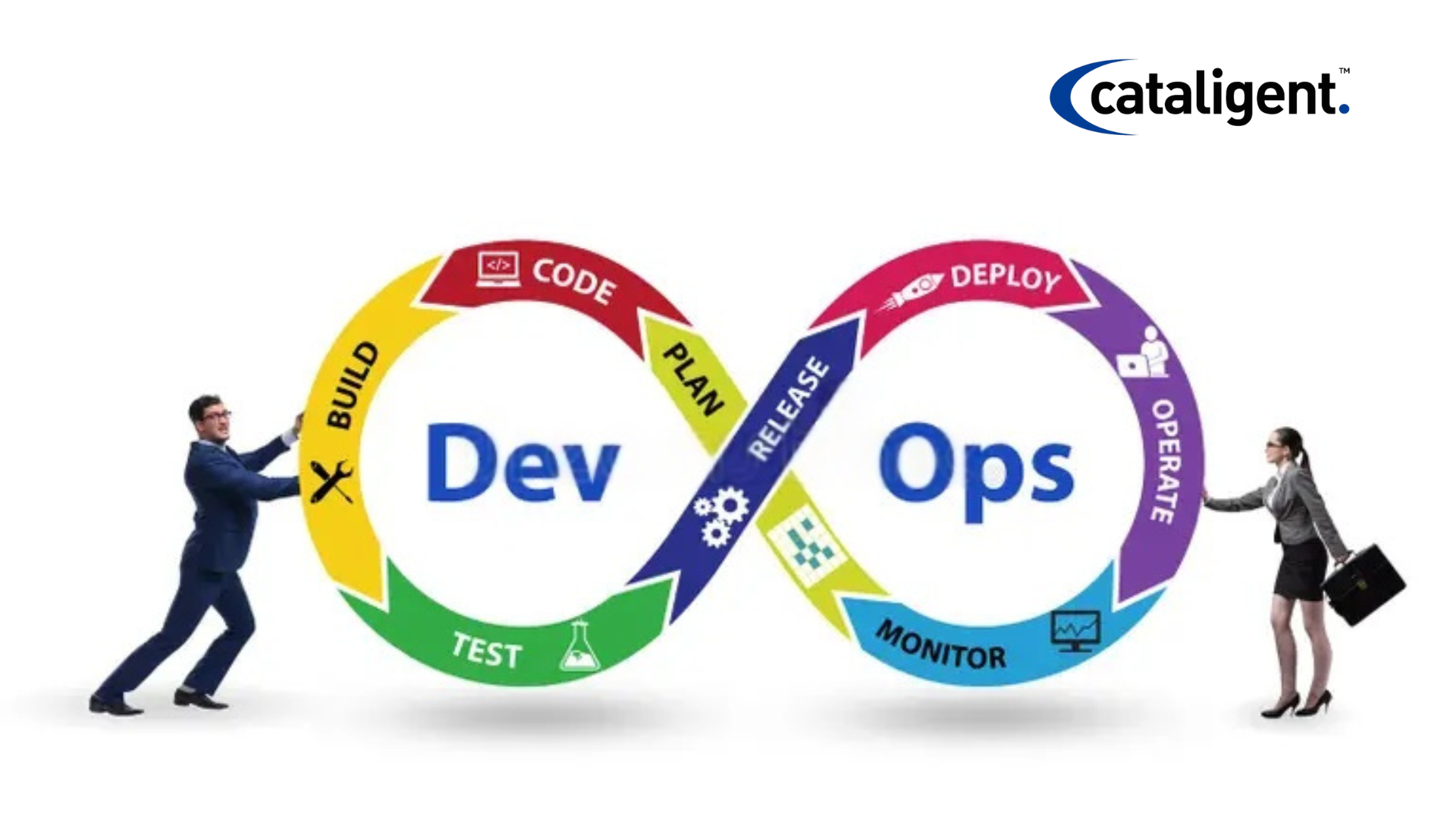
    The DevOps lifecycle is a structured approach that integrates development (Dev) and operations (Ops) teams to enhance software delivery, automation, and collaboration. By leveraging a continuous and iterative workflow, the DevOps lifecycle ensures rapid, reliable, and scalable application development and deployment. It promotes automation, monitoring, and feedback loops, allowing organizations to achieve faster releases, improved efficiency, and high-quality software.

    DevOps is not just a methodology but a cultural shift that bridges the gap between development, testing, and IT operations, promoting seamless collaboration and automation. The lifecycle is designed to enhance software stability, security, and scalability, ensuring continuous improvement and high availability of applications in modern IT environments.

    Phases of the DevOps Lifecycle

    The DevOps lifecycle consists of several interconnected phases, each focusing on a distinct aspect of software development and operations. These phases create a continuous feedback loop, enabling rapid iterations and ensuring efficiency and performance improvements.

    1. Plan

    The planning phase is the foundation of the DevOps lifecycle. It involves defining the project scope, objectives, and development roadmap. Effective planning ensures clear alignment between business goals and technical requirements, setting the stage for smooth execution.

    • Key Activities:
      • Requirement gathering and analysis
      • Defining the project scope and milestones
      • Setting key performance indicators (KPIs)
      • Prioritizing tasks using Agile methodologies like Scrum or Kanban
      • Risk assessment and mitigation planning
    • Tools Used:
      • Jira, Trello, Confluence, Asana
      • Microsoft Azure DevOps, GitHub Projects

    2. Develop

    The development phase involves writing, reviewing, and committing code to a version control system (VCS). DevOps emphasizes collaborative development, automation, and integration to speed up the software delivery pipeline.

    • Key Activities:
      • Writing and reviewing code
      • Using Infrastructure as Code (IaC) for automation
      • Implementing feature branching strategies (e.g., Git Flow)
      • Unit and integration testing to catch early-stage defects
      • Automating code linting and security checks
    • Tools Used:
      • Git, GitHub, GitLab, Bitbucket
      • Integrated Development Environments (IDEs) such as VS Code, IntelliJ IDEA, Eclipse
      • Static code analysis tools like SonarQube, ESLint

    3. Build

    The build phase involves compiling the source code, resolving dependencies, and creating deployable artifacts. Automation in this phase ensures consistent and reproducible builds, reducing errors and inconsistencies.

    • Key Activities:
      • Compiling and packaging code
      • Running automated unit tests and static analysis
      • Generating deployable artifacts (e.g., Docker images, JARs, WARs)
      • Managing dependencies and resolving conflicts
    • Tools Used:
      • Maven, Gradle, Jenkins, Travis CI, GitHub Actions
      • Docker for containerization

    4. Test

    Testing is a crucial phase to ensure software quality, security, and performance. A comprehensive testing strategy includes unit, integration, functional, regression, and performance testing.

    • Key Activities:
      • Automated testing for code validation
      • Load and stress testing for performance evaluation
      • Security and compliance testing (DevSecOps integration)
      • Functional and UI testing
    • Tools Used:
      • Selenium, JUnit, TestNG, Postman
      • JMeter, SonarQube, OWASP ZAP, Burp Suite
      • Cucumber for behavior-driven development (BDD)

    5. Release

    Once the software passes all tests, it moves into the release phase. This step involves versioning, approval workflows, and deployment planning. CI/CD pipelines help automate this process, ensuring smooth and error-free releases.

    • Key Activities:
      • Creating and managing software versions
      • Deployment approval and rollback planning
      • Implementing release automation for efficiency
    • Tools Used:
      • Jenkins, CircleCI, GitLab CI/CD, AWS CodePipeline
      • Helm (for Kubernetes deployments)

    6. Deploy

    Deployment involves releasing the software into production or staging environments. Continuous Deployment (CD) automates this process, reducing manual intervention and ensuring seamless software rollouts.

    • Key Activities:
      • Deploying applications to cloud or on-premises environments
      • Implementing Blue-Green Deployment and Canary Releases
      • Ensuring minimal downtime with rolling updates
      • Monitoring and validating post-deployment performance
    • Tools Used:
      • Kubernetes, Docker, AWS CodeDeploy
      • Terraform, Ansible, Chef, Puppet

    7. Operate

    The operation phase ensures that the deployed application runs smoothly in production. It focuses on infrastructure management, performance monitoring, and security.

    • Key Activities:
      • Real-time infrastructure monitoring
      • Log management and troubleshooting
      • Security audits and compliance checks
      • Scaling and optimizing cloud infrastructure
    • Tools Used:
      • Prometheus, Grafana, ELK Stack (Elasticsearch, Logstash, Kibana)
      • Datadog, Splunk, New Relic, CloudWatch

    8. Monitor & Feedback

    Continuous monitoring and feedback ensure that any potential issues are detected and addressed promptly. By analyzing performance metrics and user feedback, teams can refine the software and infrastructure.

    • Key Activities:
      • Monitoring system performance and health
      • Incident management and root cause analysis
      • Implementing proactive security measures
      • Collecting user feedback for future improvements
    • Tools Used:
      • Nagios, Zabbix, Splunk
      • ServiceNow, PagerDuty, OpsGenie

    Benefits of the DevOps Lifecycle

    Adopting a structured DevOps lifecycle offers several advantages:

    • Accelerated Software Delivery: Continuous integration and automation speed up development cycles.
    • Improved Collaboration: Bridges the gap between development and operations teams.
    • Higher Software Quality: Automated testing reduces defects and enhances reliability.
    • Scalability & Flexibility: Supports rapid scaling of applications and infrastructure.
    • Enhanced Security & Compliance: Integrates security best practices throughout the lifecycle.
    • Reduced Operational Costs: Automating repetitive tasks minimizes manual effort and resource usage.

    Best Practices for Implementing DevOps Lifecycle

    To optimize the DevOps lifecycle, organizations should follow these best practices:

    • Adopt Agile Methodologies: Use Agile principles to ensure iterative development and adaptability.
    • Implement CI/CD Pipelines: Automate code integration, testing, and deployment for seamless delivery.
    • Use Infrastructure as Code (IaC): Automate infrastructure management with tools like Terraform and Ansible.
    • Enhance Security with DevSecOps: Integrate security at every phase of the development lifecycle.
    • Monitor Continuously: Use real-time monitoring to detect and resolve issues before they impact users.
    • Foster a Collaborative Culture: Encourage communication between Dev, Ops, and QA teams to improve efficiency.

    Conclusion

    The DevOps lifecycle is a comprehensive framework that enables organizations to develop, test, deploy, and manage software efficiently. By integrating automation, collaboration, and monitoring, DevOps enhances software quality, scalability, and security while reducing time-to-market. Implementing DevOps best practices ensures high availability, reliability, and performance, making it an essential approach for modern IT teams.