
How to Adopt DevOps
How to Adopt DevOps DevOps adoption is not only a tooling decision. It is an operating change that affects how development, operations, quality, security, product, business, and leadership teams plan work, approve releases, manage risks, respond to incidents, and report progress. Many organizations start DevOps with automation tools, pipelines, cloud platforms, monitoring dashboards, and agile […]
Automated Testing in DevOps

Automated Testing in DevOps Automated testing is one of the most important quality controls in DevOps. It helps teams check code, integrations, functionality, performance, security, and regression risk faster than manual testing alone. But automated testing only creates business value when test findings lead to governed decisions, owned fixes, release readiness, and measurable improvement. Many […]
What Is DevOps Lifecycle?
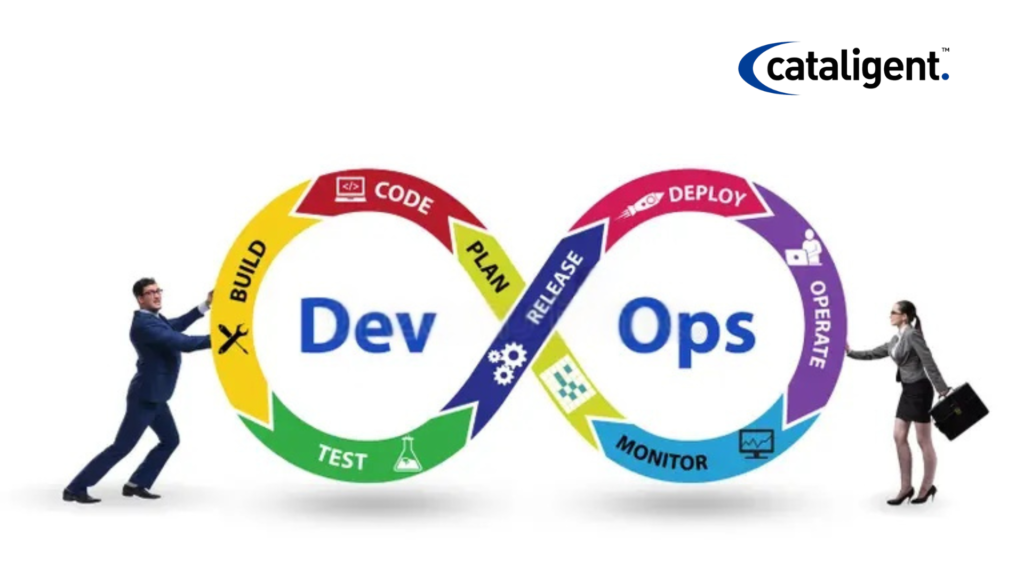
What Is DevOps Lifecycle? The DevOps lifecycle is a structured way to plan, build, test, release, deploy, operate, monitor, and improve software. It brings development, operations, quality, security, product, and business teams into one continuous operating model so software delivery becomes more controlled, measurable, and responsive to business needs. For business leaders, engineering leaders, PMO […]
Version Control in DevOps

Version Control in DevOps Version control is one of the foundations of DevOps because it gives teams a controlled way to manage code, configuration, infrastructure files, test scripts, documentation, and release changes. It helps teams see what changed, who changed it, why it changed, and when it should move through review, testing, and deployment. In […]
Continuous Integration/Continuous Deployment (CI/CD) in DevOps
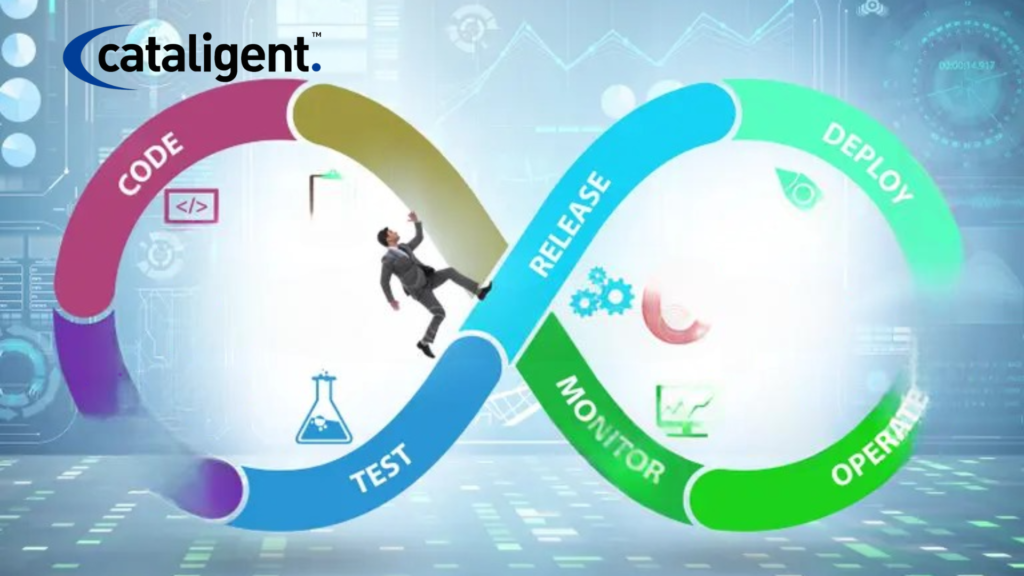
Continuous Integration/Continuous Deployment (CI/CD) in DevOps Continuous Integration and Continuous Deployment, commonly written as CI/CD, are core DevOps practices that help software teams build, test, release, and improve applications with greater discipline. CI/CD reduces the risk of large, late releases by making code integration, testing, packaging, deployment, and production feedback more frequent and more controlled. […]
Configuration Management in DevOps
Configuration Management in DevOps Configuration management in DevOps helps teams keep infrastructure, application settings, environments, policies, and deployment configurations consistent across development, testing, staging, and production. It reduces the risk that software behaves one way in one environment and differently in another. For engineering leaders, operations teams, product owners, service owners, PMO teams, finance teams, […]