
The Art of the “Clean” Close: Why most projects never actually finish and how to avoid the “Zombie Project” phase.
The Art of the “Clean” Close: Why most projects never actually finish and how to avoid the “Zombie Project” phase. Projects rarely become zombie projects because teams stop working. They become zombie projects because nobody defines what finished means, nobody confirms value, and old initiatives keep absorbing meetings, budget, attention, and reporting time long after […]
Adaptive Project Execution for High-Impact Outcomes – Navigating Complexity with Agility
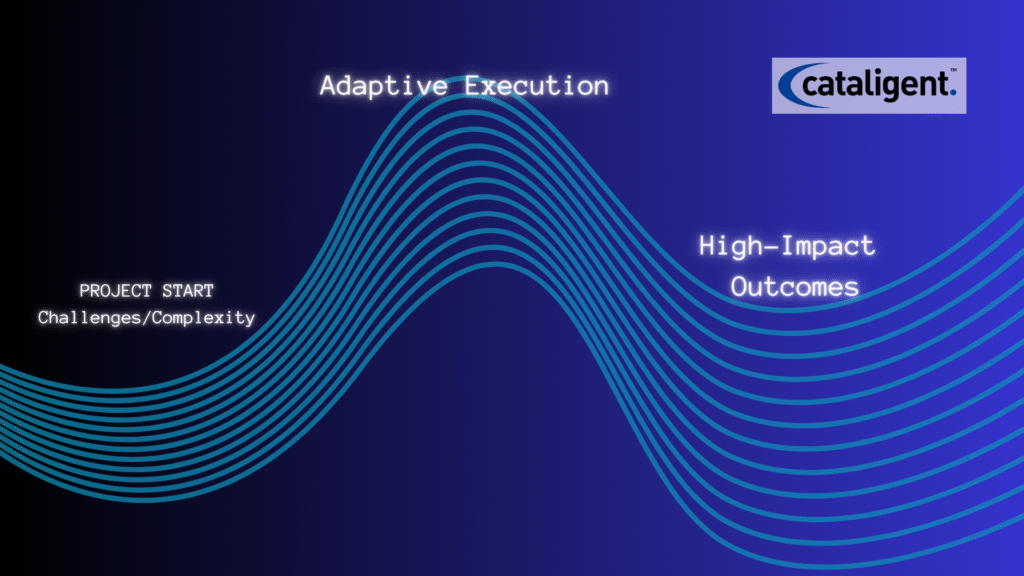
Adaptive Project Execution for High-Impact Outcomes – Navigating Complexity with Agility Adaptive project execution is not the same as changing direction whenever pressure appears. In complex transformation programmes, teams need the ability to adjust scope, sequence, owners, forecasts, and decisions while keeping governance intact. Without that control, agility becomes another name for unmanaged change. For […]
Capacity Optimization: Balancing Resources Across Competing Priorities

Capacity Optimization: Balancing Resources Across Competing Priorities Capacity optimization becomes difficult when every priority looks urgent and every team reports that it is fully loaded. Enterprise leaders may approve too many initiatives, consulting teams may commit to aggressive timelines, and PMOs may discover resource conflicts only after delivery slows down. Balancing resources across competing priorities […]
Portfolio Visibility: How Dashboards Empower Smarter Leadership Decisions

Portfolio Visibility: How Dashboards Empower Smarter Leadership Decisions Portfolio visibility is not the same as a colorful dashboard. Leadership decisions improve only when the dashboard shows current execution reality, financial effect, owner accountability, risks, dependencies, and decisions needed. Without that connection, dashboards become another reporting layer on top of fragmented data. For consulting firms and […]
Managing Project Risk Proactively Instead of Reactively
Managing Project Risk Proactively Instead of Reactively Project risk management becomes reactive when risks are discovered through missed deadlines, budget overruns, delayed approvals, or uncomfortable steering committee questions. By then, the project team is not managing risk. It is explaining damage that was visible earlier but not connected to the right decision process. Managing project […]
Phase-Gate Excellence: Why Structured Project Start-Up Defines Success
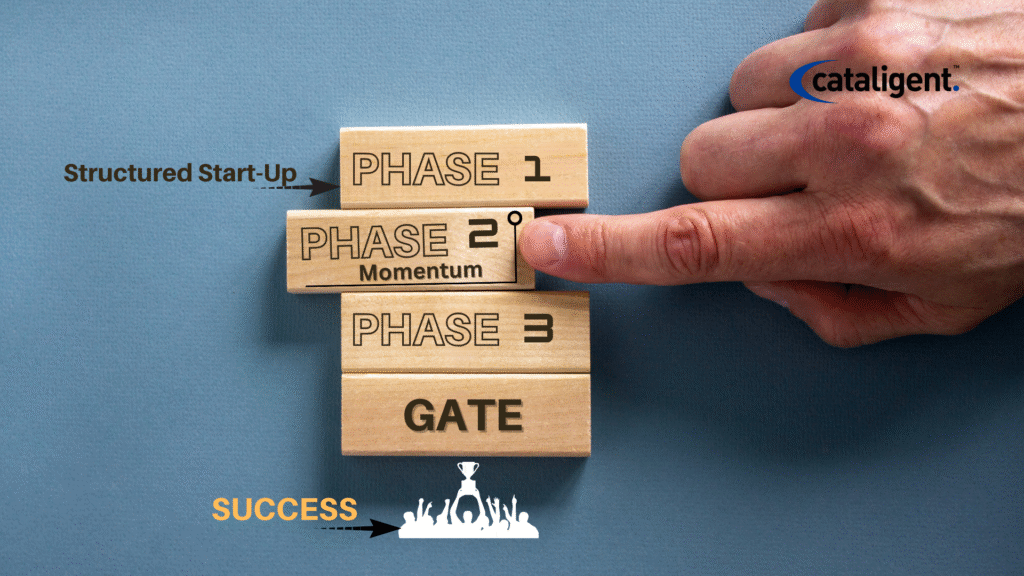
Phase-Gate Excellence: Why Structured Project Start-Up Defines Success Phase gate excellence is decided before the first status report is written. When a project starts without a clear owner, business case, approval path, financial baseline, risk view, and evidence requirement, the team may still be busy, but leadership has already lost control of the work. Structured […]