
Using Real-Time Data Analytics for Inventory Decisions

Using Real-Time Data Analytics for Inventory Decisions Inventory teams lose money when decisions are made from stale extracts, delayed reports, disconnected spreadsheets, and manual exception lists. Using real time data analytics for inventory decisions can reduce excess stock, stockouts, expedite cost, storage waste, and write down exposure, but only when analytics are connected to governed […]
Streamlining Supplier Relationships for Cost Savings

Streamlining Supplier Relationships for Cost Savings Supplier cost problems rarely come from price alone. They come from fragmented spend, unclear ownership, weak contract compliance, poor performance evidence, unmanaged rebates, late dispute resolution, excess specifications, and savings claims that are never validated. Improving supplier relationships for cost savings is therefore a governance challenge, not only a […]
Implementing Cross-Docking for Faster Turnaround
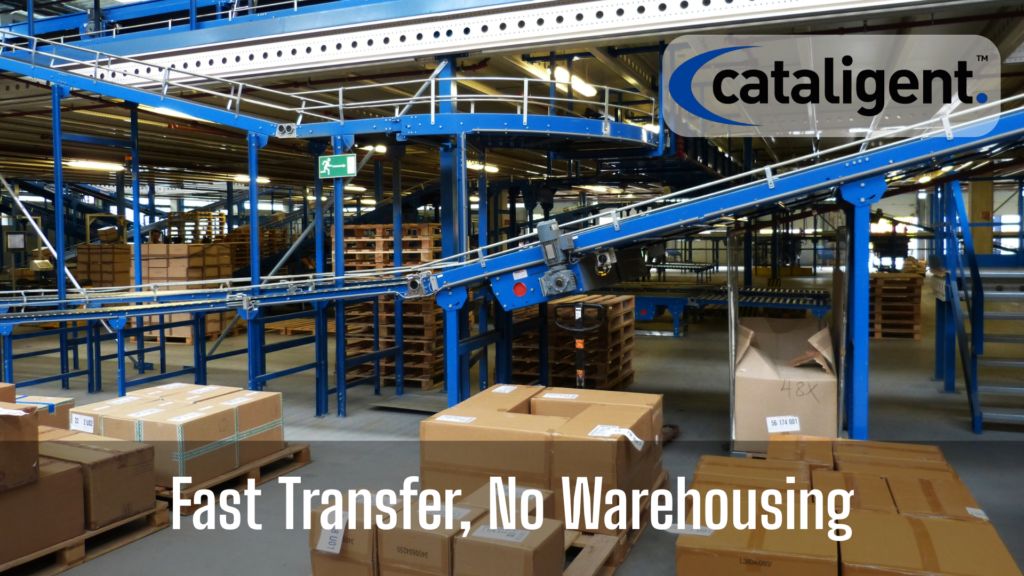
Implementing Cross-Docking for Faster Turnaround Warehouse cost often hides in the hours between inbound receipt and outbound shipment. Implementing cross docking for faster turnaround can reduce storage, handling, damage, labor overtime, and inventory holding cost, but only when the program is governed with clear flows, baselines, owners, dependency control, and finance validation. For supply chain […]
Reducing Dead Stock and Slow-Moving Inventory
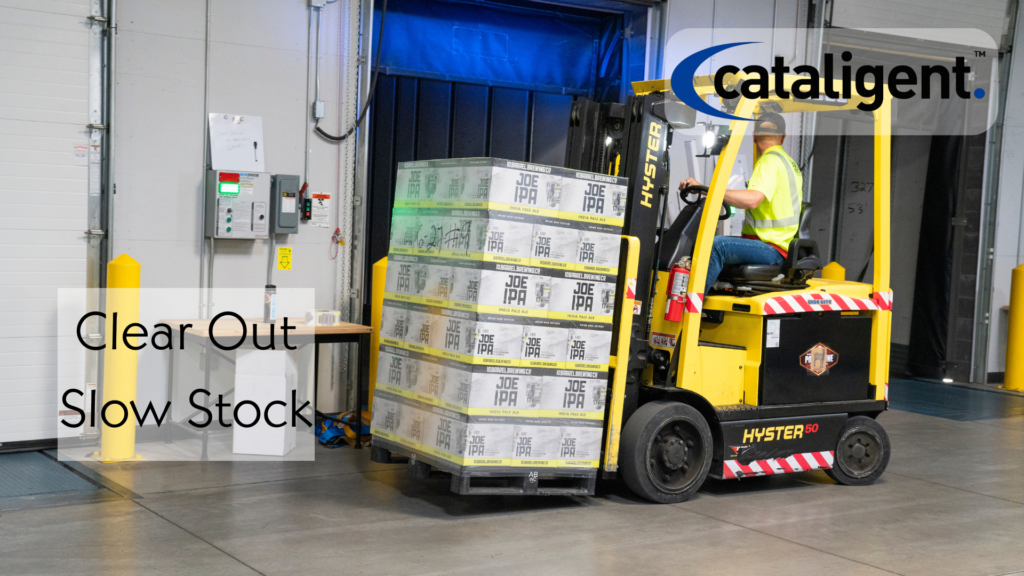
Reducing Dead Stock and Slow-Moving Inventory Cash gets trapped when inventory decisions are approved without a clear baseline, ageing view, owner, exit route, and finance validation. Reducing dead stock and slow moving inventory is not only a warehouse clean up exercise. It is a cost saving strategy that protects working capital, storage capacity, margin, supplier […]
Adopting Dropshipping for Low-Demand Items

Adopting Dropshipping for Low-Demand Items Low demand items absorb working capital, warehouse space, catalog effort, supplier attention and write off risk long after their commercial value has declined. Adopting Dropshipping for Low-Demand Items is a cost saving strategy when it helps the business stop holding slow moving stock while still serving customers through supplier direct […]
Implementing Vendor-Managed Inventory (VMI)
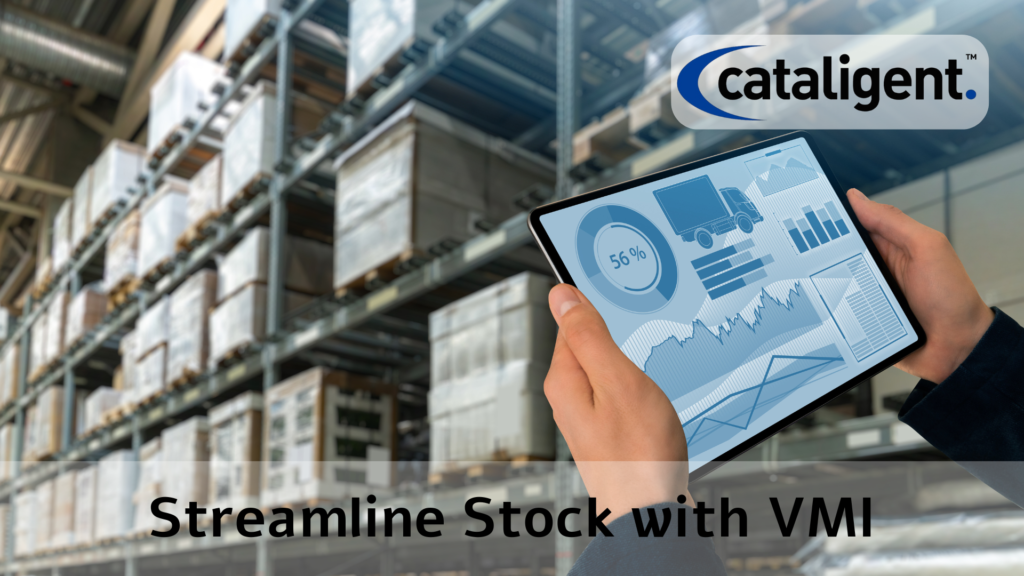
Implementing Vendor-Managed Inventory (VMI) Vendor managed inventory can reduce cost, but only when the business governs the supplier relationship, stock policy, service promise, data quality, and finance validation. Implementing Vendor-Managed Inventory (VMI) is not simply handing replenishment to a supplier. It is a cost saving strategy that shifts selected inventory decisions into a controlled operating […]