
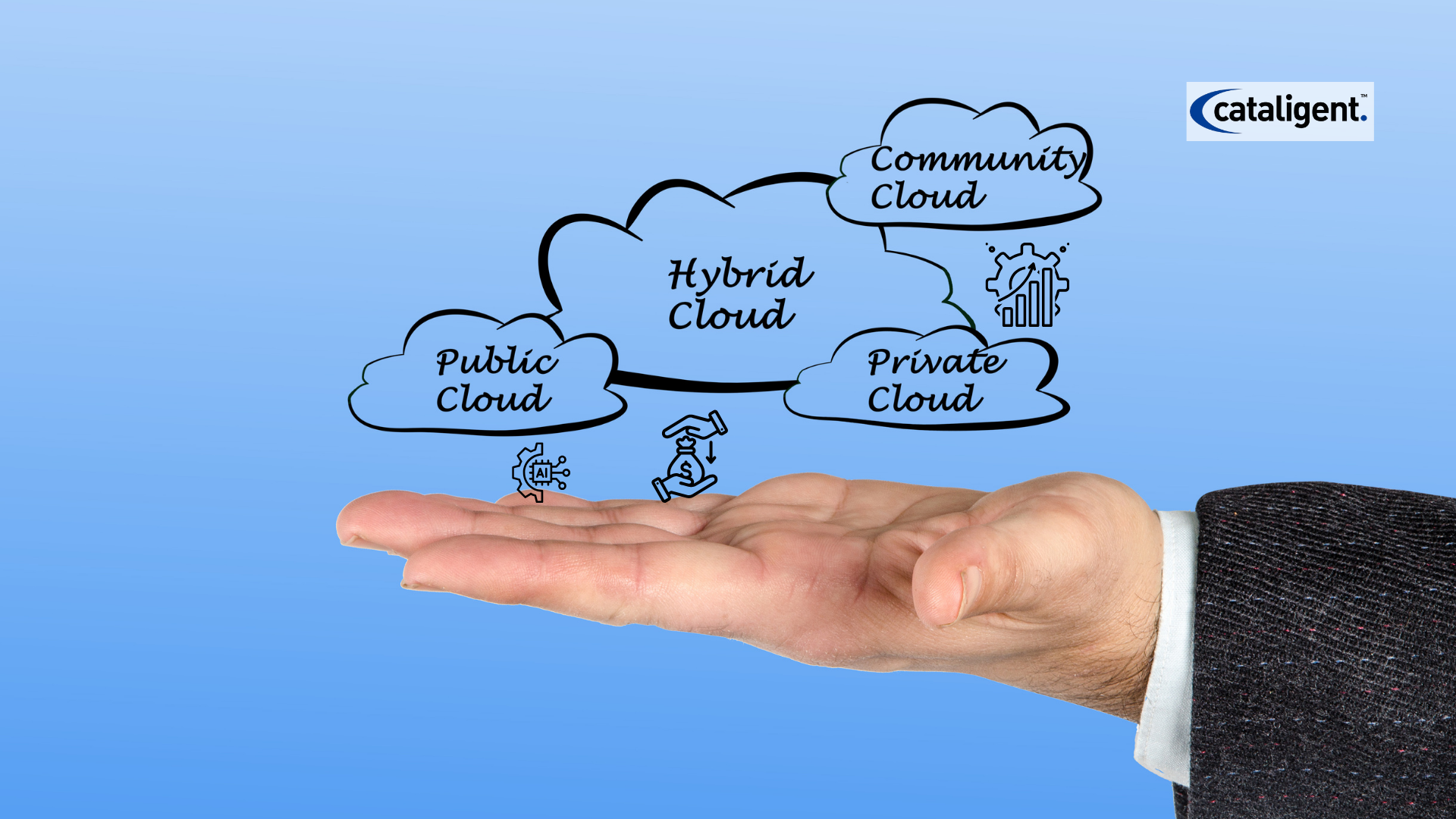
Adaptive ITSM for Hybrid and Multi Cloud Governance
Hybrid and multi cloud environments have become a normal part of enterprise operations. Many organizations now use a mix of public cloud platforms, private cloud systems, on premise infrastructure, business applications, and external service providers. This gives the business flexibility, but it also makes IT service management more difficult to control.
Service issues may appear in one cloud platform but affect users across several business functions. Change approvals may involve infrastructure, security, application, finance, and vendor teams. Cost related actions may be identified in reports, but not tracked through ownership and follow up. Compliance related tasks may be discussed, but not always connected to clear actions, risks, and reporting.
This is why hybrid and multi cloud environments need adaptive ITSM governance.
Adaptive ITSM is not only about adding more tools. It is about creating a controlled service management model that helps teams manage incidents, requests, changes, risks, approvals, service improvement actions, and leadership reporting across complex technology environments.
What Adaptive ITSM Means
Adaptive ITSM means managing IT services in a way that can adjust to changing infrastructure, multiple providers, distributed teams, and evolving business needs. It helps organizations keep service management disciplined even when the underlying technology environment becomes more complex.
In a simple IT environment, one team may own the system, the infrastructure, and the support process. In a hybrid or multi cloud environment, ownership is often spread across internal IT, cloud operations, application teams, security, vendors, and business stakeholders.
Adaptive ITSM helps create a clearer operating model around this complexity. It focuses on:
- Service ownership across platforms and teams
- Incident and problem follow up across multiple environments
- Change approval control
- Risk and dependency tracking
- Service improvement actions
- Cost related improvement follow up
- Leadership reporting across distributed service work
The goal is not to replace cloud management tools, monitoring platforms, or service desk systems. The goal is to make sure that service risks, decisions, and improvement work are governed clearly across the environment.
Why Hybrid and Multi Cloud ITSM Becomes Difficult
Hybrid and multi cloud environments often grow faster than the governance model around them. Different teams adopt different platforms. Business units use different applications. Vendors manage parts of the environment. Reporting is spread across service desk tools, monitoring platforms, spreadsheets, cloud consoles, and leadership decks.
This creates practical ITSM challenges:
- Unclear ownership when an issue crosses platforms or teams
- Fragmented incident and problem follow up
- Delayed change approvals across multiple stakeholders
- Service risks discussed in meetings but not tracked to closure
- Cost improvement actions identified but not owned
- Security or compliance related actions managed outside a clear workflow
- Manual reporting for leadership
- Different teams working from different versions of service status
The issue is not only technical complexity. It is execution complexity. Hybrid and multi cloud ITSM needs stronger governance because the work often crosses systems, teams, suppliers, budgets, and decision paths.
The Role of Governance in Adaptive ITSM
Governance gives adaptive ITSM its operating discipline. Without governance, service management can become a collection of separate tools and disconnected updates.
Good governance helps teams answer practical questions:
- Who owns the service across cloud and on premise environments?
- Which team owns the incident follow up?
- Which change needs business, security, or finance approval?
- Which service risk could affect business operations?
- Which cost related action needs to be reviewed?
- Which dependency may delay resolution?
- What does leadership need to know?
- Which actions are complete, delayed, blocked, or overdue?
Adaptive ITSM works best when these questions are not answered through email chains and manual spreadsheets. They should be managed through clear workflows, owners, milestones, approvals, risks, dashboards, and reporting.
Key Areas Adaptive ITSM Must Control
Service Ownership
Hybrid and multi cloud services often have shared ownership. One service may depend on an application team, a cloud platform team, a security team, a vendor, and a business owner. Adaptive ITSM should make ownership visible so incidents, risks, changes, and improvements do not fall between teams.
Incident and Problem Follow Up
When incidents cross platforms, root cause analysis can become slow and fragmented. Adaptive ITSM should connect recurring issues to problem management actions with owners, milestones, risks, and progress reporting.
Change Control
Hybrid environments often involve frequent changes across applications, infrastructure, integrations, access rights, and vendors. Change governance should include impact assessment, approval paths, risk review, implementation steps, communication, and post change review.
Risk and Dependency Tracking
Service risks in hybrid and multi cloud environments are often connected to dependencies. A delay in one platform, integration, vendor response, or approval can affect several services. Adaptive ITSM should make these dependencies visible and track them to resolution.
Cost Related Improvement Actions
Cloud cost reports may identify underused resources, duplicated services, or budget pressure. But reports do not reduce cost by themselves. Cost related findings need responsible owners, review actions, approvals, timelines, and reporting to leadership.
Security and Compliance Related Actions
Hybrid and multi cloud environments often require consistent follow up on security reviews, access controls, policy exceptions, audit findings, and compliance related actions. Adaptive ITSM should help teams track these actions clearly without claiming that the ITSM process itself guarantees compliance.
Leadership Reporting
Leadership needs a clear view of service risks, major incidents, delayed actions, change risks, cost related improvement work, and decisions required. Adaptive ITSM should support management ready reporting across teams and environments.
From Cloud Complexity to Service Governance
The table below shows how hybrid and multi cloud complexity can be translated into governed ITSM actions.
| Hybrid or Multi Cloud Challenge | Governance Question | Managed ITSM Action |
|---|---|---|
| Incident crosses several platforms | Who owns the root cause follow up? | Create a problem action with owner, milestones, risks, and review date |
| Change affects multiple teams | Which approvals and dependencies are required? | Track approval steps, implementation risks, and post change review |
| Cloud cost issue is identified | Who owns the cost improvement action? | Assign owners, deadlines, approvals, and progress reporting |
| Security review creates follow up tasks | Who owns each action and risk? | Track actions, owners, due dates, risk status, and leadership visibility |
| Service ownership is unclear | Which team is accountable for the service? | Define ownership, escalation paths, and reporting responsibility |
| Leadership lacks one view | What risks, actions, and decisions need attention? | Create management ready dashboards and structured reporting |
Why Adaptive ITSM Matters for Business Transformation
Hybrid and multi cloud environments are often created to support business transformation. Organizations adopt new platforms, modernize applications, improve scalability, support remote teams, and build more flexible operating models.
But technology adoption alone does not guarantee better execution. If service ownership is unclear, change approvals are slow, risks are not tracked, and reporting remains manual, the business may not get the value it expected from cloud investment.
Adaptive ITSM helps business transformation by giving service work a clearer control model. It helps connect cloud and infrastructure complexity to service reliability, governance, ownership, cost related actions, risk tracking, and leadership visibility.
This matters because transformation depends on more than new systems. It depends on whether those systems are managed well enough to support the business every day.
Common Mistakes in Hybrid and Multi Cloud ITSM
Organizations often struggle because their ITSM model does not keep pace with infrastructure complexity.
Common mistakes include:
- Treating cloud monitoring as the same thing as service governance
- Leaving cross platform ownership unclear
- Managing approvals through email chains
- Tracking cost related actions in spreadsheets
- Reporting cloud service risks manually to leadership
- Not connecting service risks to business impact
- Managing security or compliance follow ups outside a structured action plan
- Using fragmented reporting across vendors, cloud platforms, and internal teams
These mistakes create operational friction. They also make it harder for leaders to understand whether the organization is managing service performance, risk, and cost related improvement work effectively.
How to Build an Adaptive ITSM Governance Model
1. Map Critical Services Across Environments
Identify which services depend on public cloud, private cloud, on premise infrastructure, applications, integrations, and vendors. This gives teams a clearer view of dependencies and ownership.
2. Define Owners and Escalation Paths
Each critical service should have defined owners, support responsibilities, escalation paths, and decision rights. This helps reduce confusion when incidents, risks, or changes cross platforms.
3. Connect Cloud Findings to Managed Actions
Monitoring alerts, service reports, cost findings, and risk reviews should become tracked actions when they require follow up. Each action should have an owner, target date, risk view, approval path, and reporting status.
4. Strengthen Change Governance
Changes in hybrid and multi cloud environments can affect multiple services and teams. Change governance should make approval steps, risks, dependencies, communication, and post change review visible.
5. Track Risks, Dependencies, and Cost Related Work
Adaptive ITSM should help teams manage service risks, cross platform dependencies, and cost related improvement actions in one structured view. This helps leadership see what is delayed, blocked, or in progress.
6. Create Leadership Reporting That Supports Decisions
Reports should show more than technical status. They should show service impact, risks, delayed actions, ownership, cost related improvement progress, and decisions required.
How Cataligent Supports Adaptive ITSM Through CAT4
Cataligent supports adaptive ITSM through CAT4, its no code strategy execution and workflow platform. CAT4 should not be positioned as a cloud monitoring platform, cloud management tool, security enforcement system, compliance guarantee, or specialist ITSM replacement.
Its role is different.
CAT4 helps organizations manage the execution and governance layer around ITSM improvement. This is especially useful when hybrid or multi cloud environments create cross team actions, service risks, change approvals, cost related improvement tasks, or leadership reporting needs.
For example, if cloud reports, monitoring tools, service desk data, or risk reviews identify service issues, cost concerns, approval delays, or improvement opportunities, CAT4 can help teams turn those findings into governed work.
Teams can assign owners, define milestones, manage approvals, monitor risks, track progress, and report outcomes to leadership.
In simple terms, cloud and ITSM tools may show what is happening. CAT4 helps teams manage what needs to be done about it.
| Adaptive ITSM Need | Common Challenge | How Cataligent Supports Through CAT4 |
|---|---|---|
| Cross platform ownership | Several teams are involved, but accountability is unclear | Helps define owners, responsibilities, milestones, risks, and status visibility |
| Change governance | Approvals and dependencies are managed through meetings or email | Supports approval workflows, implementation steps, risks, and review points |
| Service risk tracking | Risks are identified in tools or meetings but not tracked to closure | Helps manage risks, owners, due dates, escalation points, and progress reporting |
| Cost related actions | Cost findings are visible but not converted into owned improvement work | Supports action tracking, ownership, approvals, deadlines, and leadership reporting |
| Security or compliance follow up | Review findings create actions that need ownership and progress tracking | Helps manage follow up actions, risks, milestones, and reporting without claiming compliance assurance |
| Leadership reporting | Executives lack one clear view of actions, risks, dependencies, and decisions | Supports dashboards and management ready reporting on progress, risks, and decisions required |
CAT4 is relevant when adaptive ITSM connects to wider IT Service Management, Business Transformation, Multi Project Management, or Cost Saving Programs initiatives.
What Cataligent Does Not Claim
Cataligent should not claim that CAT4 consolidates live cloud monitoring data, enforces cloud security policies, guarantees compliance, or directly optimizes cloud infrastructure costs unless those capabilities are formally confirmed.
Cataligent’s stronger position is the governance and execution layer. Through CAT4, Cataligent helps organizations manage the actions, owners, approvals, risks, milestones, dashboards, and reporting required after cloud or ITSM findings are identified.
This distinction matters because hybrid and multi cloud organizations often already have monitoring, service desk, security, and cloud management tools. The harder challenge is turning findings from those tools into governed action and leadership visible progress.
Conclusion
Hybrid and multi cloud environments give organizations flexibility, but they also increase service management complexity. Incidents, changes, risks, cost related actions, security follow ups, and leadership reporting often cross several teams and systems.
Adaptive ITSM helps organizations manage this complexity through clearer ownership, structured workflows, approval control, risk tracking, action management, and reporting.
Cataligent supports this execution layer through CAT4. CAT4 helps teams manage ITSM improvement actions with clearer owners, milestones, approvals, risks, dashboards, and leadership reporting while working alongside existing ITSM, cloud, monitoring, and service desk tools.
If hybrid and multi cloud service management is becoming harder to control, the next step is not only more visibility. The next step is stronger execution governance.
Ready to strengthen adaptive ITSM governance? Explore how Cataligent can help your teams manage service risks, change actions, approvals, cost related improvement work, and leadership reporting through CAT4.
Improve Adaptive ITSM Governance with Cataligent
FAQs
What is adaptive ITSM?
Adaptive ITSM is a service management approach that helps organizations manage IT services across changing, distributed, and complex environments such as hybrid and multi cloud operations. It focuses on clear ownership, workflows, risks, approvals, service improvement actions, and reporting.
Does CAT4 replace cloud monitoring or ITSM tools?
No, CAT4 should not be positioned as a replacement for cloud monitoring platforms, service desk systems, or specialist ITSM tools. CAT4 supports the governance and execution layer by helping teams manage actions, owners, approvals, risks, dashboards, and reporting.
How does Cataligent support adaptive ITSM?
Cataligent supports adaptive ITSM through CAT4 by helping organizations turn service risks, change issues, cost related findings, and improvement opportunities into governed work. Teams can manage owners, milestones, approvals, risks, progress, and leadership reporting in one execution layer.