Month: March 2025

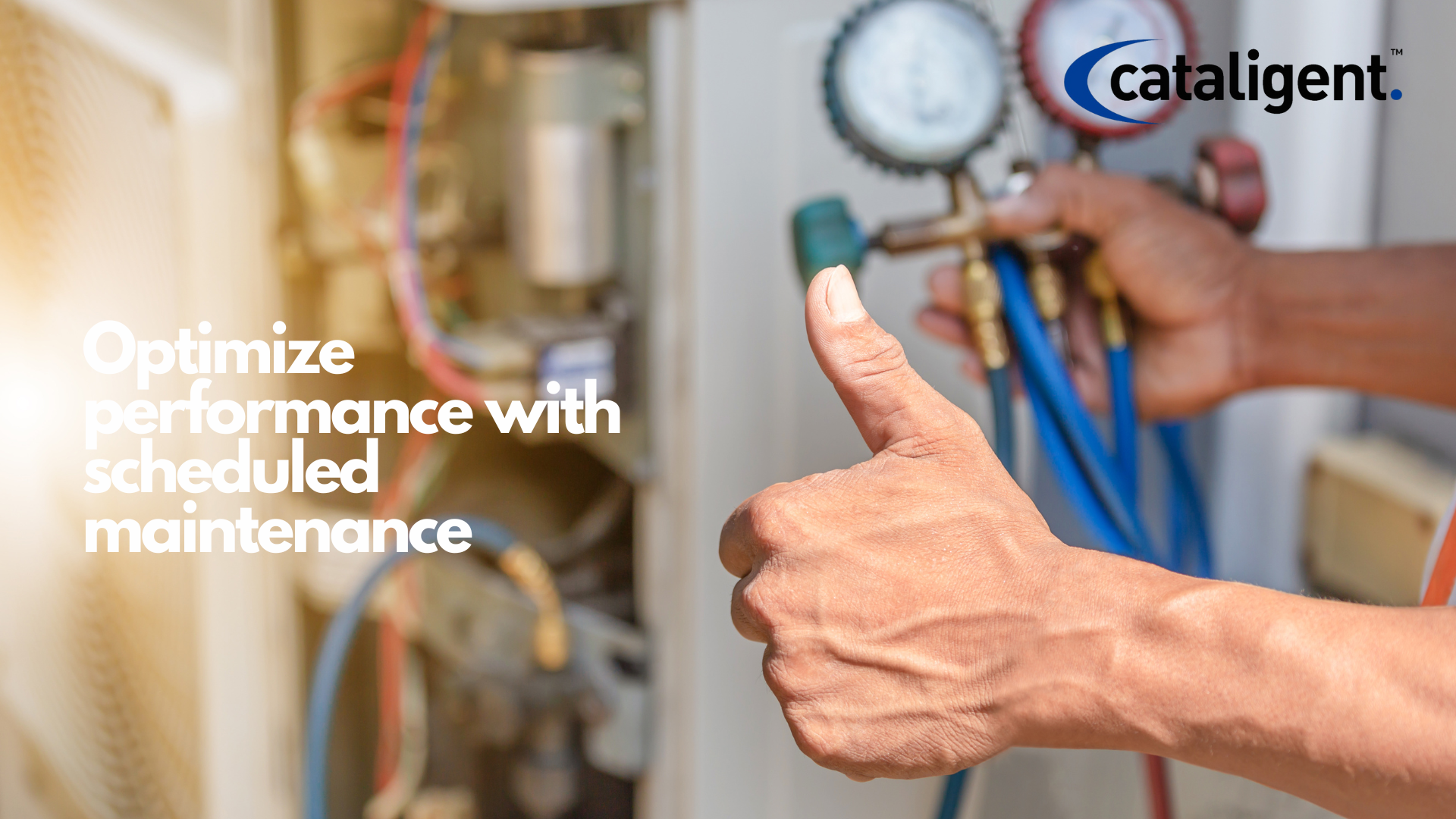
  • Scheduling Preventive Maintenance for Optimal Efficiency

    Scheduling Preventive Maintenance for Optimal Efficiency

    Introduction

    Preventive maintenance is a crucial practice that ensures equipment functions efficiently, minimizes unexpected breakdowns, and extends the lifespan of machinery. By regularly servicing key systems, organizations can prevent costly repairs, reduce energy waste, and improve overall operational efficiency. This document explores the benefits, strategies, and implementation of preventive maintenance.


    What It Involves

    Preventive maintenance consists of scheduled inspections, servicing, and repairs of equipment to prevent failures before they occur. Unlike reactive maintenance, which addresses issues after a breakdown, preventive maintenance proactively identifies potential problems and resolves them in advance.

    Key aspects of a preventive maintenance program include:

    • Routine Inspections: Regularly assessing equipment condition and identifying signs of wear and tear.
    • Scheduled Servicing: Performing periodic maintenance tasks such as lubrication, cleaning, and part replacement.
    • Calibration and Testing: Ensuring equipment operates at optimal performance levels.
    • Predictive Maintenance Tools: Utilizing data analytics and IoT sensors to detect early warning signs of failure.

    By implementing these measures, organizations can enhance productivity, reduce downtime, and cut maintenance costs.


    Cost-Saving Impact

    Preventive maintenance provides substantial financial benefits by optimizing energy use and extending the lifespan of equipment. Key cost-saving advantages include:

    1. Energy Efficiency

    Malfunctioning or poorly maintained equipment consumes more energy than necessary. Preventive maintenance ensures optimal performance, reducing energy waste in systems such as:

    • HVAC Systems: Clean filters and serviced components allow for efficient heating and cooling.
    • Motors and Compressors: Well-lubricated and aligned motors operate with less friction and energy loss.
    • Lighting Systems: Timely replacement of flickering or failing bulbs reduces excess energy consumption.

    2. Reduced Repair Costs

    Regular maintenance prevents minor issues from escalating into expensive repairs. Addressing wear and tear early reduces the likelihood of costly emergency fixes.

    3. Extended Equipment Lifespan

    Routine servicing extends the durability of assets, delaying the need for replacements and reducing capital expenditures.

    4. Minimized Downtime

    Unplanned equipment failures disrupt operations and lead to revenue loss. Preventive maintenance ensures machines run reliably, maintaining continuous productivity.


    Implementation Strategies

    A well-structured preventive maintenance program requires careful planning and execution. Below are the key steps to successful implementation:

    1. Identify Critical Equipment

    Determine which assets are essential to operations and require regular maintenance. Focus on systems with high energy consumption, such as:

    • HVAC systems
    • Motors and compressors
    • Electrical panels
    • Plumbing and water heating systems

    2. Develop a Preventive Maintenance Schedule

    Establish a routine maintenance plan based on manufacturer recommendations and operational needs. Key considerations include:

    • Daily Checks: Monitoring essential performance indicators.
    • Weekly Inspections: Examining minor components and lubrication needs.
    • Monthly Servicing: Cleaning, testing, and calibrating systems.
    • Annual Overhauls: Conducting deep inspections and part replacements.

    3. Utilize Predictive Maintenance Tools

    Modern technology enables proactive fault detection through:

    • IoT Sensors: Real-time monitoring of equipment performance.
    • Thermal Imaging: Identifying overheating components.
    • Vibration Analysis: Detecting mechanical misalignments.

    4. Train Maintenance Staff

    Equip maintenance personnel with the necessary skills to perform inspections and repairs efficiently. Provide ongoing training on the latest tools and best practices.

    5. Track and Evaluate Maintenance Performance

    Use computerized maintenance management systems (CMMS) to:

    • Log maintenance activities.
    • Track equipment history.
    • Analyze trends and optimize schedules.

    Challenges and Solutions

    While preventive maintenance offers numerous benefits, some challenges may arise. Below are common obstacles and how to overcome them:

    1. High Initial Investment

    • Challenge: Implementing a maintenance program requires upfront costs for tools, training, and system upgrades.
    • Solution: Start with critical assets and gradually expand the program. Utilize government incentives for energy-efficient upgrades.

    2. Resistance to Change

    • Challenge: Employees may be hesitant to adopt new maintenance practices.
    • Solution: Educate teams on the long-term benefits and provide hands-on training.

    3. Resource Allocation Issues

    • Challenge: Limited personnel and budget constraints may hinder effective maintenance.
    • Solution: Prioritize essential systems and consider outsourcing maintenance for specialized tasks.

    Conclusion

    Preventive maintenance is a vital strategy for optimizing energy efficiency, reducing costs, and extending equipment life. By implementing a structured maintenance schedule, leveraging predictive tools, and training staff effectively, organizations can achieve significant operational and financial benefits. While challenges such as upfront costs and resistance to change exist, proper planning and phased implementation ensure long-term success. Investing in preventive maintenance is a proactive step toward sustainability, reliability, and cost savings.
  • Adopting a Circular Economy Approach

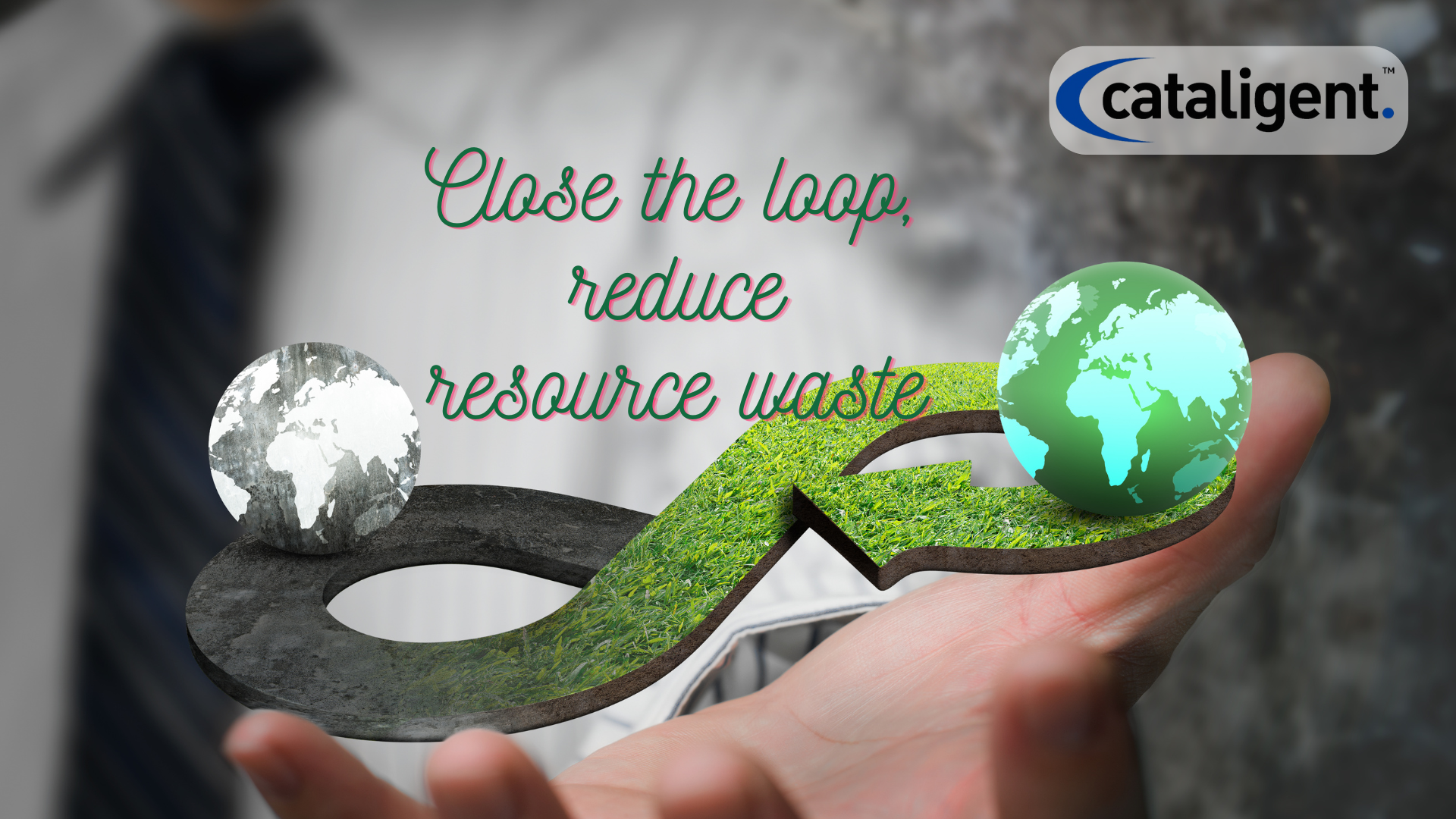
    Adopting a Circular Economy Approach

    Introduction

    In today’s world, businesses and organizations are under increasing pressure to adopt sustainable practices that minimize waste and resource consumption. A circular economy approach is one of the most effective strategies to achieve this goal. By reusing, recycling, and repurposing materials, companies can reduce costs, enhance efficiency, and contribute to environmental sustainability.

    This document explores the benefits of a circular economy, its cost-saving impact, and implementation strategies that organizations can adopt to transition toward a more sustainable model.


    What It Involves

    A circular economy approach involves designing products and processes to eliminate waste and extend the lifecycle of materials. Instead of following the traditional linear economy model (take, make, dispose), a circular economy emphasizes:

    • Reuse: Maximizing the life cycle of products by refurbishing and repurposing them.
    • Recycle: Transforming used materials into new products to reduce the need for virgin resources.
    • Repurpose: Finding alternative uses for by-products and waste materials to minimize disposal.

    A well-structured circular economy strategy ensures that materials remain in use for as long as possible, reducing the environmental footprint of production and consumption.


    Cost-Saving Impact

    Adopting a circular economy approach offers significant financial benefits, including:

    • Reduced Procurement Costs: Maximizing material usage reduces the need to purchase new raw materials, leading to cost savings.
    • Lower Waste Disposal Fees: Efficient waste management minimizes disposal expenses by reducing the amount of waste sent to landfills.
    • Energy Savings: Recycling and reusing materials often require less energy compared to producing new items from raw resources.
    • Enhanced Brand Reputation: Sustainable practices attract environmentally conscious consumers and stakeholders, potentially increasing revenue.
    • Regulatory Compliance: Many governments offer incentives and tax benefits to organizations that adopt circular economy practices.

    Implementation Strategies

    Successfully implementing a circular economy requires a structured approach. Here are key strategies that organizations can adopt:

    1. Establish Recycling Programs

    A well-defined recycling initiative ensures that materials such as paper, metal, plastic, and electronics are properly collected and repurposed.

    • Set up designated recycling bins across facilities.
    • Partner with waste management companies that specialize in recycling.
    • Educate employees on proper recycling practices to enhance participation.

    2. Collaborate with Sustainable Suppliers

    Working with suppliers who use recycled or upcycled materials can significantly reduce the demand for virgin resources.

    • Source materials from companies that prioritize sustainability.
    • Encourage suppliers to adopt eco-friendly packaging.
    • Partner with organizations that offer take-back programs for used products.

    3. Design for Longevity and Reusability

    Incorporating sustainability into product design can extend the lifecycle of materials and reduce waste.

    • Use modular designs that allow easy repairs and upgrades.
    • Select durable materials that can withstand multiple uses.
    • Avoid single-use packaging by opting for reusable alternatives.

    4. Implement Waste Reduction Practices

    Minimizing waste at the source prevents unnecessary resource consumption.

    • Conduct waste audits to identify areas of excessive waste.
    • Encourage employees to reduce paper use through digital alternatives.
    • Optimize production processes to minimize material waste.

    5. Promote a Culture of Circular Thinking

    Engaging employees and stakeholders in sustainability initiatives ensures long-term success.

    • Offer training programs on circular economy principles.
    • Recognize and reward teams that contribute to waste reduction and recycling efforts.
    • Encourage innovation by supporting sustainable product development ideas.

    Potential Challenges and Solutions

    While the benefits of a circular economy are significant, organizations may face some challenges in implementation. Here’s how to overcome them:

    1. High Initial Investment

    • Challenge: Transitioning to circular systems may require upfront costs for new equipment and infrastructure.
    • Solution: Seek government incentives, grants, and partnerships to offset costs. Implement changes in phases to manage financial impact.

    2. Supply Chain Complexity

    • Challenge: Finding sustainable suppliers or sourcing recycled materials can be difficult.
    • Solution: Build strong partnerships with suppliers who share sustainability goals. Use certification programs to identify responsible sourcing options.

    3. Employee Resistance

    • Challenge: Employees may be hesitant to adopt new processes.
    • Solution: Provide training and communicate the long-term benefits of sustainability initiatives.

    4. Market Demand for Sustainable Products

    • Challenge: Consumer awareness and demand for recycled or upcycled products may be low.
    • Solution: Educate customers about the benefits of circular economy products and highlight sustainability in marketing efforts.

    Conclusion

    Adopting a circular economy approach is a powerful strategy for reducing costs, minimizing waste, and promoting sustainability. By implementing recycling programs, collaborating with eco-friendly suppliers, designing long-lasting products, and fostering a culture of sustainability, organizations can achieve significant environmental and financial benefits.

    Although challenges may arise, proper planning and phased implementation can ensure a smooth transition to circular business practices. In the long run, companies that embrace a circular economy not only contribute to environmental preservation but also gain a competitive advantage in an increasingly sustainability-focused marketplace.

  • Implementing Water Efficiency Measures for Cost Savings and Sustainability

    Implementing Water Efficiency Measures for Cost Savings and Sustainability

    Introduction

    Water is an essential resource for any facility, whether commercial, industrial, or residential. However, excessive water use leads to high operational costs and environmental strain. Implementing water efficiency measures can significantly reduce water consumption and wastage, leading to lower utility bills and improved sustainability.

    This document explores the importance of water efficiency, the cost-saving impact, and effective implementation strategies.


    What It Involves

    Water efficiency measures focus on reducing unnecessary water consumption and optimizing the use of available water resources. Key components of an efficient water management system include:

    • Low-Flow Fixtures and Appliances: Installing water-saving faucets, showerheads, and toilets.
    • Leak Detection and Repair: Identifying and fixing leaks to prevent water loss.
    • Rainwater Harvesting Systems: Collecting and utilizing rainwater for irrigation and cleaning.
    • Greywater Recycling: Reusing treated wastewater for non-potable applications.
    • Smart Water Management Systems: Implementing sensors and automated controls for efficient water usage.

    These measures collectively contribute to cost savings and environmental conservation.


    Cost-Saving Impact

    Implementing water efficiency strategies leads to direct and indirect financial benefits. Some of the key cost-saving impacts include:

    • Lower Water Bills: Reducing water consumption decreases overall utility costs.
    • Reduced Energy Costs: Less water usage means lower expenses for heating and pumping water.
    • Minimized Infrastructure Strain: Efficient water use reduces pressure on plumbing systems, leading to fewer maintenance and repair costs.
    • Sustainability Incentives: Many governments and utility providers offer rebates and tax incentives for implementing water-saving measures.

    By optimizing water use, facilities can achieve long-term financial stability and operational efficiency.


    Implementation Strategies

    Successfully adopting water efficiency measures requires a structured approach. Below are the key steps for implementation:

    1. Assess Current Water Usage

    • Conduct a water audit to identify areas of excessive consumption.
    • Track water usage patterns to pinpoint inefficiencies.
    • Compare water usage against industry benchmarks.

    2. Install Low-Flow Fixtures and Water-Saving Appliances

    • Replace traditional faucets, toilets, and showerheads with low-flow alternatives.
    • Upgrade dishwashers and washing machines to high-efficiency models.
    • Ensure proper maintenance to sustain long-term performance.

    3. Implement Rainwater Harvesting Systems

    • Install rainwater collection tanks for irrigation and cleaning.
    • Use filtration systems to ensure safe and effective water use.
    • Educate facility users on best practices for rainwater utilization.

    4. Adopt Greywater Recycling Systems

    • Treat and reuse wastewater from sinks and showers for landscaping or flushing toilets.
    • Implement filtration and disinfection processes for safe application.
    • Monitor water quality to ensure compliance with local regulations.

    5. Detect and Repair Leaks Promptly

    • Conduct regular inspections to identify leaks in pipes, faucets, and fixtures.
    • Use smart leak detection systems that alert facility managers in real time.
    • Train staff to report leaks and address them immediately.

    6. Integrate Smart Water Management Systems

    • Install sensors to monitor water usage and detect inefficiencies.
    • Automate irrigation systems to prevent overwatering.
    • Use data analytics to optimize water distribution and identify savings opportunities.

    7. Educate Employees and Occupants

    • Promote water conservation awareness through training programs.
    • Encourage behavioral changes such as turning off taps and reporting leaks.
    • Provide clear guidelines on water-efficient practices.

    Overcoming Challenges

    Despite the benefits, implementing water efficiency measures may face some challenges:

    • Upfront Costs: Some upgrades require initial investments; however, financial incentives and phased implementation can help mitigate expenses.
    • Resistance to Change: Employees or tenants may be reluctant to adopt new practices; continuous education and engagement can foster acceptance.
    • Maintenance Requirements: Regular monitoring and upkeep are essential; creating a maintenance plan ensures long-term success.

    Conclusion

    Water efficiency measures offer substantial benefits, including cost savings, resource conservation, and sustainability. By investing in low-flow fixtures, rainwater harvesting, greywater recycling, and smart management systems, facilities can significantly reduce their water consumption and operational costs. A proactive approach to water conservation not only enhances financial savings but also contributes to environmental responsibility and long-term sustainability.

  • Improving Building Insulation and Design for Energy Efficiency

    Improving Building Insulation and Design for Energy Efficiency

    Introduction

    Building insulation and design play a critical role in energy efficiency, reducing heating and cooling costs, and enhancing overall comfort. Poor insulation leads to significant energy losses, causing higher utility bills and increased environmental impact. By optimizing building insulation and incorporating energy-efficient design principles, organizations and homeowners can achieve substantial cost savings and contribute to sustainability.

    This document explores the importance of improving insulation, the cost-saving impact, and effective implementation strategies.


    What It Involves

    Improving building insulation and design involves several key enhancements aimed at reducing energy loss and optimizing indoor temperature regulation. The primary objectives are to prevent heat loss during winter, minimize heat gain during summer, and enhance the overall thermal efficiency of the building.

    Key components of an optimized insulation system include:

    • High-Performance Insulation Materials: Using materials like spray foam, rigid foam, fiberglass, and cellulose to improve thermal resistance (R-value).
    • Energy-Efficient Windows and Doors: Installing double or triple-glazed windows with low-emissivity (Low-E) coatings to minimize heat transfer.
    • Air Sealing Techniques: Identifying and sealing gaps, cracks, and leaks in the building envelope.
    • Reflective Roofing: Using materials that reflect solar radiation to reduce cooling loads.
    • Smart Ventilation Systems: Implementing heat recovery ventilation (HRV) and energy recovery ventilation (ERV) systems to maintain indoor air quality without excessive energy use.

    By integrating these measures, buildings can significantly reduce their energy consumption and improve indoor comfort.


    Cost-Saving Impact

    One of the primary motivations for improving building insulation and design is the potential cost savings. Energy-efficient insulation reduces the demand for heating and cooling systems, leading to lower utility bills and maintenance expenses.

    Key Cost-Saving Benefits

    • Reduced Heating and Cooling Costs: Proper insulation can cut energy consumption by 20-30%, leading to significant savings on electricity and gas bills.
    • Lower HVAC Maintenance and Replacement Costs: A well-insulated building reduces strain on HVAC systems, extending their lifespan and reducing repair costs.
    • Enhanced Property Value: Energy-efficient buildings are more attractive to buyers and tenants, often commanding higher resale values and rental rates.
    • Potential Tax Credits and Incentives: Many governments and local utilities offer financial incentives for upgrading insulation and implementing energy-efficient building designs.

    By investing in proper insulation and design, building owners can achieve long-term financial benefits while contributing to a greener environment.


    Implementation Strategies

    Enhancing building insulation and design requires a systematic approach, including assessment, material selection, and professional installation. Below are the key steps for a successful insulation upgrade:

    1. Conduct an Energy Audit

    Before implementing insulation improvements, perform an energy audit to identify inefficiencies and prioritize upgrades. Key aspects to assess include:

    • Heat loss through walls, roofs, floors, and windows.
    • Air leaks and drafts around doors, windows, and ductwork.
    • Insulation R-values and effectiveness of existing materials.

    2. Upgrade to High-Performance Insulation

    Selecting the right insulation material is crucial for maximizing efficiency. Common options include:

    • Spray Foam Insulation: Offers excellent air sealing and high R-value per inch.
    • Fiberglass Batts: A cost-effective option with moderate thermal resistance.
    • Cellulose Insulation: Made from recycled materials, offering eco-friendly thermal performance.
    • Rigid Foam Boards: Ideal for exterior walls and foundation insulation to prevent heat loss.

    3. Install Energy-Efficient Windows and Doors

    Windows and doors are significant sources of heat loss and gain. Consider upgrading to:

    • Double or Triple-Glazed Windows: Reduce heat transfer and improve indoor comfort.
    • Low-E Coatings: Reflect infrared light to maintain stable indoor temperatures.
    • Weather-Stripped Doors: Prevent air leakage and improve insulation effectiveness.

    4. Implement Air Sealing Measures

    Even high-quality insulation can be ineffective if air leaks compromise the building envelope. Key strategies include:

    • Sealing gaps around doors, windows, and electrical outlets.
    • Using caulking and weatherstripping to prevent air infiltration.
    • Installing door sweeps to minimize drafts.

    5. Utilize Reflective Roofing and Insulated Attics

    Roofing materials play a vital role in thermal regulation. To enhance efficiency:

    • Install cool roofs with reflective coatings to reduce heat absorption.
    • Use attic insulation with materials like blown-in cellulose or spray foam to prevent heat escape.
    • Consider green roofs with vegetation for natural insulation and temperature regulation.

    6. Optimize Ventilation Systems

    Proper ventilation ensures energy efficiency without compromising indoor air quality. Strategies include:

    • HRV and ERV Systems: Exchange stale indoor air with fresh outdoor air while recovering heat.
    • Smart Ventilation Controls: Adjust airflow based on occupancy and air quality sensors.
    • Natural Ventilation Strategies: Utilize operable windows and vents to enhance passive cooling.

    7. Educate Occupants on Energy-Saving Practices

    Behavioral changes can complement physical upgrades for maximum efficiency. Encourage occupants to:

    • Close windows and doors when HVAC systems are in use.
    • Use thermal curtains to minimize heat loss and gain.
    • Adjust thermostats efficiently to avoid unnecessary energy consumption.

    Potential Challenges and Solutions

    While improving insulation and building design offers significant benefits, some challenges may arise. Below are common obstacles and ways to address them:

    1. High Upfront Costs

    • Challenge: The initial cost of insulation upgrades can be substantial.
    • Solution: Utilize government rebates, financing programs, and phased implementation to spread out expenses.

    2. Disruption During Installation

    • Challenge: Retrofitting insulation in existing buildings may cause temporary inconvenience.
    • Solution: Schedule upgrades during off-peak hours and prioritize non-disruptive techniques like blown-in insulation.

    3. Compatibility with Existing Structures

    • Challenge: Some older buildings may have structural limitations that make insulation upgrades difficult.
    • Solution: Conduct a thorough assessment and consult with professionals to identify the most feasible solutions.

    4. Maintenance and Long-Term Performance

    • Challenge: Some insulation materials degrade over time, reducing effectiveness.
    • Solution: Choose durable materials with long lifespans and conduct periodic inspections to ensure optimal performance.

    Conclusion

    Improving building insulation and design is a highly effective strategy for reducing energy costs, enhancing indoor comfort, and promoting sustainability. By investing in high-performance insulation materials, energy-efficient windows, air sealing techniques, and smart ventilation systems, organizations and homeowners can achieve significant long-term benefits.

    Although challenges such as upfront costs and installation disruptions may arise, careful planning and phased implementation can make the transition smoother. With a commitment to energy efficiency, improved insulation and building design can create comfortable, cost-effective, and environmentally responsible spaces for the future.

  • Optimizing Lighting Systems for Energy Efficiency

    Optimizing Lighting Systems for Energy Efficiency

    Introduction

    Lighting is a fundamental aspect of any building, whether it’s an office, industrial facility, retail store, or residential space. However, traditional lighting systems often consume significant amounts of energy, contributing to high utility costs and environmental impact. Optimizing lighting systems for better energy efficiency is a practical and cost-effective way to reduce electricity consumption, lower maintenance costs, and contribute to sustainability efforts.

    This document explores various aspects of optimizing lighting systems, including the benefits, implementation strategies, and potential challenges.


    What It Involves

    Optimizing lighting systems involves upgrading outdated fixtures, adopting modern energy-efficient technologies, and implementing smart control systems to minimize energy waste. The primary goals of lighting optimization are to improve energy efficiency, enhance lighting quality, and reduce overall costs.

    Some of the key components of an optimized lighting system include:

    • LED and CFL Lighting: Replacing traditional incandescent bulbs with energy-efficient alternatives.
    • Automated Lighting Controls: Using motion sensors, timers, and daylight harvesting to adjust lighting levels as needed.
    • Smart Lighting Systems: Leveraging IoT-enabled systems to optimize lighting based on occupancy and usage patterns.
    • Zoned Lighting Strategies: Dividing spaces into zones where lighting needs can be individually controlled to avoid unnecessary illumination.

    By implementing these strategies, organizations and homeowners can significantly reduce their energy consumption while maintaining optimal lighting conditions.


    Cost-Saving Impact

    One of the biggest advantages of optimizing lighting systems is the potential cost savings. Traditional lighting systems often waste electricity due to inefficiency, unnecessary usage, and outdated technology. Implementing energy-efficient solutions can lead to significant reductions in utility expenses and maintenance costs.

    Key Cost-Saving Benefits

    • Reduced Electricity Bills: LED lights use approximately 75% less energy than incandescent bulbs and last up to 25 times longer, leading to lower electricity costs.
    • Lower Maintenance Expenses: Energy-efficient lighting solutions require less frequent replacement, reducing labor and material costs.
    • Decreased Cooling Costs: Traditional lighting generates excessive heat, increasing air conditioning needs. LED and CFL lighting produce less heat, leading to lower cooling expenses.
    • Potential Rebates and Incentives: Many governments and utility companies offer incentives for businesses and homeowners who upgrade to energy-efficient lighting systems.

    By analyzing lighting costs and implementing energy-saving measures, organizations can achieve long-term financial benefits while supporting environmental sustainability.


    Implementation Strategies

    Successfully optimizing lighting systems involves a structured approach that includes planning, selecting the right technology, and implementing control mechanisms. Below are key steps for an effective lighting upgrade:

    1. Assess Current Lighting Usage

    Before making any changes, conduct an assessment of the existing lighting system to identify inefficiencies and areas for improvement. Key factors to evaluate include:

    • The type of lighting currently in use (incandescent, fluorescent, halogen, etc.).
    • The energy consumption of each fixture.
    • The operational hours of the lighting system.
    • The potential for integrating smart controls.

    2. Upgrade to LED or CFL Lighting

    Switching to LED (Light Emitting Diode) or CFL (Compact Fluorescent Lamp) lighting is one of the most effective ways to improve efficiency. LED lights, in particular, offer the following benefits:

    • Long Lifespan: LEDs last up to 50,000 hours, significantly reducing replacement frequency.
    • Energy Efficiency: LEDs consume significantly less energy compared to incandescent and fluorescent bulbs.
    • Better Light Quality: LEDs provide brighter illumination with a variety of color temperatures.

    3. Install Motion Sensors and Timers

    Unnecessary lighting use is one of the biggest sources of energy waste. Installing motion sensors and timers ensures that lights are only on when needed.

    • Motion Sensors: Automatically turn lights on and off based on room occupancy.
    • Timers: Schedule lighting operation to turn off during non-business hours or when rooms are unoccupied.
    • Daylight Harvesting Sensors: Adjust artificial lighting levels based on available natural light, reducing unnecessary energy use.

    4. Implement Smart Lighting Systems

    Smart lighting systems leverage IoT technology to optimize energy consumption in real-time. These systems allow users to:

    • Control lighting remotely via mobile apps.
    • Adjust brightness levels based on time of day or occupancy.
    • Set automated schedules to prevent overuse.
    • Monitor energy consumption and identify areas for further savings.

    5. Optimize Lighting Layout and Design

    Proper lighting design plays a crucial role in energy efficiency. Key considerations include:

    • Task Lighting vs. Ambient Lighting: Use targeted task lighting where needed instead of over-illuminating entire spaces.
    • Reflective Surfaces: Utilize lighter wall colors and reflective surfaces to enhance brightness without increasing energy consumption.
    • Zoning Strategies: Divide large spaces into lighting zones to enable selective control over different areas.

    6. Educate Employees and Occupants

    Ensuring that employees, tenants, or homeowners understand the benefits of energy-efficient lighting and proper usage habits can maximize savings. Encourage behaviors such as:

    • Turning off lights when leaving a room.
    • Using natural light whenever possible.
    • Reporting malfunctioning lights to prevent energy waste.

    Potential Challenges and How to Overcome Them

    While lighting optimization offers numerous benefits, some challenges may arise during implementation. Below are common obstacles and solutions:

    1. Upfront Costs

    • Challenge: The initial cost of upgrading to energy-efficient lighting can be high, especially for large facilities.
    • Solution: Take advantage of government rebates, tax incentives, and financing programs to offset costs. Consider implementing changes in phases to distribute expenses over time.

    2. Compatibility Issues

    • Challenge: Some buildings may have outdated electrical systems that are not compatible with modern lighting technology.
    • Solution: Conduct a thorough assessment before installation and consult with electrical experts to determine necessary upgrades.

    3. Resistance to Change

    • Challenge: Employees or residents may be hesitant to adopt new lighting systems or habits.
    • Solution: Provide training and demonstrate the benefits of optimized lighting, including better illumination, reduced costs, and improved comfort.

    4. Maintenance and Technical Support

    • Challenge: Some smart lighting systems require ongoing maintenance or software updates.
    • Solution: Choose user-friendly systems with reliable customer support, and ensure staff members are trained in troubleshooting basic issues.

    Conclusion

    Optimizing lighting systems is a powerful strategy for improving energy efficiency, reducing costs, and minimizing environmental impact. By upgrading to LED and CFL lighting, implementing smart control systems, and redesigning lighting layouts, organizations and homeowners can achieve significant savings and contribute to a more sustainable future.

    Although challenges such as upfront costs and compatibility issues may arise, proper planning and phased implementation can ensure a smooth transition. With the right approach, optimizing lighting systems can provide long-term financial, operational, and environmental benefits, making it a worthwhile investment for any organization or property owner.

  • Transition to Renewable Energy Sources

    Transition to Renewable Energy Sources

    What It Involves

    Transitioning to renewable energy sources involves shifting from conventional fossil fuels to sustainable energy solutions such as solar, wind, geothermal, or biomass. This change can be partial, supplementing existing power sources, or complete, depending on feasibility and investment capabilities.

    Cost-Saving Impact

    • Reduces Long-Term Reliance on Grid Energy: By generating electricity in-house, organizations can lower utility bills and hedge against fluctuating energy prices.
    • Provides Tax Benefits or Incentives: Many governments offer financial incentives, including tax credits, grants, and rebates, for businesses investing in renewable energy.
    • Lowers Maintenance Costs: Renewable energy systems, particularly solar and wind, have lower maintenance expenses compared to traditional power plants.
    • Enhances Energy Security: Reducing dependence on external energy suppliers minimizes risks related to power outages and supply chain disruptions.

    Implementation

    1. Assess Energy Needs and Site Feasibility
      • Conduct an energy audit to determine current consumption and potential areas for renewable integration.
      • Evaluate site conditions for solar, wind, or other renewable sources.
      • Consider factors like climate, space availability, and local regulations.
    2. Choose the Right Renewable Energy Source
      • Solar Energy: Suitable for most businesses; can be installed on rooftops, parking lots, or unused land.
      • Wind Energy: Requires open spaces with consistent wind flow; ideal for large-scale operations.
      • Geothermal Energy: Best for areas with underground heat reservoirs; provides consistent, low-emission power.
      • Biomass Energy: Converts organic waste into energy; beneficial for industries generating large amounts of waste material.
    3. Install Renewable Energy Systems
      • Solar Panels: Work with certified installers to set up photovoltaic systems.
      • Wind Turbines: Invest in on-site wind turbines if conditions permit.
      • Geothermal Systems: Implement ground-source heat pumps for heating and cooling.
      • Energy Storage Solutions: Use batteries to store excess energy for periods of low generation.
    4. Partner with Renewable Energy Providers
      • Sign power purchase agreements (PPAs) with green energy suppliers.
      • Purchase green energy credits to offset carbon footprint and support sustainable initiatives.
    5. Monitor and Optimize Performance
      • Use smart energy management systems to track energy production and consumption.
      • Regularly maintain and upgrade renewable energy systems to maximize efficiency.
      • Continuously explore technological advancements for further improvements.

    Conclusion

    Shifting to renewable energy sources is a strategic move that offers significant cost savings, environmental benefits, and energy security. By carefully planning and implementing the transition, organizations can reduce long-term operational costs and contribute to a more sustainable future.