Month: March 2025

  • Minimizing Packaging Waste for Cost Efficiency and Sustainability

    Minimizing Packaging Waste for Cost Efficiency and Sustainability

    Introduction

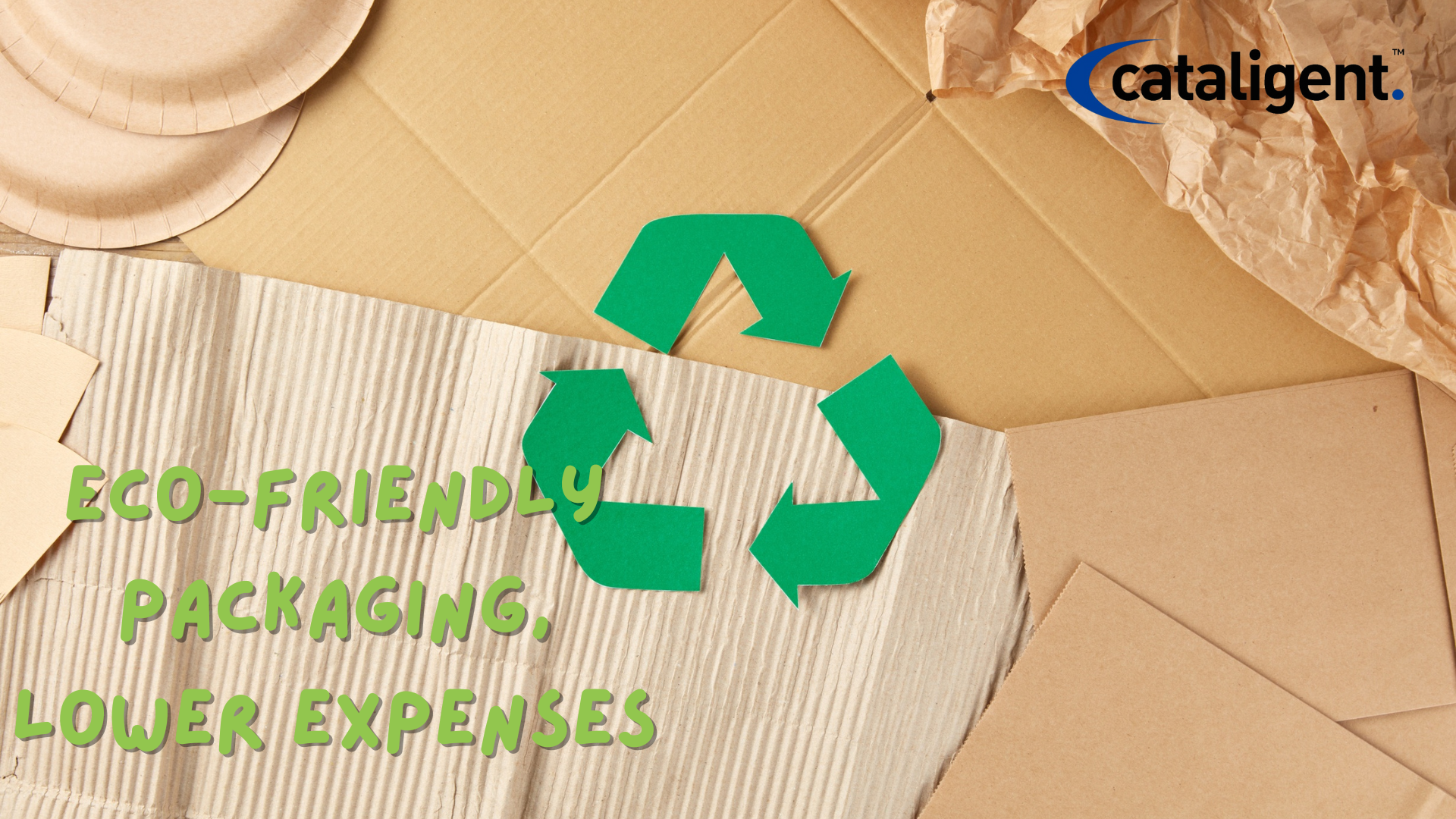
    Packaging plays a crucial role in product protection, branding, and transportation, but excessive packaging can lead to unnecessary costs and environmental waste. Many businesses and industries are now focusing on minimizing packaging waste to improve sustainability, reduce procurement expenses, and lower waste disposal fees. This document explores effective strategies to achieve these goals.


    What It Involves

    Minimizing packaging waste involves optimizing packaging designs, using sustainable materials, and reducing excess layers or components while ensuring product integrity and customer satisfaction. By implementing smarter packaging solutions, businesses can cut down on material costs and contribute to environmental conservation.

    Key Elements of Packaging Waste Reduction:

    • Material Optimization: Using fewer resources without compromising quality or durability.
    • Sustainable Materials: Transitioning to biodegradable, recyclable, or reusable packaging.
    • Efficient Design: Reducing the size and weight of packaging while maintaining functionality.
    • Supply Chain Collaboration: Working with suppliers to use eco-friendly and efficient packaging methods.

    Cost-Saving Impact

    Reducing packaging waste brings significant financial benefits along with environmental advantages. The key cost-saving impacts include:

    1. Reduced Procurement Costs

    • Using less material lowers manufacturing and purchasing costs.
    • Lightweight packaging reduces shipping and transportation expenses.

    2. Lower Waste Disposal Fees

    • Reducing excess packaging leads to lower waste management and disposal costs.
    • Many municipalities and governments impose fees on excessive packaging waste, which can be minimized.

    3. Enhanced Brand Reputation and Customer Loyalty

    • Consumers prefer sustainable packaging, leading to increased brand trust and potential market expansion.
    • Sustainable packaging initiatives can attract eco-conscious customers and provide a competitive advantage.

    Implementation Strategies

    To successfully minimize packaging waste, businesses must adopt strategic implementation measures. Below are practical steps to achieve this:

    1. Use Lightweight, Recyclable Materials

    • Replace heavy and non-recyclable packaging materials with sustainable alternatives such as:
      • Recycled cardboard and paper
      • Biodegradable plastics
      • Cornstarch-based packaging
      • Mushroom or plant-based packaging
    • Ensure the materials are certified by sustainability organizations such as FSC (Forest Stewardship Council) or Cradle to Cradle.

    2. Optimize Packaging Design

    • Reduce unnecessary layers of packaging while maintaining product protection.
    • Design packaging that is easily stackable to maximize shipping efficiency.
    • Utilize flexible packaging materials where applicable to reduce weight and material use.

    3. Implement Eco-Friendly Printing Techniques

    • Use soy-based or water-based inks instead of petroleum-based inks.
    • Reduce the use of laminates, coatings, and plastic films that hinder recyclability.

    4. Encourage Returnable and Reusable Packaging

    • Implement a circular packaging system where customers return packaging for reuse.
    • Consider deposit-return systems that incentivize customers to return packaging for recycling or repurposing.

    5. Collaborate with Suppliers and Manufacturers

    • Work with packaging suppliers to develop customized solutions that use fewer materials.
    • Engage with manufacturers to standardize packaging sizes and materials to reduce waste.

    6. Educate Employees and Customers

    • Train employees on sustainable packaging practices to ensure compliance with waste-reduction policies.
    • Educate customers on proper recycling and disposal methods for used packaging materials.

    Overcoming Challenges

    While minimizing packaging waste is beneficial, there are challenges to consider. Here’s how to address them:

    1. Balancing Cost and Sustainability

    • Challenge: Some sustainable packaging materials can be more expensive upfront.
    • Solution: Implement gradual transitions, leveraging cost savings from material reduction to offset costs.

    2. Ensuring Product Protection

    • Challenge: Reducing packaging may compromise product safety during transportation.
    • Solution: Conduct thorough testing to ensure new designs maintain durability and protection.

    3. Customer Perception and Expectations

    • Challenge: Customers may expect elaborate packaging for premium products.
    • Solution: Educate consumers on the benefits of sustainable packaging and highlight environmental contributions.

    Conclusion

    Minimizing packaging waste is an effective way for businesses to enhance sustainability while achieving significant cost savings. By optimizing packaging materials, redesigning packaging for efficiency, and promoting recycling initiatives, companies can reduce procurement and waste disposal costs while strengthening brand reputation.

    Through a structured approach, collaboration with suppliers, and customer engagement, businesses can successfully transition toward a more sustainable packaging strategy, benefiting both the environment and the bottom line.
  • Investing in Energy Storage Solutions for Cost Efficiency and Sustainability

    Investing in Energy Storage Solutions for Cost Efficiency and Sustainability

    Introduction

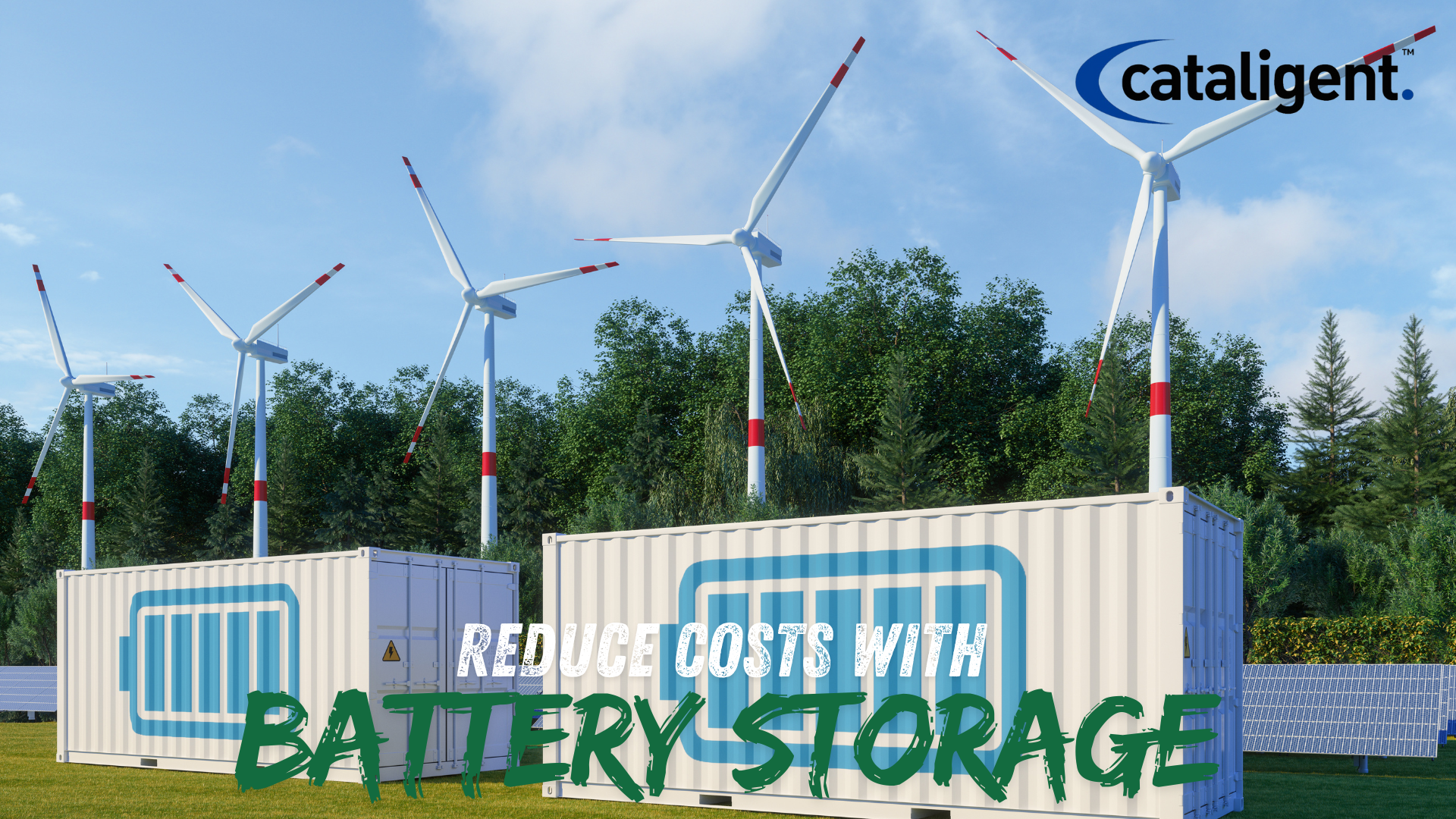
    Energy storage solutions have become a critical component in modern energy management strategies. By storing excess energy generated during off-peak hours and utilizing it during peak demand periods, businesses and households can significantly reduce their electricity costs while enhancing energy reliability. With advancements in battery technology and the increasing affordability of renewable energy sources, investing in energy storage solutions is a viable approach to improving energy efficiency and sustainability.

    This document explores the benefits, cost-saving impact, and implementation strategies for energy storage solutions.


    What It Involves

    Investing in energy storage solutions involves integrating batteries or other energy storage systems to store electricity when rates are low and utilize it when demand and costs are higher. This practice not only reduces energy expenses but also contributes to grid stability and supports the transition to renewable energy sources.

    Key components of energy storage systems include:

    • Battery Storage Systems: Lithium-ion and other advanced battery technologies store excess energy for later use.
    • Time-of-Use Optimization: Charging batteries during off-peak hours and discharging them during peak times to minimize electricity costs.
    • Integration with Renewable Energy: Storing surplus energy from solar panels or wind turbines for self-consumption.
    • Grid Support and Backup Power: Providing resilience during power outages and reducing reliance on grid electricity.

    By leveraging these technologies, businesses and homeowners can optimize their energy consumption while maintaining a stable and efficient power supply.


    Cost-Saving Impact

    The financial benefits of energy storage solutions are substantial, especially when combined with renewable energy sources or smart grid systems.

    Key Cost-Saving Benefits

    • Reduced Peak-Time Energy Costs: By storing electricity during off-peak hours and using it during peak demand periods, businesses can take advantage of lower energy rates.
    • Enhanced Energy Reliability: Stored energy can serve as a backup during grid failures, preventing costly downtime for businesses.
    • Improved Efficiency of Renewable Energy: Battery storage allows excess solar or wind energy to be used when production is low, increasing self-consumption and reducing reliance on utility power.
    • Lower Demand Charges: Businesses that face high demand charges can use stored energy to reduce spikes in electricity consumption, leading to lower monthly bills.
    • Government Incentives and Rebates: Many governments offer tax credits, rebates, and incentives to encourage investment in energy storage systems, further reducing initial costs.

    These cost-saving measures make energy storage solutions a financially viable investment with long-term benefits.


    Implementation Strategies

    Successfully integrating energy storage solutions requires careful planning, investment in the right technology, and proper maintenance. Below are key steps for effective implementation:

    1. Assess Energy Consumption and Needs

    Before investing in an energy storage system, conduct an energy audit to determine:

    • Peak and off-peak energy consumption patterns.
    • Potential savings from shifting energy use to off-peak hours.
    • Suitability of renewable energy integration with storage solutions.

    2. Select the Right Storage Technology

    Choosing the right energy storage technology depends on specific energy needs and financial considerations. Options include:

    • Lithium-Ion Batteries: The most popular choice due to high efficiency and long lifespan.
    • Lead-Acid Batteries: More affordable but have a shorter lifespan and lower efficiency.
    • Flow Batteries: Suitable for large-scale energy storage with a long cycle life.
    • Thermal Energy Storage: Stores energy in the form of heat or cold, ideal for HVAC applications.

    3. Install Battery Systems for Renewable Energy Storage

    If using renewable energy sources like solar or wind, battery storage allows for:

    • Storing excess energy during high production periods.
    • Using stored energy during low production or high-demand periods.
    • Reducing reliance on grid electricity and enhancing energy independence.

    4. Leverage Time-of-Use Pricing Strategies

    Many utilities offer time-of-use (TOU) pricing plans where electricity costs vary based on demand. Businesses and homeowners can:

    • Store energy when rates are low and use it when rates are high.
    • Optimize savings by scheduling high-energy-use activities during off-peak hours.

    5. Integrate with Smart Energy Management Systems

    Smart energy management systems help monitor and optimize energy storage and usage. Features include:

    • Real-time monitoring of energy consumption.
    • Automated energy shifting based on TOU pricing.
    • Predictive analytics to maximize efficiency and cost savings.

    6. Maintain and Monitor Energy Storage Systems

    To ensure long-term performance, regular maintenance and monitoring are essential:

    • Conduct routine battery health checks.
    • Update software for optimal performance.
    • Monitor energy savings and make adjustments as needed.

    Potential Challenges and Solutions

    While energy storage solutions offer numerous benefits, there are challenges to consider:

    1. High Initial Investment Costs

    • Challenge: The upfront cost of batteries and installation can be significant.
    • Solution: Take advantage of government incentives, tax credits, and financing options to reduce costs.

    2. Space and Installation Requirements

    • Challenge: Energy storage systems require space for installation, which may be limited.
    • Solution: Choose compact battery solutions or explore community energy storage programs.

    3. Battery Lifespan and Degradation

    • Challenge: Batteries degrade over time, reducing storage capacity.
    • Solution: Invest in high-quality batteries with longer lifespans and proper maintenance to extend usability.

    4. Regulatory and Compliance Issues

    • Challenge: Energy storage regulations vary by region, affecting installation and operation.
    • Solution: Consult with local energy authorities and adhere to industry standards for compliance.

    Conclusion

    Investing in energy storage solutions is a strategic move toward reducing electricity costs, increasing energy independence, and improving sustainability. By leveraging battery storage systems, integrating renewable energy, and optimizing time-of-use pricing, businesses and homeowners can achieve significant financial and environmental benefits.

    Although challenges such as high initial costs and battery lifespan exist, proper planning, government incentives, and technological advancements make energy storage a worthwhile investment. With continued innovation in the energy sector, adopting energy storage solutions will play a crucial role in shaping a more efficient and sustainable future.

  • Reducing Idle Energy Consumption for Cost Savings

    Reducing Idle Energy Consumption for Cost Savings

    Introduction

    Idle energy consumption occurs when electrical devices and systems remain powered on but are not actively in use. This phenomenon, also known as standby power or phantom load, contributes to unnecessary energy waste and inflated utility costs. Many organizations and households overlook idle energy consumption but addressing it can lead to significant financial savings and environmental benefits.

    This document explores the concept of idle energy consumption, its cost-saving impact, and strategies for reducing unnecessary power use.


    What It Involves

    Reducing idle energy consumption involves identifying energy-draining devices and implementing measures to eliminate or minimize their power use when not needed. Common sources of idle energy waste include:

    • Computers and office equipment: Printers, monitors, and desktop computers left running overnight.
    • Lighting systems: Unused lights left on in unoccupied rooms.
    • Machinery and appliances: Industrial and commercial equipment running during non-operational hours.
    • Consumer electronics: Televisions, gaming consoles, and chargers plugged in when not in use.
    • HVAC systems: Heating and cooling units running at full capacity when a facility is empty.

    By identifying these sources, businesses and individuals can implement targeted strategies to reduce idle energy consumption.


    Cost-Saving Impact

    Idle energy waste significantly contributes to high electricity bills. The financial benefits of reducing standby power include:

    • Lower Utility Costs: Turning off unused devices can lead to a reduction in electricity consumption by up to 10%, according to energy efficiency studies.
    • Extended Equipment Lifespan: Reducing unnecessary operation decreases wear and tear, delaying costly replacements and maintenance.
    • Decreased Environmental Impact: Lower energy consumption reduces carbon footprints and supports sustainability goals.
    • Improved Operational Efficiency: Organizations that optimize energy use can allocate savings to other business improvements or investments.

    Implementation Strategies

    1. Power Down Unused Devices

    One of the simplest and most effective ways to reduce idle energy consumption is to turn off devices when they are not in use.

    • Shut down computers, printers, and monitors at the end of the workday.
    • Encourage employees to power down equipment in offices and factories.
    • Unplug infrequently used appliances to prevent phantom load.

    2. Use Smart Power Strips and Automatic Shut-off Features

    Smart power strips help cut off power to devices that are not in use. These solutions include:

    • Timed power strips that shut off at predetermined intervals.
    • Motion-activated outlets that turn off devices when no activity is detected.
    • Smart plugs that allow remote control of appliances and equipment.

    3. Implement Energy-Efficient Lighting Controls

    Lighting accounts for a significant portion of idle energy waste. To optimize lighting efficiency:

    • Install motion sensors in rooms that are not continuously occupied.
    • Use timers to switch off outdoor and commercial lighting during non-business hours.
    • Encourage the use of natural light to reduce reliance on artificial lighting.

    4. Optimize HVAC System Usage

    HVAC systems are among the largest consumers of electricity. To prevent idle energy waste:

    • Use programmable thermostats to adjust temperatures based on occupancy schedules.
    • Close vents in unoccupied rooms to reduce unnecessary heating or cooling.
    • Perform regular maintenance, such as cleaning air ducts and replacing filters, to ensure efficiency.

    5. Educate Employees and Occupants

    Behavioral changes play a critical role in reducing idle energy consumption. Awareness campaigns can help reinforce energy-saving habits such as:

    • Turning off lights when leaving a room.
    • Unplugging chargers and devices when not needed.
    • Utilizing energy-saving settings on office and household electronics.

    Conclusion

    Reducing idle energy consumption is a cost-effective strategy for lowering electricity bills, extending equipment lifespan, and supporting sustainability efforts. By implementing smart power management strategies, optimizing HVAC and lighting systems, and encouraging behavioral changes, organizations and individuals can significantly cut unnecessary energy expenses.

    Proactive energy management ensures long-term savings and contributes to a more sustainable and responsible approach to resource consumption.

  • Optimizing HVAC Systems for Energy Efficiency

    Optimizing HVAC Systems for Energy Efficiency

    Introduction

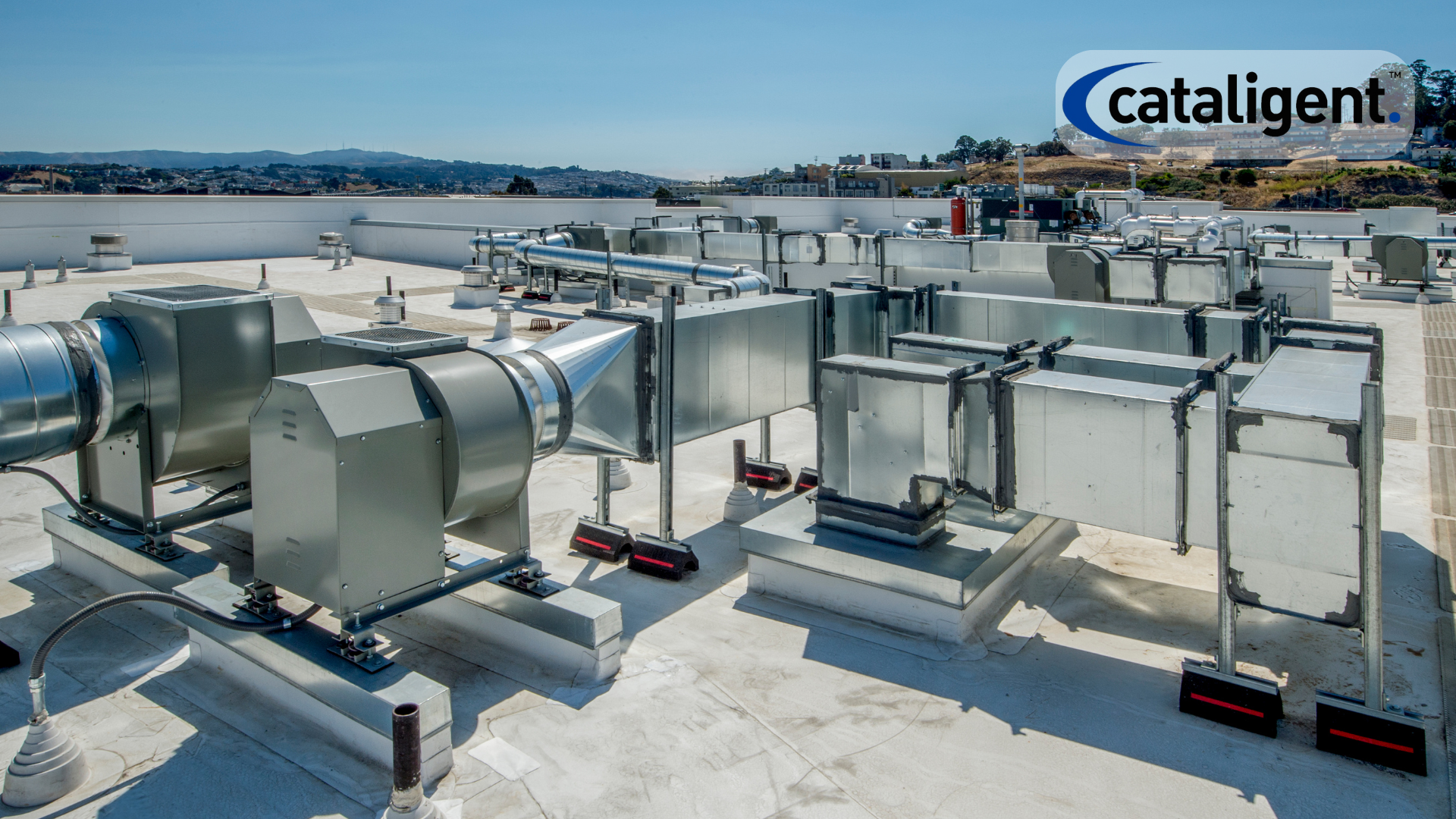
    Heating, ventilation, and air conditioning (HVAC) systems play a crucial role in maintaining indoor air quality and comfort. However, inefficient HVAC systems can lead to excessive energy consumption, higher utility bills, and increased environmental impact. Optimizing HVAC systems helps lower heating and cooling costs, extend equipment lifespan, and improve overall efficiency.

    This document explores various strategies to optimize HVAC systems, including implementation techniques and cost-saving impacts.


    What It Involves

    Optimizing HVAC systems involves upgrading equipment, implementing smart controls, and ensuring proper maintenance to maximize efficiency. The primary objectives include reducing energy consumption, enhancing indoor air quality, and minimizing operational costs.

    Key components of an optimized HVAC system include:

    • Programmable and Smart Thermostats: Automating temperature adjustments based on occupancy and usage patterns.
    • Zone-Based Controls: Separating areas into distinct zones with individual temperature settings to prevent unnecessary heating or cooling.
    • Airflow Management: Ensuring proper ventilation and air circulation to maintain indoor air quality.
    • Regular Maintenance: Cleaning air ducts, replacing filters, and checking for system inefficiencies to avoid energy waste.

    Implementing these measures leads to a more efficient, cost-effective, and environmentally friendly HVAC system.


    Cost-Saving Impact

    Investing in HVAC optimization results in long-term financial benefits by reducing energy costs and maintenance expenses.

    Key Cost-Saving Benefits

    • Reduced Energy Consumption: Optimized HVAC systems use less power, cutting utility bills by 20-40%.
    • Extended Equipment Lifespan: Regular maintenance prevents wear and tear, delaying costly replacements.
    • Lower Maintenance Costs: Proactive upkeep minimizes the risk of breakdowns and emergency repairs.
    • Increased Productivity and Comfort: Consistent indoor temperatures enhance workplace comfort, leading to improved employee productivity.
    • Potential Rebates and Incentives: Many governments and utility providers offer incentives for upgrading to energy-efficient HVAC systems.

    Implementation Strategies

    A structured approach is essential for successfully optimizing HVAC systems. Below are key steps to ensure energy-efficient operation:

    1. Install Programmable and Smart Thermostats

    Upgrading to programmable thermostats allows automatic temperature adjustments based on occupancy, reducing unnecessary heating or cooling. Smart thermostats further enhance efficiency by:

    • Learning user preferences and adjusting settings accordingly.
    • Providing remote access for real-time adjustments.
    • Integrating with other smart building systems for optimal energy savings.

    2. Utilize Zone-Based Controls

    Dividing spaces into multiple zones ensures that heating and cooling are applied only where needed. This reduces energy waste and improves overall efficiency. Key techniques include:

    • Installing individual thermostats for separate areas.
    • Using automated dampers to control airflow.
    • Implementing occupancy sensors to adjust temperatures dynamically.

    3. Improve Airflow and Ventilation

    Proper airflow management ensures that HVAC systems do not overwork due to blocked or inefficient ventilation. Best practices include:

    • Keeping vents and registers clear of obstructions.
    • Using ceiling fans to distribute air more effectively.
    • Ensuring that outdoor air intake is optimized for fresh air circulation.

    4. Perform Regular Maintenance

    Routine maintenance is critical for HVAC efficiency. Key maintenance tasks include:

    • Cleaning and Replacing Filters: Clogged filters reduce airflow and force HVAC systems to work harder.
    • Inspecting and Sealing Ducts: Leaky ducts cause energy loss and reduced system efficiency.
    • Checking Refrigerant Levels: Incorrect refrigerant levels can lead to poor cooling performance and increased energy use.
    • Lubricating Moving Parts: Proper lubrication minimizes friction, reducing wear and tear on components.

    5. Upgrade to Energy-Efficient HVAC Equipment

    Replacing outdated HVAC equipment with modern, energy-efficient models significantly reduces energy consumption. Consider upgrading to:

    • High-Efficiency HVAC Units: Models with high Seasonal Energy Efficiency Ratios (SEER) and Energy Star ratings.
    • Variable Speed Compressors: These adjust output based on demand, saving energy.
    • Geothermal Heat Pumps: An environmentally friendly alternative that provides sustainable heating and cooling.

    6. Implement Smart HVAC Controls

    Smart building management systems (BMS) optimize HVAC performance through real-time monitoring and automated adjustments. Benefits include:

    • Detecting inefficiencies and optimizing energy usage.
    • Providing data analytics for performance tracking.
    • Automating temperature settings based on occupancy patterns.

    7. Enhance Building Insulation

    A well-insulated building helps maintain indoor temperatures, reducing the workload on HVAC systems. Important insulation upgrades include:

    • Sealing Windows and Doors: Preventing air leaks to maintain indoor comfort.
    • Adding Insulation to Walls and Ceilings: Keeping heat in during winter and out during summer.
    • Installing Reflective Roofing: Reducing heat absorption in warmer climates.

    Potential Challenges and Solutions

    While HVAC optimization offers significant benefits, some challenges may arise. Here are common obstacles and how to overcome them:

    1. High Initial Costs

    • Challenge: Upgrading HVAC systems can require substantial upfront investment.
    • Solution: Take advantage of rebates, incentives, and phased implementation to spread out costs over time.

    2. Compatibility Issues

    • Challenge: Older buildings may have HVAC infrastructure that is not compatible with modern upgrades.
    • Solution: Conduct a professional assessment to identify necessary retrofits and plan incremental improvements.

    3. Resistance to Change

    • Challenge: Employees or occupants may be resistant to adjusting thermostat settings or new controls.
    • Solution: Educate users on the benefits of energy efficiency and implement automated controls to reduce manual adjustments.

    4. Maintenance and Technical Knowledge

    • Challenge: Regular maintenance and monitoring require technical expertise.
    • Solution: Train in-house maintenance teams and consider hiring HVAC professionals for periodic system check-ups.

    Conclusion

    Optimizing HVAC systems is an essential strategy for reducing energy costs, improving comfort, and extending the lifespan of equipment. By implementing programmable thermostats, zone-based controls, regular maintenance, and energy-efficient upgrades, organizations and homeowners can achieve significant energy savings and operational efficiencies.

    Although initial investments may be required, long-term benefits such as lower energy bills, reduced maintenance costs, and environmental sustainability make HVAC optimization a valuable and necessary endeavor. With proper planning and execution, optimizing HVAC systems can lead to improved comfort, enhanced productivity, and a greener future.

  • Promoting Employee Awareness and Engagement for Energy Efficiency

    Promoting Employee Awareness and Engagement for Energy Efficiency

    Introduction

    Energy efficiency is not solely dependent on advanced technologies and system upgrades. A significant portion of energy savings can be achieved through behavioral changes and employee engagement. By promoting awareness and fostering a culture of sustainability, organizations can achieve substantial reductions in energy consumption, operational costs, and environmental impact.

    This document explores the importance of employee awareness and engagement in energy conservation, its cost-saving impact, and effective implementation strategies.


    What It Involves

    Promoting employee awareness and engagement in energy efficiency requires a structured approach that includes education, participation, and incentive programs. Employees at all levels should understand their role in reducing resource consumption and actively participate in sustainability initiatives.

    Key components of a successful employee engagement strategy include:

    • Educational Programs: Training sessions, workshops, and informational resources to increase awareness.
    • Behavioral Adjustments: Encouraging small but impactful changes, such as turning off unused equipment and optimizing workspace lighting.
    • Incentive-Based Participation: Rewarding employees who actively contribute to energy-saving efforts.
    • Feedback Mechanisms: Creating open communication channels to collect suggestions and ideas for energy efficiency improvements.

    By embedding energy conservation into workplace culture, organizations can make a lasting impact on resource efficiency.


    Cost-Saving Impact

    Investing in employee awareness and engagement can lead to measurable cost savings and operational benefits. While the upfront costs of training and incentive programs may exist, the long-term financial benefits outweigh these initial expenses.

    Key Cost-Saving Benefits

    • Reduced Utility Bills: Employee-driven energy conservation can lower electricity and water usage, resulting in significant cost reductions.
    • Minimized Equipment Wear and Tear: Proper usage and timely shutdown of equipment extend its lifespan, reducing maintenance and replacement expenses.
    • Decreased Carbon Footprint: A reduction in energy consumption leads to lower greenhouse gas emissions, aligning the organization with environmental sustainability goals.
    • Improved Workplace Efficiency: Educated employees become more mindful of resource utilization, leading to streamlined operations and reduced waste.

    By fostering a culture of energy efficiency, companies can achieve financial savings while contributing to global sustainability efforts.


    Implementation Strategies

    To successfully engage employees in energy conservation, organizations must implement a structured and interactive approach. The following strategies provide a roadmap for effective execution:

    1. Conduct Training and Awareness Programs

    Educating employees about energy conservation is the first step in fostering engagement. Effective training programs should include:

    • Regular workshops and webinars on best energy-saving practices.
    • Informational materials, such as posters, emails, and intranet resources.
    • Guest speakers and industry experts sharing insights on sustainability.
    • Gamification techniques, such as quizzes and challenges, to reinforce learning.

    2. Set Clear Energy-Saving Goals

    Employees are more likely to engage when they have clear, measurable objectives. Organizations should:

    • Define company-wide energy reduction targets and communicate them effectively.
    • Break down goals into departmental or team-level initiatives.
    • Monitor and report progress periodically to maintain momentum.

    3. Create Incentive and Recognition Programs

    Rewarding employees for their contributions encourages long-term commitment to sustainability efforts. Consider implementing:

    • Monthly or quarterly recognition awards for energy-saving initiatives.
    • Financial incentives, such as bonuses or gift cards, for employees who exceed conservation targets.
    • Internal competitions between departments to drive participation and enthusiasm.

    4. Establish Energy Conservation Champions

    Assigning responsibility to individuals or teams helps drive engagement. Organizations can:

    • Designate employees as “Energy Champions” to lead sustainability initiatives.
    • Encourage teams to share innovative ideas for reducing energy consumption.
    • Develop a peer mentorship program where experienced staff guide newer employees on energy efficiency.

    5. Implement Behavioral Change Programs

    Encouraging employees to adopt small but meaningful energy-saving habits can significantly impact overall efficiency. Strategies include:

    • Encouraging employees to turn off lights and equipment when not in use.
    • Promoting the use of natural lighting and ventilation where feasible.
    • Establishing guidelines for optimal temperature settings in office spaces.
    • Encouraging the use of energy-efficient office equipment and practices.

    6. Collect Feedback and Continuously Improve

    Maintaining open communication ensures that employees feel involved and valued. Organizations should:

    • Conduct surveys to assess employee engagement levels in energy conservation.
    • Create a suggestion box for employees to propose energy-saving ideas.
    • Organize regular review meetings to refine sustainability strategies.

    Overcoming Common Challenges

    Despite the benefits, organizations may face obstacles when promoting energy awareness among employees. Below are common challenges and strategies to overcome them:

    1. Resistance to Change

    • Challenge: Employees may be reluctant to alter existing habits.
    • Solution: Use engaging and persuasive communication to highlight the long-term benefits of energy conservation.

    2. Lack of Awareness

    • Challenge: Employees may not fully understand how their actions impact energy consumption.
    • Solution: Provide continuous education through visual aids, email campaigns, and on-the-job training.

    3. Insufficient Incentives

    • Challenge: Employees may not see a direct benefit in participating.
    • Solution: Implement meaningful incentives and recognition programs to encourage active involvement.

    4. Monitoring and Accountability

    • Challenge: Ensuring sustained engagement can be difficult.
    • Solution: Assign energy conservation champions and regularly assess performance through tracking systems.

    Conclusion

    Promoting employee awareness and engagement is a crucial element of energy efficiency initiatives. By educating employees, setting clear goals, implementing incentive programs, and fostering a culture of sustainability, organizations can significantly reduce energy consumption and associated costs.

    While challenges such as resistance to change and lack of awareness may arise, effective communication, training, and incentives can help overcome these obstacles. When employees actively participate in energy conservation efforts, businesses can achieve lasting financial savings, enhanced operational efficiency, and a positive environmental impact.

  • Optimizing Production and Operations for Efficiency

    Optimizing Production and Operations for Efficiency

    Introduction

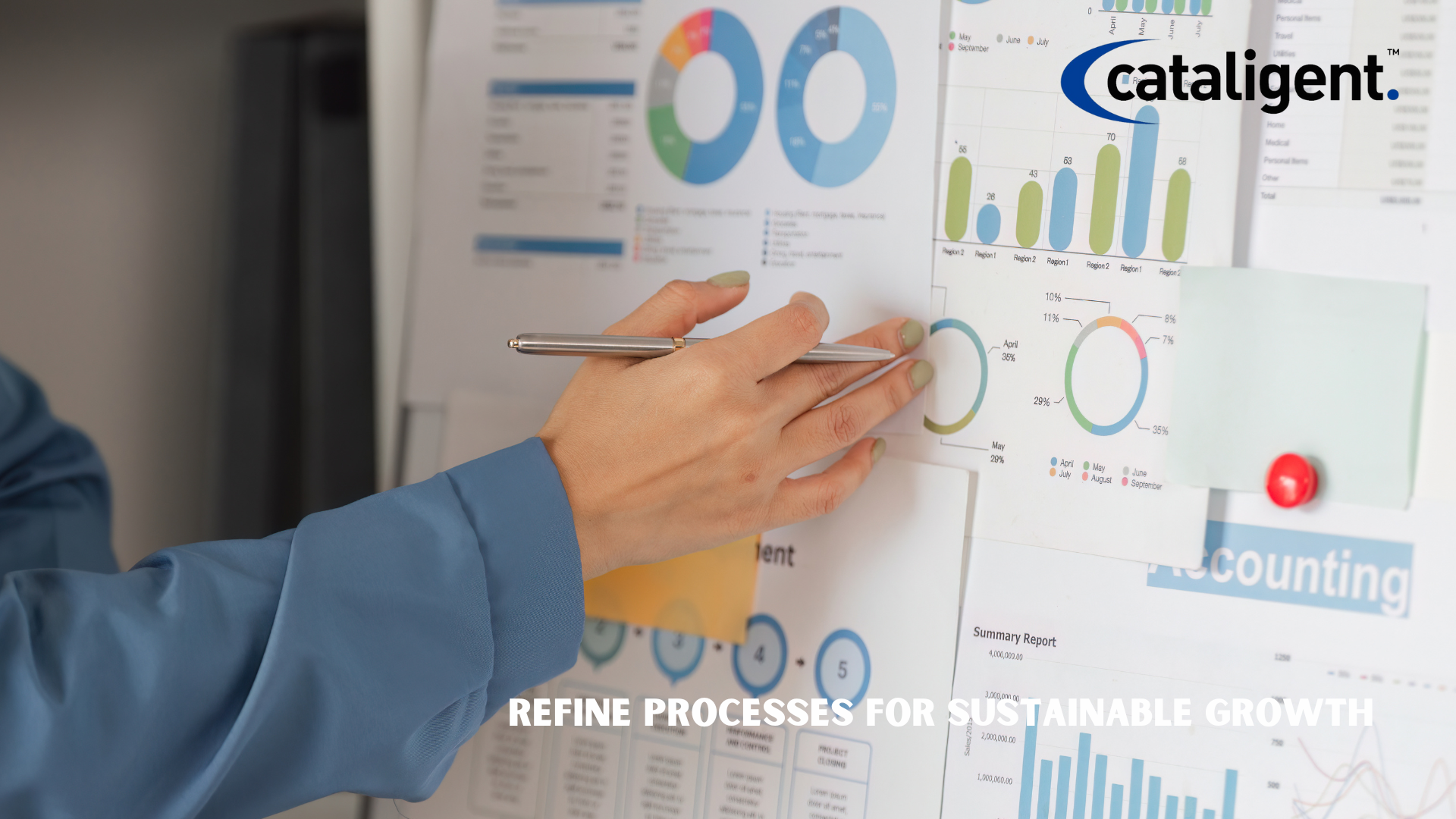
    Optimizing production and operational processes is essential for businesses aiming to reduce energy consumption, minimize waste, and improve overall efficiency. In an increasingly competitive market, organizations must streamline workflows, leverage technology, and implement best practices to maintain profitability and sustainability.

    This document explores strategies for optimizing production and operations, the associated cost-saving impacts, and implementation methods.


    What It Involves

    Optimizing production and operations involves refining existing processes to maximize resource efficiency, minimize waste, and enhance productivity. This can be achieved through various methods, including adopting lean manufacturing principles, utilizing energy-efficient machinery, and incorporating automation.

    Key components of operational optimization include:

    • Lean Manufacturing: Reducing waste in production processes while maintaining quality.
    • Process Automation: Utilizing robotics and digital systems to enhance efficiency.
    • Energy-Efficient Equipment: Upgrading to modern machinery that consumes less energy.
    • Data-Driven Decision Making: Using analytics to identify inefficiencies and implement targeted improvements.

    By adopting these strategies, organizations can achieve operational excellence and long-term sustainability.


    Cost-Saving Impact

    Optimizing production and operations can lead to significant cost reductions and performance improvements. The primary benefits include:

    1. Increased Resource Utilization Efficiency

    • Reduces material waste by improving accuracy and minimizing errors.
    • Enhances production speed, reducing idle time and inefficiencies.
    • Maximizes machine utilization, ensuring optimal output per energy unit.

    2. Reduction in Downtime and Operational Costs

    • Predictive maintenance techniques help prevent unexpected equipment failures.
    • Automation reduces labor costs and improves productivity.
    • Streamlined workflows eliminate bottlenecks and redundant processes.

    3. Lower Energy Consumption

    • Energy-efficient equipment significantly cuts electricity and fuel usage.
    • Smart sensors optimize heating, cooling, and lighting in production areas.
    • Process modifications help reduce water and chemical waste, further lowering costs.

    4. Compliance and Sustainability Benefits

    • Reduces carbon footprint by lowering energy consumption and emissions.
    • Meets regulatory requirements, avoiding penalties and legal costs.
    • Enhances corporate social responsibility (CSR) and brand reputation.

    By implementing operational optimization measures, organizations can achieve long-term financial and environmental benefits.


    Implementation Strategies

    To effectively optimize production and operations, organizations should follow a structured approach:

    1. Implement Lean Manufacturing Principles

    Lean manufacturing focuses on minimizing waste while maximizing value. Key techniques include:

    • Just-in-Time (JIT) Production: Reducing inventory costs by producing only what is needed.
    • Value Stream Mapping: Identifying and eliminating non-value-adding activities.
    • Kaizen (Continuous Improvement): Encouraging employees to suggest and implement process improvements.

    2. Upgrade to Energy-Efficient Production Methods

    Modernizing equipment and adopting energy-efficient processes can drastically reduce operational costs. Steps include:

    • Investing in high-efficiency motors and drives to cut energy waste.
    • Using variable frequency drives (VFDs) to optimize motor performance.
    • Implementing heat recovery systems to reuse waste heat for production purposes.

    3. Automate and Digitize Processes

    Automation enhances efficiency and reduces human error. Effective automation strategies involve:

    • Deploying robotic process automation (RPA) for repetitive tasks.
    • Using smart manufacturing systems to monitor real-time performance.
    • Integrating Internet of Things (IoT) devices to track equipment efficiency.

    4. Monitor and Analyze Production Data

    Data analytics can help organizations identify inefficiencies and improve decision-making. Key steps include:

    • Implementing real-time monitoring systems to track production metrics.
    • Using predictive analytics to anticipate maintenance needs and avoid downtime.
    • Conducting energy audits to identify areas for efficiency improvements.

    5. Train Employees on Best Practices

    Workforce training is critical for sustaining operational improvements. Organizations should:

    • Provide ongoing education on lean principles and energy efficiency.
    • Encourage a culture of continuous improvement with employee feedback.
    • Implement cross-functional training to enhance workforce flexibility.

    By implementing these strategies, businesses can enhance efficiency, reduce costs, and remain competitive in their industries.


    Potential Challenges and Solutions

    While optimizing production and operations offers significant benefits, challenges may arise. Here are some common obstacles and their solutions:

    1. High Initial Investment Costs

    • Challenge: Upgrading equipment and implementing automation can require substantial capital.
    • Solution: Seek government grants, rebates, and financing options to offset costs. Implement changes gradually to distribute expenses over time.

    2. Resistance to Change

    • Challenge: Employees and management may be reluctant to adopt new processes.
    • Solution: Provide training, communicate benefits, and involve employees in decision-making.

    3. Integration Complexity

    • Challenge: Integrating new technology with existing systems can be complex.
    • Solution: Work with experienced consultants and invest in scalable solutions.

    4. Ongoing Maintenance and Technical Support

    • Challenge: New systems may require frequent updates and technical support.
    • Solution: Partner with reliable vendors and provide internal training for troubleshooting.

    Conclusion

    Optimizing production and operations is crucial for organizations looking to improve efficiency, reduce costs, and enhance sustainability. By implementing lean manufacturing principles, upgrading to energy-efficient equipment, and leveraging automation, businesses can achieve significant financial and environmental benefits.

    While challenges such as high initial costs and integration complexities may arise, strategic planning and phased implementation can mitigate these risks. Ultimately, optimizing production and operations provides long-term competitive advantages, positioning organizations for sustainable growth and success.