
Benefits of business partners in Business Transformation

Benefits of business partners in Business Transformation Many transformation programs rely on external partners, internal business partners, technology providers, finance teams, and consulting advisors, but they fail to define how those partners will be governed. The result is familiar: partner teams deliver activity, business units report partial adoption, finance questions the value, and the transformation […]
Hijacked Transformation

Hijacked Transformation Some transformation programs do not fail through a single bad decision. They are slowly hijacked when a new sponsor, urgent market pressure, internal politics, vendor agenda, or crisis response pulls the program away from the original strategic objective without a governed decision record. Hijacked transformation is dangerous because teams keep working, reports keep […]
Negotiated Transformation

Negotiated Transformation Many transformation programs slow down not because the strategy is unclear, but because the organization has not governed the negotiations needed to make the strategy executable. Negotiated Transformation matters when operating model change, cost reduction, post merger integration, workforce redesign, supplier change, shared service creation, or process ownership depends on agreement across business […]
Sprinted Business Transformation

Sprinted Business Transformation Fast transformation can create visible activity without creating controlled progress. Teams run workshops, build backlogs, close tasks, and report momentum, while business unit sponsors still have unresolved decisions, dependencies remain blocked, adoption evidence is thin, and value tracking is unclear. Sprinted Business Transformation matters because speed only helps when each sprint connects […]
Slow-Motion Business Transformation

Slow-Motion Business Transformation Some transformation programs do not fail through dramatic collapse. They lose value slowly as decisions wait, workstream owners delay evidence, dependencies remain unresolved, adoption drifts, and steering committee reports repeat the same green status month after month. Slow-Motion Business Transformation is a real governance problem for enterprises and consulting firms because a […]
Types of business transformation methodologies
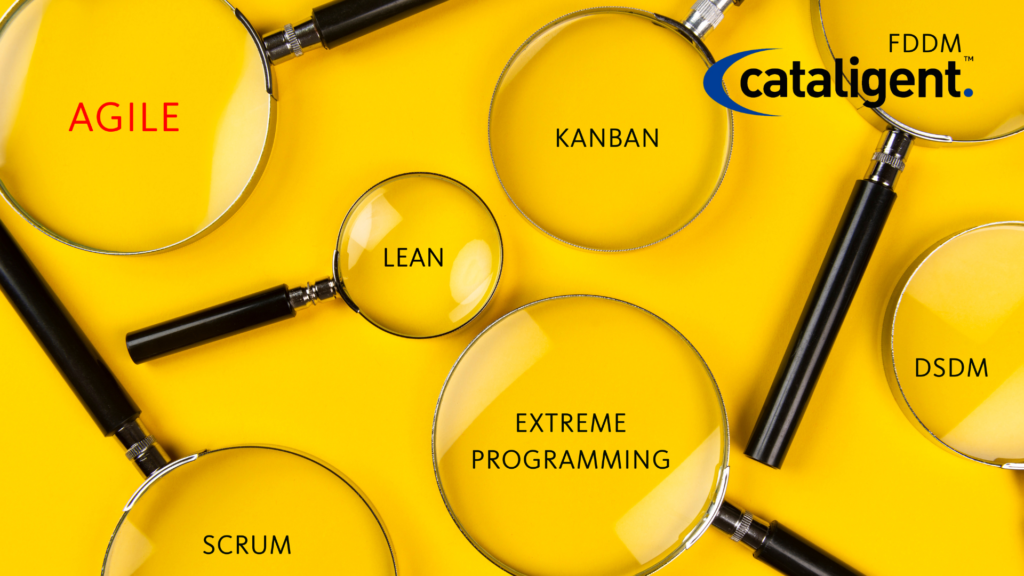
Types of business transformation methodologies Transformation programs often fail before execution begins because leaders choose a methodology as a label rather than a governance model. Types of business transformation methodologies matter because each approach creates different requirements for decision rights, workstream ownership, stage gates, portfolio control, value tracking, business adoption, and steering committee reporting. CEOs, […]