
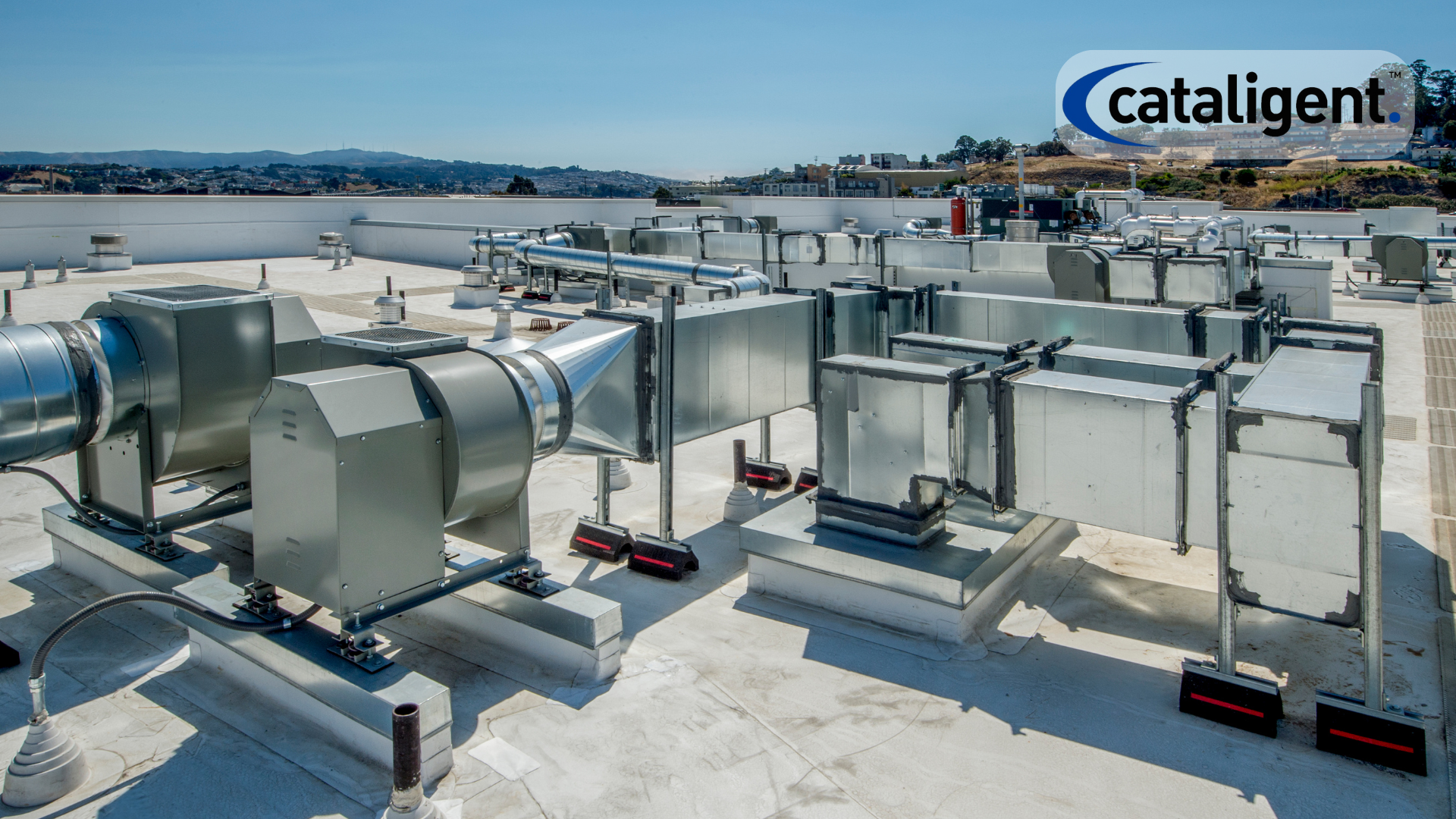
Optimizing HVAC Systems for Energy Efficiency
HVAC cost often rises because comfort, process needs, maintenance routines, occupancy patterns, controls, and finance reporting are managed in separate places. A site may replace equipment, adjust setpoints, clean filters, or add controls, yet still fail to prove which action reduced cost and whether service quality was protected. Optimizing HVAC systems for energy efficiency is a cost saving strategy when technical changes are governed with baselines, owners, approvals, risk controls, and validated savings.
For CFOs, facility leaders, operations teams, PMOs, energy managers, and consulting firms, HVAC optimization should not be a generic energy project. It should be a controlled value program that separates target savings from forecast savings and actual savings, while protecting comfort, indoor air quality, process stability, asset life, and executive reporting credibility.
What HVAC Optimization Means in Cost Saving Strategy
HVAC optimization means reducing avoidable heating, cooling, ventilation, and air handling cost while maintaining the conditions required for people, equipment, products, and compliance obligations. In cost saving governance, this includes more than equipment replacement. It can include setpoint review, zoning, scheduling, preventive maintenance, filter management, sensor calibration, control logic, occupancy based operation, air balance review, chiller performance, boiler performance, and demand management.
The business value depends on how the measure is governed. Each HVAC initiative should define the energy baseline, target savings, forecast savings, actual savings, measure owner, sponsor, controller, approval workflow, comfort risk, operating dependency, implementation evidence, and closure evidence. This prevents a technical improvement from becoming an unverified savings claim.
Why HVAC Optimization Matters for Cost Saving
HVAC systems are often major energy consumers in offices, plants, warehouses, campuses, hospitals, retail sites, and service facilities. The cost problem is not always visible because energy bills are aggregated and site teams may not have a clear view of which system, area, shift, or control setting is creating waste. Without governance, HVAC savings can be approved in a business case but diluted during implementation.
Cost saving strategies fail when HVAC actions are tracked in contractor reports, facilities spreadsheets, scattered documents, and PowerPoint updates that are not connected to finance validation. Leaders need one view of baseline cost, target savings, operating constraints, comfort exceptions, investment approvals, actual savings, risks, and controller backed closure. This is the difference between energy activity and a governed cost saving program.
| HVAC cost lever | Where cost appears | Savings risk | Closure evidence |
|---|---|---|---|
| Setpoint optimization | Heating and cooling energy | Comfort complaints or process exceptions may reverse savings | Setpoint log, exception record, energy trend, complaint trend |
| Occupancy based scheduling | After hours energy use | Schedules may not match actual site use | Occupancy data, run time log, energy baseline, approval record |
| Preventive maintenance | Energy waste, repairs, asset wear | Task completion may not show financial value | Maintenance records, equipment performance, cost trend |
| Controls tuning | Simultaneous heating and cooling, poor cycling | Controls may be bypassed locally | Control audit, override log, energy trend, operator sign off |
| Equipment replacement | Capital cost, energy cost, repair cost | Business case may overstate savings | Approved case, metered data, commissioning evidence, finance review |
Build an HVAC Baseline That Finance Can Trust
A credible HVAC savings claim starts with a baseline. The baseline should include energy cost, energy consumption, operating hours, occupancy, weather, production or process load where relevant, maintenance cost, repair spend, and known control issues. For multi site organizations, the baseline should also capture site type because a warehouse, office, and production area do not have the same HVAC cost drivers.
Finance validation depends on adjustment rules. If a mild season reduced cooling demand, the HVAC initiative should not claim the full bill reduction. If occupancy dropped, that should be considered. If energy tariffs changed, cost movement should be separated from consumption improvement. This discipline protects actual savings reporting.
Protect Comfort, Quality, and Process Requirements
HVAC optimization can reduce cost, but poorly governed reduction can create service, safety, quality, and employee experience problems. Office setpoints may affect comfort. Manufacturing environments may require temperature or humidity limits. Storage areas may need controlled conditions. Healthcare, laboratory, and quality sensitive areas may require stricter review.
This is why HVAC cost reduction needs risk and dependency tracking. The measure owner should identify affected areas, exception rules, safety or quality review needs, maintenance dependencies, contractor support, investment approval, and escalation paths. Where evidence and document control are important, related governance can connect to quality management system practices.
Prioritize HVAC Initiatives by Value and Risk
Not every HVAC action deserves the same management attention. Low cost setpoint correction may deliver fast recurring savings. Controls tuning may need specialized support but create strong energy impact. Equipment replacement may require capital approval and longer validation. Maintenance improvements may reduce both energy cost and repair cost.
A practical prioritization model should assess financial potential, implementation effort, comfort risk, process risk, investment requirement, speed of evidence, dependency complexity, and repeatability across sites. Consulting firms can use this model to build client roadmaps, while enterprise teams can use it to decide which measures should move first in the business transformation portfolio.
Track HVAC Savings Beyond Installation
HVAC optimization should not close when a contractor finishes work. Savings may depend on sustained control settings, maintenance routines, seasonal performance, operator behavior, and ongoing monitoring. A measure should remain visible until actual savings are measured and validated.
This is especially important for recurring savings. A one time repair cost avoidance may be confirmed quickly, while recurring energy reduction should be checked over a relevant period. Leaders should also watch for rebound effects, such as local overrides, longer run times, or comfort exceptions that reduce the forecast value.
Metrics That Matter
HVAC optimization should be measured through financial, technical, and governance metrics. Useful metrics include baseline energy cost, target savings, forecast savings, actual savings, energy use per square meter, energy use per operating hour, run time, after hours consumption, comfort complaints, maintenance compliance, equipment fault rate, override frequency, investment spend, one time savings, recurring savings, budget variance, implementation status, potential status, dependency blockage, closure evidence, and controller validation.
| Metric | Why it matters | How to validate it |
|---|---|---|
| Weather adjusted energy use | Separates true savings from seasonal variation | Compare consumption to baseline using agreed adjustment rules |
| Run time by zone | Shows whether scheduling changes are working | Review control logs, occupancy schedules, and after hours exceptions |
| Comfort exception rate | Protects service quality while reducing cost | Track complaints, approved exceptions, and resolved issues |
| Forecast versus actual savings | Shows whether approved value is being realized | Compare business case assumptions with measured cost reduction |
| Controller validation | Confirms reported financial value | Require finance review and evidence before closing the measure |
Common Mistakes to Avoid
Counting seasonal bill reductions as HVAC savings. Lower energy cost may come from weather, tariff movement, lower occupancy, or lower production load rather than better HVAC performance.
Closing measures at installation. Installed equipment or adjusted controls do not prove savings until actual performance is measured against the baseline.
Ignoring comfort and process constraints. A cost reduction that creates complaints, quality risk, or unsafe conditions is not a well governed saving.
Letting local overrides erase value. HVAC settings can be bypassed unless exception rules, approvals, and monitoring are visible.
Tracking HVAC work outside the transformation portfolio. Facilities projects still need owner accountability, stage gates, risks, dependencies, financial impact tracking, and executive reporting.
How Cataligent Helps Through CAT4
Cataligent helps enterprises and consulting firms govern HVAC energy savings through CAT4, its no code strategy execution platform. Through CAT4, HVAC measures can be tracked with baselines, target savings, forecast savings, actual savings, measure owners, sponsors, controllers, approvals, dependencies, risks, implementation evidence, and closure evidence.
CAT4 supports Degree of Implementation stage gates, moving HVAC measures from defined and detailed planning to decision, implementation, and closure. It also separates Implementation Status and Potential Status, so leaders can see whether work is complete and whether the financial potential remains credible. This helps prevent a situation where an HVAC upgrade is green on delivery but red on value realization.
For consulting firms, Cataligent provides a repeatable governance model for multi site energy cost reduction. For enterprise leaders, CAT4 connects HVAC optimization with multi project management, facility initiatives, finance validation, and executive reporting across a broader cost saving portfolio.
What Cataligent Does Not Claim
Cataligent does not claim that CAT4 automatically creates savings. HVAC savings depend on technical analysis, operating discipline, accurate baselines, site conditions, and finance validation.
CAT4 does not replace finance systems, ERP systems, accounting systems, procurement systems, BI platforms, building management systems, or every project management tool. CAT4 supports governed execution, value tracking, approvals, reporting, and controller backed closure around cost saving programs.
CAT4 does not guarantee ROI, compliance, savings, EBITDA improvement, or business outcomes. It gives leaders a controlled platform for managing HVAC savings from potential value to validated closure.
Conclusion
Optimizing HVAC systems for energy efficiency is a strong cost saving strategy when technical measures are connected to governance. The business must define baselines, protect comfort and process needs, assign owners, track risks, validate actual savings, and retain closure evidence.
Explore how Cataligent supports HVAC cost saving strategy governance through CAT4, and move energy initiatives from technical activity to controller backed value confirmation.
FAQs
How can HVAC energy savings be confirmed?
HVAC savings should be measured against a baseline that considers weather, operating hours, occupancy, tariffs, and process load where relevant. Finance or controlling should validate the result before the saving is reported as actual value.
Why should HVAC optimization include risk tracking?
HVAC changes can affect comfort, indoor conditions, product quality, safety, and process performance. Risk tracking helps leaders reduce cost without creating hidden operational problems.
How does CAT4 support HVAC cost saving governance?
CAT4 helps track HVAC measures, owners, sponsors, controllers, baselines, forecast savings, actual savings, approvals, risks, dependencies, and closure evidence. Cataligent configures CAT4 so HVAC optimization can be managed as part of a wider cost saving program.