
Mastering Total Cost of Ownership (TCO) Analysis for Strategic Cost Savings
Many cost reduction decisions fail because teams compare purchase prices while ignoring the costs that appear after approval. A supplier may look cheaper but require higher maintenance. A system may have a lower license fee but increase integration, support, training, and change request cost. Total Cost of Ownership analysis turns cost saving strategies into better decisions by showing the full cost baseline before leaders approve target savings.
For CFOs, procurement leaders, operations leaders, transformation teams, consulting firms, and PMOs, TCO is not only a calculation. It is a governance method that connects sourcing choices, operating cost, risk, cash flow, EBIT impact, EBITDA impact, and controller backed closure.
What TCO Analysis Means for Strategic Cost Savings
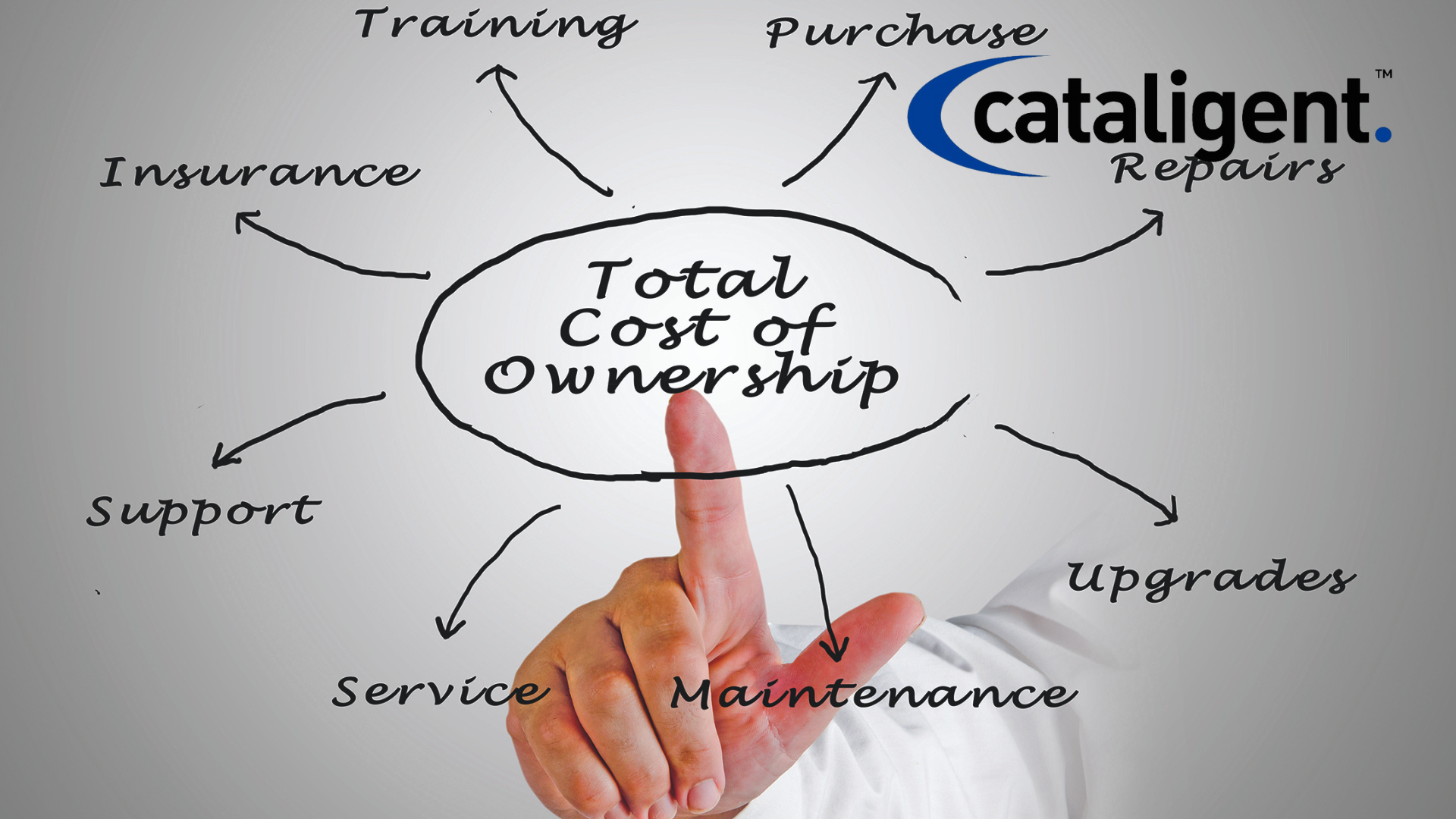
Total Cost of Ownership analysis estimates the full cost of an asset, supplier, technology, service, or operating decision across its lifecycle. It includes acquisition cost, implementation cost, operating cost, maintenance, support, integration, training, downtime, compliance effort, disposal, contract exit cost, and internal workload. In cost saving strategies, TCO helps leaders avoid false savings that reduce one line item while increasing another.
A practical TCO model should connect baseline cost, cost driver, savings initiative, measure owner, sponsor, controller, approval workflow, risks, dependencies, forecast savings, actual savings, and closure evidence. It should also separate one time savings from recurring savings and cash flow impact from EBIT or EBITDA impact.
Why TCO Analysis Matters for Cost Saving
Cost saving programs often fail when the business case is too narrow. Procurement may report supplier cost reduction based on price, while operations absorbs transition effort. IT may reduce license cost, while the business carries training and productivity cost. A cheaper outsourced service may create service quality issues, rework, and escalation cost. TCO analysis protects the organization from counting savings before the full cost effect is understood.
In a governed cost saving program, TCO should be used before approval and again before closure. Before approval, it tests whether the target savings are credible. Before closure, it helps finance validate actual savings against the full baseline, not only the purchase price.
| TCO cost area | Where hidden cost appears | Savings risk | Evidence needed |
|---|---|---|---|
| Acquisition | Purchase price, setup fees, contract fees | Discounts are counted without transition cost | Contract, purchase order, baseline price comparison |
| Implementation | Project effort, configuration, migration, testing | One time cost offsets first year savings | Project budget, actual cost, resource records |
| Operation | License usage, support, hosting, energy, vendor service | Recurring cost stays higher than expected | Invoices, usage reports, cost center data |
| Process impact | Manual work, training, rework, downtime | Lower supplier cost creates internal workload | Time records, incident data, productivity evidence |
| Exit and disposal | Termination fees, asset disposal, data migration | Switching cost removes expected benefit | Contract terms, exit plan, finance review |
Build a TCO Baseline Before Approving Savings Targets
A TCO baseline should show the current full cost of the product, service, supplier, asset, or process being changed. It should include direct spend and material indirect costs. For example, a software TCO baseline may include licenses, infrastructure, integration, support, training, reporting effort, security review, vendor management, and renewal administration.
The baseline prevents a common mistake: approving a cost reduction target based on only one cost category. A supplier renegotiation may save on unit price but increase freight cost. An automation initiative may reduce manual effort but add maintenance and change request cost. A portfolio rationalization may reduce tools but require migration effort. TCO makes those tradeoffs visible before savings are booked.
Compare Options Using Net Financial Impact
TCO analysis should compare options using net financial impact, not headline discount. Decision makers should see baseline cost, future cost, implementation cost, transition cost, risk adjustment, one time savings, recurring savings, cash flow impact, EBIT impact, and EBITDA impact. This allows a finance team to separate attractive ideas from measurable value.
This approach is especially useful in business transformation, where cost decisions affect operating model, process design, service quality, and accountability. TCO gives transformation leaders a common financial language for procurement, IT, finance, operations, and business units.
Assign Owners for Each Cost Component
TCO fails when nobody owns the indirect costs. Procurement may own supplier price. IT may own integration. Operations may own process effort. Finance may own budget impact. The savings initiative should name an owner for each major cost component and a controller to validate the final value. Sponsors should approve tradeoffs when a lower cost option creates service risk or transition dependency.
A clear ownership model also supports internal organization. Roles, decision rights, and approval thresholds help prevent hidden cost transfer between functions. The organization should not call a measure successful if one department saves money by pushing cost into another department without a net reduction.
Use TCO at Closure, Not Only at Selection
Many organizations use TCO during procurement selection but stop tracking it after approval. That weakens value realization. The TCO model should be updated through implementation and closure so leaders can compare target savings, forecast savings, and actual savings. If implementation cost rises, adoption slows, or operating cost changes, the forecast should be updated before the steering committee is surprised.
At closure, TCO evidence should include baseline documents, approved business case, actual invoices, budget changes, usage reports, project costs, owner confirmation, and controller validation. This turns TCO from an analysis exercise into a governed savings control mechanism.
Metrics That Matter
TCO metrics should show the full movement from baseline to confirmed value. Track baseline cost, total lifecycle cost, target savings, forecast savings, actual savings, one time savings, recurring savings, implementation cost, transition cost, operating cost, budget variance, EBIT impact, EBITDA impact, implementation status, potential status, approval ageing, dependency blockage, savings risk, closure evidence, and controller validation.
When TCO is used across multiple initiatives, leaders should review it as part of multi project management. This helps compare supplier changes, technology integration, outsourcing review, license rationalization, asset replacement, and service cost reduction with consistent financial logic.
| Metric | Why it matters | How to validate it |
|---|---|---|
| Total baseline cost | Shows the full current cost before change | Combine contract, invoice, budget, resource, and operating data |
| Net savings | Prevents price savings from hiding offsetting costs | Subtract implementation, transition, and ongoing cost changes |
| Recurring benefit | Shows durable cost reduction | Validate with budget release, lower invoices, or reduced run cost |
| One time cost | Shows near term cash and profit impact | Track project cost, migration cost, training cost, and exit fees |
| Potential status | Shows whether expected value is still credible | Review risks, dependencies, and forecast changes |
| Controller validation | Protects reported savings quality | Require finance signoff against evidence before closure |
Common Mistakes to Avoid
Comparing purchase price instead of full cost. A lower price can still create a higher total cost if support, transition, maintenance, or process cost rises.
Ignoring one time implementation cost. A saving may be valid over several periods but still miss the current year target if transition cost is not tracked.
Letting each function calculate cost differently. Procurement, IT, operations, and finance need one agreed baseline and one evidence standard for the same initiative.
Closing the initiative at contract signature. Contract approval is not value realization because actual savings depend on implementation, usage, invoices, and finance validation.
Double counting TCO and procurement savings. Price reduction, demand reduction, and process savings must be separated so the same value is not claimed twice.
How Cataligent Helps Through CAT4
Cataligent helps consulting firms and enterprise teams turn TCO analysis into governed savings execution. Through CAT4, Cataligent can help track each TCO based measure with baseline cost, target savings, forecast savings, actual savings, owners, sponsors, controllers, approvals, risks, dependencies, implementation evidence, and closure evidence.
CAT4 supports Degree of Implementation, or DoI, stage gates so TCO initiatives move from defined cost problem to closed and validated value. It tracks Implementation Status and Potential Status separately, which is important when a supplier, system, or outsourcing decision has been approved but net financial impact is still moving. CAT4 can also support executive reporting, approval workflows, reporting period discipline, and controller backed closure.
Cataligent provides the implementation support and consulting aware configuration guidance. CAT4 provides the governed platform for value tracking and reporting. The next step is to identify which major cost saving initiatives currently rely on narrow business cases and apply TCO governance before the savings are reported.
What Cataligent Does Not Claim
Cataligent does not claim that CAT4 automatically creates savings. CAT4 does not replace finance systems, ERP systems, accounting systems, procurement systems, BI platforms, or every project management tool. CAT4 does not guarantee ROI, compliance, savings, EBITDA improvement, or business outcomes. CAT4 supports governed execution, value tracking, approvals, reporting, and controller backed closure around cost saving programs.
Conclusion
TCO analysis strengthens strategic cost savings because it prevents narrow decisions from becoming false savings. It connects full cost baseline, net financial impact, ownership, approval control, risk tracking, and finance validation into one cost reduction strategy.
Use Cataligent and CAT4 to govern TCO based savings initiatives from business case to controller backed closure.
FAQs
Why is TCO important in cost saving strategies?
TCO is important because it shows the full cost of a decision beyond the purchase price. It helps leaders avoid counting savings that are offset by implementation, support, transition, or operating cost.
How should TCO savings be validated?
TCO savings should be validated by comparing actual cost against the full baseline and approved business case. Finance or controller review should confirm the net effect before savings are reported as actual value.
How can CAT4 support TCO governance?
CAT4 helps track TCO initiatives with owners, financial fields, approvals, risks, dependencies, status views, evidence, and closure controls. Cataligent configures CAT4 so TCO analysis becomes part of a governed cost saving program.