Author: cat_admin_usr

  • ISO 9001:2015 Implementation Plan for Your Organization

    ISO 9001:2015 Implementation Plan for Your Organization

    To ensure a successful ISO 9001:2015 certification, we will implement a structured QMS, integrate automation for efficiency, and establish a risk-based approach to compliance.


    Step 1: Gap Analysis & QMS Documentation

    Conduct a Gap Analysis

    • Assess current processes, policies, and documentation against ISO 9001 requirements.
    • Identify compliance gaps and improvement opportunities.

    Develop QMS Documentation (as per Clause 7.5)

    • Quality Manual – Overview of your QMS structure.
    • Quality Policy & Objectives – Commitment to quality & measurable goals.
    • Process Maps & SOPs – Define workflows for key processes.
    • Risk Register & CAPA Procedures – Identify risks and define corrective actions.

    Use QMS Software for Document Control

    • Implement ZenQMS, ETQ Reliance, or MasterControl for:
      • Version control & approval workflows.
      • Automated audit trails for compliance.

    Step 2: QMS Implementation & Process Automation

    Train Employees on ISO 9001 Compliance

    • Conduct ISO 9001 training for leadership & employees.
    • Develop SOP adherence guidelines to ensure compliance.

    Automate Key Quality Processes

    • Use RPA (Automation Anywhere) to:
      • Automate document approvals & audit tracking.
      • Monitor quality deviations & corrective actions in real time.

    Implement Risk-Based Thinking & FMEA

    • Conduct Failure Mode and Effects Analysis (FMEA) for process risk assessment.
    • Set up Key Risk Indicators (KRIs) & real-time monitoring dashboards.

    Step 3: Internal Audits & Certification Readiness

    Schedule & Conduct Internal Audits

    • Implement a risk-based audit approach using AI-powered analytics.
    • Automate audit scheduling, reporting, and CAPA tracking.

    Management Review & Pre-Certification Audit

    • Conduct review meetings to analyze audit results & QMS performance.
    • Perform a mock certification audit to identify and resolve gaps.

    Select an ISO 9001 Certification Body

    • Engage a third-party accredited certifying agency for the final audit.
    • Address any non-conformities found during the certification audit.

    Step 4: Continuous Improvement & Compliance Maintenance

    Establish Real-Time Compliance Monitoring

    • Use AI & dashboards to track quality KPIs, supplier performance, and customer complaints.
    • Implement continuous process improvement strategies.

    Maintain ISO 9001 Certification

    • Conduct regular internal audits & risk reviews.
    • Stay updated with ISO 9001 amendments & regulatory changes.
  • ISO 9001:2015 – Quality Management System (QMS) Overview

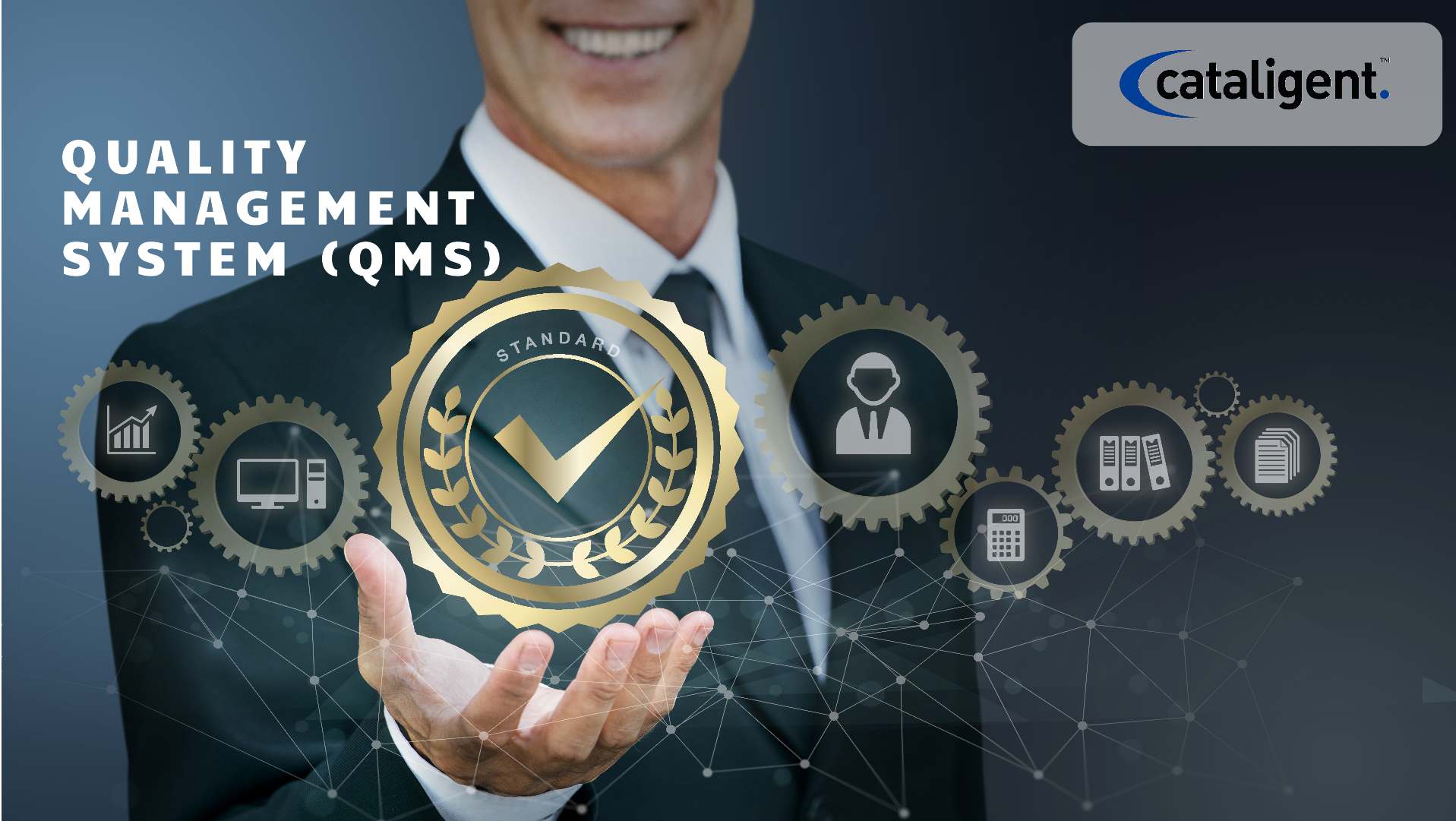
    ISO 9001:2015 – Quality Management System (QMS) Overview

    ISO 9001:2015 is the internationally recognized standard for a Quality Management System (QMS). It helps organizations ensure consistent quality, customer satisfaction, and continuous improvement by defining a systematic approach to managing processes.


    🔑 Key Principles of ISO 9001:2015

    ISO 9001 is based on seven quality management principles:
    1️⃣ Customer Focus – Understand and meet customer needs.
    2️⃣ Leadership – Drive quality culture and commitment from management.
    3️⃣ Engagement of People – Empower employees and foster a quality mindset.
    4️⃣ Process Approach – Optimize processes for efficiency and consistency.
    5️⃣ Improvement – Promote continuous enhancement and risk management.
    6️⃣ Evidence-Based Decision Making – Use data for informed decisions.
    7️⃣ Relationship Management – Strengthen supplier and stakeholder relationships.


    ISO 9001:2015 Requirements (Clauses 4-10)

    1. Context of the Organization (Clause 4)

    ✅ Define internal & external factors affecting quality.
    ✅ Identify stakeholders (customers, suppliers, regulators).
    ✅ Establish the scope of your Quality Management System (QMS).

    2. Leadership (Clause 5)

    ✅ Senior management must commit to quality objectives.
    ✅ Establish a Quality Policy aligned with business goals.
    ✅ Assign responsibilities for QMS implementation.

    3. Planning (Clause 6)

    ✅ Identify risks and opportunities affecting quality.
    ✅ Set measurable Quality Objectives to track performance.
    ✅ Plan for changes impacting processes, resources, and compliance.

    4. Support (Clause 7)

    ✅ Ensure availability of resources, skilled personnel, and infrastructure.
    ✅ Maintain documented information (SOPs, work instructions, records).
    ✅ Conduct employee training and competency development.

    5. Operation (Clause 8)

    Process management for production & service delivery.
    ✅ Control of outsourced processes and supplier quality.
    Product/service validation, testing, and defect prevention.

    6. Performance Evaluation (Clause 9)

    ✅ Conduct Internal Audits to assess QMS effectiveness.
    ✅ Measure customer satisfaction and quality KPIs.
    ✅ Use Management Reviews for continuous improvement.

    7. Improvement (Clause 10)

    ✅ Implement Corrective and Preventive Actions (CAPA).
    ✅ Use Failure Mode and Effects Analysis (FMEA) for risk assessment.
    ✅ Drive continuous process improvements based on data insights.


    ISO 9001 Certification Process

    Step 1: Gap Analysis & QMS Documentation

    • Assess current quality practices against ISO 9001:2015 requirements.
    • Develop Quality Policy, Objectives, Process Maps, SOPs, and Records.

    Step 2: Implement QMS & Conduct Internal Audits

    • Train employees on ISO 9001 principles.
    • Automate audit tracking and non-conformity management using RPA.

    Step 3: Management Review & Pre-Certification Audit

    • Conduct a management review meeting.
    • Perform a mock audit to identify gaps.

    Step 4: Certification Audit by an Accredited Body

    • A third-party auditor evaluates compliance with ISO 9001.
    • Address any non-conformities before certification approval.

    Benefits of ISO 9001 Certification

    Enhanced customer satisfaction through process standardization.
    Better risk management with preventive actions.
    Increased operational efficiency by reducing errors & waste.
    Stronger market reputation & regulatory compliance.

  • Implementation Plan for Internal Audit Program

    Implementation Plan for Internal Audit Program

    To ensure an effective internal audit system, we will implement a structured audit framework with automated tracking, AI-driven risk assessment, and RPA-based process audits.


    Step 1: Establish an Internal Audit Framework

    Define Audit Policy & Scope

    • Align with ISO 9001:2015, regulatory standards, and company objectives.
    • Cover product quality, operations, compliance, and customer satisfaction.

    Develop an Audit Schedule & Risk-Based Approach

    • High-risk areas (e.g., supplier quality, customer complaints, safety) get frequent audits.
    • Low-risk areas get periodic audits based on compliance requirements.

    Assign & Train Internal Auditors

    • Select qualified, independent auditors.
    • Provide ISO 19011 training for internal auditing best practices.

    Step 2: Implement Automated Audit Tracking

    Choose an Audit Management Software

    • ZenQMS, ETQ Reliance, Intelex, or AuditBoard can help with:
      • Automated audit scheduling & tracking.
      • Real-time reporting & CAPA (Corrective & Preventive Actions) management.
      • Audit checklists & document control integration.

    Set Up a Digital Audit Repository

    • Store audit records, findings, CAPA reports, and compliance documents centrally.
    • Ensure secure access for authorized personnel.

    Step 3: Automate Audit Processes Using RPA & AI

    Deploy RPA Bots for Audit Data Collection & Reporting

    • Automation Anywhere bots can:
      • Extract & analyze compliance data from multiple sources.
      • Auto-generate audit reports & non-conformity logs.

    Use AI for Risk-Based Audit Prioritization

    • AI can analyze past audit findings and predict high-risk areas.
    • Prioritize audits based on:
      • Customer complaints trends.
      • Process deviations & past non-conformities.
      • Supplier performance issues.

    Enable Real-Time Compliance Monitoring

    • Set up AI-driven dashboards to track:
      • Audit status & compliance levels.
      • Recurring issues & risk trends.
      • Effectiveness of corrective actions.

    Step 4: Continuous Improvement & Follow-Up Audits

    Conduct Follow-Up Audits for Corrective Actions

    • Verify if CAPA actions are implemented & effective.
    • Track repeat non-conformities and refine processes accordingly.

    Integrate Audit Findings into Management Reviews

    • Present audit insights in leadership meetings.
    • Align audit data with risk management & business strategy.

    Refine Audit Framework Based on Lessons Learned

    • Update audit checklists & risk assessment criteria regularly.
    • Improve employee training & process controls based on findings.
  • Internal audits are a key requirement of a Quality Management System (QMS)

    Internal audits are a key requirement of a Quality Management System (QMS)

    Internal audits are a key requirement of a Quality Management System (QMS) to evaluate compliance, identify risks, and drive continuous improvement. ISO 9001:2015 (Clause 9.2) mandates organizations to conduct internal audits regularly to ensure process effectiveness, regulatory compliance, and quality control.


    🔑 Key Aspects of Internal Audits in QMS

    1. Planning the Internal Audit Program

    Define Audit Scope & Objectives

    • Ensure compliance with ISO 9001, regulatory standards, and company policies.
    • Focus on process efficiency, risk management, and customer satisfaction.

    Develop an Internal Audit Schedule

    • Conduct audits annually, bi-annually, or based on risk levels.
    • High-risk areas (e.g., manufacturing, supplier quality) may need more frequent audits.

    Appoint Qualified Internal Auditors

    • Ensure auditors are trained, unbiased, and independent of the audited process.
    • Use ISO 19011 guidelines for audit competence.

    2. Conducting the Internal Audit

    Perform Risk-Based Process Audits

    • Focus on critical processes, past non-conformities, and customer complaints.
    • Use Failure Mode and Effects Analysis (FMEA) to prioritize high-risk areas.

    Use Audit Checklists

    • Ensure consistency by auditing against documented procedures, work instructions, and standards.
    • Check for compliance gaps, inefficiencies, and improvement opportunities.

    Collect Evidence & Document Findings

    • Review records, SOPs, training logs, and CAPA reports.
    • Interview employees to verify process understanding.

    3. Reporting & Corrective Actions

    Document Non-Conformities & Observations

    • Classify findings as Major Non-Conformity, Minor Non-Conformity, or Opportunities for Improvement (OFI).
    • Assign corrective actions with responsibilities & deadlines.

    Implement Corrective & Preventive Actions (CAPA)

    • Use Root Cause Analysis (RCA) to address issues.
    • Monitor action implementation & effectiveness.

    Ensure Management Review & Follow-Up Audits

    • Present audit findings in management review meetings.
    • Conduct follow-up audits to verify issue resolution.

    Step 4: Automate Internal Audit Management

    Use QMS Audit Software

    • Tools like Cataligent streamline audit tracking.
    • Automate scheduling, reporting, and CAPA tracking.

    Integrate RPA for Audit Automation

    • Automate data collection & audit reporting using Automation Anywhere bots.
    • Set up real-time compliance monitoring dashboards.

    Leverage AI for Risk-Based Audits

    • Use AI-powered analytics to identify trends in audit findings.
    • Prioritize high-risk areas based on past non-conformities.

    Benefits of Effective Internal Audits

    Improved compliance & risk management
    Early detection of quality issues
    Enhanced process efficiency & cost savings
    Stronger customer & regulatory trust

  • Risk Management Framework Implementation Plan

    Risk Management Framework Implementation Plan

    To ensure a structured and proactive approach to risk management in your organization, we will implement a Risk Management Framework, incorporating Failure Mode and Effects Analysis (FMEA) and automated risk monitoring.


    Step 1: Establish a Risk Management Framework

    Define Risk Management Policy & Objectives

    • Align risk management with business goals and quality objectives.
    • Integrate with ISO 9001:2015 and industry-specific compliance requirements.

    Form a Risk Management Team

    • Include key stakeholders from quality, operations, supply chain, IT, and compliance teams.
    • Assign Risk Owners responsible for specific areas.

    Develop a Risk Assessment & Mitigation Plan

    • Define risk identification, analysis, response, and monitoring processes.
    • Implement a structured approach using FMEA.

    Step 2: Implement Failure Mode and Effects Analysis (FMEA)

    Conduct FMEA for Key Processes

    • Identify potential failure modes (What can go wrong?).
    • Assess severity (impact), occurrence (likelihood), and detection (ease of detection).
    • Calculate Risk Priority Number (RPN) = Severity × Occurrence × Detection.

    Prioritize & Mitigate High-Risk Failures

    • Implement corrective actions for high RPN items.
    • Update Standard Operating Procedures (SOPs) to prevent recurrence.
    • Conduct regular FMEA reviews and updates.

    Use FMEA Software for Efficiency

    • Tools like IQRM, APIS IQ-FMEA, or Excel-based templates can streamline risk analysis.

    Step 3: Automate Risk Monitoring & Response

    Use RPA & AI for Real-Time Risk Detection

    • Deploy Automation Anywhere bots to monitor quality deviations, supplier performance, and customer complaints.
    • Implement AI-driven anomaly detection in production and service processes.

    Integrate Risk Data with CRM & QMS

    • Link customer complaints & feedback with risk management for proactive issue resolution.
    • Use predictive analytics to anticipate potential failures before they occur.

    Set Up Automated Alerts & Corrective Actions

    • Configure automated risk alerts for critical failures.
    • Implement CAPA workflows to trigger corrective actions.

    Step 4: Continuous Risk Monitoring & Improvement

    Regularly Update Risk Register

    • Maintain a risk register for tracking and reviewing risks.
    • Update risk assessments quarterly or after major incidents.

    Measure & Review Key Risk Indicators (KRIs)

    • Track failure rates, supplier non-conformance, and process variations.
    • Use dashboards for real-time monitoring of risk trends.

    Conduct Risk Review Meetings

    • Hold monthly/quarterly risk review meetings with leadership.
    • Implement lessons learned & process improvements.
  • Risk Management in QMS

    Risk Management in QMS

    Risk Management is a critical part of a Quality Management System (QMS) that focuses on identifying, assessing, and mitigating risks that could impact product quality, customer satisfaction, compliance, and business operations. ISO 9001:2015 (Clause 6.1) requires organizations to adopt a risk-based thinking approach to prevent issues before they arise.


    🔑 Key Aspects of Risk Management in QMS

    1. Identifying Risks

    🔹 Conduct risk assessments across key processes, including:

    • Product Quality Risks – Defects, supplier failures, manufacturing errors
    • Customer Satisfaction Risks – Service delays, poor communication, unmet expectations
    • Compliance Risks – Non-conformities with ISO 9001, FDA, IATF 16949, or other standards
    • Operational Risks – Supply chain disruptions, IT failures, workforce shortages

    🔹 Use risk identification tools like:
    Process Mapping & Failure Mode and Effects Analysis (FMEA)
    SWOT Analysis (Strengths, Weaknesses, Opportunities, Threats)
    Historical Data & Root Cause Analysis (RCA)


    2. Assessing Risks

    🔹 Evaluate risks using a Risk Assessment Matrix (Likelihood vs. Impact).
    🔹 Prioritize risks based on:
    High probability, high impact – Requires immediate action
    Medium probability, medium impact – Needs monitoring & preventive measures
    Low probability, low impact – Documented but low priority


    3. Mitigating & Controlling Risks

    🔹 Implement Corrective & Preventive Actions (CAPA) to eliminate risks.
    🔹 Use Process Controls like:
    Standard Operating Procedures (SOPs) to ensure consistency
    Automated Inspection Systems to detect quality issues early
    Supplier Audits & Quality Agreements to manage external risks
    Training Programs to reduce human error

    🔹 Apply Risk Mitigation Strategies:
    Avoidance – Modify processes to eliminate the risk
    Reduction – Implement controls to minimize the impact
    Sharing – Transfer risk via outsourcing or insurance
    Acceptance – Monitor risks with contingency plans


    4. Monitoring & Continuous Improvement

    🔹 Establish Key Risk Indicators (KRIs) to track ongoing risks.
    🔹 Use ISO 31000 Risk Management Framework for systematic reviews.
    🔹 Conduct regular risk assessments and update mitigation plans.
    🔹 Integrate AI & Automation (e.g., RPA) to detect anomalies in real time.


    Benefits of Risk Management in QMS

    Prevents product defects & compliance failures
    Reduces operational disruptions & financial losses
    Enhances customer trust & satisfaction
    Supports continuous improvement & process efficiency