Author: cat_admin_usr

  • Management Consulting

    Management Consulting

    Introduction

    Management consulting is a professional service provided by experts who analyze businesses, identify challenges, and offer strategic solutions to enhance efficiency, profitability, and overall performance. It is a multi-billion-dollar industry that serves organizations across various sectors, including finance, healthcare, technology, and government. With businesses facing increasing complexity and competition, management consulting plays a crucial role in ensuring long-term success and sustainability.

    What is Management Consulting?

    Management consulting involves advising businesses on organizational strategy, operations, financial performance, and technology implementation. Consultants work closely with companies to assess existing processes, identify inefficiencies, and develop data-driven solutions to improve performance and achieve business goals. This service helps companies gain a competitive advantage by offering specialized expertise, innovative solutions, and best practices.

    Types of Management Consulting

    1. Strategy Consulting
      • Focuses on high-level business strategies and market positioning.
      • Helps businesses define objectives, competitive advantages, and long-term growth plans.
      • Examples: Market entry strategies, mergers & acquisitions, digital transformation.
    2. Operations Consulting
      • Improves efficiency in business processes, supply chains, and overall operations.
      • Focuses on reducing costs, increasing productivity, and enhancing customer service.
      • Examples: Lean management, process optimization, logistics improvements.
    3. Financial Advisory Consulting
      • Deals with financial management, investment strategies, and risk management.
      • Helps businesses optimize costs, improve profitability, and manage financial risks.
      • Examples: Cost-cutting strategies, investment analysis, debt restructuring.
    4. Technology Consulting
      • Helps companies implement and manage IT solutions to enhance business operations.
      • Focuses on digital transformation, cybersecurity, cloud computing, and AI integration.
      • Examples: ERP implementation, IT strategy, software development.
    5. Human Resources (HR) Consulting
      • Assists businesses in workforce management, talent acquisition, and organizational culture.
      • Helps improve employee engagement, leadership development, and HR policies.
      • Examples: Employee retention strategies, diversity and inclusion programs.
    6. Marketing & Sales Consulting
      • Enhances branding, customer engagement, and sales strategies.
      • Uses market research, data analytics, and digital marketing techniques.
      • Examples: Social media marketing, customer segmentation, pricing strategies.
    7. Risk and Compliance Consulting
      • Focuses on identifying potential risks and ensuring regulatory compliance.
      • Helps businesses mitigate financial, operational, and legal risks.
      • Examples: Regulatory reporting, fraud prevention, internal audits.

    Roles & Responsibilities of Management Consultants

    • Conduct research and data analysis to understand business challenges.
    • Develop strategic recommendations and actionable solutions.
    • Work closely with stakeholders to implement change.
    • Provide training and support to employees.
    • Monitor and assess the impact of implemented strategies.
    • Ensure compliance with industry standards and best practices.
    • Communicate findings effectively through presentations and reports.

    Process of Management Consulting

    1. Problem Identification
      • Understanding client needs and defining key business challenges.
      • Conducting initial assessments, interviews, and data collection.
    2. Data Analysis & Research
      • Performing market analysis, financial modeling, and competitive benchmarking.
      • Identifying patterns, trends, and areas for improvement.
    3. Strategy Development
      • Designing customized solutions tailored to the client’s goals.
      • Presenting findings and recommendations to stakeholders.
    4. Implementation
      • Assisting in executing strategic plans and operational changes.
      • Providing training and support to employees and management.
    5. Monitoring & Evaluation
      • Assessing the effectiveness of implemented strategies.
      • Making necessary adjustments to optimize results.
      • Measuring success based on key performance indicators (KPIs).

    Benefits of Management Consulting

    • Provides an objective perspective on business challenges.
    • Helps companies adapt to market changes and new technologies.
    • Improves efficiency and cost-effectiveness.
    • Supports organizational growth and expansion.
    • Offers access to specialized expertise and best practices.
    • Enhances decision-making through data-driven insights.
    • Reduces risks by ensuring compliance with legal and industry standards.

    Challenges in Management Consulting

    • Resistance to change from employees and management.
    • High expectations for immediate results.
    • Complexity of solving deep-rooted business problems.
    • Keeping up with rapidly evolving industries and technologies.
    • Managing multiple stakeholders with conflicting interests.
    • Ensuring long-term sustainability of implemented strategies.

    Key Skills Required for Management Consultants

    1. Analytical Thinking – Ability to assess data and identify patterns.
    2. Problem-Solving – Developing creative and effective solutions.
    3. Communication Skills – Presenting findings and influencing stakeholders.
    4. Project Management – Organizing tasks, timelines, and resources efficiently.
    5. Industry Knowledge – Understanding specific market dynamics and trends.
    6. Adaptability – Staying flexible and adjusting strategies as needed.
    7. Leadership & Teamwork – Collaborating effectively with clients and teams.
    8. Client Relationship Management – Building trust and long-term partnerships.

    Top Management Consulting Firms

    • McKinsey & Company – Specializes in strategy consulting across industries.
    • Boston Consulting Group (BCG) – Known for innovation and digital transformation consulting.
    • Bain & Company – Focuses on private equity, mergers & acquisitions, and business strategy.
    • Deloitte Consulting – Offers technology, risk, and financial advisory services.
    • PwC (PricewaterhouseCoopers) Advisory – Covers finance, technology, and operations consulting.
    • Accenture – Specializes in IT, digital transformation, and business strategy.
    • KPMG Advisory – Focuses on risk management and compliance consulting.

    Future Trends in Management Consulting

    • AI & Automation – Leveraging artificial intelligence for predictive analytics.
    • Data-Driven Decision Making – Using big data for better business insights.
    • Sustainability Consulting – Helping businesses implement eco-friendly practices.
    • Remote & Digital Consulting – Expanding virtual and cloud-based consulting solutions.
    • Diversity & Inclusion Strategies – Promoting workplace equity and cultural change.
    • Blockchain & Cybersecurity Consulting – Ensuring data security and compliance in digital transformation.
    • Customer Experience Enhancement – Improving engagement through digital tools and automation.

    Conclusion

    Management consulting is an essential service that helps organizations overcome challenges, improve efficiency, and achieve their business goals. With expertise in strategy, operations, technology, and finance, management consultants play a vital role in shaping the future of businesses worldwide. As industries evolve, consulting firms must continuously innovate and adapt to emerging trends, ensuring long-term success for their clients.

    By embracing cutting-edge technologies, data-driven insights, and sustainable business practices, management consultants can continue to provide valuable solutions that drive growth, innovation, and success in an ever-changing global landscape.

  • Procurement Process Optimization in Cost Saving Programs

    Procurement Process Optimization in Cost Saving Programs

    In any organization, procurement is a crucial function that impacts both the bottom line and operational efficiency. The process involves sourcing goods and services, negotiating with suppliers, and managing contracts and deliveries. When done inefficiently, procurement can lead to higher costs, delays, and administrative burden. As such, optimizing procurement processes is an effective way to reduce costs, enhance speed, and ensure that the organization gets the best value for its money. Streamlining procurement workflows can not only reduce manual errors but also shorten cycle times, improve supplier relationships, and cut administrative costs.

    The focus of procurement process optimization is to create a smoother, more efficient, and cost-effective procurement function. Key methods for optimizing the procurement process include implementing e-procurement systems, utilizing digital purchase orders, centralizing procurement, standardizing processes, and enabling self-service portals. Each of these methods plays a vital role in reducing procurement costs, increasing transparency, and improving efficiency. Let’s explore these methods in greater detail:

    1. E-Procurement Systems

    E-procurement systems are digital tools that automate the procurement process, covering everything from requisitions and approvals to purchase orders and invoicing. These systems streamline procurement workflows by eliminating paper-based processes and reducing the need for manual intervention. By integrating e-procurement systems into an organization’s operations, businesses can accelerate procurement activities, reduce errors, improve compliance, and achieve significant cost savings.

    The benefits of e-procurement systems are far-reaching. First, automation reduces the time spent on manual tasks, such as generating requisitions and processing orders. Instead of relying on paper forms and manual signatures, employees can submit requests electronically, and approvals can be granted with a simple click of a button. This eliminates the delays associated with paper-based approval processes and minimizes the risk of lost or misplaced documents.

    Second, e-procurement systems enhance transparency. All procurement activities, including orders, approvals, and payments, are stored electronically in a centralized system, allowing managers to track the status of orders in real time. This transparency improves accountability, reduces fraud risk, and allows managers to make data-driven decisions regarding procurement practices.

    Moreover, e-procurement systems provide a clear audit trail, which ensures better compliance with internal policies and external regulations. This is particularly important for organizations in highly regulated industries where adherence to procurement procedures is critical.

    By automating routine procurement tasks, businesses can achieve quicker cycle times and reduce administrative costs, leading to more efficient use of resources and reduced operational overhead.

    2. Digital Purchase Orders

    One of the most straightforward and impactful ways to reduce procurement costs is by transitioning from paper-based purchase orders to digital formats. Traditional paper-based systems are time-consuming and prone to errors. Paper orders need to be manually written, approved, signed, and then filed, increasing the chances of delays and mistakes at each stage of the process. In contrast, digital purchase orders enable the entire ordering process to take place electronically, reducing the time and cost involved.

    Digital purchase orders simplify the approval and tracking process. Once a purchase order is generated in the system, it can be sent to the relevant stakeholders for approval in real time. This accelerates the approval process, eliminating delays associated with paper-based workflows. Additionally, digital purchase orders can be automatically matched with invoices and receipts, reducing the need for manual checks and minimizing errors.

    Another significant advantage of digital purchase orders is the reduction in physical storage space and administrative costs. Storing paper-based records takes up valuable physical space, requires additional personnel to manage, and involves the risk of documents getting lost or damaged. Digital records, on the other hand, can be securely stored, easily retrieved, and backed up for future reference, reducing costs and the risk of data loss.

    By making purchase orders digital, organizations can improve operational efficiency and reduce procurement-related overhead costs, while also enhancing visibility and control over procurement activities.

    3. Centralized Procurement

    Centralized procurement involves consolidating all procurement functions into a single, unified department or system. Rather than having separate procurement functions in each department or business unit, organizations can centralize procurement activities to create economies of scale, standardize processes, and eliminate redundancy. Centralizing procurement is particularly beneficial for larger organizations with multiple departments, divisions, or locations.

    The primary benefit of centralized procurement is the ability to leverage scale. When procurement is centralized, organizations can aggregate demand across the entire business and negotiate better terms with suppliers. Bulk purchasing leads to cost savings, as suppliers are often willing to offer discounts for larger orders. Furthermore, centralized procurement helps the organization achieve more consistent pricing across various departments, reducing the chances of purchasing items at different rates.

    Centralization also eliminates redundancy and inefficiencies. If procurement functions are spread across different departments, there is often overlap in supplier relationships, contracts, and purchasing processes. Centralized procurement ensures that the organization engages with suppliers more strategically, reducing the need for multiple contracts and increasing negotiating power. This also helps avoid purchasing duplicate goods or services from multiple suppliers, which can drive up costs.

    Additionally, centralized procurement allows for greater visibility and control over the purchasing process. With a single point of control, procurement managers can monitor spending, track supplier performance, and ensure compliance with company policies. This oversight reduces the risk of maverick buying, where departments bypass centralized procurement processes and make unauthorized purchases.

    Centralizing procurement not only leads to cost savings through economies of scale but also ensures better strategic alignment and greater control over procurement activities, which is essential for long-term cost optimization.

    4. Standardization

    Standardization is the process of creating uniform specifications for goods and services across the organization. By adopting standard specifications, organizations can simplify the sourcing process, reduce variability in the types of products and services being procured, and create a more streamlined procurement strategy. Standardization is a powerful tool for cost savings because it allows businesses to focus on fewer types of goods and services, making it easier to negotiate better prices and reduce waste.

    Standardized procurement enables businesses to purchase goods in bulk and use the same suppliers for multiple orders. Suppliers are often willing to provide discounts for repeat business and consistent orders. Moreover, standardization ensures that organizations can achieve consistent quality across all their goods and services. This minimizes the risk of defective or inconsistent products, reducing the need for returns or replacements, which can be costly.

    For example, an organization that standardizes its office supplies—such as computers, printers, or furniture—can purchase them from a single supplier, leveraging the supplier’s bulk pricing and improving overall efficiency in ordering and inventory management. By reducing the number of product variations and suppliers, the organization can negotiate better deals, streamline internal processes, and reduce procurement time.

    Standardization also improves supplier relationships. When suppliers know that they will be consistently providing the same goods or services, they can better plan their production and delivery schedules, which often leads to cost savings on both sides. Additionally, suppliers are more likely to offer favorable terms when they know they are dealing with a high-volume customer.

    By standardizing goods and services across the organization, businesses can reduce procurement complexity, simplify sourcing, and lower costs through improved negotiating power and better supplier relationships.

    5. Self-Service Portals

    Self-service portals are platforms that allow employees or departments within an organization to manage low-value purchases independently, without the need for procurement department involvement. These portals typically feature pre-approved vendor catalogs and predefined spending limits to ensure that employees are making compliant and cost-effective purchases. Self-service portals empower departments to manage their purchasing needs without creating unnecessary administrative overhead.

    The main benefit of self-service portals is that they reduce the workload for procurement departments. Rather than spending time processing numerous small orders, procurement teams can focus on more strategic and high-value purchasing activities. Employees can directly access the portal to browse approved suppliers, select products, and create orders based on pre-established guidelines.

    Self-service portals also help streamline the approval process. By providing pre-approved catalogs and enforcing spending limits, the portal ensures that employees only purchase items that have already been vetted and meet company standards. This not only saves time but also prevents unauthorized purchases or purchases from unapproved suppliers, ensuring compliance with internal procurement policies.

    Furthermore, self-service portals can improve visibility into spending across departments. Procurement managers can track orders, monitor budgets, and analyze purchasing patterns to identify opportunities for cost savings. By having a centralized view of procurement activity, the organization can better understand where money is being spent and identify areas for improvement.

    Ultimately, self-service portals enable organizations to reduce administrative costs, improve purchasing efficiency, and increase compliance with procurement policies while empowering employees to make cost-effective purchasing decisions within the boundaries of established guidelines.

    Conclusion

    Procurement process optimization is a key driver of cost savings and operational efficiency. By implementing methods such as e-procurement systems, digital purchase orders, centralized procurement, standardization, and self-service portals, organizations can streamline procurement workflows, reduce manual errors, improve transparency, and ultimately lower costs. These optimizations lead to faster procurement cycles, better supplier relationships, and more strategic purchasing decisions, all of which contribute to a more cost-effective and efficient organization. In today’s competitive business environment, adopting these procurement best practices is essential for any company seeking to optimize its operations and achieve long-term success.

  • Strategic Sourcing : A Cost Saving Method

    Strategic Sourcing : A Cost Saving Method

    Strategic sourcing is a critical process for organizations seeking to optimize their procurement and supply chain activities in order to achieve cost savings, improve efficiency, and enhance overall value. It goes beyond simply acquiring goods and services at the lowest possible price. Instead, strategic sourcing evaluates various suppliers and sourcing methods to ensure that an organization gets the best value for its money, considering factors like quality, sustainability, and long-term relationships.

    Strategic sourcing is particularly valuable when organizations aim to lower their operational costs without compromising on quality. A well-executed strategic sourcing program incorporates multiple methods to identify cost-effective suppliers, negotiate favorable terms, and ensure continuous improvement in procurement practices. The following methods are key to achieving these objectives:

    1. Supplier Consolidation

    Supplier consolidation refers to the process of reducing the number of suppliers that an organization works with for a particular category of goods or services. By consolidating the supplier base, businesses can streamline procurement processes, reduce administrative complexity, and improve purchasing power. The key benefit of supplier consolidation is that it enables organizations to negotiate better prices and more favorable terms with fewer suppliers, which often leads to volume discounts and economies of scale.

    When an organization consolidates suppliers, it simplifies the management of supplier relationships. Rather than managing multiple suppliers for similar categories, procurement teams can focus on building deeper relationships with a smaller group of suppliers. This approach allows the organization to better assess and manage the performance of its suppliers, resulting in more reliable delivery, consistent quality, and improved service levels. Furthermore, suppliers are more likely to offer better pricing and flexible terms to long-term customers who commit to larger, more consistent orders.

    For example, if an organization currently purchases office supplies from five different vendors, it might find that consolidating those purchases with a single supplier could result in a significant reduction in the per-unit cost. The organization might also reduce its administrative burden and avoid the inefficiencies associated with managing multiple contracts and orders.

    However, while supplier consolidation offers many advantages, it also comes with risks. Relying on fewer suppliers could lead to a lack of flexibility or increased vulnerability to supply chain disruptions if one of the suppliers experiences issues. Therefore, organizations must carefully evaluate the risks and benefits before making the decision to consolidate suppliers.

    2. Global Sourcing

    Global sourcing refers to the practice of procuring goods and services from international markets, often to take advantage of cost differences across regions. One of the primary reasons organizations engage in global sourcing is to identify cost advantages by sourcing from low-cost regions. This approach allows businesses to access more affordable materials, labor, and production costs, often resulting in significant cost savings.

    In today’s interconnected world, global sourcing has become a common practice for organizations of all sizes. Whether it’s sourcing raw materials from emerging markets or outsourcing manufacturing to countries with lower labor costs, global sourcing can create a competitive edge by improving cost efficiency.

    One of the most compelling reasons for global sourcing is the potential for cost reduction. For example, a company based in the United States might source components from Southeast Asia, where labor costs are significantly lower, reducing the overall cost of manufacturing. Similarly, a European company might source raw materials from Africa, where natural resources are abundant and more affordable. In both cases, organizations can take advantage of cost arbitrage, ensuring that they pay the lowest possible price for goods and services.

    However, global sourcing also presents challenges. Differences in regulations, cultural barriers, language differences, and time zone issues can create complexities in managing international suppliers. Additionally, organizations need to carefully assess the potential risks related to supply chain disruptions, such as those caused by political instability, natural disasters, or changes in trade policies.

    To make global sourcing work effectively, organizations must conduct thorough due diligence to assess potential suppliers, their capabilities, and the overall risk associated with sourcing from overseas. Developing strong relationships with international suppliers, implementing clear communication channels, and using technology to track supply chain performance can help mitigate the challenges of global sourcing.

    3. Category Management

    Category management is a strategic approach to sourcing that groups similar products or services together to drive efficiency in procurement. By treating each category as a distinct business unit, category management enables organizations to focus on specific needs, optimize supplier relationships, and achieve cost savings across different procurement categories.

    In a category management approach, procurement teams analyze the needs of each product or service category and develop tailored sourcing strategies for each. For example, an organization might create separate sourcing strategies for categories like office supplies, raw materials, IT services, and logistics. Each category is treated as a distinct segment with its own set of suppliers, market conditions, and requirements.

    The benefits of category management are significant. First, it allows organizations to develop a deep understanding of each category’s unique dynamics, including supply and demand factors, pricing trends, and potential sources of cost savings. By focusing on specific categories, procurement teams can make more informed decisions and identify opportunities to negotiate better terms with suppliers.

    Additionally, category management enables organizations to leverage their purchasing power within a specific category. For example, if an organization consistently buys large quantities of a particular type of raw material, it may be able to negotiate favorable contracts with suppliers to lower the cost per unit. Category management also helps organizations identify opportunities for supplier consolidation within a category, further driving efficiencies.

    However, implementing category management requires careful planning and resources. It often involves creating dedicated teams or hiring category managers who specialize in specific product or service categories. These teams must be well-versed in market trends, supplier dynamics, and negotiation strategies to be effective. Moreover, organizations need to invest in technology and data analytics tools to manage the information associated with each category and track supplier performance.

    4. Competitive Bidding

    Competitive bidding is a process where organizations solicit proposals from multiple suppliers for a particular product or service and select the supplier that offers the best value. This approach is often formalized through Requests for Quotes (RFQs) or reverse auctions. Competitive bidding encourages suppliers to offer the most competitive terms, including price, delivery, and quality, to win the contract.

    One of the primary advantages of competitive bidding is that it fosters transparency and accountability. By inviting multiple suppliers to participate in the bidding process, organizations ensure that they are considering all possible options and can make an informed decision based on objective criteria. Competitive bidding can also help prevent favoritism and ensure that suppliers are offering the best value for money.

    Reverse auctions, in particular, are an increasingly popular tool in competitive bidding. In a reverse auction, suppliers compete to lower their prices in real time, often resulting in lower costs for the organization. The auction process is typically conducted online, allowing suppliers to adjust their bids based on the current competition. This approach can be especially effective in markets where price is the primary driver of purchasing decisions.

    Competitive bidding can lead to substantial cost savings. However, it is important to ensure that the selection criteria go beyond price alone. Factors such as quality, delivery times, and customer service should also be considered to ensure that the organization is selecting the best supplier for its needs.

    To maximize the effectiveness of competitive bidding, organizations must carefully define the scope of the procurement and establish clear evaluation criteria. Effective communication with suppliers, providing detailed specifications, and ensuring that the bidding process is fair and transparent are critical components of successful competitive bidding.

    5. Total Cost of Ownership (TCO)

    Total Cost of Ownership (TCO) is an approach that evaluates the full lifecycle costs of a product or service, rather than focusing solely on the initial purchase price. TCO takes into account all associated costs, including acquisition, maintenance, operation, and disposal costs. By considering the entire cost structure, organizations can make more informed decisions and select suppliers that offer the best overall value, rather than simply the lowest upfront cost.

    TCO is an important concept in strategic sourcing because it encourages organizations to look beyond short-term cost savings and consider the long-term implications of their procurement decisions. For example, a supplier that offers a low initial price may have higher ongoing maintenance costs or deliver lower quality over time, leading to higher total costs. On the other hand, a supplier with a higher upfront price may offer better quality, lower maintenance costs, and longer product lifespan, resulting in a lower TCO.

    To implement a TCO approach, organizations must develop a framework to capture and assess all relevant costs associated with a product or service. This includes not only direct costs like purchase price but also indirect costs such as energy consumption, repair and maintenance, training, and disposal fees. Organizations may use data analysis tools and cost models to estimate the TCO of different suppliers and make comparisons based on total value rather than just initial costs.

    TCO also encourages organizations to consider sustainability factors, such as environmental impact and energy efficiency. For example, a company may choose to invest in more energy-efficient equipment with a higher upfront cost, knowing that it will save money on energy bills and reduce environmental impact in the long term.

    Conclusion

    Strategic sourcing is a powerful tool for organizations seeking to reduce costs and improve procurement efficiency. By employing methods such as supplier consolidation, global sourcing, category management, competitive bidding, and Total Cost of Ownership (TCO), businesses can achieve significant cost savings while ensuring they are getting the best value for their money. However, it is important to recognize that strategic sourcing is not a one-time effort but a continuous process that requires ongoing evaluation, supplier relationship management, and market analysis. By adopting these strategies, organizations can optimize their supply chains, enhance supplier performance, and create long-term value for their stakeholders.

  • Regulatory Compliance & Cybersecurity

    Regulatory Compliance & Cybersecurity

    What is Regulatory Compliance & Cybersecurity?

    Introduction

    In today’s digital world, businesses and organizations must protect sensitive data while ensuring compliance with various laws and regulations. Regulatory compliance and cybersecurity are two interrelated domains that play a crucial role in safeguarding information, maintaining trust, and avoiding legal consequences. This article provides an in-depth analysis of regulatory compliance and cybersecurity, their significance, challenges, and best practices.

    What is Regulatory Compliance?

    Regulatory compliance refers to the process of ensuring that an organization adheres to laws, regulations, guidelines, and industry standards applicable to its operations. Compliance requirements vary by industry, region, and jurisdiction, and they are designed to protect consumers, employees, and stakeholders from risks associated with business activities.

    Key Regulatory Compliance Frameworks

    1. General Data Protection Regulation (GDPR)
      • Applicable to businesses handling the personal data of European Union (EU) citizens.
      • Emphasizes data protection, user consent, and the right to be forgotten.
      • Non-compliance can result in hefty fines.
    2. Health Insurance Portability and Accountability Act (HIPAA)
      • Governs the protection of healthcare data in the United States.
      • Requires healthcare organizations to implement security measures to protect patient information.
    3. Sarbanes-Oxley Act (SOX)
      • Designed to prevent corporate fraud and financial misconduct.
      • Applies to publicly traded companies in the U.S.
    4. Payment Card Industry Data Security Standard (PCI DSS)
      • Ensures secure handling of credit card transactions.
      • Mandates encryption, access controls, and network security measures.
    5. Federal Information Security Management Act (FISMA)
      • Establishes information security guidelines for federal agencies in the U.S.
    6. California Consumer Privacy Act (CCPA)
      • Grants California residents greater control over their personal information.
      • Requires businesses to disclose data collection and usage practices.

    The Importance of Regulatory Compliance

    • Legal and Financial Consequences: Non-compliance can lead to fines, penalties, and legal action.
    • Reputation Management: Organizations that comply with regulations build customer trust and credibility.
    • Operational Efficiency: Compliance frameworks encourage businesses to implement structured security measures.
    • Data Protection: Safeguards sensitive information from cyber threats and breaches.

    What is Cybersecurity?

    Cybersecurity refers to the practice of protecting computer systems, networks, and data from cyber threats, attacks, and unauthorized access. It involves implementing security measures to prevent data breaches, identity theft, and cybercrimes.

    Key Aspects of Cybersecurity

    1. Network Security
      • Protects computer networks from cyberattacks.
      • Implements firewalls, intrusion detection systems (IDS), and encryption protocols.
    2. Endpoint Security
      • Secures devices like computers, smartphones, and tablets.
      • Uses antivirus software, endpoint detection and response (EDR), and access controls.
    3. Application Security
      • Ensures software and applications are free from vulnerabilities.
      • Involves security testing, patch management, and secure coding practices.
    4. Cloud Security
      • Protects data stored in cloud environments.
      • Uses encryption, identity management, and access control mechanisms.
    5. Data Security
      • Protects sensitive data from breaches and unauthorized access.
      • Includes data masking, encryption, and tokenization.
    6. Identity and Access Management (IAM)
      • Ensures only authorized users have access to systems and data.
      • Uses multi-factor authentication (MFA) and role-based access controls (RBAC).
    7. Incident Response & Disaster Recovery
      • Plans for responding to security incidents and minimizing damage.
      • Includes backup strategies, forensic analysis, and business continuity planning.

    The Relationship Between Regulatory Compliance and Cybersecurity

    Regulatory compliance and cybersecurity are interconnected, as compliance frameworks often mandate robust security measures. While compliance ensures adherence to legal and industry-specific requirements, cybersecurity focuses on protecting against evolving threats.

    • Compliance ensures baseline security, but cybersecurity extends protection beyond regulations.
    • Cybersecurity enhances compliance efforts by preventing breaches that could lead to non-compliance penalties.
    • Both require continuous monitoring, audits, and improvements to remain effective.

    Challenges in Regulatory Compliance & Cybersecurity

    1. Evolving Cyber Threats
      • Cybercriminals continually develop new attack methods, making security a moving target.
    2. Complex Regulatory Landscape
      • Organizations operating in multiple jurisdictions must comply with various regulations, leading to compliance challenges.
    3. Data Management and Protection
      • Large volumes of data require efficient security and compliance measures.
    4. Third-Party Risks
      • Vendors and partners must also adhere to security and compliance requirements.
    5. Employee Awareness and Training
      • Human error remains a leading cause of security breaches and compliance violations.

    Best Practices for Regulatory Compliance & Cybersecurity

    1. Implement a Risk-Based Approach
      • Conduct risk assessments to identify vulnerabilities and prioritize mitigation efforts.
    2. Regular Audits and Assessments
      • Perform internal and external audits to ensure ongoing compliance and security effectiveness.
    3. Use Advanced Security Technologies
      • Deploy AI-driven threat detection, encryption, and zero-trust architecture.
    4. Develop a Compliance and Security Culture
      • Train employees on security best practices and regulatory requirements.
    5. Monitor and Respond to Threats in Real-Time
      • Use security information and event management (SIEM) systems for real-time threat detection.
    6. Stay Updated with Regulatory Changes
      • Continuously monitor evolving regulations and update policies accordingly.
    7. Strengthen Identity and Access Management
      • Implement multi-factor authentication and least privilege access policies.

    Conclusion

    Regulatory compliance and cybersecurity are essential for protecting sensitive data, maintaining trust, and avoiding legal consequences. Organizations must take a proactive approach by implementing robust security measures, staying informed about regulatory changes, and fostering a culture of compliance. While compliance provides a legal framework, cybersecurity ensures ongoing protection against emerging threats. By integrating both, businesses can enhance resilience, reduce risks, and safeguard their digital assets effectively.

  • Real-Time Data Processing

    Real-Time Data Processing

    What is Real-Time Data Processing?

    Introduction

    In the era of big data, organizations are constantly generating vast amounts of information from various sources such as sensors, IoT devices, financial transactions, social media, and more. To derive meaningful insights and make timely decisions, businesses rely on real-time data processing. This approach enables data to be collected, processed, and analyzed instantly, allowing for swift actions and optimizations. In this article, we will explore the concept of real-time data processing, its importance, key components, benefits, challenges, and best practices.

    What is Real-Time Data Processing?

    Real-time data processing refers to the continuous and immediate handling of data as it is generated. Unlike batch processing, which processes data in chunks at scheduled intervals, real-time processing ensures that data is ingested, transformed, and analyzed instantly. This capability is critical for applications requiring up-to-the-minute insights, such as fraud detection, stock market trading, traffic monitoring, and personalized customer experiences.

    Key Components of Real-Time Data Processing

    1. Data Sources
      • Includes IoT devices, sensors, web applications, transaction systems, and social media feeds.
      • Generates continuous streams of structured and unstructured data.
    2. Data Ingestion
      • Captures and collects data from multiple sources in real time.
      • Utilizes technologies like Apache Kafka, Apache Flume, and AWS Kinesis.
    3. Stream Processing Engine
      • Processes and analyzes data on the fly.
      • Tools like Apache Flink, Apache Storm, and Spark Streaming enable real-time analytics.
    4. Data Storage
      • Requires databases optimized for high-speed data retrieval.
      • Examples include NoSQL databases like MongoDB, Redis, and time-series databases like InfluxDB.
    5. Data Analytics and Decision-Making
      • Uses AI, ML, and statistical models to extract insights.
      • Supports predictive analytics and automated decision-making.
    6. Visualization and Reporting
      • Dashboards and reporting tools provide real-time insights to users.
      • Examples include Grafana, Tableau, and Power BI.

    Benefits of Real-Time Data Processing

    1. Instant Decision-Making
      • Enables businesses to respond to events as they happen.
      • Crucial for industries like finance, healthcare, and cybersecurity.
    2. Enhanced Customer Experience
      • Delivers personalized recommendations and proactive support.
      • Improves engagement and satisfaction through AI-driven interactions.
    3. Improved Operational Efficiency
      • Optimizes supply chain logistics, inventory management, and workflow automation.
      • Reduces latency and improves system responsiveness.
    4. Fraud Detection and Security
      • Identifies suspicious activities in real time, preventing potential threats.
      • Used extensively in banking and online transactions.
    5. Scalability and Flexibility
      • Can handle massive data streams and scale with demand.
      • Adapts to different business needs and environments.

    Challenges in Implementing Real-Time Data Processing

    1. Data Volume and Velocity
      • Managing and processing large-scale data streams efficiently is complex.
      • Requires robust infrastructure and optimization strategies.
    2. Integration with Existing Systems
      • Legacy systems may not be compatible with modern real-time processing frameworks.
      • Requires careful planning and gradual migration.
    3. Data Accuracy and Consistency
      • Ensuring high-quality data while processing at high speeds is challenging.
      • Requires effective data validation and cleansing techniques.
    4. High Costs and Resource Consumption
      • Real-time processing demands significant computational resources.
      • Cloud-based solutions can help manage costs and scalability.
    5. Security and Compliance Issues
      • Handling sensitive real-time data raises privacy and regulatory concerns.
      • Requires strict access controls and encryption mechanisms.

    Best Practices for Effective Real-Time Data Processing

    1. Choose the Right Technology Stack
      • Select appropriate tools and frameworks based on business requirements.
      • Apache Kafka for ingestion, Apache Flink for processing, and Redis for storage are popular choices.
    2. Optimize for Scalability
      • Design systems that can dynamically scale based on workload.
      • Cloud-native solutions provide flexibility and cost efficiency.
    3. Implement Efficient Data Processing Pipelines
      • Minimize latency by optimizing data flow and processing logic.
      • Use event-driven architectures for faster response times.
    4. Ensure Data Security and Compliance
      • Implement encryption, authentication, and monitoring tools.
      • Stay updated with regulations like GDPR and CCPA.
    5. Leverage Machine Learning and AI
      • Use predictive analytics for proactive decision-making.
      • Automate processes to enhance operational efficiency.

    Conclusion

    Real-time data processing is a critical technology for modern businesses seeking to leverage data-driven insights instantly. With the ability to analyze and act on data as it arrives, organizations can improve customer experiences, enhance security, optimize operations, and gain a competitive edge. While challenges exist, implementing the right strategies and technologies can help businesses maximize the benefits of real-time data processing. As the digital landscape evolves, the importance of real-time analytics will continue to grow, shaping the future of decision-making and automation across industries.

  • Business Intelligence (BI) Tools

    Business Intelligence (BI) Tools

    What is Business Intelligence (BI) Tools?

    Introduction

    In today’s data-driven world, organizations must make informed decisions based on accurate and real-time data. Business Intelligence (BI) tools play a crucial role in collecting, analyzing, and visualizing data to help businesses optimize operations and improve decision-making. This guide explores BI tools, their key features, benefits, challenges, and best practices for effective implementation.

    What is  Business Intelligence (BI) Tools?

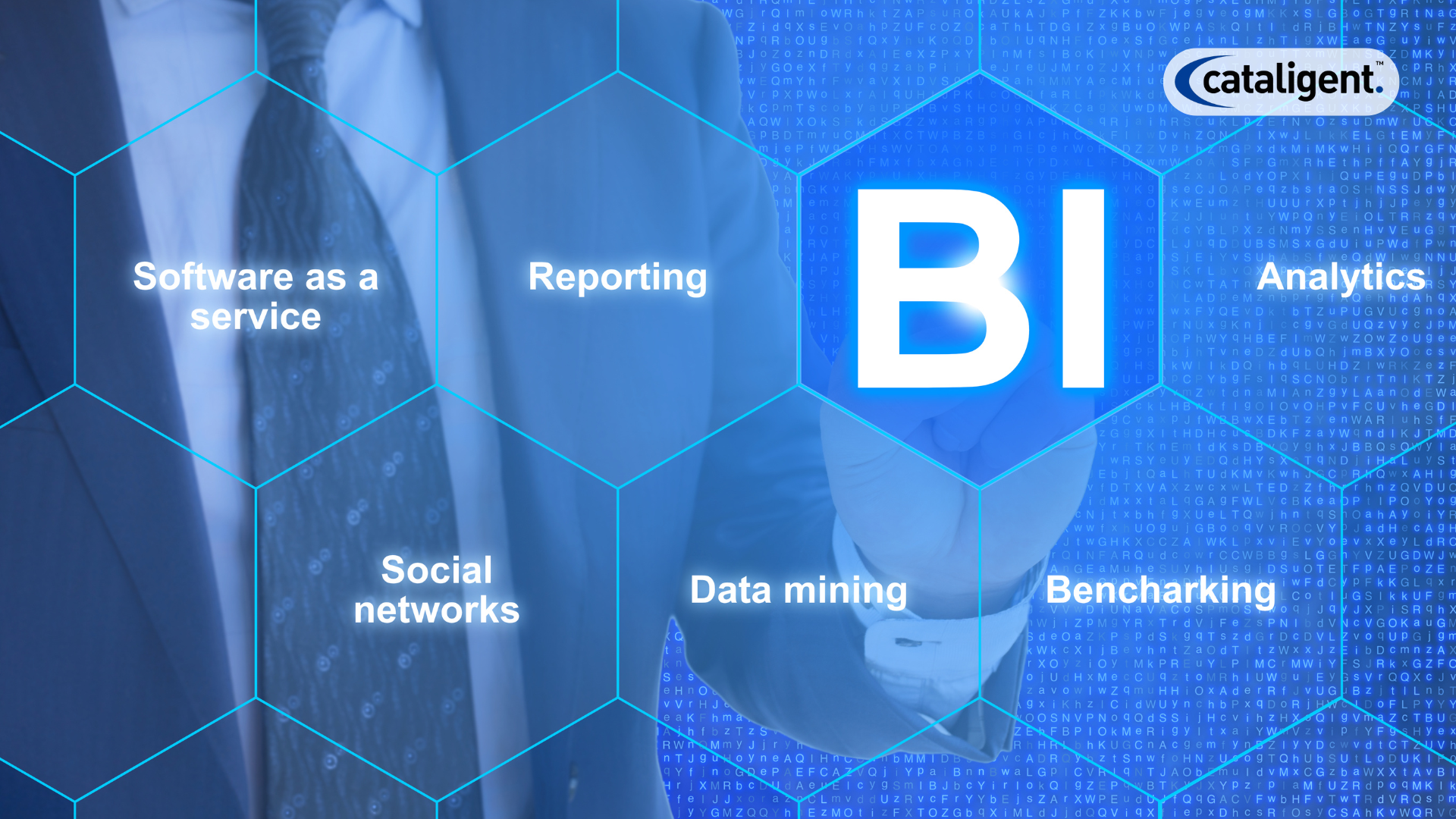
    Business Intelligence (BI) tools are software applications that help organizations collect, process, and analyze business data to gain actionable insights. These tools facilitate data visualization, reporting, and predictive analytics, allowing businesses to make informed decisions. BI tools extract data from multiple sources, including databases, spreadsheets, cloud applications, and enterprise resource planning (ERP) systems, to provide a unified view of business performance.

    Key Features of BI Tools

    1. Data Integration and Management
      • BI tools aggregate data from multiple sources into a centralized system.
      • Ensure data consistency and accuracy through data cleansing and transformation.
    2. Data Visualization and Dashboards
      • Provide interactive charts, graphs, and dashboards for real-time insights.
      • Enable users to customize reports for better data interpretation.
    3. Reporting and Analytics
      • Generate automated and customizable reports based on business needs.
      • Perform advanced analytics such as trend analysis and forecasting.
    4. Self-Service BI
      • Allow non-technical users to access and analyze data without relying on IT teams.
      • Improve accessibility through intuitive user interfaces and drag-and-drop functionality.
    5. Predictive and Prescriptive Analytics
      • Utilize machine learning algorithms to identify trends and predict future outcomes.
      • Provide actionable recommendations to optimize business processes.
    6. Collaboration and Sharing
      • Enable teams to collaborate on reports and share insights across departments.
      • Integrate with collaboration tools like Slack and Microsoft Teams.
    7. Security and Compliance
      • Implement data encryption, access controls, and compliance with regulations like GDPR.
      • Ensure secure handling of sensitive business information.

    Benefits of Using BI Tools

    1. Enhanced Decision-Making
      • BI tools provide data-driven insights that enable businesses to make informed strategic decisions.
      • Reduce reliance on guesswork and intuition.
    2. Improved Operational Efficiency
      • Automate data collection and reporting to save time and resources.
      • Streamline business processes and enhance productivity.
    3. Better Customer Insights
      • Analyze customer behavior and preferences to improve customer experience.
      • Personalize marketing campaigns based on data-driven insights.
    4. Competitive Advantage
      • Identify market trends and opportunities to stay ahead of competitors.
      • Make proactive adjustments to business strategies.
    5. Cost Savings
      • Optimize resource allocation by identifying inefficiencies.
      • Reduce expenses through better financial planning and forecasting.

    Challenges of Implementing BI Tools

    1. Data Quality and Integration Issues
      • Poor data quality can lead to inaccurate insights and incorrect decision-making.
      • Integrating data from multiple sources can be complex and time-consuming.
    2. User Adoption and Training
      • Employees may resist adopting BI tools due to a lack of technical expertise.
      • Requires proper training and change management strategies.
    3. High Implementation Costs
      • Some BI tools require significant investment in software and infrastructure.
      • Ongoing maintenance and updates add to the costs.
    4. Security and Compliance Concerns
      • Handling sensitive business data requires strict security measures.
      • Compliance with regulations adds complexity to implementation.
    5. Scalability Issues
      • Some BI tools may not scale effectively with growing data volumes.
      • Requires careful planning to ensure long-term usability.

    Best Practices for Implementing BI Tools

    1. Define Clear Objectives
      • Establish specific goals for using BI tools, such as improving sales forecasting or customer retention.
      • Align BI initiatives with overall business strategy.
    2. Choose the Right BI Tool
      • Evaluate tools based on ease of use, scalability, and integration capabilities.
      • Consider cloud-based BI solutions for flexibility and cost-effectiveness.
    3. Ensure Data Quality and Governance
      • Implement data governance policies to maintain accuracy and consistency.
      • Regularly update and clean data to avoid errors in analysis.
    4. Provide Employee Training and Support
      • Offer training programs to help employees understand and utilize BI tools effectively.
      • Encourage a data-driven culture within the organization.
    5. Monitor and Optimize Performance
      • Continuously track the effectiveness of BI initiatives.
      • Gather feedback and make necessary improvements to enhance user experience.

    Popular BI Tools in the Market

    1. Tableau
      • Offers powerful data visualization and dashboard capabilities.
      • Supports real-time data analysis and integration with multiple data sources.
    2. Power BI
      • Microsoft’s BI tool with strong integration with Excel and Azure services.
      • Provides AI-driven insights and self-service analytics.
    3. Qlik Sense
      • Focuses on associative data analysis for better decision-making.
      • Offers interactive dashboards and AI-powered analytics.
    4. Looker
      • Cloud-based BI tool with a focus on data exploration.
      • Provides strong collaboration and data governance features.
    5. SAP BusinessObjects
      • Enterprise-level BI platform with comprehensive reporting and analytics.
      • Ideal for large organizations requiring complex data analysis.

    Conclusion

    Business Intelligence (BI) tools are essential for modern organizations aiming to leverage data for better decision-making. By integrating, analyzing, and visualizing data, BI tools help businesses improve efficiency, gain customer insights, and maintain a competitive edge. While challenges exist in implementation, following best practices and selecting the right BI tool can maximize the benefits. As technology advances, BI tools will continue to evolve, offering even more powerful capabilities for data-driven success.