
Implementing Water Efficiency Measures for Cost Savings and Sustainability
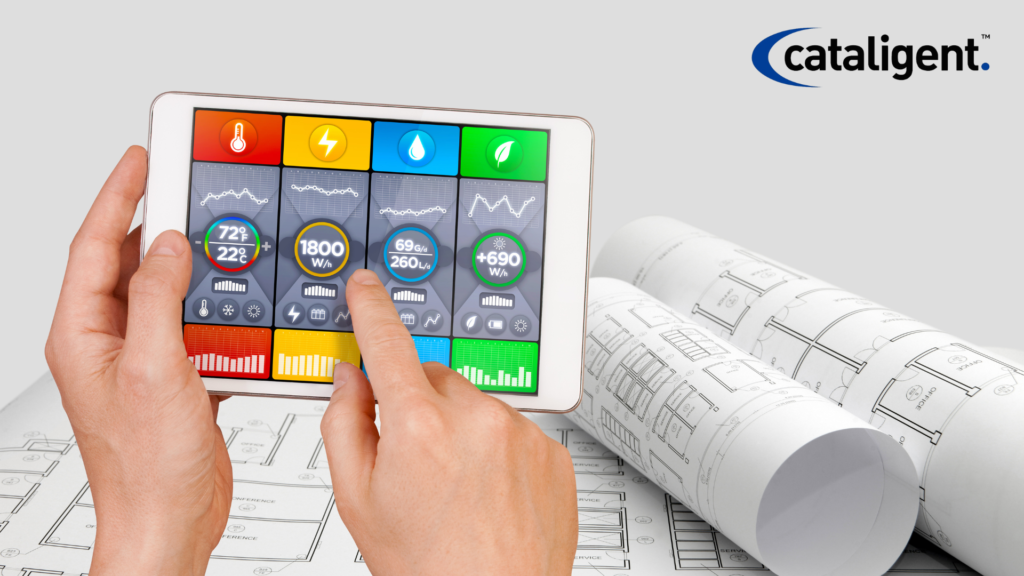
Introduction Water is an essential resource for any facility, whether commercial, industrial, or residential. However, excessive water use leads to high operational costs and environmental strain. Implementing water efficiency measures can significantly reduce water consumption and wastage, leading to lower utility bills and improved sustainability. This document explores the importance of water efficiency, the cost-saving […]
Improving Building Insulation and Design for Energy Efficiency
Introduction Building insulation and design play a critical role in energy efficiency, reducing heating and cooling costs, and enhancing overall comfort. Poor insulation leads to significant energy losses, causing higher utility bills and increased environmental impact. By optimizing building insulation and incorporating energy-efficient design principles, organizations and homeowners can achieve substantial cost savings and contribute […]
Optimizing Lighting Systems for Energy Efficiency
Introduction Lighting is a fundamental aspect of any building, whether it’s an office, industrial facility, retail store, or residential space. However, traditional lighting systems often consume significant amounts of energy, contributing to high utility costs and environmental impact. Optimizing lighting systems for better energy efficiency is a practical and cost-effective way to reduce electricity consumption, […]
Transition to Renewable Energy Sources

What It Involves Transitioning to renewable energy sources involves shifting from conventional fossil fuels to sustainable energy solutions such as solar, wind, geothermal, or biomass. This change can be partial, supplementing existing power sources, or complete, depending on feasibility and investment capabilities. Cost-Saving Impact Implementation Conclusion Shifting to renewable energy sources is a strategic move […]
Implement Smart Energy Management Systems
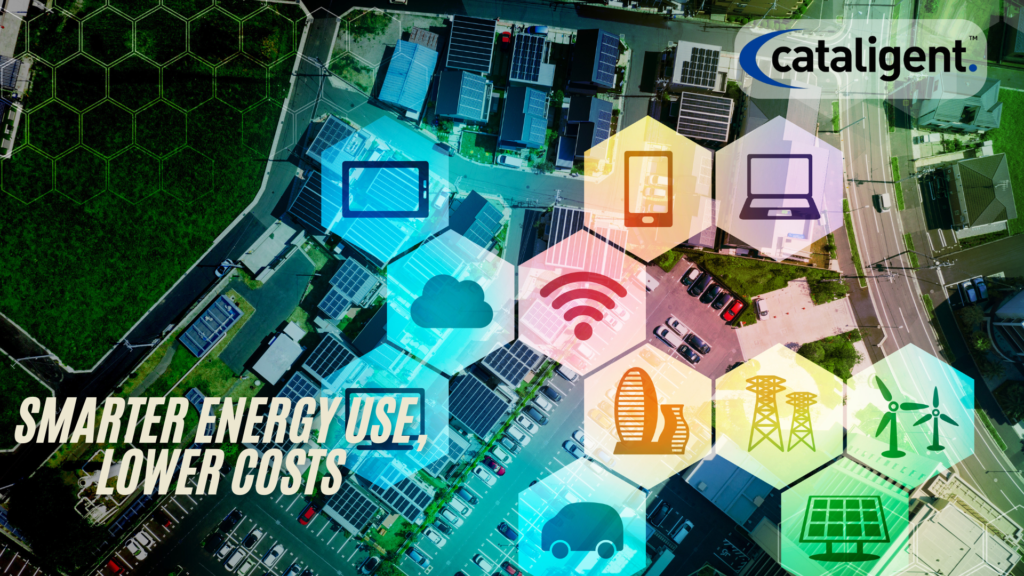
What It Involves: Smart energy management systems utilize IoT-enabled technology to monitor, control, and optimize energy usage in real time. These systems integrate sensors, software, and automation to improve energy efficiency and reduce operational costs. By collecting and analyzing data, organizations can make informed decisions that enhance sustainability and performance. Cost-Saving Impact: Implementation: Conclusion: Implementing […]
Upgrade to Energy-Efficient Equipment

What It Involves: Upgrading outdated machinery and appliances to energy-efficient alternatives is a crucial step in reducing operational costs and improving sustainability. Businesses, industrial facilities, and even residential properties can benefit from modern equipment that consumes less power while maintaining or enhancing performance. Cost-Saving Impact: Implementation: Conclusion: Replacing outdated machinery with energy-efficient alternatives is a […]