Month: March 2025

  • Cost-Saving Strategies for Risk Management

    Cost-Saving Strategies for Risk Management

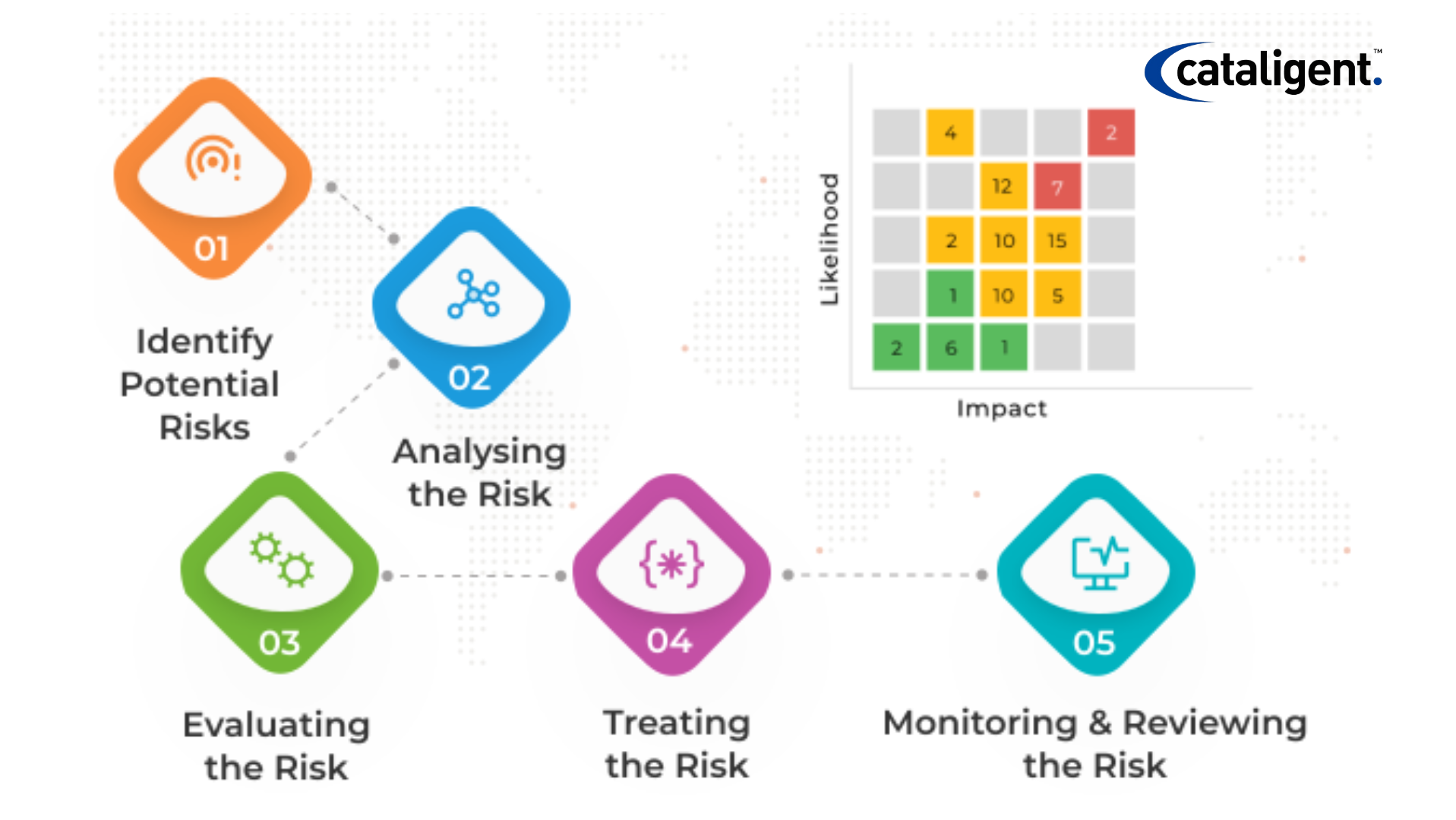
    Effective risk management helps organizations minimize financial losses, protect assets, and enhance long-term sustainability. By proactively identifying, assessing, and mitigating risks, businesses can avoid costly disruptions, legal liabilities, and operational inefficiencies. Below are key cost-saving strategies for risk management to reduce expenses while maintaining strong risk controls.


    1. Conduct Regular Risk Assessments

    • What It Involves: Periodically evaluate business risks, including financial, operational, compliance, and cybersecurity risks.
    • Cost-Saving Impact:
      • Identifies potential threats before they become costly problems.
      • Reduces unexpected financial losses.
    • Implementation:
      • Perform annual or quarterly risk assessments.
      • Use risk management software to track vulnerabilities like Cataligent.

    2. Invest in Preventive Measures Instead of Reactive Solutions

    • What It Involves: Implement proactive risk controls to prevent losses rather than dealing with damage after it occurs.
    • Cost-Saving Impact:
      • Reduces costs related to legal disputes, operational downtime, and financial penalties.
      • Improves business resilience against potential threats.
    • Implementation:
      • Conduct employee training on fraud prevention, compliance, and safety.
      • Implement cybersecurity firewalls and anti-phishing tools.

    3. Use Insurance Coverage Strategically

    • What It Involves: Optimize insurance policies to cover critical risks while avoiding unnecessary premiums.
    • Cost-Saving Impact:
      • Prevents financial losses from lawsuits, accidents, or disasters.
      • Reduces overpaying for excessive or redundant coverage.
    • Implementation:
      • Conduct annual insurance audits to reassess coverage needs.
      • Negotiate better rates or bundle policies for discounts.

    4. Implement Strong Cybersecurity Measures

    • What It Involves: Protect digital assets and customer data to prevent cyber threats and data breaches.
    • Cost-Saving Impact:
      • Avoids expensive fines, legal costs, and reputational damage from breaches.
      • Reduces downtime from cyberattacks.
    • Implementation:
      • Use multi-factor authentication (MFA) and endpoint protection software.
      • Train employees on cybersecurity best practices.

    5. Automate Compliance and Regulatory Reporting

    • What It Involves: Use compliance automation tools to track and report regulatory requirements.
    • Cost-Saving Impact:
      • Reduces penalties for non-compliance.
      • Lowers administrative costs and human errors.
    • Implementation:
      • Adopt compliance management software.
      • Set up automated alerts for regulatory updates.

    6. Standardize Policies and Procedures

    • What It Involves: Develop and enforce standardized risk management protocols across departments.
    • Cost-Saving Impact:
      • Reduces financial losses due to inconsistent risk handling.
      • Enhances efficiency and accountability.
    • Implementation:
      • Create clear risk management policies and training programs.
      • Use internal audits to ensure compliance with standards.

    7. Reduce Legal and Litigation Costs

    • What It Involves: Minimize legal risks by improving contracts, policies, and compliance practices.
    • Cost-Saving Impact:
      • Prevents costly lawsuits and settlements.
      • Reduces legal fees from ongoing disputes.
    • Implementation:
      • Use contract management software to ensure compliance.
      • Work with legal counsel to review high-risk agreements proactively.

    8. Strengthen Vendor and Supplier Risk Management

    • What It Involves: Assess and monitor vendor reliability to avoid supply chain disruptions and financial losses.
    • Cost-Saving Impact:
      • Reduces losses from supplier failures or contract breaches.
      • Ensures operational continuity with reliable partners.
    • Implementation:
      • Conduct supplier risk assessments before contracts.
      • Diversify supplier base to reduce dependency on a single vendor.

    9. Optimize Workplace Safety and Reduce Workers’ Compensation Claims

    • What It Involves: Improve safety programs to prevent workplace accidents and insurance claims.
    • Cost-Saving Impact:
      • Lowers workers’ compensation and liability costs.
      • Reduces absenteeism and productivity losses.
    • Implementation:
      • Implement OSHA-compliant safety protocols.
      • Provide regular safety training and ergonomic improvements.

    10. Use Predictive Analytics for Risk Mitigation

    • What It Involves: Leverage AI and data analytics to forecast potential risks and trends.
    • Cost-Saving Impact:
      • Reduces unexpected financial shocks.
      • Improves decision-making with real-time risk insights.
    • Implementation:
      • Use AI-driven risk analytics tools.
      • Monitor financial and operational risk indicators.

    11. Streamline Incident Response and Crisis Management

    • What It Involves: Develop a clear action plan for handling crises such as cyberattacks, fraud, or operational failures.
    • Cost-Saving Impact:
      • Minimizes losses from prolonged disruptions.
      • Protects brand reputation and customer trust.
    • Implementation:
      • Establish a crisis response team and business continuity plan.
      • Conduct regular risk drills and scenario planning.

    12. Train Employees on Risk Awareness and Fraud Prevention

    • What It Involves: Educate employees on identifying and mitigating risks such as fraud, phishing scams, and workplace hazards.
    • Cost-Saving Impact:
      • Reduces internal fraud and security breaches.
      • Strengthens overall organizational risk culture.
    • Implementation:
      • Provide fraud detection training for finance teams.
      • Conduct phishing awareness campaigns.

    13. Optimize Asset and Equipment Maintenance

    • What It Involves: Implement preventive maintenance strategies to avoid costly repairs or replacements.
    • Cost-Saving Impact:
      • Reduces equipment downtime and replacement costs.
      • Prevents unexpected breakdowns that impact operations.
    • Implementation:
      • Schedule regular equipment maintenance.
      • Use IoT-based predictive maintenance tools.

    14. Leverage Outsourced Risk Management Services

    • What It Involves: Use third-party experts for specialized risk assessments, cybersecurity, and legal compliance.
    • Cost-Saving Impact:
      • Reduces the cost of maintaining an in-house risk team.
      • Provides access to expert risk mitigation strategies.
    • Implementation:
      • Hire external auditors and risk consultants.
      • Outsource cybersecurity monitoring to managed security providers.

    15. Secure Intellectual Property (IP) and Data Assets

    • What It Involves: Protect patents, trademarks, and proprietary data from theft or misuse.
    • Cost-Saving Impact:
      • Avoids financial losses from IP disputes.
      • Prevents data breaches that lead to regulatory fines.
    • Implementation:
      • Register patents and trademarks.
      • Implement strict data access controls.

    Conclusion

    By implementing these cost-saving strategies for risk management, businesses can reduce financial losses, enhance compliance, and improve overall operational resilience. A proactive approach to risk assessment, mitigation, and training ensures that organizations remain protected while optimizing costs.

  • Cost-Saving Strategies for Real Estate Costs

    Cost-Saving Strategies for Real Estate Costs

    Real estate costs, including rent, utilities, and maintenance, are significant expenses for businesses. Optimizing these costs can improve financial efficiency and free up capital for core operations. Below are key cost-saving strategies for real estate expenses that organizations can implement to reduce costs while maintaining productivity.


    1. Optimize Office Space Utilization

    • What It Involves: Assess current office space usage and adjust layouts or reduce unused space.
    • Cost-Saving Impact:
      • Reduces rental and utility costs by downsizing excess space.
      • Enhances operational efficiency with better space planning.
    • Implementation:
      • Conduct a workspace utilization analysis.
      • Implement open-office layouts or hot-desking policies.

    2. Consider Remote or Hybrid Work Models

    • What It Involves: Reduce office space needs by allowing employees to work remotely.
    • Cost-Saving Impact:
      • Cuts down on rental expenses and overhead costs.
      • Reduces utility and maintenance expenses.
    • Implementation:
      • Implement work-from-home policies.
      • Downsize office space or move to a shared workspace model.

    3. Renegotiate Lease Agreements

    • What It Involves: Reevaluate and negotiate better lease terms with landlords.
    • Cost-Saving Impact:
      • Reduces monthly rent expenses.
      • Increases lease flexibility to adjust space needs.
    • Implementation:
      • Renegotiate for lower rent or lease incentives.
      • Consider long-term lease commitments for discounted rates.

    4. Move to a More Affordable Location

    • What It Involves: Relocate business operations to areas with lower rental costs.
    • Cost-Saving Impact:
      • Reduces leasing costs while maintaining operational efficiency.
      • Avoids high real estate prices in premium locations.
    • Implementation:
      • Assess cost differences between city-center and suburban locations.
      • Consider relocating to tax-friendly or low-cost regions.

    5. Utilize Shared Workspaces or Co-Working Offices

    • What It Involves: Use flexible, shared office spaces instead of leasing an entire office.
    • Cost-Saving Impact:
      • Eliminates long-term lease commitments.
      • Reduces costs for utilities, maintenance, and office furniture.
    • Implementation:
      • Partner with co-working spaces like WeWork, Regus, or local alternatives.
      • Lease meeting rooms only when needed.

    6. Implement Energy-Efficient Solutions

    • What It Involves: Reduce utility bills by adopting energy-saving technologies.
    • Cost-Saving Impact:
      • Lowers electricity, heating, and cooling expenses.
      • Provides long-term savings on operational costs.
    • Implementation:
      • Upgrade to LED lighting and smart thermostats.
      • Use motion sensors and energy-efficient HVAC systems.

    7. Consolidate Multiple Office Locations

    • What It Involves: Merge multiple office spaces into a single, centralized location.
    • Cost-Saving Impact:
      • Reduces real estate expenses by minimizing rent and utilities.
      • Enhances team collaboration and resource allocation.
    • Implementation:
      • Conduct a real estate footprint analysis.
      • Merge nearby branches to a single office space.

    8. Sublease or Rent Out Unused Office Space

    • What It Involves: Monetize extra office space by leasing it to other businesses.
    • Cost-Saving Impact:
      • Generates additional income from unused space.
      • Reduces the financial burden of underutilized areas.
    • Implementation:
      • List extra office space on commercial property marketplaces.
      • Offer short-term rentals to freelancers or small businesses.

    9. Reduce Facility Maintenance Costs

    • What It Involves: Optimize facility management practices to lower operational expenses.
    • Cost-Saving Impact:
      • Cuts repair and upkeep costs.
      • Improves longevity of office infrastructure.
    • Implementation:
      • Conduct preventive maintenance on HVAC, plumbing, and electrical systems.
      • Outsource facility management to reduce internal staffing costs.

    10. Switch to Flexible Lease Agreements

    • What It Involves: Opt for shorter, more flexible leasing options instead of long-term commitments.
    • Cost-Saving Impact:
      • Provides adaptability in case of downsizing needs.
      • Avoids penalties for breaking long-term leases.
    • Implementation:
      • Look for month-to-month or yearly leasing options.
      • Avoid fixed long-term contracts with heavy financial obligations.

    11. Implement Smart Building Technologies

    • What It Involves: Use automation and IoT solutions to reduce energy and maintenance costs.
    • Cost-Saving Impact:
      • Reduces waste and improves energy efficiency.
      • Lowers long-term real estate operating costs.
    • Implementation:
      • Install automated lighting, climate control, and security systems.
      • Use building management software to track and optimize utilities.

    12. Purchase Instead of Renting (When Feasible)

    • What It Involves: Consider buying property instead of leasing if long-term savings justify the investment.
    • Cost-Saving Impact:
      • Eliminates rental expenses and builds company assets.
      • Reduces long-term operational costs.
    • Implementation:
      • Compare ownership vs. leasing costs for long-term planning.
      • Explore financing options for commercial real estate purchases.

    13. Reduce Office Perks and Amenities

    • What It Involves: Cut back on non-essential office expenses such as catered meals and luxury office decor.
    • Cost-Saving Impact:
      • Minimizes unnecessary expenditures while maintaining functionality.
      • Aligns spending with core business needs.
    • Implementation:
      • Limit non-essential office perks.
      • Opt for cost-effective office furniture and decor.

    14. Relocate to a Tax-Friendly Region

    • What It Involves: Move operations to locations with lower taxes and business costs.
    • Cost-Saving Impact:
      • Reduces business tax burdens.
      • Lowers overall cost of doing business.
    • Implementation:
      • Research tax incentives for businesses in different regions.
      • Explore economic zones offering tax breaks for commercial real estate.

    15. Implement Work-From-Anywhere Policies

    • What It Involves: Enable employees to work from various locations instead of maintaining a physical office.
    • Cost-Saving Impact:
      • Eliminates office-related expenses like rent and utilities.
      • Enhances employee flexibility and job satisfaction.
    • Implementation:
      • Transition to a fully remote workforce where possible.
      • Provide virtual collaboration tools for remote teams.

    Conclusion

    By implementing these cost-saving strategies for real estate costs, businesses can significantly reduce expenses while maintaining an efficient and productive work environment. Whether through optimizing office space, renegotiating leases, or adopting flexible work arrangements, strategic real estate management can contribute to long-term financial stability and growth.

  • Cost-Saving Strategies for Inventory Management

    Cost-Saving Strategies for Inventory Management

    Effective inventory management helps businesses optimize stock levels, reduce carrying costs, and improve cash flow. By implementing cost-saving strategies, organizations can minimize waste, prevent stockouts, and maximize operational efficiency. Below are key cost-saving strategies for inventory management that businesses can adopt for better profitability.


    1. Implement Just-in-Time (JIT) Inventory Management

    • What It Involves: Maintain inventory levels based on demand rather than overstocking.
    • Cost-Saving Impact:
      • Reduces storage and carrying costs.
      • Minimizes waste due to product obsolescence.
    • Implementation:
      • Use demand forecasting tools to predict stock needs.
      • Develop strong relationships with suppliers for timely deliveries.

    2. Optimize Stock Levels with Demand Forecasting

    • What It Involves: Use data analytics to predict inventory needs accurately.
    • Cost-Saving Impact:
      • Prevents over-purchasing or understocking.
      • Reduces working capital tied up in excess inventory.
    • Implementation:
      • Leverage AI-powered demand forecasting tools.
      • Monitor historical sales data and market trends.

    3. Use ABC Analysis for Inventory Prioritization

    • What It Involves: Categorize inventory based on value and sales frequency.
    • Cost-Saving Impact:
      • Focuses resources on high-value, high-demand items.
      • Minimizes unnecessary stockpiling of low-value products.
    • Implementation:
      • Classify items as A (high-value, low-quantity), B (moderate-value, medium-quantity), and C (low-value, high-quantity).
      • Adjust inventory control policies for each category.

    4. Reduce Holding Costs with Better Warehouse Organization

    • What It Involves: Optimize storage layout and retrieval processes.
    • Cost-Saving Impact:
      • Improves space utilization, reducing warehouse costs.
      • Enhances picking efficiency and reduces labor costs.
    • Implementation:
      • Use vertical storage racks and barcode scanning.
      • Organize stock based on frequency of retrieval (fast-moving items near dispatch areas).

    5. Automate Inventory Tracking and Replenishment

    • What It Involves: Implement real-time inventory tracking systems.
    • Cost-Saving Impact:
      • Reduces errors in stock counting and order fulfillment.
      • Improves inventory visibility and reduces shrinkage.
    • Implementation:
      • Use RFID, barcode scanning, and inventory management software.
      • Automate reordering based on preset stock thresholds.

    6. Implement Vendor-Managed Inventory (VMI)

    • What It Involves: Allow suppliers to monitor and replenish stock based on usage data.
    • Cost-Saving Impact:
      • Reduces the burden of inventory management.
      • Ensures just-in-time replenishment, reducing excess stock.
    • Implementation:
      • Establish VMI agreements with reliable suppliers.
      • Use shared data platforms for real-time stock updates.

    7. Adopt Dropshipping for Low-Demand Items

    • What It Involves: Ship products directly from suppliers to customers instead of storing them.
    • Cost-Saving Impact:
      • Eliminates warehousing and inventory holding costs.
      • Reduces risks associated with unsold inventory.
    • Implementation:
      • Partner with dropshipping suppliers.
      • Use e-commerce platforms to integrate dropshipping solutions.

    8. Reduce Dead Stock and Slow-Moving Inventory

    • What It Involves: Identify and clear out obsolete or slow-moving items.
    • Cost-Saving Impact:
      • Frees up storage space and capital for high-demand items.
      • Prevents inventory from becoming unsellable.
    • Implementation:
      • Conduct regular stock audits to identify slow-moving products.
      • Offer discounts or bundle deals to sell excess stock.

    9. Implement Cross-Docking for Faster Turnaround

    • What It Involves: Transfer incoming shipments directly to outbound trucks with minimal storage time.
    • Cost-Saving Impact:
      • Reduces warehouse storage needs.
      • Improves supply chain speed and efficiency.
    • Implementation:
      • Coordinate supplier shipments with outbound logistics.
      • Use cross-docking facilities for high-volume distribution.

    10. Streamline Supplier Relationships for Cost Savings

    • What It Involves: Work with fewer, more reliable suppliers to improve efficiency and reduce costs.
    • Cost-Saving Impact:
      • Enhances purchasing power for bulk discounts.
      • Reduces administrative costs related to managing multiple vendors.
    • Implementation:
      • Negotiate long-term contracts with key suppliers.
      • Standardize purchasing processes across departments.

    11. Use Real-Time Data Analytics for Inventory Decisions

    • What It Involves: Track inventory performance and adjust strategies accordingly.
    • Cost-Saving Impact:
      • Improves stock accuracy and prevents over-ordering.
      • Reduces losses from misplaced or expired products.
    • Implementation:
      • Integrate business intelligence tools into inventory systems.
      • Monitor KPIs like stock turnover rate and inventory carrying costs.

    12. Minimize Returns and Restocking Costs

    • What It Involves: Implement better quality control and accurate order fulfillment.
    • Cost-Saving Impact:
      • Reduces the financial burden of returned goods.
      • Improves customer satisfaction and retention.
    • Implementation:
      • Conduct quality checks before shipping orders.
      • Improve product descriptions and customer communication to reduce order errors.

    13. Leverage Reverse Logistics for Cost Recovery

    • What It Involves: Optimize processes for handling product returns, refurbishing, or reselling returned goods.
    • Cost-Saving Impact:
      • Recovers value from returned or defective products.
      • Reduces waste and disposal costs.
    • Implementation:
      • Establish resale or refurbishment programs for returned goods.
      • Work with logistics partners to improve return handling efficiency.

    14. Adopt Consignment Inventory Agreements

    • What It Involves: Store supplier-owned stock on-site and pay only when used or sold.
    • Cost-Saving Impact:
      • Reduces upfront inventory costs.
      • Improves cash flow and reduces financial risk.
    • Implementation:
      • Negotiate consignment inventory agreements with suppliers.
      • Track stock usage with inventory management software.

    15. Train Employees on Inventory Best Practices

    • What It Involves: Educate staff on proper inventory handling, tracking, and optimization techniques.
    • Cost-Saving Impact:
      • Reduces human errors that lead to inventory loss.
      • Improves compliance with cost-saving procedures.
    • Implementation:
      • Provide training on warehouse management and stock rotation.
      • Encourage employees to identify and report inefficiencies.

    Conclusion

    By implementing these cost-saving strategies for inventory management, businesses can reduce carrying costs, improve stock efficiency, and optimize cash flow. The key to success is leveraging technology, demand forecasting, and streamlined processes to ensure inventory is managed effectively with minimal waste and maximum profitability.

  • Cost-Saving Strategies for Supply Chain

    Cost-Saving Strategies for Supply Chain

    Supply chain management plays a crucial role in a company’s overall profitability. By optimizing logistics, procurement, and inventory management, businesses can significantly reduce costs while maintaining efficiency and customer satisfaction. Below are key cost-saving strategies for supply chain management to enhance performance and sustainability.


    1. Optimize Inventory Management

    • What It Involves: Implement demand forecasting and lean inventory techniques to minimize stockholding costs.
    • Cost-Saving Impact:
      • Reduces storage and warehousing costs.
      • Minimizes product obsolescence and waste.
    • Implementation:
      • Use just-in-time (JIT) inventory management.
      • Implement AI-powered demand forecasting tools.

    2. Reduce Supplier Costs Through Strategic Sourcing

    • What It Involves: Select cost-efficient suppliers through competitive bidding, vendor consolidation, and long-term partnerships.
    • Cost-Saving Impact:
      • Lowers procurement costs through bulk purchasing and contract negotiations.
      • Improves quality and reliability of supply sources.
    • Implementation:
      • Conduct supplier benchmarking and cost analysis.
      • Negotiate volume discounts with fewer, high-performing suppliers.

    3. Optimize Transportation and Logistics

    • What It Involves: Streamline shipping routes, consolidate shipments, and use cost-effective freight options.
    • Cost-Saving Impact:
      • Reduces fuel and freight expenses.
      • Improves delivery efficiency and customer satisfaction.
    • Implementation:
      • Use route optimization software to reduce mileage.
      • Consolidate shipments to minimize transportation costs.

    4. Leverage Technology and Automation

    • What It Involves: Implement digital tools to improve supply chain efficiency and reduce manual errors.
    • Cost-Saving Impact:
      • Reduces labor costs and enhances real-time tracking.
      • Increases accuracy in order fulfillment and inventory control.
    • Implementation:
      • Use warehouse management systems (WMS) like SAP or Oracle.
      • Implement RFID and barcode scanning for automated tracking.

    5. Improve Supplier Relationship Management

    • What It Involves: Develop strong, collaborative relationships with suppliers to ensure stability and cost efficiency.
    • Cost-Saving Impact:
      • Reduces risks of supply disruptions and emergency purchases.
      • Enables better pricing and service terms through strategic partnerships.
    • Implementation:
      • Conduct regular supplier performance reviews.
      • Implement vendor-managed inventory (VMI) programs.

    6. Use Data Analytics for Decision-Making

    • What It Involves: Utilize big data and AI to analyze trends, inefficiencies, and cost-saving opportunities.
    • Cost-Saving Impact:
      • Improves supply chain visibility and responsiveness.
      • Reduces costs related to inefficiencies and waste.
    • Implementation:
      • Use predictive analytics to forecast demand and optimize procurement.
      • Monitor key performance indicators (KPIs) for cost tracking.

    7. Streamline Procurement Processes

    • What It Involves: Automate procurement workflows and reduce unnecessary steps in the purchasing cycle.
    • Cost-Saving Impact:
      • Cuts administrative costs and reduces processing times.
      • Prevents procurement inefficiencies and maverick spending.
    • Implementation:
      • Use e-procurement systems for automated purchasing.
      • Implement approval workflows to control spending.

    8. Optimize Warehouse Space and Operations

    • What It Involves: Improve warehouse layout and processes to enhance efficiency and reduce costs.
    • Cost-Saving Impact:
      • Lowers rent, utilities, and operational expenses.
      • Reduces material handling costs and improves productivity.
    • Implementation:
      • Implement space optimization techniques like vertical storage.
      • Use AI-driven inventory placement strategies.

    9. Reduce Waste and Embrace Sustainable Practices

    • What It Involves: Minimize packaging, repurpose materials, and implement recycling programs.
    • Cost-Saving Impact:
      • Lowers material costs and disposal expenses.
      • Enhances brand reputation and sustainability compliance.
    • Implementation:
      • Use eco-friendly packaging and reduce excess packaging materials.
      • Partner with suppliers committed to sustainable practices.

    10. Improve Demand Planning and Forecasting

    • What It Involves: Use real-time data to anticipate customer demand and align supply chain activities accordingly.
    • Cost-Saving Impact:
      • Prevents overproduction and excess inventory.
      • Reduces storage and handling costs.
    • Implementation:
      • Use AI-driven demand forecasting models.
      • Align production schedules with market trends and seasonal fluctuations.

    11. Consider Nearshoring or Reshoring

    • What It Involves: Move supply chain operations closer to end markets to reduce shipping and lead time costs.
    • Cost-Saving Impact:
      • Reduces reliance on long-distance logistics and global disruptions.
      • Improves speed-to-market and customer service.
    • Implementation:
      • Evaluate local or regional suppliers for sourcing materials.
      • Balance nearshoring with cost-benefit analysis.

    12. Implement Lean Supply Chain Principles

    • What It Involves: Remove inefficiencies and non-value-adding steps from supply chain processes.
    • Cost-Saving Impact:
      • Reduces excess costs and operational waste.
      • Improves agility in responding to market changes.
    • Implementation:
      • Conduct process mapping to identify bottlenecks.
      • Apply Six Sigma and Lean methodologies.

    13. Optimize Reverse Logistics

    • What It Involves: Improve the efficiency of product returns, refurbishments, and recycling.
    • Cost-Saving Impact:
      • Reduces costs associated with returns processing.
      • Recovers value from returned or defective products.
    • Implementation:
      • Implement automated return authorization systems.
      • Refurbish returned goods for resale or recycling.

    14. Reduce Freight Costs with Multi-Modal Transportation

    • What It Involves: Combine different modes of transportation to optimize shipping costs.
    • Cost-Saving Impact:
      • Lowers logistics expenses by selecting cost-effective routes.
      • Improves flexibility in meeting delivery deadlines.
    • Implementation:
      • Use a mix of rail, sea, and truck transportation.
      • Optimize load planning to minimize empty freight space.

    15. Encourage Supplier Competition

    • What It Involves: Create a competitive bidding environment to secure the best supplier deals.
    • Cost-Saving Impact:
      • Reduces material and procurement costs.
      • Increases service quality through performance benchmarking.
    • Implementation:
      • Use RFPs (Request for Proposals) to attract competitive bids.
      • Maintain a diverse supplier base to avoid monopolistic pricing.

    Conclusion

    By implementing these cost-saving strategies for supply chain management, businesses can improve efficiency, reduce operational expenses, and enhance overall supply chain resilience. The key to success lies in leveraging technology, optimizing procurement, streamlining logistics, and fostering strong supplier relationships for long-term cost savings.

  • Cost-Saving Strategies for Budget Management

    Cost-Saving Strategies for Budget Management

    Effective budget management ensures financial stability, operational efficiency, and sustainable business growth. Organizations can reduce unnecessary expenditures, optimize resource allocation, and maximize returns by adopting strategic cost-saving measures. Below are key cost-saving strategies for budget management to help businesses stay financially disciplined and resilient.


    1. Implement Zero-Based Budgeting (ZBB)

    • What It Involves: Instead of basing budgets on previous years’ spending, every expense must be justified from scratch.
    • Cost-Saving Impact:
      • Eliminates unnecessary or outdated expenditures.
      • Ensures every dollar spent aligns with business priorities.
    • Implementation:
      • Analyze and categorize expenses based on necessity.
      • Prioritize spending on high-impact activities.

    2. Set Clear Budgeting Goals and Priorities

    • What It Involves: Establish financial targets aligned with business objectives and focus on critical expenditures.
    • Cost-Saving Impact:
      • Prevents overspending on non-essential activities.
      • Helps teams make cost-conscious decisions.
    • Implementation:
      • Define key performance indicators (KPIs) for budgeting.
      • Regularly review goals to ensure alignment with financial performance.

    3. Use Technology to Track and Manage Budgets

    • What It Involves: Automate budget tracking, forecasting, and reporting with financial management tools.
    • Cost-Saving Impact:
      • Reduces human errors and administrative costs.
      • Enhances real-time visibility into financial health.
    • Implementation:
      • Use budgeting software like QuickBooks, Xero, or SAP.
      • Automate expense tracking and financial reporting.

    4. Conduct Regular Budget Reviews and Audits

    • What It Involves: Frequently analyze financial data to detect waste, inefficiencies, or overspending.
    • Cost-Saving Impact:
      • Identifies areas where expenses can be reduced.
      • Helps adjust budgets in response to market conditions.
    • Implementation:
      • Schedule monthly or quarterly budget reviews.
      • Implement internal financial audits to identify cost-saving opportunities.

    5. Reduce Fixed Costs Where Possible

    • What It Involves: Cut down on recurring expenses such as rent, utilities, and subscriptions.
    • Cost-Saving Impact:
      • Improves cash flow by lowering long-term financial commitments.
      • Enhances financial flexibility in uncertain times.
    • Implementation:
      • Negotiate lower rent or consider remote work to reduce office space costs.
      • Review and cancel unused or redundant software subscriptions.

    6. Implement Cost Control Measures Across Departments

    • What It Involves: Encourage cost-conscious spending across all teams and functions.
    • Cost-Saving Impact:
      • Promotes accountability and resource optimization.
      • Reduces unnecessary departmental expenses.
    • Implementation:
      • Establish spending limits and approval workflows.
      • Provide financial training to department heads.

    7. Optimize Vendor and Supplier Contracts

    • What It Involves: Renegotiate terms with vendors or switch to more cost-effective suppliers.
    • Cost-Saving Impact:
      • Reduces procurement costs and improves cash flow.
      • Secures better deals through long-term partnerships.
    • Implementation:
      • Regularly compare vendor pricing and negotiate bulk discounts.
      • Leverage group purchasing organizations (GPOs) for cost savings.

    8. Limit Discretionary Spending

    • What It Involves: Reduce spending on non-essential items like office perks, entertainment, and travel.
    • Cost-Saving Impact:
      • Frees up budget for core business activities.
      • Ensures financial discipline across the organization.
    • Implementation:
      • Implement approval processes for discretionary expenses.
      • Encourage virtual meetings instead of business travel.

    9. Adopt a Rolling Budget Approach

    • What It Involves: Continuously adjust the budget based on actual performance instead of setting rigid annual allocations.
    • Cost-Saving Impact:
      • Enhances adaptability to market changes.
      • Prevents over-allocation of funds to underperforming areas.
    • Implementation:
      • Regularly update budget forecasts based on financial data.
      • Allocate resources based on quarterly reviews instead of annual estimates.

    10. Reduce Energy and Utility Costs

    • What It Involves: Optimize energy consumption to lower operational expenses.
    • Cost-Saving Impact:
      • Lowers electricity, water, and heating costs.
      • Contributes to sustainability goals.
    • Implementation:
      • Upgrade to energy-efficient appliances and lighting.
      • Implement smart thermostats and automated power-saving features.

    11. Improve Procurement Efficiency

    • What It Involves: Streamline purchasing processes to eliminate waste and inefficiencies.
    • Cost-Saving Impact:
      • Reduces procurement-related expenses.
      • Prevents over-purchasing and redundant inventory.
    • Implementation:
      • Centralize purchasing decisions for better control.
      • Implement just-in-time (JIT) inventory management.

    12. Control Hiring and Workforce Costs

    • What It Involves: Optimize labor costs without compromising productivity.
    • Cost-Saving Impact:
      • Reduces payroll expenses while maintaining efficiency.
      • Prevents overstaffing and redundant roles.
    • Implementation:
      • Cross-train employees to handle multiple functions.
      • Use freelancers or contractors for temporary projects.

    13. Reduce Banking and Transaction Fees

    • What It Involves: Minimize costs associated with financial transactions, wire transfers, and credit card processing.
    • Cost-Saving Impact:
      • Lowers overhead costs for financial operations.
      • Improves profitability by reducing hidden fees.
    • Implementation:
      • Negotiate lower banking fees with financial institutions.
      • Use automated payments to avoid late fees and penalties.

    14. Encourage a Cost-Conscious Culture

    • What It Involves: Foster an organizational mindset focused on financial responsibility.
    • Cost-Saving Impact:
      • Creates long-term savings through employee-driven initiatives.
      • Encourages innovation in cost reduction.
    • Implementation:
      • Educate employees on financial efficiency.
      • Offer incentives for cost-saving ideas.

    15. Outsource Non-Core Activities

    • What It Involves: Delegate non-essential functions like IT support, HR, and customer service to third-party providers.
    • Cost-Saving Impact:
      • Lowers operational expenses.
      • Ensures access to specialized skills without full-time costs.
    • Implementation:
      • Use cloud-based HR and payroll solutions.
      • Partner with outsourced service providers for administrative functions.

    Conclusion

    By implementing these cost-saving strategies for budget management, businesses can maximize financial efficiency, reduce unnecessary expenditures, and maintain financial stability. The key is to continuously monitor, adjust, and optimize spending to ensure long-term profitability and growth.

  • Cost-Saving Strategies for Financial Management

    Cost-Saving Strategies for Financial Management

    Effective financial management is essential for sustaining profitability and ensuring business growth. By implementing cost-saving strategies, organizations can reduce unnecessary expenses, optimize cash flow, and enhance operational efficiency. Below are key cost-saving strategies for financial management that businesses can adopt to improve financial health.


    1. Conduct Regular Financial Audits

    • What It Involves: Periodically review financial statements, transactions, and budgets to identify wasteful expenditures.
    • Cost-Saving Impact:
      • Detects inefficiencies, errors, and unnecessary costs.
      • Provides insights for better financial decision-making.
    • Implementation:
      • Schedule quarterly or annual internal audits.
      • Use financial management tools to track spending patterns.

    2. Optimize Cash Flow Management

    • What It Involves: Maintain a balanced cash flow by controlling receivables, payables, and working capital.
    • Cost-Saving Impact:
      • Prevents liquidity issues and reduces reliance on costly short-term loans.
      • Ensures timely bill payments to avoid late fees and penalties.
    • Implementation:
      • Implement automated invoicing and payment tracking systems.
      • Offer early payment discounts to customers while negotiating extended terms with suppliers.

    3. Automate Financial Processes

    • What It Involves: Use accounting and financial software to streamline invoicing, payroll, and expense management.
    • Cost-Saving Impact:
      • Reduces administrative costs and human errors.
      • Increases efficiency in managing financial operations.
    • Implementation:
      • Use cloud-based accounting tools like QuickBooks, Xero, or FreshBooks.
      • Automate tax calculations and payroll processing.

    4. Reduce Debt and Interest Payments

    • What It Involves: Restructure high-interest debts and focus on early repayment strategies.
    • Cost-Saving Impact:
      • Lowers interest costs and frees up cash for business growth.
      • Improves creditworthiness and financial stability.
    • Implementation:
      • Refinance loans at lower interest rates.
      • Prioritize paying off high-interest debts first.

    5. Implement a Zero-Based Budgeting (ZBB) Approach

    • What It Involves: Allocate funds based on necessity rather than previous spending patterns.
    • Cost-Saving Impact:
      • Eliminates redundant or outdated expenses.
      • Ensures budget alignment with current business priorities.
    • Implementation:
      • Review and justify each expense from scratch every financial period.
      • Use ZBB tools to track and optimize budget allocations.

    6. Negotiate Vendor Contracts and Procurement Costs

    • What It Involves: Secure better deals with suppliers and vendors by renegotiating contracts and bulk purchasing.
    • Cost-Saving Impact:
      • Reduces procurement costs and increases profit margins.
      • Enhances supplier relationships for long-term benefits.
    • Implementation:
      • Compare vendor pricing and seek competitive bids.
      • Leverage group purchasing organizations (GPOs) for better rates.

    7. Minimize Unnecessary Operational Costs

    • What It Involves: Identify and eliminate non-essential expenses that do not contribute to revenue or efficiency.
    • Cost-Saving Impact:
      • Reduces overhead and administrative costs.
      • Improves operational productivity and profitability.
    • Implementation:
      • Cut down on unused software subscriptions and office supplies.
      • Encourage remote work to save on office space expenses.

    8. Optimize Tax Planning and Compliance

    • What It Involves: Take advantage of tax deductions, credits, and exemptions to reduce liabilities.
    • Cost-Saving Impact:
      • Minimizes tax burden legally and improves cash flow.
      • Avoids penalties and fines from tax non-compliance.
    • Implementation:
      • Work with tax consultants to optimize tax strategies.
      • Leverage depreciation and business expense deductions.

    9. Outsource Non-Core Financial Functions

    • What It Involves: Delegate accounting, payroll, and tax preparation to third-party service providers.
    • Cost-Saving Impact:
      • Reduces the cost of maintaining a full in-house finance team.
      • Improves accuracy and efficiency in financial reporting.
    • Implementation:
      • Use outsourced bookkeeping services.
      • Partner with professional tax advisors during tax season.

    10. Monitor Key Financial Performance Metrics

    • What It Involves: Track critical financial indicators to detect inefficiencies and prevent overspending.
    • Cost-Saving Impact:
      • Enables early intervention to address financial risks.
      • Helps maintain profitability and cost control.
    • Implementation:
      • Use dashboards and analytics tools for real-time financial tracking.
      • Focus on KPIs like gross profit margin, return on investment (ROI), and operating expenses.

    11. Implement Employee Cost-Saving Measures

    • What It Involves: Optimize workforce expenses through smart hiring and cost-efficient benefits.
    • Cost-Saving Impact:
      • Reduces HR costs while maintaining employee satisfaction.
      • Aligns compensation with business financial goals.
    • Implementation:
      • Offer performance-based incentives instead of fixed salary hikes.
      • Use freelancer or contract-based hiring for temporary projects.

    12. Reduce IT and Software Costs

    • What It Involves: Optimize IT infrastructure, consolidate software subscriptions, and adopt cost-effective alternatives.
    • Cost-Saving Impact:
      • Lowers technology-related expenses.
      • Ensures efficient use of digital tools without overspending.
    • Implementation:
      • Use open-source or low-cost software alternatives.
      • Move to cloud computing to reduce hardware maintenance costs.

    13. Implement Fraud Prevention and Cost Controls

    • What It Involves: Strengthen financial controls to prevent fraud, waste, and inefficiencies.
    • Cost-Saving Impact:
      • Protects company assets from misuse and financial mismanagement.
      • Prevents revenue losses due to fraud or errors.
    • Implementation:
      • Implement strict internal controls and approval workflows.
      • Conduct periodic fraud risk assessments.

    14. Optimize Payment Processing Fees

    • What It Involves: Minimize transaction fees by choosing cost-effective payment methods and service providers.
    • Cost-Saving Impact:
      • Lowers expenses associated with credit card and banking fees.
      • Improves profitability for businesses with frequent transactions.
    • Implementation:
      • Negotiate lower rates with payment processors.
      • Offer ACH or direct debit payments to avoid high credit card fees.

    15. Reduce Business Travel Expenses

    • What It Involves: Cut down on unnecessary travel costs through virtual meetings and remote collaboration.
    • Cost-Saving Impact:
      • Saves on airfare, lodging, and daily travel expenses.
      • Enhances efficiency by reducing travel-related downtime.
    • Implementation:
      • Use video conferencing tools like Zoom and Microsoft Teams.
      • Establish clear travel policies with cost limits.

    Conclusion

    By implementing these cost-saving strategies for financial management, businesses can reduce expenses, improve cash flow, and achieve greater financial stability. The key is to optimize budgeting, streamline operations, leverage technology, and continuously monitor financial performance to ensure long-term profitability and growth.