Month: March 2025

  • Sustainable Procurement: Driving Cost Savings and Environmental Responsibility

    Sustainable Procurement: Driving Cost Savings and Environmental Responsibility

    Introduction

    Sustainable procurement is a strategic approach that integrates environmental, social, and economic considerations into purchasing decisions. By sourcing responsibly, organizations not only contribute to a greener planet but also achieve long-term cost efficiencies and risk mitigation. Sustainable procurement goes beyond just compliance—it fosters innovation, enhances brand reputation, and ensures resilience in supply chains.

    This guide explores the importance of sustainable procurement, its key benefits, challenges, and best practices for implementation.


    What Is Sustainable Procurement?

    Sustainable procurement involves selecting products and services based on life-cycle costs, ethical sourcing, and environmental impact. It aims to minimize resource waste, reduce carbon footprints, and support fair labor practices while ensuring cost-effectiveness.

    Key Aspects of Sustainable Procurement:

    • Environmental Responsibility: Reducing energy consumption, minimizing waste, and selecting eco-friendly materials.
    • Social Accountability: Ensuring ethical labor practices, fair wages, and supplier diversity.
    • Economic Sustainability: Investing in long-term cost-effective solutions rather than short-term savings.

    Benefits of Sustainable Procurement

    1. Cost Savings Through Efficiency

    • Reducing waste and optimizing resource use lower operational costs.
    • Energy-efficient products decrease utility expenses over time.
    • Streamlining supply chains reduces transportation and storage costs.

    2. Regulatory Compliance and Risk Mitigation

    • Staying ahead of evolving environmental laws prevents fines and legal issues.
    • Diversifying suppliers enhances resilience against market disruptions.

    3. Improved Brand Reputation

    • Customers prefer businesses that prioritize sustainability.
    • Investors are more likely to support companies with strong environmental, social, and governance (ESG) policies.

    4. Innovation and Competitive Advantage

    • Encourages the development of new, sustainable materials and production methods.
    • Helps companies differentiate themselves in crowded markets.

    5. Long-Term Supplier Partnerships

    • Builds trust and stability in supply chains, ensuring quality and reliability.
    • Reduces risks associated with unethical sourcing and supplier instability.

    Challenges in Implementing Sustainable Procurement

    1. Higher Initial Costs

    • Sustainable products may have higher upfront costs, but they offer long-term savings.

    2. Supplier Availability

    • Not all suppliers have sustainable alternatives readily available.
    • Businesses must actively seek and vet eco-conscious vendors.

    3. Lack of Awareness and Training

    • Employees and procurement teams need proper education on sustainable sourcing.
    • Continuous learning and development programs are essential.

    4. Measuring Sustainability Impact

    • Companies need clear metrics to track sustainability progress.
    • Tools like carbon footprint analysis and supply chain audits can help.

    Best Practices for Implementing Sustainable Procurement

    1. Establish Clear Sustainability Goals

    • Define measurable objectives such as reducing carbon emissions by a set percentage.
    • Align procurement policies with corporate social responsibility (CSR) strategies.

    2. Source from Certified Suppliers

    • Look for vendors with recognized certifications (e.g., ISO 14001, Fair Trade, FSC).
    • Conduct audits to ensure compliance with sustainability standards.

    3. Implement Life-Cycle Costing (LCC)

    • Evaluate the total cost of ownership, including energy use, maintenance, and disposal.
    • Prioritize durable and recyclable materials to reduce long-term expenses.

    4. Leverage Technology for Transparency

    • Use digital procurement tools to track sustainability metrics.
    • Implement blockchain for secure and transparent supplier verification.

    5. Encourage Supplier Collaboration

    • Work with vendors to develop greener alternatives.
    • Incentivize sustainable practices through long-term contracts and shared benefits.

    Case Studies: Sustainable Procurement in Action

    Case Study 1: Retail Industry

    A leading global retailer committed to reducing plastic use in its supply chain. By partnering with eco-friendly suppliers and implementing biodegradable packaging, the company saved 15% on packaging costs while reducing environmental impact.

    Case Study 2: Manufacturing Sector

    A major electronics manufacturer switched to renewable energy-powered production facilities. Over five years, the company reduced energy expenses by 30% and gained a competitive edge with sustainability-focused consumers.

    Case Study 3: Automotive Industry

    An automobile company integrated sustainable procurement by using recycled materials for car interiors. This innovation not only reduced production costs but also attracted environmentally conscious customers.


    Conclusion

    Sustainable procurement is not just an ethical choice—it’s a smart business strategy. By prioritizing eco-friendly, socially responsible, and economically sound purchasing practices, organizations can achieve cost

  • Maximizing Efficiency Through Outsourcing Non-Core Activities

    Maximizing Efficiency Through Outsourcing Non-Core Activities

    Introduction

    Outsourcing non-core activities has become a strategic necessity for organizations looking to enhance efficiency, reduce costs, and focus on their core competencies. By delegating tasks such as IT support, human resources, customer service, and administrative functions to specialized third-party providers, businesses can streamline operations and improve overall productivity.

    This guide explores the key benefits, challenges, and best practices of outsourcing non-core activities, providing insights into how companies can optimize their outsourcing strategies for maximum efficiency and profitability.


    Understanding Non-Core Activities

    Non-core activities refer to functions that, while essential to business operations, do not directly contribute to the company’s primary value proposition or competitive advantage. These tasks often consume time and resources that could be better allocated to core business functions.

    Examples of Non-Core Activities

    • IT Services – Software development, cloud management, cybersecurity, and technical support.
    • Human Resources – Payroll processing, recruitment, employee benefits administration, and compliance management.
    • Customer Support – Call center operations, live chat support, and email handling.
    • Accounting & Finance – Bookkeeping, tax compliance, and financial analysis.
    • Logistics & Supply Chain – Warehousing, transportation, and inventory management.
    • Marketing & Advertising – Social media management, SEO, content creation, and graphic design.

    Benefits of Outsourcing Non-Core Activities

    1. Cost Savings

    • Reduces labor costs by eliminating the need for full-time, in-house staff for non-essential tasks.
    • Saves infrastructure expenses, such as office space, equipment, and software licensing.
    • Lowers operational costs by leveraging economies of scale from outsourcing partners.

    2. Enhanced Focus on Core Business Functions

    • Allows internal teams to concentrate on revenue-generating activities and strategic growth initiatives.
    • Reduces the burden of administrative and repetitive tasks on key personnel.

    3. Access to Specialized Expertise

    • Outsourcing partners provide industry-specific skills and advanced technological capabilities.
    • Ensures compliance with regulations and industry standards through expert-managed services.

    4. Increased Flexibility and Scalability

    • Enables businesses to scale operations up or down based on demand without long-term commitments.
    • Provides flexibility in workforce management, especially during peak seasons.

    5. Faster Time-to-Market

    • Accelerates product and service delivery by leveraging external expertise and global talent.
    • Enhances customer experience with 24/7 support and faster response times.

    Challenges of Outsourcing and How to Overcome Them

    1. Loss of Control

    • Solution: Establish clear service level agreements (SLAs) and maintain regular communication with vendors.

    2. Data Security Risks

    • Solution: Choose reputable outsourcing partners with robust cybersecurity measures and compliance certifications.

    3. Hidden Costs

    • Solution: Conduct a thorough cost-benefit analysis and ensure transparency in contract negotiations.

    4. Cultural and Language Barriers

    • Solution: Work with providers that have a strong understanding of your industry and customer base.

    5. Integration Challenges

    • Solution: Implement standardized processes and ensure seamless integration with internal systems.

    Best Practices for Effective Outsourcing

    1. Define Clear Objectives and Expectations

    • Establish key performance indicators (KPIs) and expected outcomes before engaging an outsourcing partner.
    • Align outsourcing goals with overall business objectives.

    2. Select the Right Vendor

    • Conduct thorough due diligence and check references before finalizing a contract.
    • Choose a provider with a proven track record and industry experience.

    3. Develop a Strong Contract and SLA

    • Clearly outline responsibilities, quality standards, turnaround times, and dispute resolution mechanisms.
    • Ensure the contract includes confidentiality clauses to protect sensitive information.

    4. Maintain Effective Communication

    • Schedule regular meetings and reporting checkpoints with outsourcing partners.
    • Use collaboration tools to ensure real-time tracking and updates.

    5. Continuously Monitor and Optimize Performance

    • Regularly evaluate outsourcing results and make necessary improvements.
    • Use analytics and feedback mechanisms to ensure maximum efficiency and ROI.

    Real-World Applications of Outsourcing Non-Core Activities

    Case Study 1: IT Services Outsourcing

    A global retail company outsourced its IT support and cybersecurity management to a third-party provider. As a result, the company reduced operational costs by 40% while improving system security and efficiency.

    Case Study 2: Customer Support Outsourcing

    A SaaS company struggling with high call volumes outsourced its customer service to a specialized call center. This led to a 50% improvement in customer response times and a 20% increase in customer satisfaction scores.

    Case Study 3: Accounting and Payroll Outsourcing

    A mid-sized manufacturing firm outsourced its payroll and bookkeeping operations, allowing the internal finance team to focus on strategic financial planning. This resulted in streamlined tax compliance and a 30% reduction in payroll processing costs.


    Conclusion

    Outsourcing non-core activities is a strategic approach that enables businesses to optimize costs, enhance operational efficiency, and focus on their key strengths. By partnering with specialized service providers, companies can leverage expertise, scale operations effectively, and drive sustainable growth.

  • Mastering Total Cost of Ownership (TCO) Analysis for Strategic Cost Savings

    Mastering Total Cost of Ownership (TCO) Analysis for Strategic Cost Savings

    Introduction

    Total Cost of Ownership (TCO) Analysis is a critical financial strategy that goes beyond the initial purchase price of a product or service. It provides a holistic view of all costs associated with acquisition, operation, maintenance, and eventual disposal. By understanding and applying TCO principles, businesses can make more informed decisions, optimize procurement strategies, and achieve long-term cost savings.

    This guide explores the fundamentals of TCO Analysis, its components, benefits, challenges, and best practices for effective implementation.


    Understanding Total Cost of Ownership (TCO)

    TCO is a comprehensive approach that considers the direct and indirect costs incurred throughout the lifecycle of an asset. Instead of focusing solely on purchase price, TCO analysis helps businesses evaluate the true value and financial impact of their investments.

    Key Elements of TCO

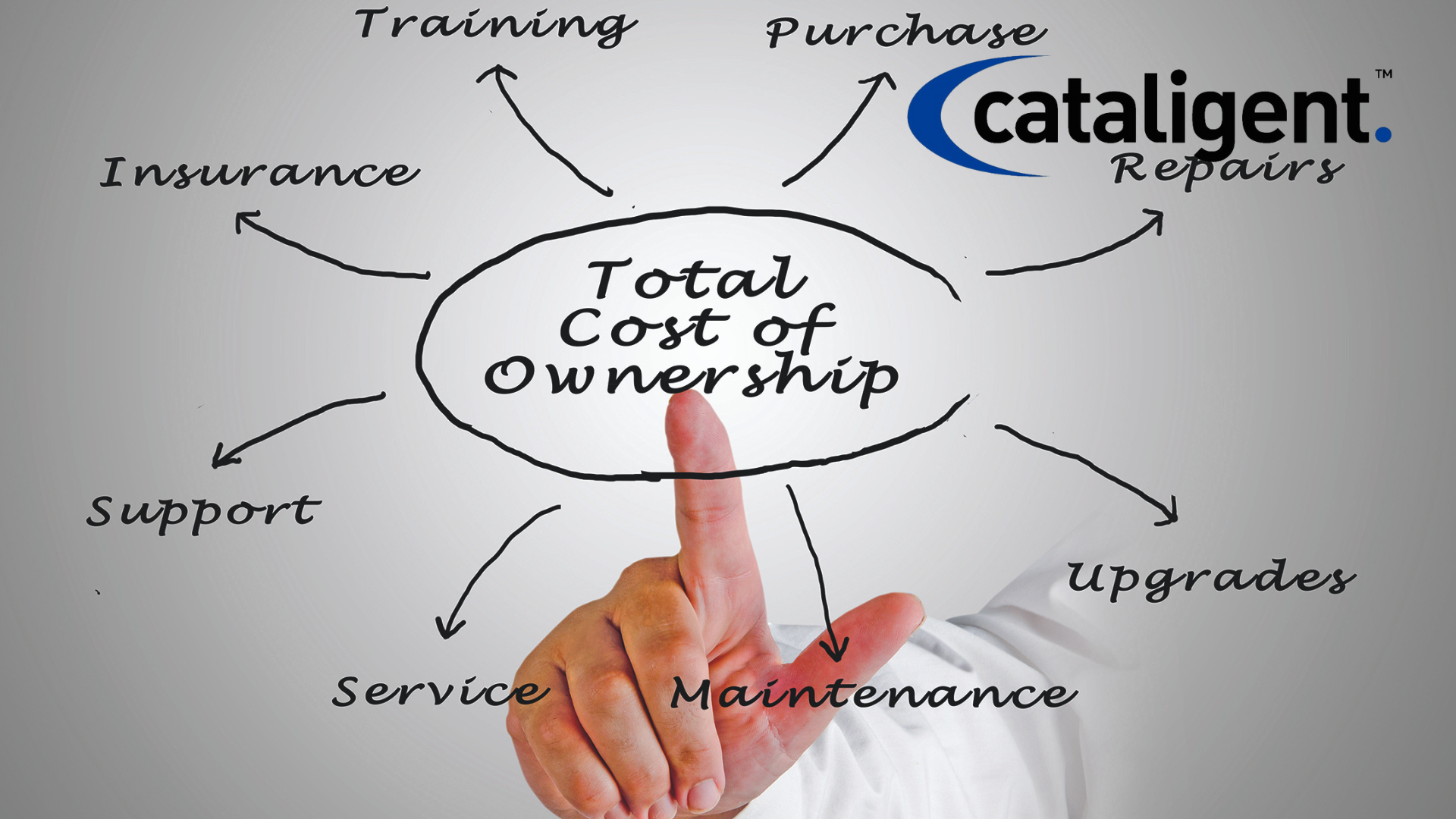
    1. Acquisition Costs – Initial costs, including purchase price, procurement expenses, and taxes.
    2. Operational Costs – Expenses related to energy consumption, labor, and daily maintenance.
    3. Maintenance and Support Costs – Repairs, upgrades, software updates, and ongoing service agreements.
    4. Downtime Costs – Losses due to operational disruptions, productivity setbacks, or service failures.
    5. Disposal or End-of-Life Costs – Depreciation, disposal fees, recycling, or replacement expenses.

    The Importance of TCO Analysis in Cost Management

    1. Informed Decision-Making

    • Helps organizations choose cost-effective solutions that provide long-term value.
    • Avoids costly mistakes by identifying hidden expenses.

    2. Improved Budgeting and Forecasting

    • Provides a realistic estimation of future financial commitments.
    • Reduces unexpected costs and financial strain.

    3. Enhanced Supplier Selection

    • Encourages procurement teams to evaluate suppliers based on lifecycle costs, not just upfront pricing.
    • Fosters long-term partnerships with cost-efficient vendors.

    4. Increased Operational Efficiency

    • Helps businesses optimize resource allocation and reduce waste.
    • Ensures efficient asset utilization through better lifecycle planning.

    Implementing TCO Analysis: Step-by-Step Approach

    Step 1: Define Scope and Objectives

    • Identify the product, service, or system to be analyzed.
    • Establish key performance indicators (KPIs) for cost evaluation.

    Step 2: Identify All Cost Components

    • List both direct and indirect costs.
    • Consider initial, operational, maintenance, and disposal costs.

    Step 3: Collect and Analyze Data

    • Gather historical and market data to estimate costs.
    • Use financial modeling and forecasting tools for accuracy.

    Step 4: Compare Alternatives

    • Evaluate multiple options based on their total cost over time.
    • Assess cost efficiency and return on investment (ROI).

    Step 5: Make Data-Driven Decisions

    • Choose the most cost-effective solution based on long-term value.
    • Implement strategies to mitigate high-cost factors.

    Step 6: Monitor and Optimize Continuously

    • Regularly review cost performance and adjust strategies accordingly.
    • Use technology and automation to improve TCO efficiency.

    Real-World Applications of TCO Analysis

    1. IT and Technology Investments

    Companies investing in cloud computing often compare upfront costs of on-premise infrastructure with long-term cloud service expenses, including maintenance, security, and upgrades.

    2. Fleet and Equipment Management

    Logistics firms analyze fuel efficiency, maintenance schedules, and depreciation to optimize vehicle purchases and leasing options.

    3. Manufacturing and Production

    Factories evaluate machinery based on energy consumption, repair frequency, and productivity levels before making procurement decisions.

    4. Sustainable Procurement

    Businesses aiming for environmental responsibility calculate long-term energy savings, carbon footprint reduction, and recyclability in their purchasing strategies.


    Challenges in TCO Analysis

    1. Data Availability and Accuracy

    • Difficulty in gathering comprehensive cost data.
    • Need for reliable sources and historical records.

    2. Complexity in Cost Estimation

    • Indirect costs can be difficult to quantify.
    • Requires expert financial analysis for accurate projections.

    3. Resistance to Change

    • Traditional procurement teams may focus on upfront costs.
    • Requires a shift in mindset to consider lifecycle value.

    Best Practices for Effective TCO Implementation

    1. Utilize TCO Analysis in Procurement Decisions

    • Make TCO a standard criterion in vendor and product evaluation.
    • Avoid low-cost, high-maintenance purchases.

    2. Leverage Technology and Automation

    • Use AI-powered analytics and enterprise resource planning (ERP) systems to track costs.
    • Implement predictive maintenance to reduce unexpected expenses.

    3. Engage Cross-Functional Teams

    • Collaborate with finance, procurement, and operations departments.
    • Ensure alignment with business goals and cost-saving initiatives.

    4. Regularly Update and Review TCO Models

    • Adapt cost models to market changes and new business conditions.
    • Reassess long-term cost strategies periodically.

    Case Study: Successful TCO Optimization

    Case Study: Cloud vs. On-Premise IT Infrastructure

    A global enterprise debated between an on-premise data center and a cloud-based infrastructure. TCO analysis revealed that:

    • The on-premise solution had lower upfront costs but required significant long-term maintenance and upgrades.
    • The cloud solution incurred ongoing subscription fees but reduced energy expenses, IT staffing costs, and hardware depreciation.

    By choosing the cloud, the company reduced overall IT costs by 30% over five years, demonstrating the power of TCO analysis in strategic decision-making.


    Conclusion

    Total Cost of Ownership (TCO) Analysis is an essential tool for organizations seeking to optimize costs, improve procurement strategies, and achieve long-term financial efficiency. By shifting the focus from initial purchase price to lifecycle cost considerations, businesses can make smarter investment decisions, enhance operational efficiency, and drive sustainable growth.

  • Unlocking Cost Savings with Group Purchasing Organizations (GPOs)

    Unlocking Cost Savings with Group Purchasing Organizations (GPOs)

    Introduction

    Group Purchasing Organizations (GPOs) are a game-changer for businesses seeking to cut procurement costs while maintaining quality and efficiency. By leveraging collective buying power, GPOs negotiate better deals with suppliers, offering members substantial savings on essential goods and services. Whether you are a small business, a healthcare provider, or a large corporation, GPOs present an opportunity to enhance procurement strategies, streamline operations, and maximize financial efficiency.

    This guide explores the structure, benefits, challenges, and best practices associated with GPOs to help businesses make informed decisions when considering group purchasing as a cost-saving strategy.


    Understanding Group Purchasing Organizations (GPOs)

    A GPO is an entity that consolidates purchasing needs across multiple organizations to secure bulk discounts and favorable contract terms with suppliers. Instead of negotiating individually, member organizations rely on the GPO’s established supplier relationships to access cost-effective procurement solutions.

    How GPOs Work

    1. Membership Enrollment – Businesses join a GPO, gaining access to its supplier contracts.
    2. Negotiation and Contracting – The GPO negotiates bulk pricing and favorable terms with suppliers.
    3. Purchasing Process – Members place orders through the GPO or directly with contracted suppliers at discounted rates.
    4. Savings Realization – Businesses benefit from lower prices, improved service levels, and reduced procurement complexity.

    Key Benefits of GPOs

    1. Cost Reduction

    • GPOs negotiate lower prices due to bulk purchasing.
    • Reduced administrative and procurement costs.
    • Improved cash flow through favorable payment terms.

    2. Access to High-Quality Suppliers

    • Pre-vetted, reliable suppliers ensure quality and consistency.
    • Stronger supplier relationships lead to better service and product availability.

    3. Time and Resource Savings

    • Streamlined procurement processes reduce time spent on sourcing and negotiations.
    • Centralized contracts minimize paperwork and compliance issues.

    4. Improved Negotiating Leverage

    • Individual businesses may lack bargaining power, but GPOs secure the best market rates.
    • Competitive bidding processes ensure cost-effectiveness.

    5. Supply Chain Optimization

    • Reduced risk of supply disruptions due to diversified sourcing.
    • More predictable procurement cycles and improved inventory management.

    Industries That Benefit from GPOs

    1. Healthcare

    • Hospitals and clinics reduce medical supply and pharmaceutical costs.
    • Ensures availability of critical equipment at competitive rates.

    2. Retail and Hospitality

    • Restaurants, hotels, and retail stores save on bulk supplies and operational goods.
    • Standardized procurement reduces inconsistencies in inventory quality.

    3. Manufacturing

    • Raw material procurement at lower costs enhances profit margins.
    • Consistent supply chains improve production efficiency.

    4. Small and Medium Enterprises (SMEs)

    • SMEs benefit from big-business purchasing power.
    • Cost-effective access to essential office supplies, technology, and logistics.

    Challenges and Considerations

    1. Membership Fees and Commitments

    • Some GPOs charge membership fees, impacting cost savings.
    • Long-term contracts may limit flexibility.

    2. Supplier Restrictions

    • Limited choices may not always align with a business’s specific needs.
    • Quality variations between suppliers may impact business operations.

    3. Compliance and Regulatory Concerns

    • Industry regulations may impose constraints on GPO usage.
    • Healthcare and government sectors must ensure compliance with procurement laws.

    4. Dependency Risks

    • Over-reliance on a single GPO may limit sourcing agility.
    • Businesses must evaluate alternative procurement channels.

    Best Practices for Leveraging GPOs

    1. Evaluate GPO Alignment with Business Needs

    • Assess industry relevance and contract flexibility.
    • Compare multiple GPOs to find the best fit.

    2. Analyze Cost vs. Savings

    • Calculate potential savings against membership fees and commitments.
    • Ensure GPO contracts align with financial goals.

    3. Maintain Supplier Relationships

    • Engage with suppliers to maintain service levels and product quality.
    • Develop contingency plans to mitigate supply chain risks.

    4. Monitor Performance and Compliance

    • Regularly assess cost savings and contract effectiveness.
    • Ensure adherence to regulatory requirements.

    Case Study: Successful GPO Implementation

    Case Study: A Healthcare Provider’s Cost-Saving Journey

    A mid-sized hospital faced rising medical supply costs. By joining a healthcare GPO, the hospital:

    • Achieved a 20% reduction in procurement costs.
    • Improved supplier reliability and inventory consistency.
    • Saved administrative time by streamlining purchase orders.

    The result? Significant annual savings and operational efficiency improvements while maintaining high patient care standards.


    Conclusion

    Group Purchasing Organizations (GPOs) provide businesses with a powerful tool for cost savings, supplier reliability, and streamlined procurement. While challenges exist, strategic selection and proactive management of GPO relationships can maximize benefits. By integrating GPOs into procurement strategies, businesses can achieve significant financial and operational advantages, driving long-term success.

  • Mastering Demand Management: A Strategic Approach to Cost Efficiency

    Mastering Demand Management: A Strategic Approach to Cost Efficiency

    Introduction

    Demand management is a proactive approach that enables businesses to balance supply and demand efficiently. By analyzing consumption patterns, forecasting needs, and controlling procurement decisions, organizations can eliminate waste, optimize resources, and reduce costs. In today’s competitive landscape, demand management plays a crucial role in achieving cost efficiency, ensuring seamless operations, and fostering sustainable growth.

    In this comprehensive guide, we will delve deep into the intricacies of demand management, exploring its key components, benefits, challenges, and best practices that businesses can adopt to enhance their procurement strategies and achieve long-term success.

    Understanding Demand Management

    Demand management is a structured approach that focuses on understanding, forecasting, and controlling the need for products and services. It encompasses a variety of activities, including demand forecasting, capacity planning, procurement control, and supplier collaboration. Businesses that effectively implement demand management strategies can significantly reduce procurement expenses, enhance resource allocation, and streamline supply chain operations.

    The Role of Demand Management in Cost Savings

    By efficiently managing demand, organizations can:

    • Reduce excess inventory and associated carrying costs.
    • Minimize procurement expenses by avoiding unnecessary purchases.
    • Optimize production planning and supply chain efficiency.
    • Improve supplier relationships through accurate forecasting and long-term agreements.
    • Enhance financial planning and budgeting by aligning purchasing decisions with actual needs.

    Key Components of Demand Management

    1. Data-Driven Forecasting

    Forecasting is the backbone of effective demand management. Organizations rely on historical data, market trends, and predictive analytics to anticipate future demand. The integration of artificial intelligence (AI) and machine learning (ML) further enhances forecasting accuracy by analyzing vast datasets and identifying demand patterns.

    Best Practices for Demand Forecasting:

    • Utilize AI-powered analytics for real-time demand predictions.
    • Incorporate seasonality and external market factors into forecasts.
    • Collaborate with suppliers to align production schedules with demand trends.
    • Monitor historical consumption data to identify recurring demand patterns.

    2. Standardization of Purchases

    Standardizing purchases across departments and business units helps eliminate redundancies and improve cost efficiency. By defining procurement guidelines, organizations can streamline purchasing decisions and negotiate better terms with suppliers.

    Benefits of Purchase Standardization:

    • Bulk discounts from suppliers due to consolidated orders.
    • Reduced administrative burden and procurement complexity.
    • Increased compliance with procurement policies and regulations.
    • Improved quality control by sourcing from reliable vendors.

    3. Supplier Collaboration and Relationship Management

    Strong supplier relationships are essential for effective demand management. Working closely with suppliers ensures that businesses receive timely deliveries, competitive pricing, and flexible terms.

    Strategies for Effective Supplier Collaboration:

    • Implement long-term contracts with strategic suppliers to secure stable pricing.
    • Share demand forecasts with suppliers to align production schedules.
    • Conduct regular supplier performance evaluations to ensure reliability.
    • Leverage digital procurement platforms for seamless communication.

    4. Technology Integration and Automation

    The integration of technology in demand management enhances efficiency, accuracy, and cost control. Automation tools and procurement software streamline operations, reducing manual errors and improving decision-making.

    Key Technologies for Demand Management:

    • Enterprise Resource Planning (ERP) Systems: Integrate procurement, inventory, and financial planning.
    • AI and Machine Learning: Enhance forecasting accuracy and demand analysis.
    • Cloud-Based Procurement Platforms: Improve supplier communication and transaction transparency.
    • Internet of Things (IoT): Optimize inventory levels through real-time tracking.

    Benefits of Effective Demand Management

    1. Cost Reduction

    One of the primary advantages of demand management is its ability to reduce costs across multiple areas, including procurement, inventory management, and production planning. Businesses that implement demand control strategies can avoid unnecessary expenditures, optimize supplier contracts, and eliminate waste.

    2. Operational Efficiency

    By aligning demand with supply chain activities, businesses can enhance operational efficiency. Improved demand visibility enables better planning, resource allocation, and production scheduling, resulting in a more agile and responsive supply chain.

    3. Inventory Optimization

    Maintaining the right inventory levels is critical to cost efficiency. Demand management helps businesses balance stock levels, preventing overstocking and stockouts. Optimized inventory control reduces carrying costs and improves cash flow management.

    4. Risk Mitigation

    Uncontrolled demand fluctuations can lead to financial and operational risks. Implementing structured demand management processes minimizes these risks by providing accurate forecasts, ensuring supplier reliability, and preventing supply chain disruptions.

    Challenges in Demand Management and How to Overcome Them

    1. Inaccurate Forecasting

    Forecasting errors can lead to either excess inventory or supply shortages, both of which can increase costs. To improve accuracy, businesses should:

    • Utilize AI-driven predictive analytics.
    • Regularly update forecasts based on market conditions.
    • Engage in collaborative planning with suppliers and key stakeholders.

    2. Supplier Constraints

    Over-reliance on a limited number of suppliers can create risks if those suppliers face production delays or pricing fluctuations. To address this challenge:

    • Diversify supplier networks to ensure supply chain resilience.
    • Establish contingency plans and alternative sourcing strategies.
    • Negotiate flexible contracts with variable demand clauses.

    3. Resistance to Change

    Implementing demand management strategies requires organizational buy-in. Employees and stakeholders may resist changes to established procurement processes. To drive adoption:

    • Provide comprehensive training on demand management tools and methodologies.
    • Highlight the benefits of improved efficiency and cost savings.
    • Encourage cross-functional collaboration to align demand management objectives.

    Case Studies: Demand Management in Action

    Case Study 1: Retail Industry

    A global retail chain successfully implemented AI-powered demand forecasting, reducing inventory holding costs by 25% while ensuring optimal stock availability across stores. The use of predictive analytics helped the company prevent stockouts during peak sales seasons.

    Case Study 2: Manufacturing Sector

    A manufacturing firm integrated demand management strategies into its procurement process, aligning raw material purchases with production schedules. This approach led to a 20% reduction in procurement costs and a significant decrease in material wastage.

    Case Study 3: Healthcare Sector

    A leading hospital adopted demand-driven inventory management for medical supplies, preventing over-purchasing while ensuring the timely availability of critical equipment. As a result, the hospital reduced supply chain costs by 18% without compromising patient care.

    Conclusion

    Demand management is a powerful cost-saving strategy that enables organizations to optimize resource utilization, enhance operational efficiency, and mitigate financial risks. By leveraging data-driven forecasting, supplier collaboration, automation, and standardization, businesses can achieve sustainable cost reductions and improve supply chain resilience.

    The key to successful demand management lies in continuous improvement, technology integration, and cross-functional collaboration. Organizations that prioritize demand planning and procurement control will position themselves for long-term financial success and competitive advantage in the marketplace.

  • Technology Integration in Cost-Saving Strategies: Driving Efficiency and Reducing Expenses

    Technology Integration in Cost-Saving Strategies: Driving Efficiency and Reducing Expenses

    Introduction

    Technology integration is a game-changer for businesses looking to cut costs while improving efficiency. By leveraging automation, data analytics, cloud computing, and AI-driven solutions, organizations can streamline operations, reduce waste, and enhance decision-making. This document explores how businesses can adopt technology to maximize cost savings.

    Key Areas of Technology Integration for Cost Savings

    1. Automation and Robotic Process Automation (RPA)

    • Eliminates Manual Tasks: Reduces human intervention in repetitive processes, cutting labor costs.
    • Speeds Up Workflows: Enhances operational efficiency by automating document processing and data entry.
    • Minimizes Errors: Reduces costly mistakes and rework caused by human error.

    2. Cloud Computing and Virtualization

    • Lower IT Infrastructure Costs: Reduces the need for on-premise servers and expensive hardware.
    • Scalability: Businesses only pay for the resources they use, optimizing cost efficiency.
    • Remote Accessibility: Enables employees to work from anywhere, reducing office-related expenses.

    3. Artificial Intelligence (AI) and Machine Learning (ML)

    • Predictive Analytics: AI-powered insights help businesses forecast demand, optimize procurement, and reduce inventory waste.
    • Chatbots and Virtual Assistants: Reduce customer service costs by handling routine inquiries automatically.
    • Process Optimization: AI analyzes workflows to identify inefficiencies and suggest cost-cutting improvements.

    4. Internet of Things (IoT) for Asset Management

    • Energy Efficiency: IoT-enabled smart devices optimize energy usage, lowering utility costs.
    • Predictive Maintenance: Sensors monitor equipment performance, preventing costly breakdowns.
    • Supply Chain Optimization: IoT tracking enhances inventory management and reduces wastage.

    5. Data Analytics and Business Intelligence (BI)

    • Real-Time Decision Making: Businesses can analyze spending patterns and adjust budgets accordingly.
    • Fraud Detection: Advanced analytics identify anomalies that could indicate financial risks.
    • Performance Tracking: Helps monitor key performance indicators (KPIs) to measure cost-saving effectiveness.

    6. E-Procurement and Digital Supply Chain Management

    • Streamlined Procurement: Online platforms automate supplier selection and order processing.
    • Cost Transparency: Digital procurement tools provide clear visibility into expenses and supplier pricing.
    • Improved Vendor Negotiations: Data-backed insights help businesses negotiate better deals.

    7. Virtual Desktop Infrastructure (VDI) and Remote Work Solutions

    • Reduces Hardware Costs: Employees can access virtual desktops instead of requiring expensive physical devices.
    • Lowers Office Overheads: Enables remote work, reducing costs related to office space and utilities.
    • Enhances Security: Centralized data storage minimizes security risks and potential financial losses.

    Challenges and Solutions in Technology Integration

    1. High Initial Investment

    • Solution: Start with scalable, cloud-based solutions that require minimal upfront capital.
    • ROI Justification: Demonstrate long-term cost savings to stakeholders.

    2. Employee Resistance to Change

    • Solution: Offer training programs and highlight efficiency improvements.
    • Incentives: Encourage adoption through performance-based rewards