Month: March 2025

  • Considering Nearshoring or Reshoring

    Considering Nearshoring or Reshoring

    Introduction

    Nearshoring and reshoring are strategic supply chain decisions that involve relocating operations closer to end markets. These approaches help companies reduce shipping costs, improve lead times, and mitigate risks associated with global supply chain disruptions. By evaluating local and regional suppliers, businesses can achieve greater control over their logistics and enhance speed-to-market capabilities.

    Understanding Nearshoring and Reshoring

    Nearshoring refers to transferring production or sourcing to a nearby country, often within the same region, to reduce logistical complexities. Reshoring involves bringing manufacturing or supply chain operations back to the company’s home country. Both strategies aim to increase efficiency, minimize risks, and improve overall supply chain resilience.

    Key Objectives:

    • Reduce Long-Distance Logistics Costs: Cut shipping and freight expenses.
    • Minimize Global Supply Chain Disruptions: Improve stability by reducing reliance on distant suppliers.
    • Enhance Speed-to-Market: Shorten lead times for better responsiveness to customer demand.
    • Improve Customer Service: Ensure faster delivery and localized production.

    Cost-Saving Impact

    1. Reducing Reliance on Long-Distance Logistics and Global Disruptions

    • Cuts international shipping costs and tariffs.
    • Reduces risks related to geopolitical instability, trade restrictions, and natural disasters.
    • Minimizes currency fluctuation risks and import/export regulations.

    2. Improving Speed-to-Market and Customer Service

    • Faster transit times enable quicker response to customer needs.
    • Shorter supply chains reduce the risk of delays.
    • Enhanced product customization opportunities due to localized manufacturing.

    Implementation Strategies

    1. Evaluate Local or Regional Suppliers for Sourcing Materials

    Shifting to domestic or regional suppliers ensures faster replenishment and reduced logistics costs.

    Benefits:

    • Reduces dependency on global shipping networks.
    • Enhances quality control through closer supplier relationships.
    • Supports regional economies and local job creation.

    Steps to Implement:

    1. Conduct a cost-benefit analysis comparing international and local sourcing.
    2. Identify and assess potential regional suppliers based on reliability and cost efficiency.
    3. Negotiate contracts with suppliers to secure stable pricing and long-term partnerships.
    4. Implement pilot programs to test supplier capabilities before full-scale transitions.

    2. Balance Nearshoring with Cost-Benefit Analysis

    Assessing the financial and operational impacts of nearshoring ensures informed decision-making.

    Benefits:

    • Ensures cost reductions without compromising quality and efficiency.
    • Reduces risks associated with unforeseen supply chain disruptions.
    • Aligns business strategy with long-term growth objectives.

    Steps to Implement:

    1. Analyze current supply chain costs, including transportation, tariffs, and lead times.
    2. Identify potential nearshoring locations based on labor costs, infrastructure, and trade agreements.
    3. Weigh operational savings against initial relocation costs.
    4. Develop a phased transition plan to minimize disruptions and optimize efficiency.

    3. Leverage Government Incentives and Trade Agreements

    Many governments offer incentives for reshoring initiatives, including tax breaks and grants.

    Benefits:

    • Reduces relocation costs through financial support programs.
    • Enhances competitiveness by utilizing favorable trade agreements.
    • Strengthens compliance with domestic regulations and industry standards.

    Steps to Implement:

    1. Research government incentives and tax benefits for reshoring.
    2. Align reshoring strategies with favorable trade agreements.
    3. Partner with local economic development agencies for funding opportunities.
    4. Monitor policy changes and leverage new incentives as they arise.

    4. Optimize Supply Chain Technology for Nearshoring Success

    Technology-driven supply chain solutions enhance efficiency in nearshored operations.

    Benefits:

    • Automates inventory management and demand forecasting.
    • Enhances supplier collaboration and production planning.
    • Reduces operational costs through AI-driven logistics optimization.

    Steps to Implement:

    1. Invest in digital supply chain management platforms for real-time visibility.
    2. Implement AI and machine learning tools for demand planning and risk assessment.
    3. Use automated warehousing and robotics to reduce labor costs in nearshored facilities.
    4. Regularly analyze performance metrics to optimize operations.

    Conclusion

    Nearshoring and reshoring offer substantial cost-saving opportunities by reducing reliance on long-distance logistics, mitigating global disruptions, and improving speed-to-market. By evaluating local suppliers, balancing cost-benefit analyses, leveraging government incentives, and optimizing supply chain technology, businesses can achieve a more resilient and efficient supply chain. Strategic implementation of these approaches ensures long-term savings, enhanced customer service, and a competitive advantage in the market.


  • Improving Demand Planning and Forecasting

    Improving Demand Planning and Forecasting

    Introduction

    Effective demand planning and forecasting are essential for optimizing supply chain operations, reducing costs, and meeting customer expectations. By leveraging real-time data and predictive analytics, businesses can anticipate customer demand more accurately, align supply chain activities, and prevent inefficiencies such as overproduction and excess inventory. This document explores the cost-saving impact of improved demand forecasting and outlines key implementation strategies.

    Understanding Demand Planning and Forecasting

    Demand planning involves predicting customer demand to ensure that production, procurement, and inventory levels align with market needs. Traditional forecasting methods often rely on historical data, but advancements in artificial intelligence (AI) and real-time analytics have significantly improved accuracy.

    Key Objectives:

    • Enhance Forecast Accuracy: Utilize AI-driven models to predict demand fluctuations.
    • Prevent Overproduction and Excess Inventory: Minimize waste and storage costs.
    • Reduce Storage and Handling Costs: Maintain optimal inventory levels.
    • Improve Supply Chain Responsiveness: Align production schedules with market trends.

    Cost-Saving Impact

    1. Preventing Overproduction and Excess Inventory

    • Reduces waste and prevents financial losses from unsold stock.
    • Lowers working capital tied up in excess inventory.
    • Improves cash flow management by optimizing stock levels.

    2. Reducing Storage and Handling Costs

    • Minimizes warehousing expenses by maintaining lean inventory.
    • Reduces labor costs associated with handling and managing surplus stock.
    • Enhances warehouse efficiency through improved space utilization.

    Implementation Strategies

    1. Use AI-Driven Demand Forecasting Models

    AI-powered forecasting tools analyze historical data, market trends, and external factors to generate accurate demand predictions.

    Benefits:

    • Enhances forecasting accuracy compared to traditional methods.
    • Identifies demand patterns and seasonal fluctuations.
    • Reduces risks associated with stockouts and overstocking.

    Steps to Implement:

    1. Deploy AI-driven demand forecasting software such as SAP IBP, Oracle Demand Management, or Microsoft Dynamics.
    2. Integrate real-time sales, weather, and economic data for better prediction accuracy.
    3. Train demand planners and supply chain managers on AI-based forecasting models.
    4. Continuously refine models based on actual sales performance and market changes.

    2. Align Production Schedules with Market Trends and Seasonal Fluctuations

    Adjusting production schedules based on real-time demand signals improves efficiency and reduces waste.

    Benefits:

    • Ensures production aligns with actual market needs.
    • Reduces raw material waste and excess manufacturing costs.
    • Improves responsiveness to changing customer demands.

    Steps to Implement:

    1. Analyze historical sales data to identify peak demand periods.
    2. Develop flexible production plans that adjust to real-time demand signals.
    3. Collaborate with suppliers to ensure just-in-time (JIT) inventory availability.
    4. Implement automated scheduling tools to optimize production cycles.

    3. Leverage Data-Driven Insights for Inventory Optimization

    Using data analytics tools improves inventory planning and reduces carrying costs.

    Benefits:

    • Ensures the right amount of stock is available at the right time.
    • Reduces reliance on guesswork in procurement decisions.
    • Improves supply chain agility by responding to demand shifts quickly.

    Steps to Implement:

    1. Implement cloud-based inventory management systems for real-time tracking.
    2. Use predictive analytics to determine ideal reorder points and safety stock levels.
    3. Automate stock replenishment based on demand forecasts.
    4. Regularly monitor and refine inventory strategies using KPI dashboards.

    4. Improve Cross-Department Collaboration

    Ensuring alignment between sales, marketing, and supply chain teams enhances forecasting accuracy.

    Benefits:

    • Creates a unified demand planning approach.
    • Reduces misalignment between supply and demand functions.
    • Enhances decision-making by integrating cross-functional insights.

    Steps to Implement:

    1. Establish regular meetings between sales, marketing, and supply chain teams.
    2. Use collaborative demand planning software to share real-time insights.
    3. Develop a consensus-driven forecasting process.
    4. Continuously adjust plans based on feedback from all departments.

    Conclusion

    Improving demand planning and forecasting is key to optimizing supply chain efficiency and reducing operational costs. By leveraging AI-driven forecasting models, aligning production with market trends, and using data analytics for inventory optimization, businesses can prevent overproduction, minimize storage costs, and enhance responsiveness to customer demand. A well-integrated demand planning strategy ensures long-term cost savings and supply chain resilience.

  • Reducing Waste and Embracing Sustainable Practices

    Reducing Waste and Embracing Sustainable Practices

    Introduction

    Sustainability is a crucial aspect of modern business operations, impacting both cost efficiency and corporate reputation. Reducing waste and implementing eco-friendly practices help lower material costs, minimize disposal expenses, and ensure compliance with sustainability regulations. This document explores the cost-saving impact of sustainable practices and outlines key implementation strategies, such as minimizing packaging, repurposing materials, and partnering with sustainable suppliers.

    Understanding Waste Reduction and Sustainability

    Waste reduction and sustainability involve optimizing resource use, reducing unnecessary waste, and adopting environmentally friendly practices. By integrating these principles into business operations, companies can improve efficiency while aligning with consumer demand for sustainable products.

    Key Objectives:

    • Minimize Material Waste: Reduce excess packaging and optimize resource usage.
    • Lower Disposal Costs: Implement recycling programs to cut waste management expenses.
    • Enhance Brand Reputation: Appeal to eco-conscious consumers and stakeholders.
    • Ensure Regulatory Compliance: Meet environmental standards and sustainability guidelines.

    Cost-Saving Impact

    1. Lowering Material Costs and Disposal Expenses

    • Reducing packaging minimizes raw material expenses.
    • Recycling and reusing materials lower waste disposal costs.
    • Efficient waste management reduces landfill fees and regulatory fines.

    2. Enhancing Brand Reputation and Sustainability Compliance

    • Adopting eco-friendly practices boosts customer loyalty and market competitiveness.
    • Compliance with sustainability regulations prevents legal risks and penalties.
    • Strong sustainability initiatives attract environmentally conscious investors and partners.

    Implementation Strategies

    1. Use Eco-Friendly Packaging and Reduce Excess Packaging Materials

    Switching to sustainable packaging materials reduces waste and improves environmental impact.

    Benefits:

    • Cuts costs by reducing packaging material use.
    • Enhances recyclability and minimizes landfill contributions.
    • Improves customer perception and sustainability branding.

    Steps to Implement:

    1. Assess current packaging materials and identify sustainable alternatives.
    2. Optimize packaging designs to minimize material usage without compromising protection.
    3. Partner with packaging suppliers offering biodegradable, recyclable, or reusable materials.
    4. Educate customers on proper disposal and recycling of packaging materials.

    2. Repurpose Materials and Implement Recycling Programs

    Reusing materials and adopting a structured recycling program can significantly reduce waste and costs.

    Benefits:

    • Lowers raw material procurement costs.
    • Reduces waste management and disposal expenses.
    • Supports circular economy initiatives and environmental responsibility.

    Steps to Implement:

    1. Identify materials that can be repurposed or recycled within operations.
    2. Establish a company-wide recycling program with clear guidelines.
    3. Partner with local recycling facilities to ensure responsible waste disposal.
    4. Encourage employees to participate in sustainability initiatives through incentives and training.

    3. Partner with Suppliers Committed to Sustainable Practices

    Collaborating with eco-conscious suppliers ensures a sustainable supply chain and reduces overall environmental impact.

    Benefits:

    • Ensures procurement of sustainable materials at competitive prices.
    • Aligns company goals with broader industry sustainability standards.
    • Reduces carbon footprint by sourcing from responsible suppliers.

    Steps to Implement:

    1. Conduct supplier assessments to evaluate sustainability commitments.
    2. Prioritize vendors with eco-friendly production methods and materials.
    3. Establish long-term partnerships with green-certified suppliers.
    4. Regularly review supplier sustainability practices and encourage improvements.

    4. Optimize Energy and Resource Consumption

    Implementing energy-efficient practices reduces operational costs and environmental impact.

    Benefits:

    • Decreases energy bills through efficient resource utilization.
    • Enhances operational efficiency and sustainability compliance.
    • Reduces carbon footprint and greenhouse gas emissions.

    Steps to Implement:

    1. Conduct energy audits to identify areas for improvement.
    2. Upgrade to energy-efficient lighting, HVAC systems, and machinery.
    3. Implement water-saving techniques in production and facility maintenance.
    4. Monitor and track resource consumption using sustainability metrics.

    Conclusion

    Reducing waste and embracing sustainable practices not only lower costs but also improve brand reputation and regulatory compliance. By using eco-friendly packaging, repurposing materials, partnering with sustainable suppliers, and optimizing resource consumption, businesses can achieve long-term cost savings and environmental benefits. A commitment to sustainability fosters a competitive advantage, enhances customer trust, and contributes to a greener future.

  • Optimizing Warehouse Space and Operations

    Optimizing Warehouse Space and Operations

    Introduction

    Efficient warehouse management is crucial for reducing costs and improving productivity. Optimizing warehouse space and streamlining operations enhance efficiency, lower operational expenses, and improve inventory handling. This document explores the cost-saving impact of warehouse optimization and outlines key implementation strategies, such as space optimization techniques and AI-driven inventory placement.

    Understanding Warehouse Optimization

    Warehouse optimization focuses on enhancing space utilization, improving workflow efficiency, and reducing handling costs. By implementing modern storage techniques and automation tools, businesses can increase productivity while minimizing unnecessary expenses.

    Key Objectives:

    • Maximize Storage Capacity: Utilize vertical and modular storage solutions.
    • Improve Workflow Efficiency: Minimize travel time and streamline picking processes.
    • Reduce Operational Costs: Lower rent, utilities, and labor expenses.
    • Enhance Inventory Accuracy: Use AI and automation for optimal stock management.

    Cost-Saving Impact

    1. Lowering Rent, Utilities, and Operational Expenses

    • Efficient space utilization reduces the need for additional storage facilities.
    • Optimized warehouse layouts minimize energy consumption and operational inefficiencies.
    • Smart lighting and HVAC systems reduce utility costs.

    2. Reducing Material Handling Costs and Improving Productivity

    • Automated systems lower labor costs and enhance order fulfillment speed.
    • AI-driven inventory placement reduces travel time for warehouse staff.
    • Streamlined processes prevent stock misplacement and loss.

    Implementation Strategies

    1. Implement Space Optimization Techniques Like Vertical Storage

    Maximizing vertical space allows for increased storage capacity without expanding the warehouse footprint.

    Benefits:

    • Reduces the need for additional storage facilities.
    • Enhances accessibility and organization of inventory.
    • Improves warehouse safety by reducing clutter and obstructions.

    Steps to Implement:

    1. Assess current warehouse layout and identify unused vertical space.
    2. Install high-density shelving, mezzanines, and automated vertical lift modules.
    3. Organize inventory based on accessibility and frequency of use.
    4. Regularly review space utilization and adjust storage configurations.

    2. Use AI-Driven Inventory Placement Strategies

    AI and data analytics optimize warehouse layout by placing frequently picked items in easily accessible locations.

    Benefits:

    • Reduces travel time and enhances picking efficiency.
    • Minimizes human error in stock placement and retrieval.
    • Improves inventory turnover by prioritizing fast-moving products.

    Steps to Implement:

    1. Deploy AI-powered warehouse management systems (WMS) such as SAP, Oracle, or Blue Yonder.
    2. Analyze historical order data to identify high-demand inventory.
    3. Implement dynamic slotting techniques to adjust stock placement based on real-time demand.
    4. Continuously monitor and refine AI-driven placement strategies.

    3. Automate Warehouse Processes

    Automation reduces manual workload and enhances accuracy in warehouse operations.

    Benefits:

    • Cuts labor costs and minimizes picking errors.
    • Increases order fulfillment speed and efficiency.
    • Reduces dependency on manual inventory checks.

    Steps to Implement:

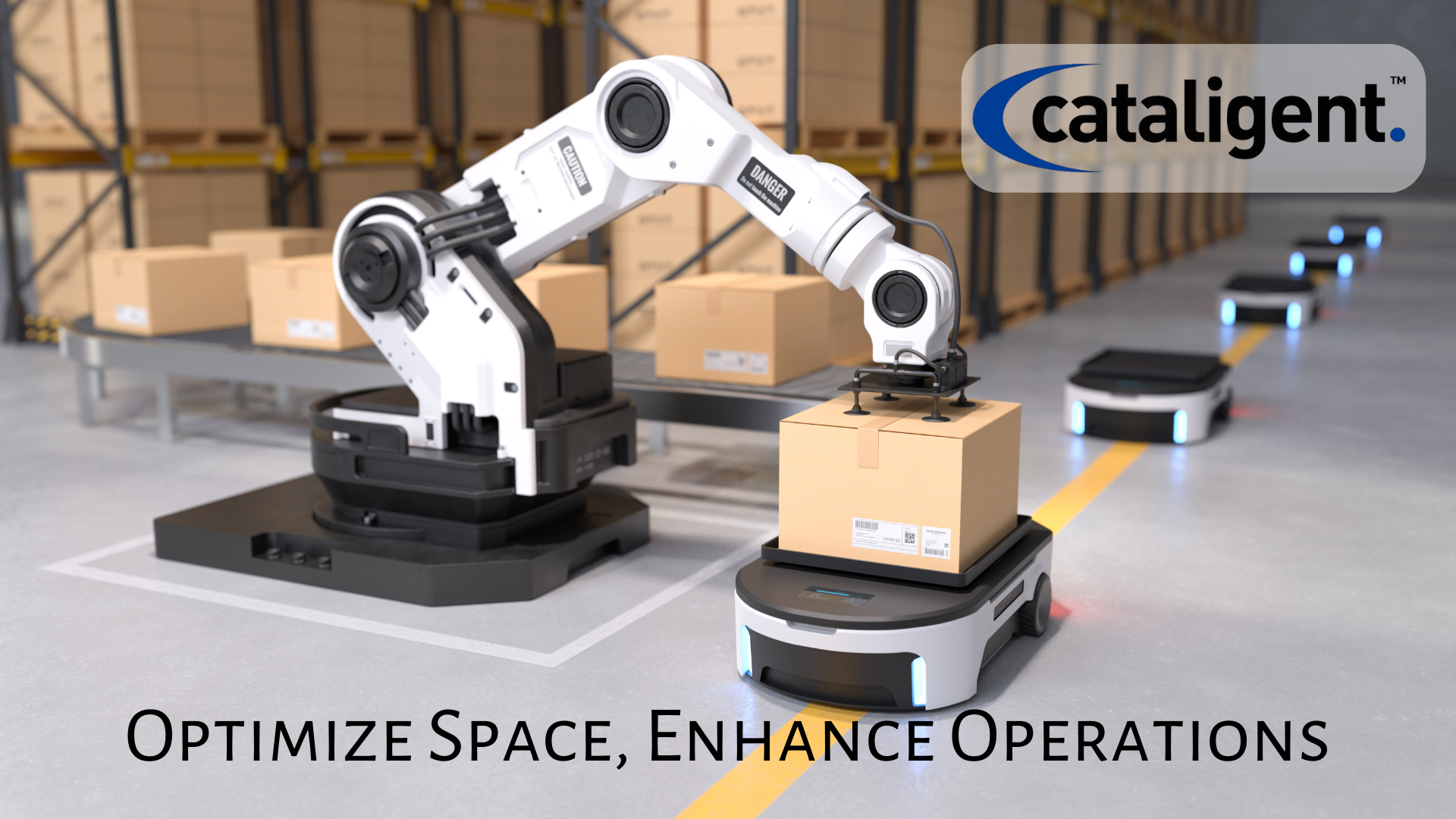
    1. Integrate automated picking and sorting systems such as robotics and conveyor belts.
    2. Use barcode and RFID scanning for real-time inventory tracking.
    3. Implement automated guided vehicles (AGVs) for material handling.
    4. Regularly update and maintain automation systems for optimal performance.

    4. Optimize Warehouse Layout for Efficiency

    A well-organized warehouse layout minimizes unnecessary movement and enhances productivity.

    Benefits:

    • Reduces time spent on picking, packing, and shipping.
    • Improves worker safety and ergonomics.
    • Enhances scalability for future growth.

    Steps to Implement:

    1. Designate specific zones for different product categories.
    2. Ensure clear pathways for efficient movement of goods and personnel.
    3. Position high-demand items near shipping areas for quick access.
    4. Regularly assess and adjust layouts based on operational data.

    Conclusion

    Optimizing warehouse space and operations is essential for reducing costs, improving efficiency, and enhancing inventory management. By implementing space-saving techniques like vertical storage, leveraging AI-driven inventory placement, automating warehouse processes, and optimizing layout design, businesses can significantly lower expenses while increasing productivity. A well-optimized warehouse not only reduces operational costs but also enhances overall supply chain performance.

  • Streamlining Procurement Processes

    Streamlining Procurement Processes

    Introduction

    Efficient procurement processes are essential for reducing costs, improving operational efficiency, and minimizing delays. Streamlining procurement involves automating workflows, eliminating redundancies, and optimizing purchasing decisions. This document explores the cost-saving impact of procurement automation and outlines key implementation strategies, including the use of e-procurement systems and approval workflows.

    Understanding Procurement Process Optimization

    Procurement involves sourcing, purchasing, and managing supplies and services required for business operations. Traditional procurement methods often include manual paperwork, lengthy approval cycles, and decentralized purchasing, leading to inefficiencies and increased costs.

    Key Objectives:

    • Reduce Administrative Burden: Automate repetitive tasks to save time and labor costs.
    • Improve Cost Control: Prevent overspending and ensure budget compliance.
    • Enhance Procurement Efficiency: Minimize delays and errors in order processing.
    • Increase Transparency: Provide clear oversight into purchasing activities.

    Cost-Saving Impact

    1. Cutting Administrative Costs and Reducing Processing Times

    • Automation reduces manual data entry and paperwork.
    • Digital procurement systems streamline vendor communication and order processing.
    • Faster approvals ensure timely procurement, preventing costly delays.

    2. Preventing Procurement Inefficiencies and Maverick Spending

    • Centralized procurement control reduces unauthorized purchases.
    • Automated tracking ensures compliance with budget and policy guidelines.
    • Data-driven insights help optimize supplier selection and contract negotiations.

    Implementation Strategies

    1. Use E-Procurement Systems for Automated Purchasing

    E-procurement systems digitize procurement workflows, from supplier selection to order fulfillment.

    Benefits:

    • Improves supplier communication and contract management.
    • Provides real-time tracking of procurement activities.
    • Reduces paperwork and manual processing errors.

    Steps to Implement:

    1. Select an e-procurement platform such as SAP Ariba, Coupa, or Oracle Procurement Cloud.
    2. Integrate the system with existing enterprise resource planning (ERP) software.
    3. Train employees on automated procurement workflows and best practices.
    4. Monitor system performance and make adjustments to optimize efficiency.

    2. Implement Approval Workflows to Control Spending

    Automated approval workflows ensure that all purchases align with budgetary constraints and organizational policies.

    Benefits:

    • Enforces compliance with procurement policies and budget limits.
    • Reduces unauthorized spending and fraud risks.
    • Speeds up approval processes by eliminating bottlenecks.

    Steps to Implement:

    1. Define approval hierarchies based on purchase value and department needs.
    2. Automate approval routing through procurement software.
    3. Set spending limits and alerts for non-compliant transactions.
    4. Regularly review and refine approval workflows based on performance data.

    3. Leverage Data Analytics for Procurement Optimization

    Using data-driven insights helps businesses refine procurement strategies and enhance supplier management.

    Benefits:

    • Identifies cost-saving opportunities through vendor performance analysis.
    • Optimizes purchasing decisions based on historical trends and forecasts.
    • Enhances negotiation power with suppliers through data-backed insights.

    Steps to Implement:

    1. Collect and analyze procurement data from e-procurement systems.
    2. Use analytics tools like Tableau, Power BI, or Google Data Studio for insights.
    3. Implement predictive analytics to forecast purchasing needs and trends.
    4. Adjust procurement strategies based on data-driven recommendations.

    4. Standardize Supplier Evaluation and Selection

    Establishing a structured supplier evaluation process ensures better pricing and service quality.

    Benefits:

    • Reduces supplier-related risks and ensures reliable partnerships.
    • Encourages competitive bidding for cost-effective purchasing.
    • Improves contract management and supplier accountability.

    Steps to Implement:

    1. Define evaluation criteria, including cost, quality, reliability, and compliance.
    2. Use automated tools to track and assess supplier performance.
    3. Establish long-term agreements with high-performing vendors.
    4. Conduct periodic reviews to optimize supplier relationships.

    Conclusion

    Streamlining procurement processes through automation, data analytics, and structured approval workflows leads to significant cost savings and efficiency improvements. Implementing e-procurement systems, enforcing approval workflows, leveraging data insights, and optimizing supplier selection enables organizations to reduce administrative costs, prevent inefficiencies, and improve overall procurement transparency. By adopting these strategies, businesses can achieve a more agile and cost-effective procurement framework.

  • Using Data Analytics for Decision-Making

    Using Data Analytics for Decision-Making

    Introduction

    Data analytics plays a crucial role in modern business operations, enabling organizations to make informed decisions based on real-time insights. Leveraging big data and artificial intelligence (AI) helps identify trends, inefficiencies, and cost-saving opportunities. This document explores the cost-saving impact of data analytics and outlines key implementation strategies, including predictive analytics for demand forecasting and KPI monitoring for cost tracking.

    Understanding Data Analytics in Decision-Making

    Data analytics involves collecting, processing, and analyzing large datasets to extract actionable insights. Businesses can use these insights to improve supply chain visibility, optimize procurement, and reduce inefficiencies.

    Key Objectives:

    • Enhance Supply Chain Visibility: Gain real-time insights into operations.
    • Optimize Costs: Identify inefficiencies and areas for cost reduction.
    • Improve Responsiveness: Make data-driven decisions quickly.
    • Increase Forecast Accuracy: Use predictive analytics to anticipate market trends.

    Cost-Saving Impact

    1. Improving Supply Chain Visibility and Responsiveness

    • Real-time data enables proactive decision-making to mitigate risks.
    • AI-powered analytics optimize logistics and demand forecasting.
    • Improved inventory management reduces stockouts and excess inventory.

    2. Reducing Costs Related to Inefficiencies and Waste

    • Identifying bottlenecks enhances process efficiency and reduces delays.
    • Data-driven insights help cut unnecessary expenses in procurement and production.
    • AI-driven automation minimizes manual errors and operational inefficiencies.

    Implementation Strategies

    1. Use Predictive Analytics for Demand Forecasting and Procurement Optimization

    Predictive analytics leverages historical data and AI to anticipate demand fluctuations, ensuring optimal stock levels and procurement efficiency.

    Benefits:

    • Prevents overstocking and stockouts.
    • Reduces procurement costs by optimizing supplier orders.
    • Enhances customer satisfaction through improved product availability.

    Steps to Implement:

    1. Collect and analyze historical sales and demand data.
    2. Deploy AI-driven forecasting tools such as IBM Watson or Google AI.
    3. Adjust procurement strategies based on predictive insights.
    4. Continuously refine models using real-time market data.

    2. Monitor Key Performance Indicators (KPIs) for Cost Tracking

    Tracking key metrics helps businesses identify inefficiencies and areas for cost reduction.

    Benefits:

    • Provides a clear view of financial performance and cost drivers.
    • Enables data-driven budgeting and resource allocation.
    • Helps set benchmarks for continuous improvement.

    Steps to Implement:

    1. Define relevant KPIs such as cost per unit, order fulfillment time, and supplier performance.
    2. Utilize dashboard tools like Tableau, Power BI, or Google Analytics for real-time monitoring.
    3. Set performance targets and adjust strategies based on data insights.
    4. Conduct periodic reviews to refine cost-saving initiatives.

    3. Leverage AI and Machine Learning for Process Optimization

    AI and machine learning analyze vast amounts of data to uncover patterns, trends, and inefficiencies.

    Benefits:

    • Automates decision-making to enhance operational efficiency.
    • Reduces labor costs by streamlining repetitive tasks.
    • Enhances accuracy in demand planning and inventory management.

    Steps to Implement:

    1. Identify processes suitable for AI-driven optimization (e.g., inventory control, pricing models).
    2. Integrate AI-powered tools into existing business intelligence systems.
    3. Continuously update models with new data for improved accuracy.
    4. Train employees to interpret AI-driven insights and act accordingly.

    4. Utilize Cloud-Based Data Analytics Platforms

    Cloud-based analytics tools provide scalable and flexible solutions for managing big data.

    Benefits:

    • Enhances collaboration and data accessibility across teams.
    • Reduces IT infrastructure costs by eliminating on-premise data centers.
    • Provides real-time analytics and forecasting capabilities.

    Steps to Implement:

    1. Select a cloud-based analytics platform such as AWS, Google Cloud, or Microsoft Azure.
    2. Integrate with existing enterprise resource planning (ERP) and supply chain management systems.
    3. Establish data security protocols and compliance measures.
    4. Train teams on effective data analysis and interpretation.

    Conclusion

    Using data analytics for decision-making is essential for improving efficiency, reducing costs, and enhancing supply chain visibility. By implementing predictive analytics for demand forecasting, monitoring KPIs for cost tracking, leveraging AI for process optimization, and utilizing cloud-based analytics platforms, businesses can make informed, strategic decisions. Data-driven organizations gain a competitive advantage by proactively identifying opportunities, mitigating risks, and optimizing operations for long-term success.