
Month: March 2025

  • Standardizing Sales Processes: Enhancing Efficiency and Reducing Costs

    Standardizing Sales Processes: Enhancing Efficiency and Reducing Costs

    In any business, the sales process is central to driving revenue and ensuring growth. However, without a structured and standardized approach, sales teams can become inconsistent, leading to inefficiencies, missed opportunities, and unnecessary costs. By creating a standardized sales process, businesses can streamline operations, improve consistency, and reduce training expenses. This leads to faster deal closures, improved customer satisfaction, and greater overall sales success.

    In this article, we will discuss the concept of standardizing sales processes, the cost-saving impact of this approach, and how businesses can effectively implement this strategy through tools such as sales playbooks, scripts, and objection handling techniques.

    What It Means to Standardize Sales Processes

    Standardizing sales processes refers to the practice of creating a structured and repeatable sales methodology that can be followed by all sales representatives. This process typically includes the steps and best practices involved in converting a lead into a paying customer, with each step clearly defined to ensure consistency across the sales team.

    The goal of standardization is to reduce variability in sales approaches, ensuring that all team members are aligned with the same goals, tools, and strategies. This is achieved by setting clear guidelines, creating scripts, and providing a roadmap that sales reps can follow in their day-to-day activities.

    Some key elements of a standardized sales process include:

    1. Lead Qualification: Clear criteria for identifying high-quality leads.
    2. Sales Funnel Stages: Defined stages in the sales process (e.g., lead generation, prospecting, qualification, presentation, negotiation, closing).
    3. Best Practices and Scripts: Templates and scripts that guide reps on how to engage with prospects effectively.
    4. Objection Handling Techniques: Strategies to deal with common objections that may arise during the sales process.
    5. Follow-Up Procedures: A defined system for following up with prospects at different stages of the funnel.

    Cost-Saving Impact of Standardizing Sales Processes

    Standardizing your sales process has significant cost-saving benefits that can improve the efficiency and profitability of your business. Here are the key ways in which a standardized sales process reduces costs:

    1. Consistency and Reduced Training Costs

    One of the primary benefits of standardization is the reduction in training expenses. When there is a well-defined sales process in place, new sales representatives can be onboarded more quickly and efficiently. Instead of learning different methods from multiple senior reps or mentors, new hires can simply follow the established playbook and process. This consistency ensures that sales representatives understand the expectations and workflows from day one, minimizing the time spent on training and reducing associated costs.

    Furthermore, a consistent sales approach ensures that all reps are using the same tools, techniques, and methods, which can result in faster ramp-up times and less confusion. By reducing the learning curve, businesses can make the most of their new hires and ensure that they are contributing to revenue generation sooner.

    2. Faster Deal Closures and Increased Revenue

    Standardizing the sales process also leads to faster deal closures. A clear, structured process helps sales reps stay organized and focused on the critical tasks at each stage of the funnel. With predefined steps, reps can quickly move prospects from one stage to the next, speeding up the entire sales cycle.

    When reps have a clear roadmap to follow, they are less likely to waste time on unnecessary activities and can focus on closing deals faster. For example, a standardized qualification process helps ensure that only high-quality leads enter the sales funnel, preventing time and resources from being spent on leads that are unlikely to convert.

    Additionally, standardized objection handling and closing techniques can help reps navigate common obstacles, allowing them to overcome objections more effectively and seal the deal with confidence. This reduces the time spent on negotiation and increases the chances of success.

    3. Reduced Sales Mistakes and Miscommunication

    Inconsistent sales approaches often lead to mistakes, missed opportunities, and miscommunication. When sales reps are not following a standardized process, there is a higher risk of missteps that can harm customer relationships or result in lost sales. For instance, a salesperson might fail to properly qualify a lead, miss an important follow-up, or present the wrong product at the wrong time.

    By standardizing the sales process, businesses can eliminate these mistakes, as each step is clear and well-defined. This results in fewer errors, a smoother sales experience for customers, and more consistent revenue generation.

    4. Improved Forecasting and Pipeline Management

    A standardized sales process allows for better pipeline management and more accurate forecasting. With clearly defined stages in the sales funnel, sales managers can easily track the progress of deals and identify potential bottlenecks. This makes it easier to forecast revenue and predict the likelihood of closing certain deals.

    By having a consistent process, businesses can also identify trends and issues in their sales pipeline more easily, allowing them to make data-driven decisions to improve performance. This not only saves time but also ensures that resources are allocated efficiently to high-potential opportunities.

    Implementing a Standardized Sales Process

    Now that we’ve explored the cost-saving impact of a standardized sales process, let’s look at how businesses can implement this approach effectively. The following steps will guide you in creating and rolling out a structured sales process:

    1. Develop a Sales Playbook

    A sales playbook is the cornerstone of a standardized sales process. It is a comprehensive guide that outlines the steps in the sales cycle, key strategies, best practices, and scripts for sales representatives. A well-designed playbook ensures that all sales reps are on the same page and know exactly how to handle various situations throughout the sales process.

    Key components of a sales playbook include:

    • Lead Qualification Criteria: Define the characteristics of an ideal customer and the process for determining whether a lead is worth pursuing.
    • Sales Stages and Responsibilities: Outline the key stages of the sales funnel, from lead generation to closing, and specify the tasks and responsibilities of sales reps at each stage.
    • Scripts and Email Templates: Provide scripts for initial outreach, follow-ups, presentations, and closing, along with email templates that reps can customize for their prospects.
    • Objection Handling: Include a list of common objections and proven techniques for addressing them effectively.
    • Sales Tools and Technology: List the tools and platforms that sales reps should use (e.g., CRM systems, sales automation tools) and how to use them.

    2. Train Sales Reps on the Process

    Once the sales playbook is developed, it’s essential to train sales representatives on how to follow the standardized process. This training should go beyond simply explaining the steps—it should involve role-playing exercises, case studies, and real-world scenarios to help reps internalize the methodology and become comfortable applying it.

    Sales reps should also be trained on the tools and resources available to them, including CRM systems, analytics platforms, and email automation tools. Providing ongoing training and support will help ensure that reps stay up-to-date with any changes to the process and continue to improve their skills.

    3. Standardize Scripts and Objection Handling Techniques

    A critical part of standardizing the sales process is creating scripts for common sales situations. These scripts provide sales reps with the language and structure they need to engage with prospects effectively, whether they’re conducting an initial outreach or navigating a difficult objection.

    Objection handling is a key component of the sales process. A standardized approach to overcoming objections can prevent reps from getting stuck or flustered when prospects raise concerns. By providing clear objection-handling techniques, businesses can equip their sales teams with the tools they need to respond confidently and close deals.

    4. Monitor and Refine the Process

    Once the sales process is in place, it’s important to regularly monitor its performance and make adjustments as necessary. Use analytics and sales metrics to track the effectiveness of the process and identify areas for improvement. Are reps struggling at a specific stage in the sales funnel? Are certain objections consistently leading to lost deals? By collecting and analyzing this data, businesses can refine their approach and continue to optimize their sales process over time.

    5. Reinforce the Process with Regular Coaching

    Ongoing coaching is vital to ensure that sales reps continue to follow the standardized process and improve their performance. Managers should provide regular feedback, identify areas for growth, and offer personalized coaching to help reps refine their skills. Regular check-ins and performance reviews will keep the process fresh and ensure that the sales team is consistently executing the playbook effectively.

    Conclusion

    Standardizing sales processes is a powerful way to increase sales efficiency, reduce costs, and improve overall revenue generation. By creating a structured sales process, businesses can ensure consistency, reduce training expenses, and close deals more quickly. Furthermore, a standardized approach minimizes mistakes, improves forecasting, and provides better insights into sales performance.

    To implement a standardized sales process, businesses should develop a comprehensive sales playbook, train their reps thoroughly, and provide ongoing coaching and feedback. By doing so, businesses can ensure that their sales teams are aligned, efficient, and equipped to drive long-term success.
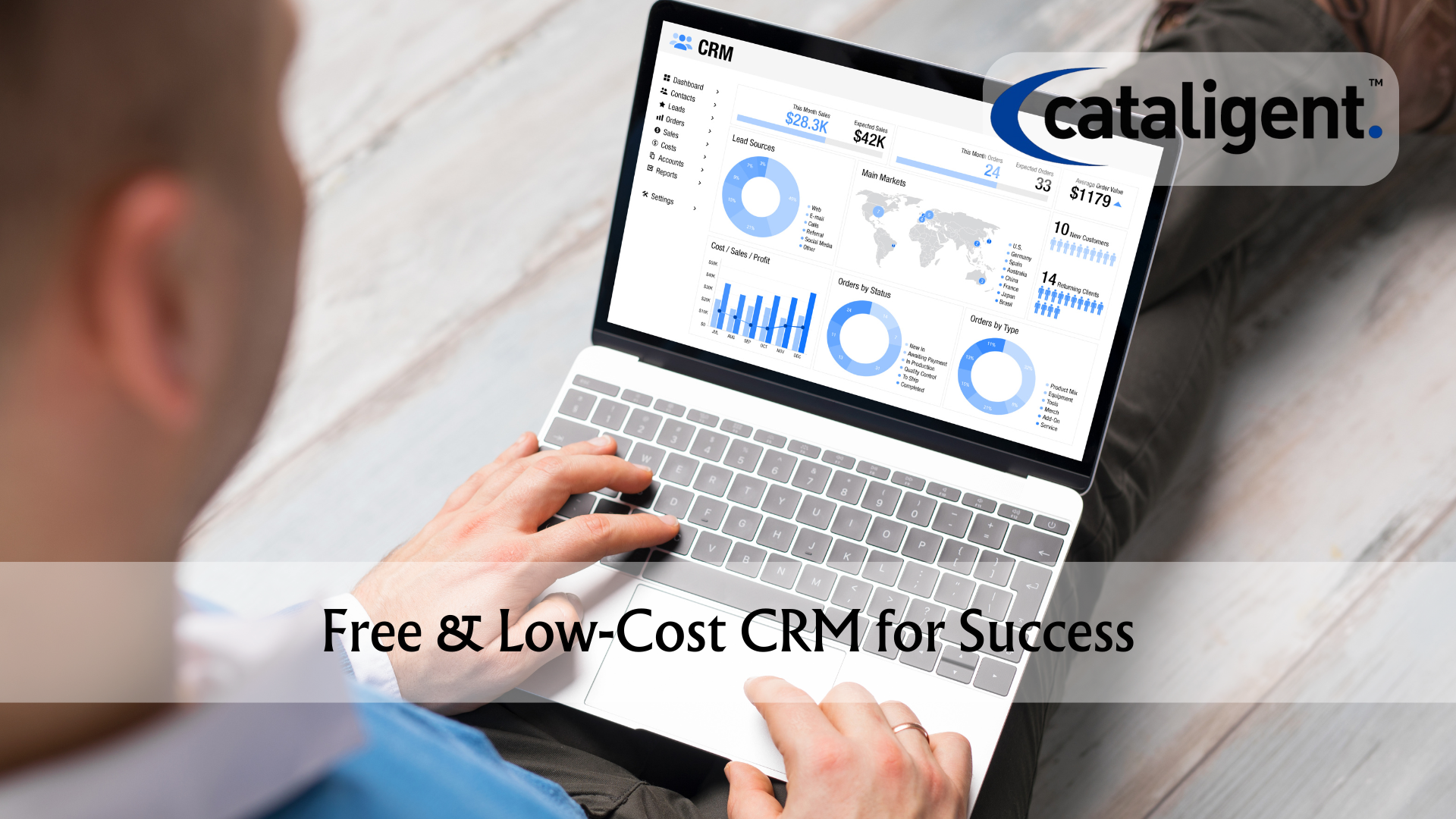

  • Utilizing Free and Low-Cost CRM Solutions: A Strategic Approach to Cost Efficiency and Sales Improvement

    Utilizing Free and Low-Cost CRM Solutions: A Strategic Approach to Cost Efficiency and Sales Improvement

    Customer Relationship Management (CRM) tools are critical in helping businesses manage and analyze customer interactions, ultimately improving sales, customer satisfaction, and business growth. Traditionally, large enterprises have relied on expensive, complex CRM systems to streamline operations, but this can be prohibitively costly for small and mid-sized businesses (SMBs) or startups with limited budgets. The good news is that free and low-cost CRM solutions offer an alternative that allows businesses to access similar functionalities without the hefty price tag.

    This article will discuss the benefits of utilizing budget-friendly or open-source CRM tools, their cost-saving impact, and the practical steps for implementation. By choosing the right CRM solution, businesses can lower software subscription costs, improve sales efficiency, and streamline customer relationship management—all while remaining within budget.

    Why Choose Free or Low-Cost CRM Solutions?

    For small and medium-sized businesses, investing in expensive enterprise-level CRM solutions may not always be feasible. While large-scale CRMs such as Salesforce and Microsoft Dynamics provide robust features, they often come with complex pricing structures and high subscription costs that may not be justified for smaller businesses with simpler needs.

    Free and low-cost CRMs, on the other hand, are designed to cater to businesses with fewer resources while still offering a wide range of functionalities. These CRMs can provide powerful tools for tracking customer interactions, managing sales pipelines, and analyzing customer data—all at a fraction of the cost of traditional solutions.

    Here’s why businesses should consider using free or low-cost CRM solutions:

    1. Lower Software Subscription Costs: Many enterprise CRMs charge monthly or annual fees that can quickly add up, especially when factoring in costs for additional features, integrations, and user licenses. Free and low-cost CRM solutions provide basic to advanced functionalities without the burden of expensive subscription fees, making them ideal for businesses with budget constraints.
    2. Improved Sales Efficiency: CRMs are designed to help businesses organize customer information, track interactions, and streamline sales workflows. Even the most affordable CRMs can provide key features like contact management, lead tracking, and task automation. By automating processes and providing centralized data, these systems can improve the overall efficiency of the sales team, ensuring that no opportunities slip through the cracks.
    3. Customization and Flexibility: Free and low-cost CRM solutions often come with customization options that allow businesses to tailor the system to their specific needs. These CRMs can be scaled up or down as necessary, providing flexibility as the business grows.
    4. Better Customer Insight: Access to customer data in one centralized location is vital for making informed business decisions. Even budget-friendly CRM tools offer valuable insights into customer behavior, preferences, and buying patterns. This information allows businesses to personalize their marketing and sales strategies, leading to stronger customer relationships and increased retention.

    Cost-Saving Impact of Free and Low-Cost CRM Solutions

    The financial benefits of using free and low-cost CRM solutions extend beyond just saving on subscription fees. Here’s how such tools can help businesses save money and improve operations:

    1. Reduced Subscription and Licensing Fees: By avoiding expensive enterprise-level CRM systems, businesses can reduce their overall software expenditure. For instance, a mid-sized business that opts for a low-cost CRM solution could save thousands of dollars annually compared to using a high-end solution. Some free CRMs even provide a solid base of features without any subscription fees, enabling businesses to allocate their resources elsewhere.
    2. Increased Efficiency and Reduced Labor Costs: CRM systems help automate routine tasks such as data entry, customer follow-ups, and communication scheduling. By automating these time-consuming tasks, businesses can reduce the need for manual labor and reallocate those resources to more strategic activities, improving overall productivity and efficiency.
    3. Reduced IT and Maintenance Costs: Many low-cost CRM solutions, particularly cloud-based ones, come with automatic updates and maintenance included in the subscription price. This reduces the need for dedicated IT support to manage updates, security patches, and system maintenance, which can be costly for businesses that rely on on-premise solutions.
    4. Minimized Missed Sales Opportunities: CRM systems help sales teams keep track of every interaction with customers, preventing missed follow-ups or forgotten opportunities. By improving sales efficiency and ensuring that the sales pipeline is properly managed, businesses can increase revenue without the need for costly marketing campaigns or additional salespeople.
    5. Scalability and Future Cost Savings: Many budget-friendly CRM tools are scalable, meaning businesses can start with the basics and add features or integrations as their needs grow. This scalability allows businesses to avoid upfront costs associated with purchasing larger, more complex systems that they may not need initially.

    Implementation of Free and Low-Cost CRM Solutions

    To successfully implement a free or low-cost CRM system, businesses must follow a thoughtful and strategic approach. Below are the key steps businesses should take to ensure that they are making the most of their CRM investment:

    1. Choose the Right CRM Solution

    The first step in implementing a CRM system is selecting the right tool for your business. There are many free and low-cost CRM options available, each with unique features. Some popular options include:

    • HubSpot CRM (Free): HubSpot offers a comprehensive CRM solution with a wide range of features, such as contact management, email tracking, and pipeline management. It’s free for up to 1 million contacts and provides scalability for growing businesses.
    • Zoho CRM (Low-Cost): Zoho offers both free and paid plans, with robust features such as lead management, task automation, and sales forecasting. The free plan supports up to 3 users, making it an ideal choice for small teams.
    • Bitrix24 (Free/Low-Cost): Bitrix24 provides a free CRM solution with tools for contact management, email marketing, and task management. The paid plans come with additional features such as automation and advanced reporting.
    • Freshsales (Low-Cost): Freshsales offers a simple CRM solution with lead and contact management, email integration, and sales pipeline features. It’s cost-effective and well-suited for small businesses.

    When choosing a CRM, consider your business size, needs, and growth plans. Select a system that offers the essential features you require, with the flexibility to scale as needed.

    2. Train Your Team

    To maximize the benefits of a CRM system, proper training is crucial. Ensure that your sales and customer service teams understand how to use the system efficiently. Provide regular training sessions and encourage team members to explore the system’s features.

    3. Regularly Audit CRM Usage

    Even with a free or low-cost CRM, it’s important to ensure that the system is being used effectively. Regular audits can help identify unused or unnecessary features, enabling you to streamline the system and avoid paying for functionality that your business doesn’t need. Auditing CRM usage also helps ensure that customer data is being properly maintained and that the system is being leveraged to its full potential.

    4. Focus on Customer Segmentation and Personalization

    Once the CRM is up and running, leverage its features to better understand your customers. Segment your customer base based on factors like demographics, purchasing behavior, and engagement. This segmentation allows you to tailor your marketing and sales strategies, improving customer satisfaction and driving higher conversion rates.

    5. Measure Success and Adjust

    To assess the effectiveness of your CRM system, track key performance indicators (KPIs) such as customer acquisition cost (CAC), customer lifetime value (CLV), sales conversion rates, and retention rates. Use this data to identify areas of improvement and make adjustments to your CRM strategy as necessary.

    Conclusion

    Utilizing free and low-cost CRM solutions is a smart and effective way for businesses to improve sales efficiency, enhance customer relationships, and reduce costs. By focusing on budget-friendly tools like HubSpot CRM, Zoho CRM, or Bitrix24, businesses can access powerful features without the high price tag of enterprise-level solutions. Additionally, by regularly auditing CRM usage and focusing on customer segmentation and personalization, businesses can maximize the value of their CRM investment.

    In today’s competitive business environment, having the right tools to manage customer relationships is essential, but it doesn’t have to come at a high cost. By choosing a free or low-cost CRM solution, businesses can streamline operations, improve customer satisfaction, and achieve long-term growth while maintaining financial sustainability.

  • Improving Customer Retention Over Acquisition: A Strategic Approach

    Improving Customer Retention Over Acquisition: A Strategic Approach

    Customer retention is an often overlooked yet essential aspect of a successful business strategy. While the allure of acquiring new customers is undeniable, focusing on retaining existing ones can yield more sustainable growth and increased profitability. This approach is not only more cost-effective, but it also fosters stronger, long-term relationships with your customer base, creating a loyal following that becomes the backbone of your business.

    In this article, we will explore how improving customer retention over acquisition involves leveraging strategies like upselling and cross-selling to existing customers. Additionally, we will discuss the cost-saving impact of retention efforts, the benefits of fostering long-term relationships, and the practical steps businesses can take to implement effective retention strategies.

    Why Retention is More Effective than Acquisition

    Before diving into specific strategies for retention, it’s important to understand why focusing on retaining customers is often more beneficial than constantly seeking new ones. The reality is that acquiring new customers is typically more expensive than retaining existing ones. According to various studies, the cost of acquiring a new customer can be anywhere from five to 25 times higher than retaining an existing one. This means businesses are spending more on marketing, advertising, and promotions to attract new customers than they would if they focused on maintaining their existing customer base.

    When a company emphasizes customer retention, it not only saves on these high marketing costs, but it also benefits from higher customer lifetime value (CLV). CLV refers to the total amount of money a customer is expected to spend on your products or services over the course of their relationship with your business. Retaining customers increases their CLV, leading to sustained revenue generation without the need for constant acquisition efforts.

    The Power of Upselling and Cross-Selling

    Two key strategies that businesses can employ to improve retention are upselling and cross-selling. These strategies encourage customers to spend more during their existing interactions with the business, thus increasing the overall revenue from each customer.

    Upselling

    Upselling involves encouraging a customer to purchase a more expensive or upgraded version of the product or service they initially intended to buy. For example, if a customer is considering purchasing a basic model of a product, an upsell would involve offering them a more premium model with additional features or benefits.

    The key to successful upselling lies in understanding the customer’s needs and demonstrating how the more expensive option would provide better value or enhance their experience. It’s essential to approach upselling in a way that feels natural and genuinely helpful to the customer, rather than pushing a more expensive product simply for the sake of increasing revenue.

    Cross-Selling

    Cross-selling is the practice of offering additional products or services that complement the original purchase. For example, if a customer is buying a laptop, a business might cross-sell accessories like a mouse, keyboard, or laptop case. The goal is to enhance the customer’s experience by offering them products that align with their initial purchase, adding value to their overall shopping experience.

    Cross-selling is particularly effective when businesses leverage customer data to understand individual preferences and recommend relevant products. By analyzing customer behavior and purchase history, businesses can predict what products are likely to appeal to specific customers, increasing the likelihood of a successful cross-sell.

    The Benefits of Upselling and Cross-Selling for Retention

    Both upselling and cross-selling can significantly contribute to customer retention in several ways:

    1. Increased Customer Lifetime Value (CLV): By encouraging customers to make additional or higher-value purchases, businesses can increase the overall revenue from each customer, thereby improving CLV.
    2. Better Customer Experience: When done correctly, upselling and cross-selling can enhance the customer’s experience by offering them products or services that genuinely meet their needs or desires.
    3. Stronger Customer Relationships: By consistently offering valuable suggestions that improve the customer’s experience, businesses can strengthen their relationship with customers, fostering trust and loyalty.
    4. Brand Loyalty: Customers who feel that a business understands their needs and offers valuable solutions are more likely to return in the future. This builds brand loyalty, which is crucial for long-term retention.

    Cost-Saving Impact of Retention Strategies

    One of the most compelling reasons to focus on customer retention is the cost-saving impact it offers. As mentioned earlier, acquiring new customers is significantly more expensive than retaining existing ones. The costs involved in acquiring new customers include advertising, promotions, sales commissions, and potentially offering discounts or incentives to attract attention.

    In contrast, customer retention strategies, such as upselling, cross-selling, and loyalty programs, require much lower investment while yielding a high return. Here’s how focusing on retention can save your business money:

    1. Lower Marketing and Advertising Costs: By nurturing relationships with existing customers, you reduce the need to spend heavily on new customer acquisition efforts. Your existing customers can act as brand advocates, spreading word-of-mouth referrals, which are often more effective and cost-efficient than traditional advertising.
    2. Higher Conversion Rates: Existing customers are generally more likely to convert on additional purchases, especially if they have had positive experiences with your brand. The trust established through previous interactions makes them more receptive to upsell and cross-sell offers.
    3. Improved Efficiency in Marketing Spend: Instead of spreading marketing budgets thin by targeting new customers, businesses can allocate resources to nurture existing relationships through personalized marketing efforts, ensuring that every marketing dollar spent has a higher chance of converting.

    Building Long-Term Customer Relationships

    Building and maintaining long-term customer relationships is the cornerstone of retention. The key to fostering these relationships is offering exceptional value at every touchpoint. Here are several strategies businesses can use to build lasting relationships with their customers:

    1. Loyalty Programs

    Loyalty programs are one of the most effective ways to incentivize customers to keep coming back. By offering rewards for repeat purchases, businesses can encourage customers to remain engaged with the brand over time. These rewards could take the form of discounts, exclusive offers, or even free products after a certain number of purchases.

    A well-designed loyalty program not only rewards customers for their loyalty but also makes them feel valued. By integrating personalized rewards based on individual preferences and past purchases, businesses can make customers feel special and motivate them to continue their patronage.

    2. Personalized Recommendations

    Personalization is another powerful tool in building long-term relationships. By leveraging customer data to provide tailored recommendations, businesses can show customers that they understand their needs and preferences. Whether through email marketing, website personalization, or personalized product suggestions during the checkout process, customers appreciate when businesses anticipate their desires and offer relevant products.

    Advanced technologies, such as machine learning algorithms, can also be employed to improve the accuracy of personalized recommendations. This can create a seamless and enjoyable shopping experience, making customers more likely to return.

    3. Excellent Customer Service

    Nothing fosters loyalty like excellent customer service. When customers feel that their concerns are taken seriously and resolved promptly, they are more likely to return to your business in the future. By investing in customer service training, providing multiple channels for customer support, and ensuring that issues are addressed quickly, businesses can build strong, long-lasting relationships with their customers.

    4. Engaging Customers Through Content and Communication

    Regular communication with customers can also help strengthen the bond between a business and its clientele. Offering valuable content, such as informative blog posts, newsletters, and social media engagement, can keep your brand top-of-mind and provide customers with the information they need to make informed decisions.

    By staying engaged with customers through these channels, businesses can foster a sense of community and belonging, which is key to customer retention.

    Implementation of Retention Strategies

    To successfully implement a focus on customer retention, businesses must take a proactive approach. Here are the steps to implement retention strategies effectively:

    1. Analyze Customer Data: Use customer data and analytics to understand purchasing behaviors, preferences, and pain points. This will allow you to identify upsell and cross-sell opportunities, as well as tailor marketing efforts to each customer’s needs.
    2. Segment Your Customers: Not all customers are the same. Segment your customer base according to factors like purchase history, loyalty, and preferences. This will allow for more targeted and personalized retention strategies.
    3. Create Tailored Offers: Based on customer data and segmentation, develop personalized offers that resonate with specific groups. This could include personalized discounts, product recommendations, or loyalty rewards.
    4. Measure Success and Adjust: Track key performance indicators (KPIs) such as customer retention rate, repeat purchase rate, and CLV to evaluate the success of your retention efforts. Use these insights to adjust your strategies and continuously improve.

    Conclusion

    Improving customer retention over acquisition is a highly effective and cost-efficient strategy for growing your business. By focusing on upselling and cross-selling to existing customers, offering loyalty programs, and using data to personalize experiences, businesses can increase revenue, build long-term relationships, and create a loyal customer base that supports sustainable growth. Moreover, with the right implementation, retention strategies can provide significant cost savings compared to traditional acquisition efforts, making them an indispensable part of any business strategy.

    By prioritizing retention, businesses not only increase their bottom line but also foster a customer-centric culture that positions them for long-term success.

  • Training Sales Teams In-House: A Cost-Effective Approach to Enhancing Sales Performance

    Training Sales Teams In-House: A Cost-Effective Approach to Enhancing Sales Performance

    In the fast-paced world of sales, having a well-trained and highly skilled sales team is essential to drive growth and achieve long-term business success. Traditionally, many companies have turned to external training providers to help their sales teams improve their skills and strategies. While external training programs can be effective, they can also be expensive and may not always be tailored to the specific needs and goals of the business.

    To address this challenge, more companies are opting to train their sales teams in-house. Developing internal training programs offers numerous advantages, including cost savings, the ability to align training with company-specific sales strategies, and greater control over the training process. In this article, we will explore what training sales teams in-house involves, its cost-saving impact, and how businesses can effectively implement in-house training programs to maximize sales performance.

    What It Involves: Developing Internal Training Programs

    Training sales teams in-house involves creating and delivering training content and programs internally, rather than relying on external providers or consultants. This approach allows businesses to have more control over the training process and ensures that the training is closely aligned with the company’s specific sales goals, culture, and products or services.

    Key components of an effective in-house training program include:

    1. Tailored Content: Unlike generic training provided by external vendors, in-house training programs can be customized to focus on the specific sales processes, products, and target markets relevant to the business. This ensures that sales teams receive training that is directly applicable to their daily tasks and challenges.
    2. Internal Trainers and Coaches: In-house training often involves leveraging the expertise of internal sales leaders or experienced team members who can serve as trainers or coaches. These internal experts are familiar with the company’s products, services, and sales strategies, making them well-positioned to provide relevant, practical insights to new and existing sales staff.
    3. Continuous Learning: Training shouldn’t be a one-time event. For in-house training to be truly effective, businesses must foster a culture of continuous learning. This can be achieved through ongoing coaching sessions, regular refresher courses, and the use of e-learning platforms that allow employees to access training materials on-demand.
    4. Knowledge Sharing: In-house training programs also create opportunities for knowledge sharing among sales teams. Team members can exchange tips, share success stories, and learn from one another’s experiences, which can further enhance the effectiveness of the training process.

    Cost-Saving Impact of In-House Sales Training

    Training sales teams in-house offers significant cost savings when compared to relying on external training providers. Below are the key cost-saving impacts of implementing an in-house training program:

    1. Reduces Training Expenses Over Time

    External training programs can be costly, especially when factoring in the expenses associated with hiring professional trainers, travel and accommodation costs for off-site sessions, and fees for specialized courses or certifications. For larger sales teams or businesses that require regular training, these costs can quickly add up.

    By training sales teams in-house, companies can eliminate or significantly reduce these expenses. While there may be initial costs associated with creating training materials or investing in e-learning platforms, the long-term savings are substantial. Once the internal training program is developed, it can be reused and adapted as needed without incurring additional costs each time new employees are onboarded or current employees need training updates.

    2. Customization to Company-Specific Sales Strategies

    External training programs may not always align perfectly with a company’s specific sales processes or strategies. In contrast, in-house training can be tailored to the company’s unique needs, products, and sales goals. This alignment ensures that sales teams are trained on the exact methods, techniques, and tools they will use on the job, making the training more relevant and effective.

    By focusing on company-specific content, in-house training also allows businesses to reinforce their unique sales culture, positioning, and messaging, which is often difficult to achieve with external training programs that provide generalized content.

    3. Maximizes Internal Resources and Expertise

    When companies rely on external training providers, they miss out on the opportunity to tap into their internal expertise. In-house training programs allow businesses to leverage the knowledge and experience of seasoned sales leaders or top performers within the organization. These individuals are already familiar with the company’s products, services, and sales strategies, making them valuable assets for training new and existing sales staff.

    Using internal trainers can also reduce the need for hiring outside consultants or training companies, saving money while empowering internal experts to take ownership of the training process.

    4. Scalable and Flexible Training Delivery

    In-house training programs can be designed to be scalable and flexible, allowing businesses to accommodate different training needs and schedules. For example, e-learning platforms can provide employees with access to training materials at any time, making it easier for sales teams to learn at their own pace without disrupting their day-to-day responsibilities.

    In addition to e-learning, businesses can offer live webinars, virtual workshops, or in-person coaching sessions, depending on what works best for the team. This flexibility helps ensure that training can be delivered efficiently and cost-effectively, regardless of team size or location.

    5. Reduces Turnover and Increases Employee Retention

    Investing in the development and training of sales teams can also contribute to increased employee satisfaction and retention. Salespeople who feel that their skills are continuously developing and that they are receiving the support they need to succeed are more likely to stay with the company long-term. Reducing turnover saves businesses money on recruitment, hiring, and onboarding costs.

    By providing in-house training, companies demonstrate their commitment to employee growth and development, which can enhance job satisfaction and create a positive work environment.

    How to Implement In-House Sales Training Programs

    Implementing an effective in-house sales training program requires careful planning and execution. Here are the key steps businesses can take to create a successful in-house training program for their sales teams:

    1. Identify Training Needs and Goals

    Before developing training materials, it is essential to assess the specific training needs of the sales team. This may involve evaluating performance gaps, identifying areas where salespeople need additional support, and aligning the training program with the company’s overall sales strategy and goals. By clearly defining the objectives of the training, businesses can ensure that the content will address the most important areas and deliver measurable results.

    2. Develop Tailored Training Materials

    Once the training needs have been identified, the next step is to create tailored training materials. This can include written content, presentations, video tutorials, and interactive exercises that cover the key skills and knowledge required for success in the sales role. The training materials should focus on practical skills that can be applied directly to the sales process, such as product knowledge, objection handling, negotiation tactics, and customer relationship management.

    3. Use E-Learning Platforms for Flexible Training Delivery

    E-learning platforms are an excellent tool for delivering in-house training to sales teams. These platforms allow businesses to create and distribute training modules that employees can access at their convenience, ensuring flexibility and scalability. Many e-learning platforms also include features such as quizzes, assessments, and progress tracking, which can help businesses measure the effectiveness of the training.

    For ongoing learning, businesses can set up a learning management system (LMS) where employees can access training materials, track their progress, and participate in continuous development.

    4. Incorporate Coaching and Mentorship Programs

    In addition to formal training sessions, incorporating coaching and mentorship programs can further enhance the learning experience. Sales managers or experienced salespeople can mentor newer team members, offering guidance, feedback, and real-time support as they apply the skills learned during training. Regular coaching sessions can also help employees stay on track, overcome challenges, and refine their skills over time.

    5. Create a Knowledge Base and Continuous Learning Resources

    To support ongoing learning, businesses should create a knowledge base or resource hub where salespeople can access helpful information, such as product updates, sales tips, and best practices. This can include written guides, video tutorials, case studies, and FAQs that are easily searchable and available to sales teams when they need them.

    By fostering a culture of continuous learning, businesses can ensure that their sales teams remain knowledgeable, motivated, and capable of adapting to changes in the market or sales strategies.

    Conclusion

    Training sales teams in-house is an effective and cost-efficient way to improve sales performance while reducing training expenses over time. By developing tailored, company-specific training programs, businesses can ensure that their sales teams are equipped with the skills, knowledge, and tools needed to succeed in a competitive market.

    In-house training allows businesses to leverage internal expertise, customize content to align with their sales strategies, and provide ongoing learning opportunities for continuous improvement. Additionally, it offers significant cost savings compared to external training programs, making it a smart choice for companies looking to maximize their training budgets and optimize sales performance.

    By investing in in-house training, businesses can reduce turnover, increase employee retention, and create a more effective and engaged sales team—ultimately leading to greater success and profitability in the long term.

  • Reducing Sales Team Turnover: Strategies to Enhance Employee Retention and Optimize Cost Efficiency

    Reducing Sales Team Turnover: Strategies to Enhance Employee Retention and Optimize Cost Efficiency

    In the world of sales, team turnover can be one of the most costly challenges a company faces. The constant need to recruit, hire, and train new sales employees not only consumes valuable resources but also impacts team morale and overall performance. A high turnover rate can create instability within the sales department, leading to diminished productivity, lost revenue, and diminished customer satisfaction.

    By focusing on reducing turnover, businesses can save money, improve team stability, and ensure long-term sales performance. Employee retention is about more than just offering competitive pay—it’s about creating an environment where employees feel valued, supported, and motivated to succeed. In this article, we will explore what reducing sales team turnover involves, its cost-saving impact, and how businesses can implement strategies to enhance employee retention.

    What It Involves: Improving Employee Retention

    Reducing turnover in the sales team requires businesses to address the underlying factors that lead to employee dissatisfaction, disengagement, and ultimately departure. This process revolves around creating an environment where salespeople feel appreciated, supported, and challenged in ways that align with their career goals.

    Some key aspects of improving employee retention in sales include:

    1. Offering Competitive Salaries and Benefits: Compensation is a critical factor in employee satisfaction, particularly in sales, where performance directly impacts earnings. Ensuring that salaries and commission structures are competitive within the industry is crucial to retaining top talent.
    2. Providing Growth Opportunities: Salespeople are often motivated by the potential for career advancement. Offering clear pathways for growth—such as promotions, leadership opportunities, or access to new roles—can help employees feel that their hard work will lead to greater responsibilities and rewards.
    3. Creating a Positive Sales Culture: A positive work culture fosters collaboration, mutual respect, and employee engagement. Sales teams that feel supported by their leadership and peers are more likely to stay with the company, work hard, and achieve their goals. This culture can be cultivated by recognizing achievements, offering ongoing feedback, and creating opportunities for team-building activities.
    4. Ongoing Training and Development: Providing ongoing training ensures that salespeople feel competent and equipped to succeed in their roles. Sales training programs, product knowledge updates, and professional development opportunities help employees improve their skills, stay motivated, and adapt to industry changes. When employees know they have the resources to excel, they are more likely to stay and grow with the company.
    5. Work-Life Balance and Flexibility: Sales can be a demanding profession, with long hours and high expectations. Offering flexible work hours, remote work options, and support for maintaining a healthy work-life balance can improve job satisfaction and reduce burnout. Employees who feel that their personal lives are respected are more likely to remain committed to their role.

    Cost-Saving Impact of Reducing Sales Team Turnover

    The financial benefits of reducing sales team turnover are significant and extend beyond just savings on recruitment and onboarding. Companies that can retain their salespeople benefit from increased stability, improved morale, and long-term performance gains. Below are the key cost-saving impacts of reducing turnover:

    1. Savings on Recruitment and Onboarding

    Recruiting and hiring new sales employees is expensive, with costs related to advertising job openings, interviewing candidates, conducting background checks, and using recruitment agencies or headhunters. Once hired, new employees require onboarding and training, which takes time and resources. This process can be both costly and time-consuming, especially for businesses that experience high turnover.

    By reducing turnover, businesses save money that would otherwise be spent on these recruitment and onboarding activities. Retaining salespeople means that the business can avoid the ongoing costs associated with constantly filling vacant positions and training new hires.

    2. Increased Sales Team Stability

    When turnover is high, teams experience instability, which can negatively affect morale and performance. Sales teams thrive when they have consistency and a sense of cohesion. When team members stay longer, they become more knowledgeable about the company’s products, customer base, and sales processes. This expertise contributes to greater team efficiency and higher sales numbers.

    With a more stable sales team, businesses can achieve consistent performance and avoid the disruption caused by the loss of experienced salespeople. Stability also allows teams to build stronger relationships with clients, improving customer retention and satisfaction.

    3. Higher Long-Term Performance

    Salespeople who stay with the company for a longer period tend to be more productive and efficient in their roles. Over time, they develop a deep understanding of customer needs, which allows them to close deals more effectively. Additionally, experienced salespeople are often better at overcoming objections, negotiating terms, and identifying upsell opportunities.

    Long-term employees are also more likely to take ownership of their performance and contribute to the company’s overall success. High turnover, on the other hand, can disrupt this process, as new employees often take longer to ramp up to full productivity.

    4. Reduced Knowledge Loss

    When salespeople leave, they take valuable institutional knowledge with them. This includes insights into customer preferences, successful sales strategies, and deep product knowledge. High turnover means businesses are constantly losing this knowledge, which can negatively affect the overall performance of the sales team.

    By reducing turnover, businesses can retain this valuable knowledge and use it to train new hires or improve sales processes. This continuity ensures that the team remains aligned with the company’s goals and best practices.

    5. Improved Customer Relationships

    Experienced salespeople build strong relationships with customers over time. These relationships are crucial for repeat business, referrals, and customer loyalty. When turnover is high, customers may have to deal with new salespeople who are still learning the ropes, which can lead to frustration and a decline in customer satisfaction.

    By retaining experienced sales staff, businesses can provide customers with consistent, high-quality service, strengthening these relationships and increasing the likelihood of repeat business.

    How to Implement Strategies to Reduce Sales Team Turnover

    Reducing sales team turnover requires a strategic approach that focuses on employee satisfaction, growth, and well-being. Below are some key strategies businesses can implement to improve employee retention and reduce turnover:

    1. Offer Competitive Salaries and Commission Structures

    Salespeople are driven by the potential to earn commissions based on their performance. Offering competitive salaries and attractive commission structures can help keep top performers motivated and committed to the company. Regularly reviewing and adjusting compensation packages ensures that they remain aligned with industry standards and employee expectations.

    In addition to competitive pay, businesses can offer performance-based incentives, bonuses, and profit-sharing opportunities to further motivate employees.

    2. Provide Clear Career Advancement Opportunities

    Employees are more likely to stay with a company if they see opportunities for growth and advancement. Salespeople who feel that their careers are stagnating may look for opportunities elsewhere. Providing clear paths for promotion, leadership development programs, and opportunities for lateral moves into other departments can keep employees engaged and invested in their roles.

    Regular performance reviews and open discussions about career goals can help identify growth opportunities and provide a roadmap for advancement.

    3. Cultivate a Positive Sales Culture

    A positive and supportive work culture is critical to employee retention. Sales teams that feel appreciated and recognized for their contributions are more likely to remain loyal to the company. Recognizing individual achievements, celebrating team milestones, and fostering a culture of collaboration and mutual support can go a long way in reducing turnover.

    Leaders should create an environment where employees feel comfortable providing feedback, sharing ideas, and seeking guidance. A transparent and inclusive culture helps build trust and camaraderie among team members.

    4. Offer Ongoing Training and Development

    Ongoing training and development are key to keeping salespeople engaged and competent in their roles. Salespeople who feel that they are constantly learning and growing are more likely to stay with the company. Training should cover not only product knowledge but also sales techniques, negotiation skills, and personal development.

    Sales teams should also have access to industry conferences, webinars, and workshops to stay updated on the latest trends and best practices. Offering continuous learning opportunities demonstrates a commitment to employees’ personal and professional growth.

    5. Support Work-Life Balance

    Sales roles can be demanding, and employees may experience burnout if they feel overworked or underappreciated. Providing flexibility in work hours, the option to work remotely, and encouraging employees to take time off when needed can help prevent burnout and improve job satisfaction.

    Supporting work-life balance shows that the company values employees’ well-being, which can increase loyalty and reduce the likelihood of turnover.

    Conclusion

    Reducing sales team turnover is a crucial strategy for any business looking to improve its bottom line and maintain a stable, high-performing sales team. By focusing on employee retention, businesses can save on recruitment and onboarding costs, increase team stability, and boost long-term performance.

    Offering competitive salaries, providing career growth opportunities, fostering a positive sales culture, and supporting work-life balance are key factors in retaining top sales talent. Additionally, providing ongoing training and development ensures that salespeople are equipped with the skills they need to succeed in an ever-changing marketplace.

    By implementing these strategies, businesses can reduce turnover, enhance sales productivity, and ultimately achieve greater success in the long run.

  • Use Data Analytics to Improve Sales Targeting: Enhancing Efficiency and Maximizing Results

    Use Data Analytics to Improve Sales Targeting: Enhancing Efficiency and Maximizing Results

    In today’s competitive business landscape, companies can no longer afford to rely on guesswork when it comes to identifying and targeting potential customers. Instead, leveraging data analytics to improve sales targeting has become a critical strategy for increasing sales efficiency, improving conversion rates, and ultimately driving business growth. By analyzing customer behavior and market trends, businesses can refine their sales strategies, ensuring that they focus on the most valuable prospects while minimizing wasted effort.

    Sales targeting refers to the process of identifying and focusing on potential customers who are most likely to convert into paying clients. This process is often challenging due to the vast amount of data businesses have at their disposal. However, with the right tools and approach, companies can turn this data into valuable insights that allow them to optimize their sales efforts.

    In this article, we will explore what using data analytics to improve sales targeting involves, the cost-saving impacts of this strategy, and how businesses can implement data-driven approaches to enhance sales performance.

    What It Involves: Analyzing Customer Behavior and Market Trends

    Data analytics in sales targeting revolves around analyzing data from multiple sources—such as customer interactions, purchase history, website traffic, and social media activity—to uncover patterns and trends that inform sales strategies. By tapping into this wealth of data, companies can create highly targeted campaigns that focus on the right audience and increase the likelihood of conversion.

    Key aspects of using data analytics for sales targeting include:

    1. Customer Segmentation: Using data to group customers into distinct segments based on shared characteristics like purchasing behavior, demographics, or interests. This enables businesses to craft personalized sales strategies that cater to the specific needs and preferences of each segment.
    2. Predictive Analytics: Using historical data and advanced algorithms to predict which leads are most likely to convert into customers. This allows sales teams to prioritize high-value prospects, improving overall efficiency and effectiveness.
    3. Behavioral Analysis: Analyzing how customers interact with your brand—whether they browse your website, engage with social media content, or make previous purchases—to identify trends that can guide sales tactics.
    4. Market Trend Analysis: Monitoring changes in market conditions, such as shifts in demand or emerging industry trends, and adjusting sales strategies accordingly. This helps businesses stay competitive and identify new opportunities.
    5. Sales Funnel Optimization: Analyzing each stage of the sales funnel to identify where leads drop off and what factors contribute to successful conversions. This enables businesses to refine their approach at each touchpoint, improving overall sales performance.

    By leveraging data analytics to understand customer behavior and market trends, businesses can create more refined, targeted sales strategies that increase the likelihood of closing deals.

    Cost-Saving Impact of Using Data Analytics to Improve Sales Targeting

    The cost-saving impact of using data analytics to improve sales targeting is substantial. When businesses can accurately identify the highest-value prospects and target them with personalized sales campaigns, they can significantly reduce wasted effort, improve efficiency, and increase overall sales performance. Here are the key cost-saving benefits:

    1. Reduces Wasted Effort on Low-Value Prospects

    One of the biggest challenges in sales is spending time and resources on leads that are unlikely to convert. Traditional sales methods often involve reaching out to a broad audience, many of whom may not be interested in the product or service. This approach can lead to wasted time, effort, and money.

    By using data analytics to identify and focus on high-value prospects, businesses can significantly reduce the time spent on low-quality leads. For example, by segmenting customers based on their likelihood to convert, businesses can ensure that sales teams prioritize leads that are most likely to result in a sale, thus optimizing their efforts and increasing efficiency.

    2. Improves Efficiency of Sales Campaigns

    Data-driven sales targeting allows businesses to run more efficient sales campaigns by focusing on the right audience at the right time. By using insights from customer behavior and market trends, businesses can tailor their messaging and approach to resonate with specific segments, improving the chances of engagement and conversion.

    In addition, predictive analytics can help sales teams identify the best time to reach out to prospects, the optimal communication channels to use, and the most effective sales strategies. This leads to more focused and effective sales campaigns, which ultimately results in higher conversion rates and reduced costs.

    3. Maximizes Marketing ROI

    By targeting the right customers with personalized campaigns, businesses can increase their return on investment (ROI) in marketing efforts. Data analytics helps companies determine which marketing tactics are most effective for specific segments, ensuring that marketing budgets are allocated efficiently and only spent on strategies that yield the best results.

    For example, instead of investing in a broad advertising campaign, businesses can use data to focus on specific demographics or geographic areas where they are most likely to see the highest returns. This targeted approach can significantly reduce marketing costs while improving the effectiveness of campaigns.

    4. Increases Sales Productivity

    Data analytics can streamline the sales process by automating certain tasks, such as lead qualification and follow-ups, freeing up sales teams to focus on high-value prospects and closing deals. With clear insights into which leads are most likely to convert, sales teams can prioritize their efforts, increasing overall productivity and efficiency.

    For example, AI-powered tools can help sales teams identify the most promising leads and automatically assign them to the appropriate sales representatives. This reduces the time spent on manual lead tracking and increases the chances of successful conversions.

    5. Reduces Customer Acquisition Costs

    Data-driven targeting helps businesses identify customers who are more likely to convert and are therefore more cost-effective to acquire. By eliminating the need to target a broad, unqualified audience, businesses can lower their customer acquisition costs (CAC) and ensure that their sales and marketing efforts are focused on the most promising prospects.

    In addition, by optimizing sales strategies for each customer segment, businesses can provide a more personalized experience, which increases the likelihood of repeat business and referrals. This further reduces CAC by fostering customer loyalty and generating organic growth.

    How to Implement Data Analytics for Sales Targeting

    Implementing data analytics to improve sales targeting requires the right tools, processes, and strategies. Here are the key steps businesses can take to successfully leverage data analytics:

    1. Use Business Intelligence Tools Like Cataligent

    Business intelligence (BI) tools, such as Cataligent, are essential for gathering, analyzing, and visualizing customer and market data. These tools provide valuable insights into customer behavior, sales trends, and market conditions, helping businesses make data-driven decisions about sales targeting.

    Cataligent allows businesses to create detailed customer profiles based on purchase history, preferences, and other relevant data points. By integrating this information with CRM systems, businesses can tailor their sales strategies to each customer segment, ensuring that the sales team focuses on the most valuable leads.

    2. Segment Customers Based on Purchase History and Preferences

    Segmentation is a key aspect of using data analytics for sales targeting. By analyzing customer purchase history, preferences, and interactions, businesses can group customers into distinct segments. This allows businesses to create highly targeted sales strategies that cater to the unique needs and interests of each group.

    For example, a company might segment customers into categories such as high-value repeat buyers, occasional shoppers, or first-time visitors. Sales teams can then craft personalized offers, messaging, and follow-up strategies based on these segments, increasing the chances of conversion.

    3. Use Predictive Analytics to Prioritize High-Value Leads

    Predictive analytics leverages historical data and machine learning algorithms to forecast which leads are most likely to convert. By using predictive analytics, businesses can prioritize leads based on their likelihood to make a purchase, enabling sales teams to focus their efforts on the most promising prospects.

    Predictive analytics tools can also help identify potential cross-sell and upsell opportunities, further increasing sales revenue. By using these insights, businesses can improve the efficiency of their sales process and reduce the time spent on unqualified leads.

    4. Monitor and Adjust Sales Strategies Based on Data Insights

    Data analytics is not a one-time activity; it requires continuous monitoring and adjustment. As market conditions and customer behavior change, businesses need to constantly review and refine their sales targeting strategies.

    Sales teams should regularly analyze data to identify trends, track the performance of sales campaigns, and adjust strategies based on real-time insights. For example, if a certain customer segment is showing higher engagement with a specific product, sales teams can adjust their outreach efforts to capitalize on this opportunity.

    5. Integrate Data Across Systems for a Unified View

    To get the most out of data analytics, businesses need to integrate data across various systems, such as CRM, marketing automation platforms, and sales tools. This integration ensures that sales teams have a unified view of customer interactions, purchase history, and preferences, enabling them to craft highly personalized sales strategies.

    Many modern sales platforms, such as Salesforce and HubSpot, offer seamless integrations with BI tools and CRMs, making it easier for businesses to consolidate and analyze customer data.

    Conclusion

    Using data analytics to improve sales targeting is one of the most effective ways businesses can enhance sales performance while reducing costs. By leveraging customer behavior, market trends, and predictive analytics, companies can refine their sales strategies to focus on high-value prospects, improve conversion rates, and increase sales productivity.

    The cost-saving benefits are significant, including reduced wasted effort on low-value leads, optimized marketing spend, and lower customer acquisition costs. By implementing the right tools and strategies—such as using business intelligence platforms like Cataligent, segmenting customers based on their behavior, and prioritizing high-value leads—businesses can create more efficient, targeted sales campaigns that drive results and maximize ROI.

    With the increasing availability of data and advanced analytics tools, businesses have a unique opportunity to improve their sales targeting and stay ahead of the competition.